Visiting Hiroshima was an incredibly powerful experience. Knowing the tragic history of this city my entire lifetime, and wondering over and over again about how it could possibly have recovered – let alone flourished – literally from the ashes, has haunted me. As my journey brought me to Japan and ever closer to Hiroshima, I’ve read more about it, and my soul began to ache in the knowledge that what happened here, although many historians would argue that it was fully justified under all of the circumstances then present, was the most inhuman and cruel undertaking ever carried out by the hand of man.
If a picture can be worth a thousand words, this one may satisfy the maxim. Below is what the Japanese refer to as the A Bomb Dome. We’ve all seen photos of it, but seeing it in person and drinking it in was one of the most powerful experiences of my life. The Hiroshima Prefectural Industrial Promotion Hall was a cultural center and architectural icon in the heart of Hiroshima before the bomb exploded and destroyed the city, killing over 120,000 civilians. Afterwards, it was virtually the only building in the city of one million that remained standing following the thermonuclear blast and firestorms that swept everything else away. As such, it is an incredibly powerful totem to what happened on August 6th, 1945 and a reminder of the unthinkable horrors of nuclear war. Many believe that it survived only because it was located almost exactly beneath where the bomb was detonated – an area known as the hypocenter. Its legacy is indelible, and it is now a UNESCO World Heritage Site.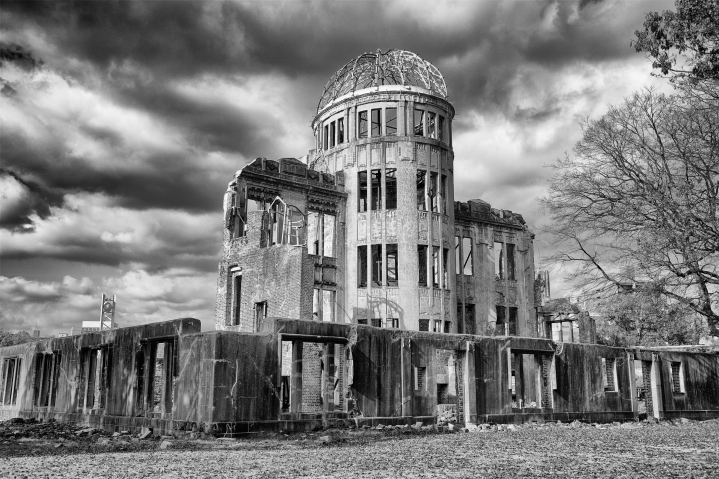
Imagine if you will, for a moment, the complete annihilation of everything in your life, and your life as you’ve known it, in a split-second, blinding flash. Everything – and virtually everyone who you’ve come to know and love – on fire, burning out of control, screaming, with flames and radioactive ash raining down from the sky. You have no idea what just happened, other than thinking that a bomb had directly struck your home or place of work, yet as you stagger outside and look around to find loved ones and colleagues, many buried and half-dead, you struggle to comprehend that in fact everything within your vision – and your reality – has suffered this fate. Only three colors exist – black, brown and red. It’s as though you’re in a horrible dream, but you can’t wake up….
Listening to the tales of survivors at the Hiroshima Memorial Peace Museum, a haunting yet magnificent place of remembrance, was so chilling and real that I had to remind myself to keep breathing several times. It was that intense. Sitting and staring for a long time earlier in the day and photographing The A Bomb Dome absolutely floored me. It felt like a hard punch to the gut; my wind was knocked out.
Every general and senior military officer around the world should be required to visit Hiroshima. I guarantee that their desire to wage war would thereafter be severely tempered.
OK, fewer words now and more images. That awful day and soon afterwards: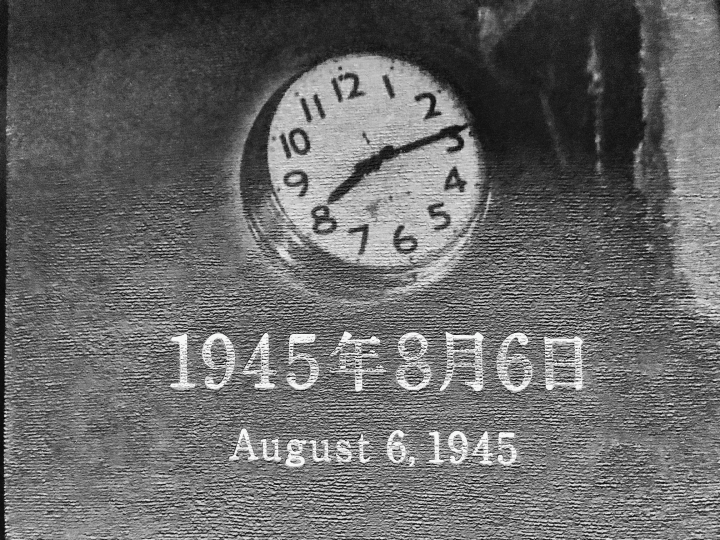 This clock stopped forever the instant the first atomic bomb – code named “Little Boy” by the US military – exploded 600 meters above downtown Hiroshima.
A historical digression here – Judge Harry H. Kutner, for whom I clerked after law school, was a B-29 pilot stationed on the Island of Tinian who flew 33 bombing missions to and from the Japanese mainland and other Pacific Japanese targets. He was 23 on August 6th, 1945 and was one of six crews briefed in a hanger on Tinian the night before Little Boy was dropped on Hiroshima. He saw both Little Boy and Fat Man, which was dropped on Nagasaki two days later, on August 7th, resting on wooden pallets in the aircraft hangers there. He and the other crews that were briefed were told simply that the bomb to be delivered the next morning by one of the crews was larger and more powerful than anything that had ever been deployed. Since none of the airmen (and almost certainly their commanding officers) knew anything about the secrets of the Manhattan Project, explaining the dynamics of a thermonuclear warhead to them on the evening of August 5th would have been akin to speaking in Greek. Judge Kutner’s close friend Paul Tibbets and his crew of The Enola Gay were (whose name had been chosen only the night before in honor of his mother) were selected for the Hiroshima bombing run….. They received special protective glasses to shield against the blinding flash that would occur upon detonation and were instructed to look away from the target after the bomb bay doors had unleashed Little Man. How incredible. Judge Kutner was my mentor throughout my career, a very close personal friend and, with my Dad who also fought in the Navy in the Pacific Theater, a shining exemplar of the Greatest Generation. Judge Kutner died two years ago at 94. RIP and Merry Christmas, Judge. I know you’re looking down now from that very special place.
A small child’s bike. The seat and tires were melted off and the frame scorched almost beyond recognition.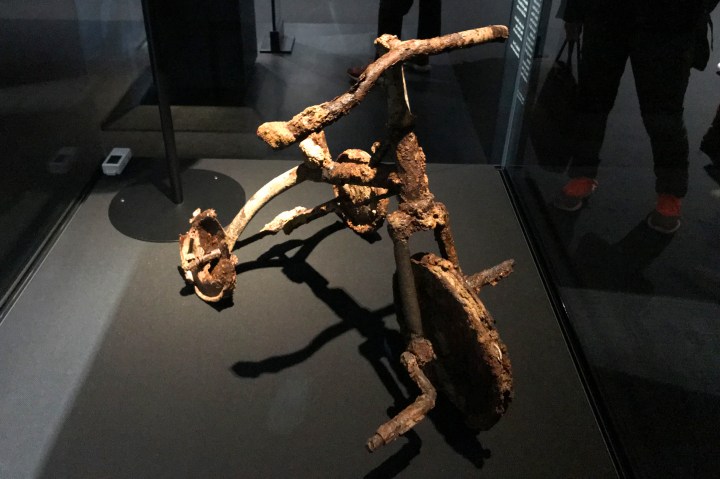
Clothing stuck to a victim. A woman I listened to said that her son had the buttons of his pajamas melted onto his body when she found him.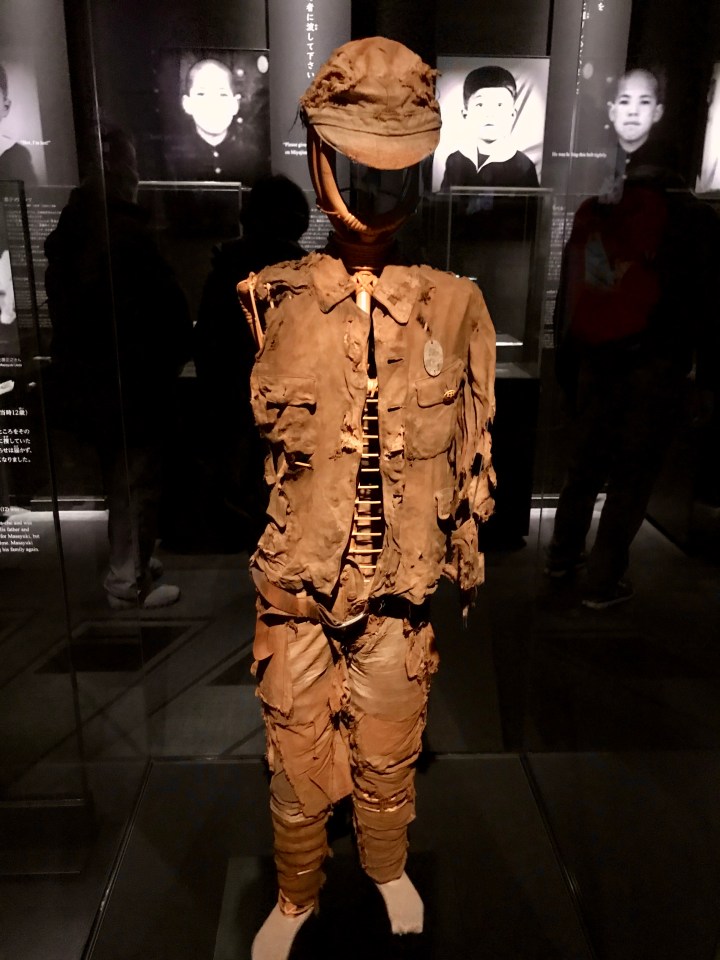
Many months and surgeries later. 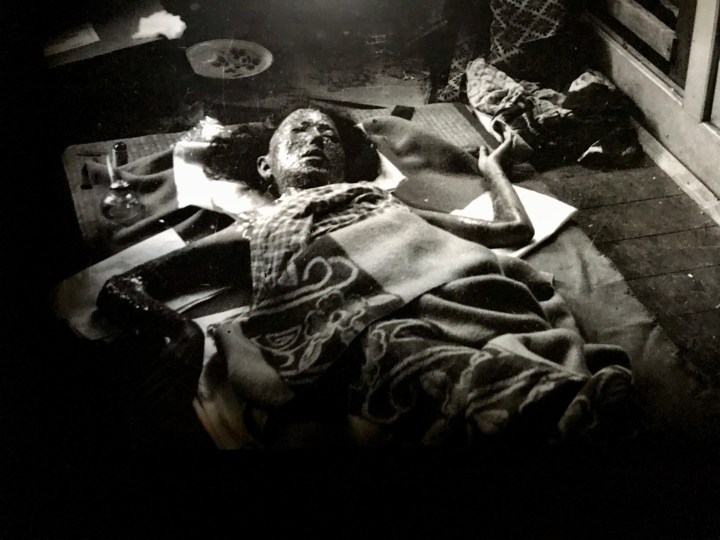
A Buddha, melted from the blast’s heat:
Site of the Hiroshima Castle, which stood unscathed since 1590 and was completely obliterated.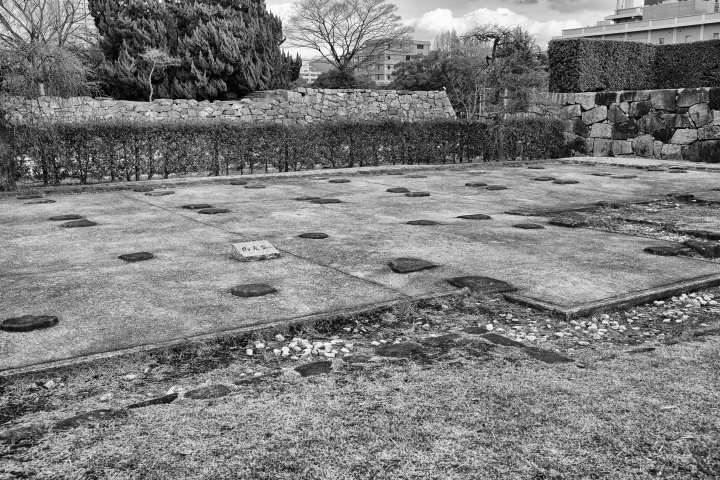
He had no chance.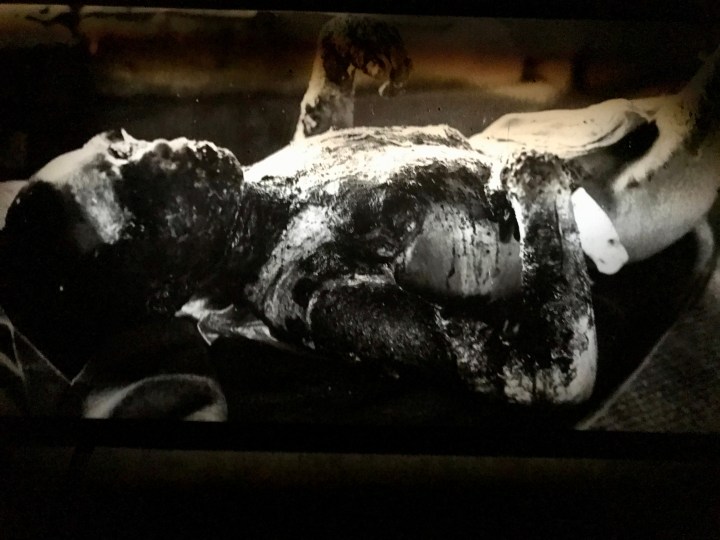
OK – enough horror….. This is terribly grim to contemplate, but contemplate we must. Hiroshima today is spectacular – set among numerous beautiful rivers, encircled by gentle mountains and open and inviting throughout. You would never, ever know what terrible fate had befallen it if you simply arrived here without being told where you were. In addition, the people are very friendly, chill and happy; perhaps the happiest of any place I’ve visited yet in Japan. I think it’s my favorite place here that I’ve seen so far.
Hiroshima and its people chose life and rebirth after the horrors they experienced. It need not have been so, and it is profound testament to their individual and collective strength and resilience after living through the unimaginable destruction and pain which they suffered.
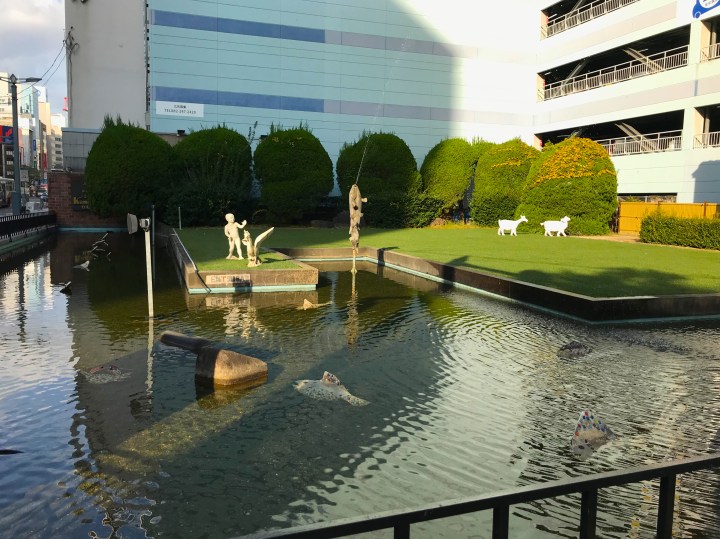
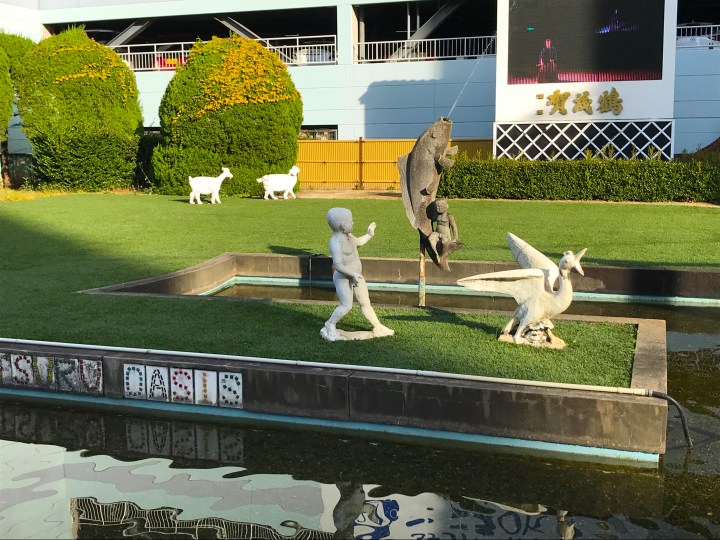
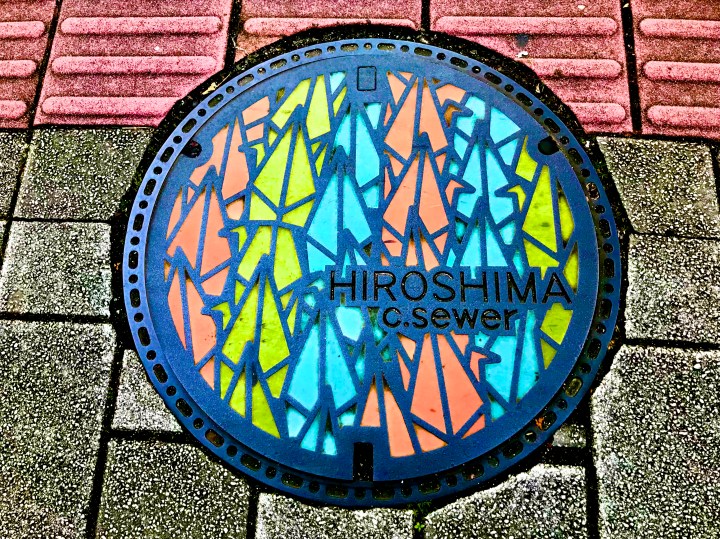
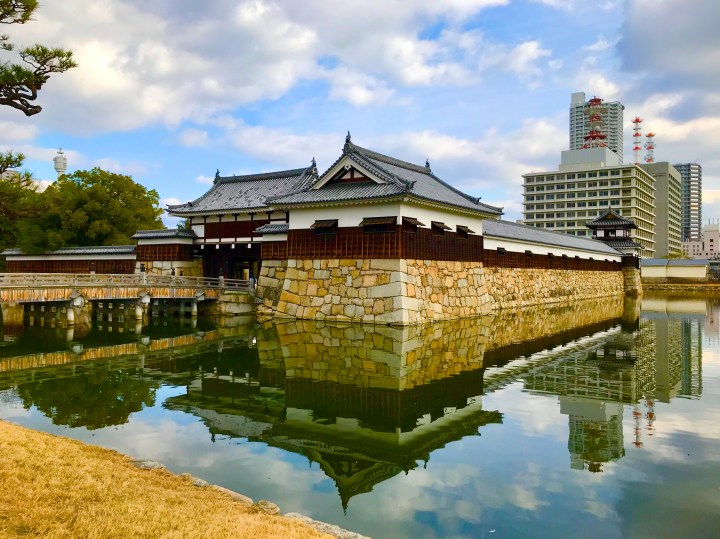
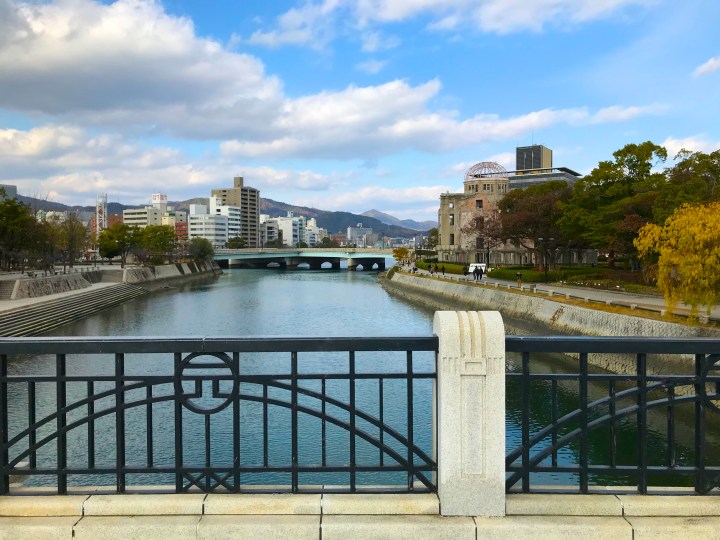
Look carefully: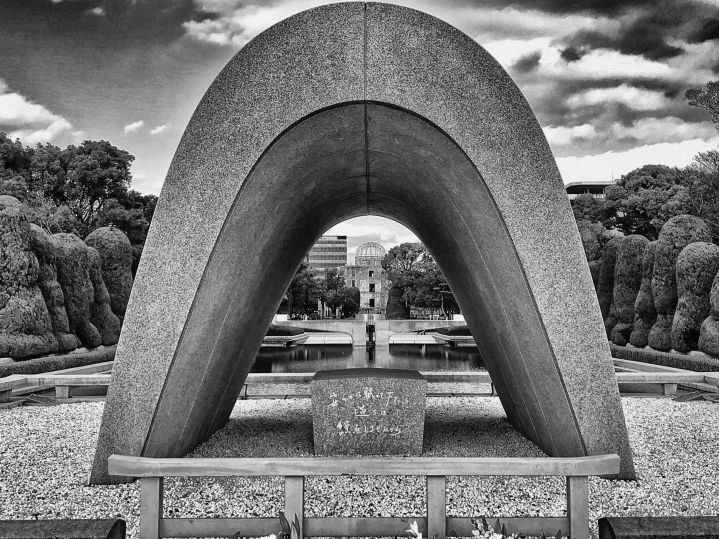
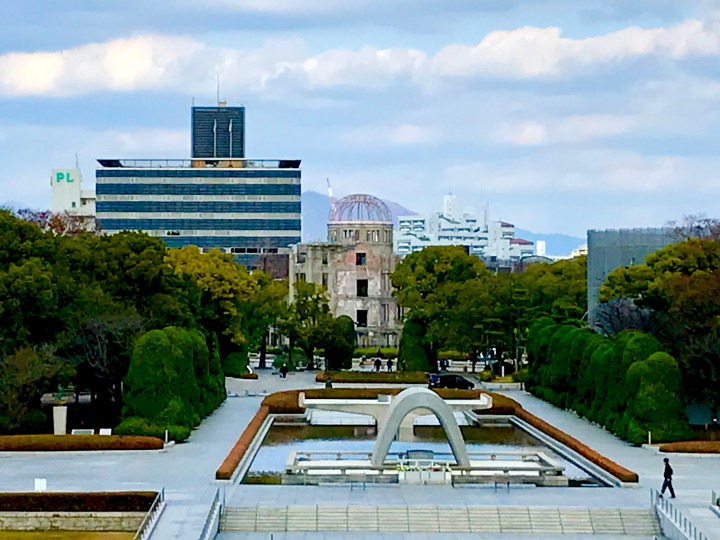
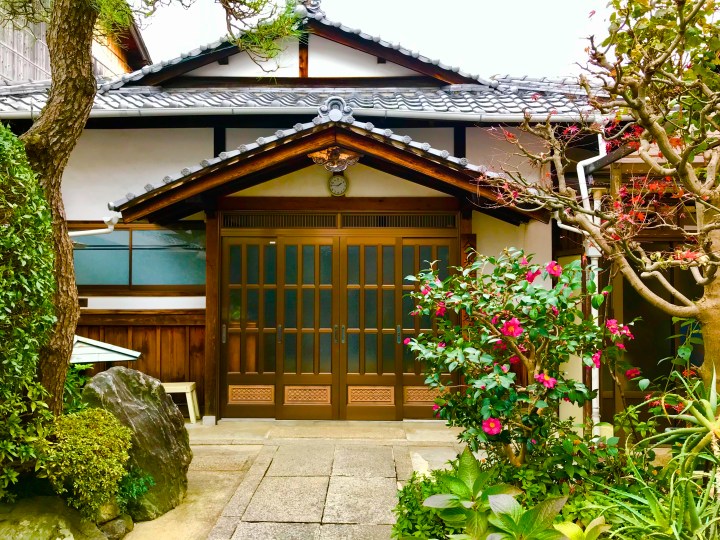

The duality of Hiroshima- its tragic history, amazing recovery and glorious present – is mind-blowing to me. It is testament to mankind’s resilience and ability to recover from seemingly impossible setbacks and misfortune, and offers a powerful lesson for us today, staring down the gun barrel of ruinous climate change and habitat destruction occurring around the world as you read this.
Off to Kagoshima to check out the southern tip of Japan and Mount Sakurijima, a very big and very active volcano right next door…. Should be fun.
 Adventures Here......and There