Hola. I’m in Santiago in my hotel chilling before flying home tonight. Dropped the camper off yesterday afternoon, no worse for wear except for the 12,000 miles I racked up on her.
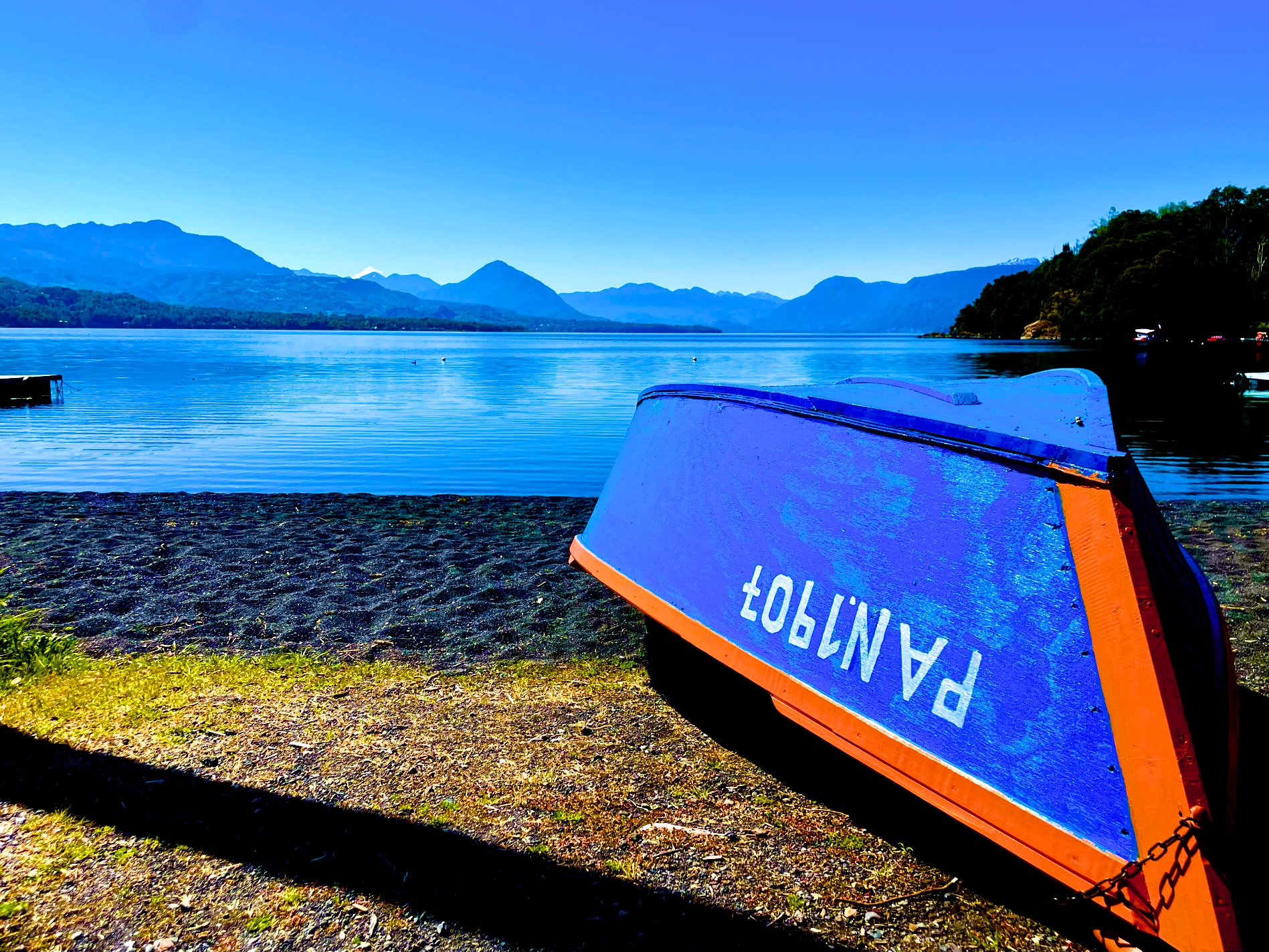
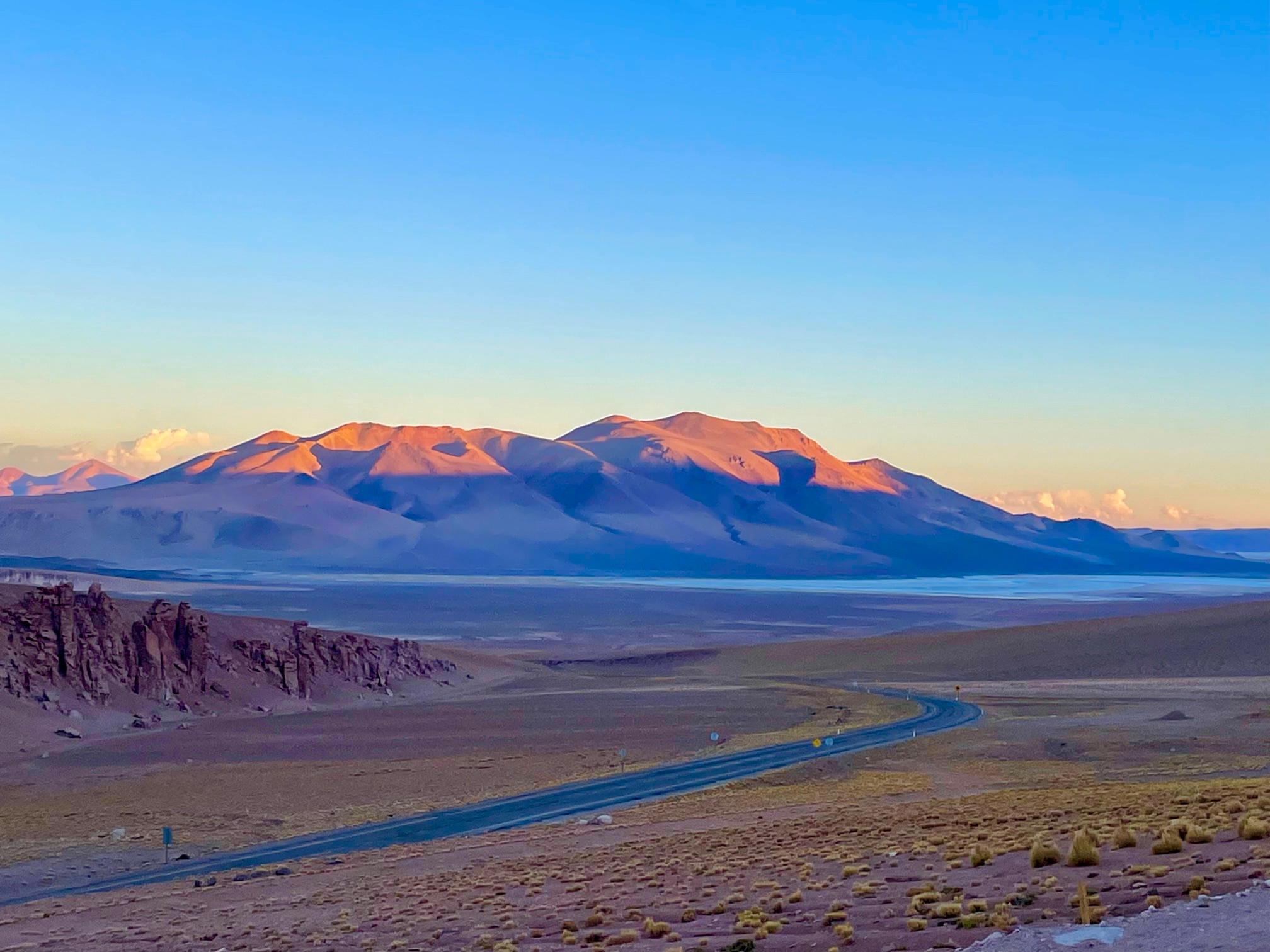
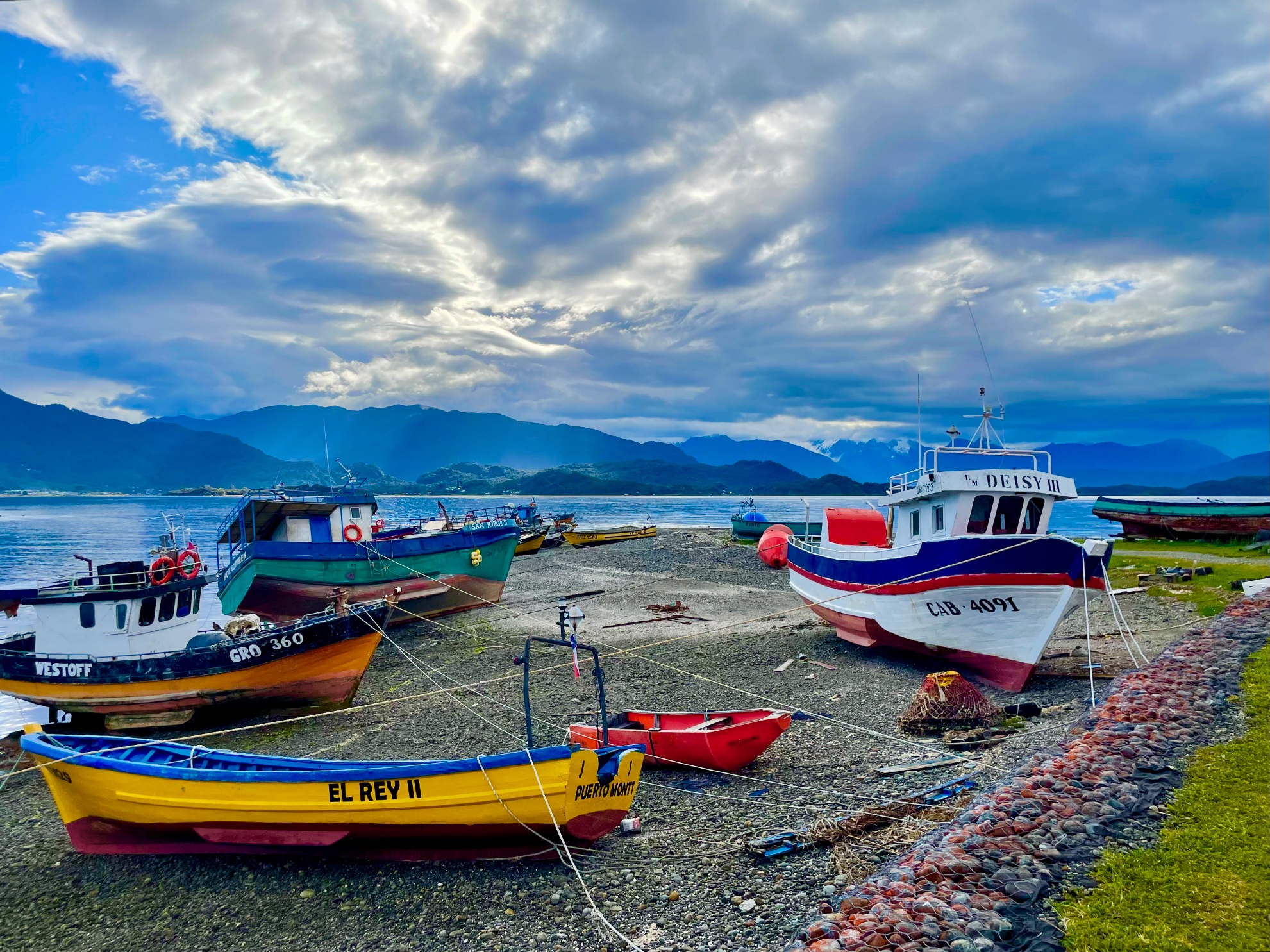
The last five or so days have been a bit of a whirlwind, as the distances traveled were huge. Getting from the Atacama to Santiago took three days of driving, with cool stops on the way, but northern Chile isn’t really my cup of tea – too bone dry, barren, hot and parched. I prefer evergreen forests, glaciers and sparkling lakes and fjords. Cool to see it, though. Here are photos of those places:
Holiday cheer in a local brewery in La Serena:
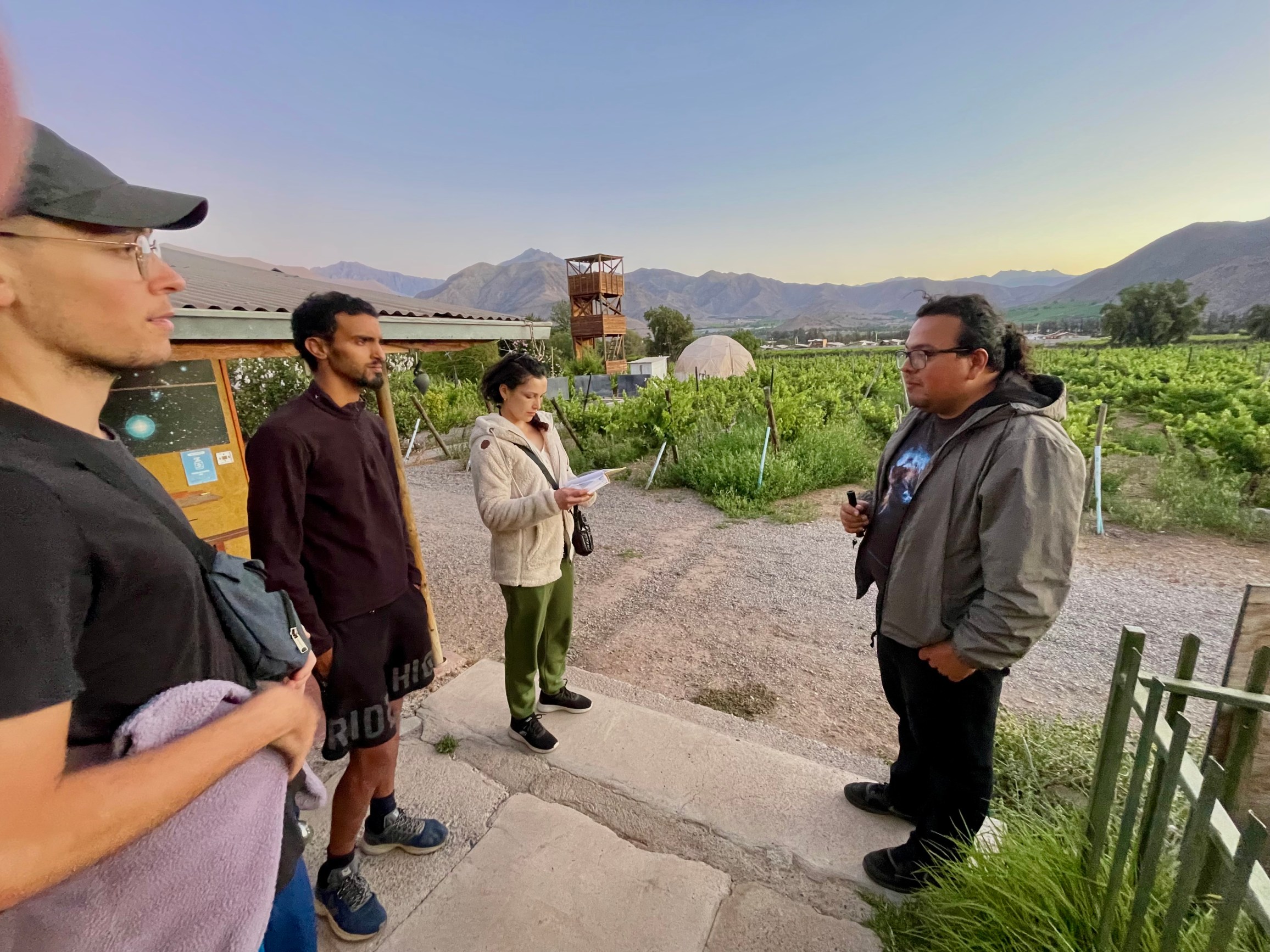
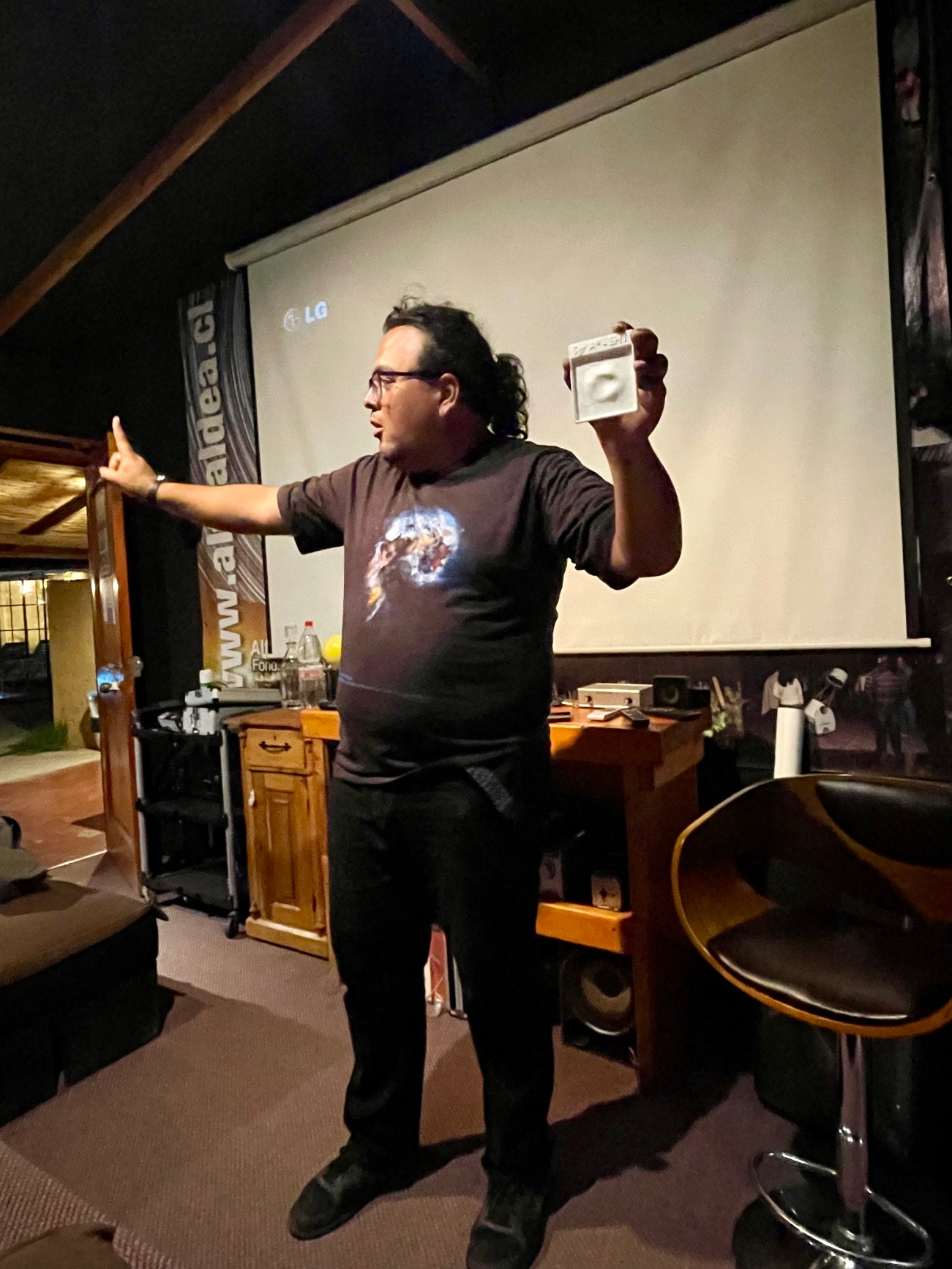
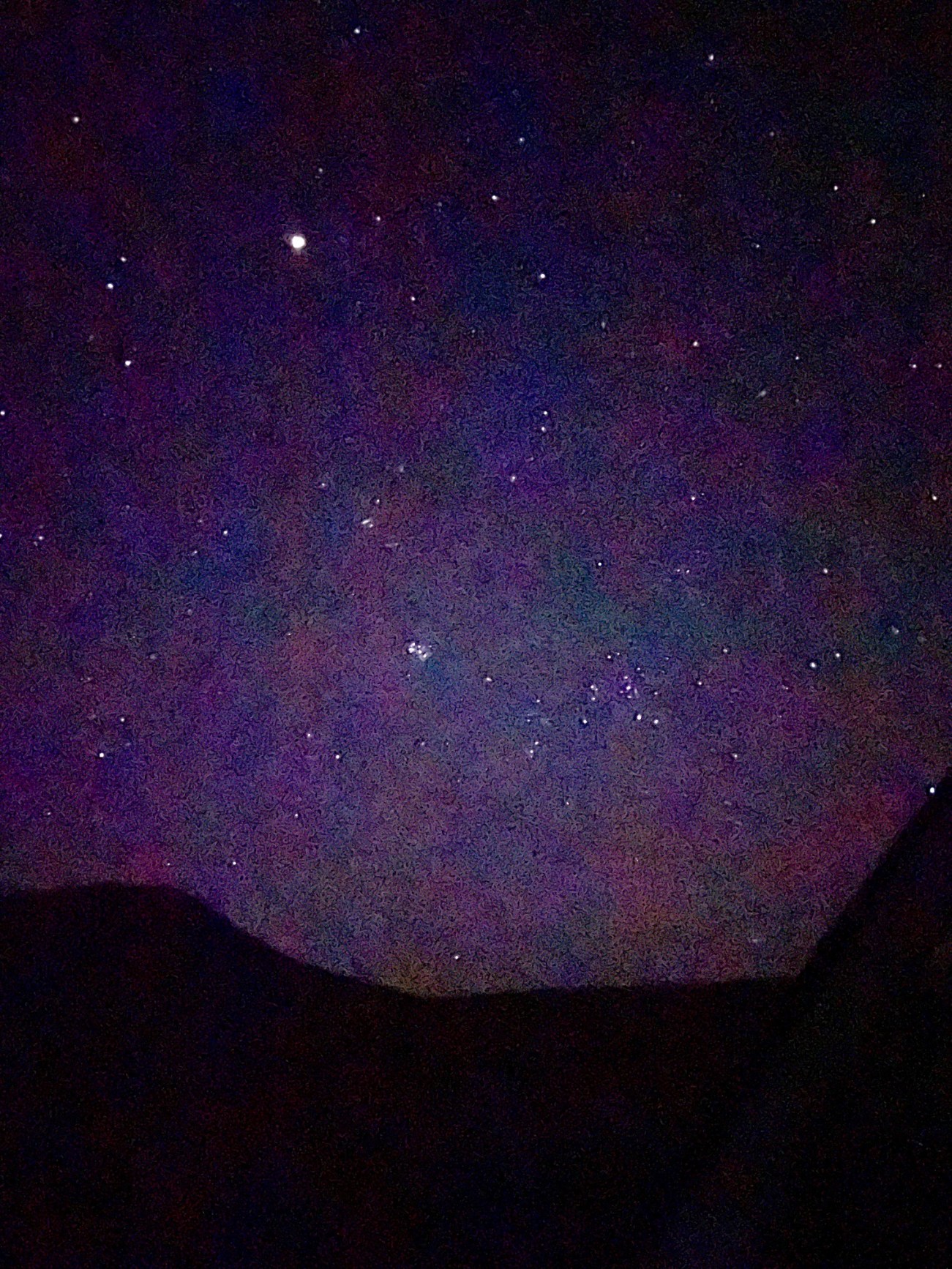
Astronomy night at Alfa Aldea Observatory in Vicuña. Their telescope was terrific. Super cool experience.
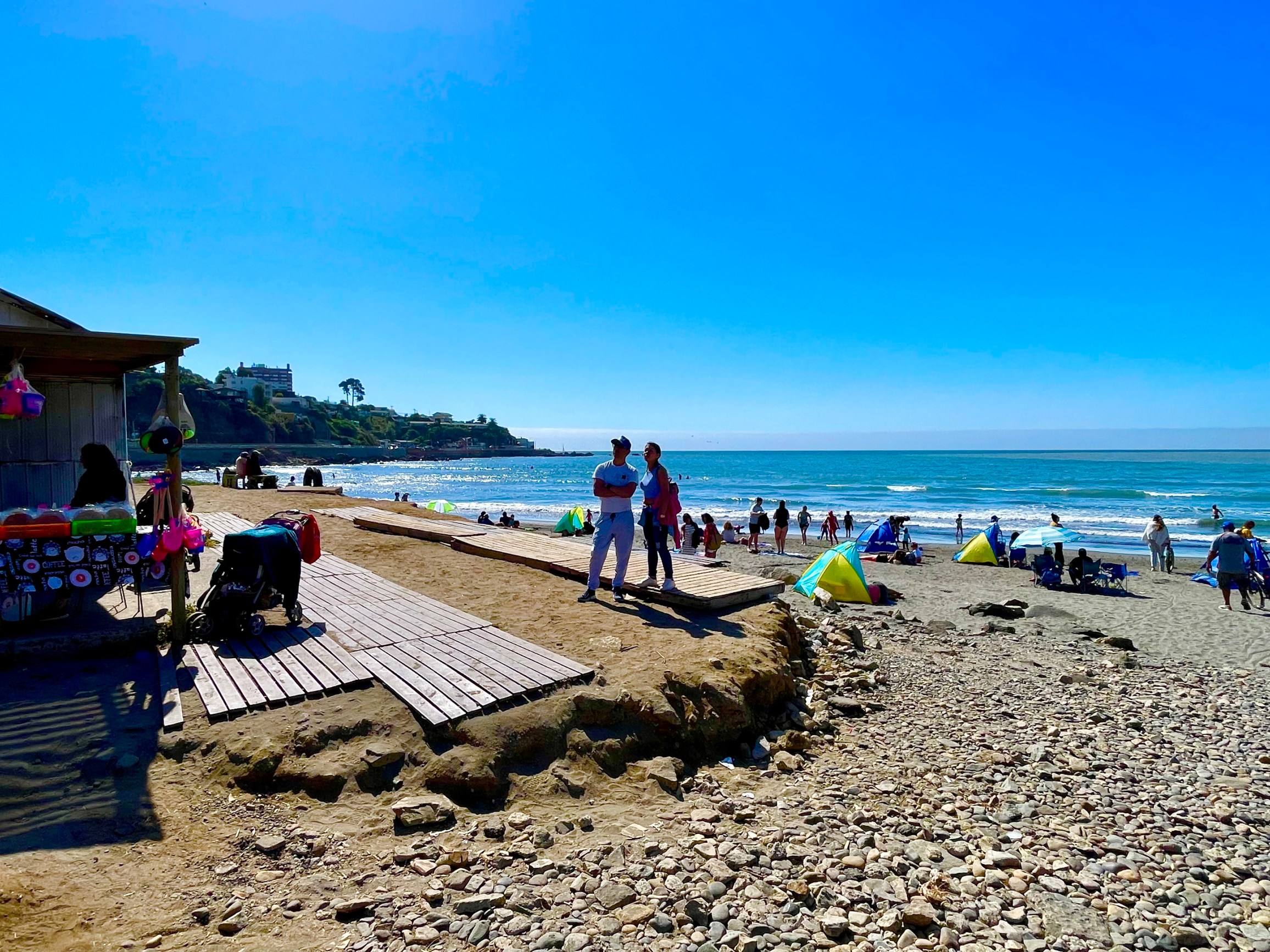
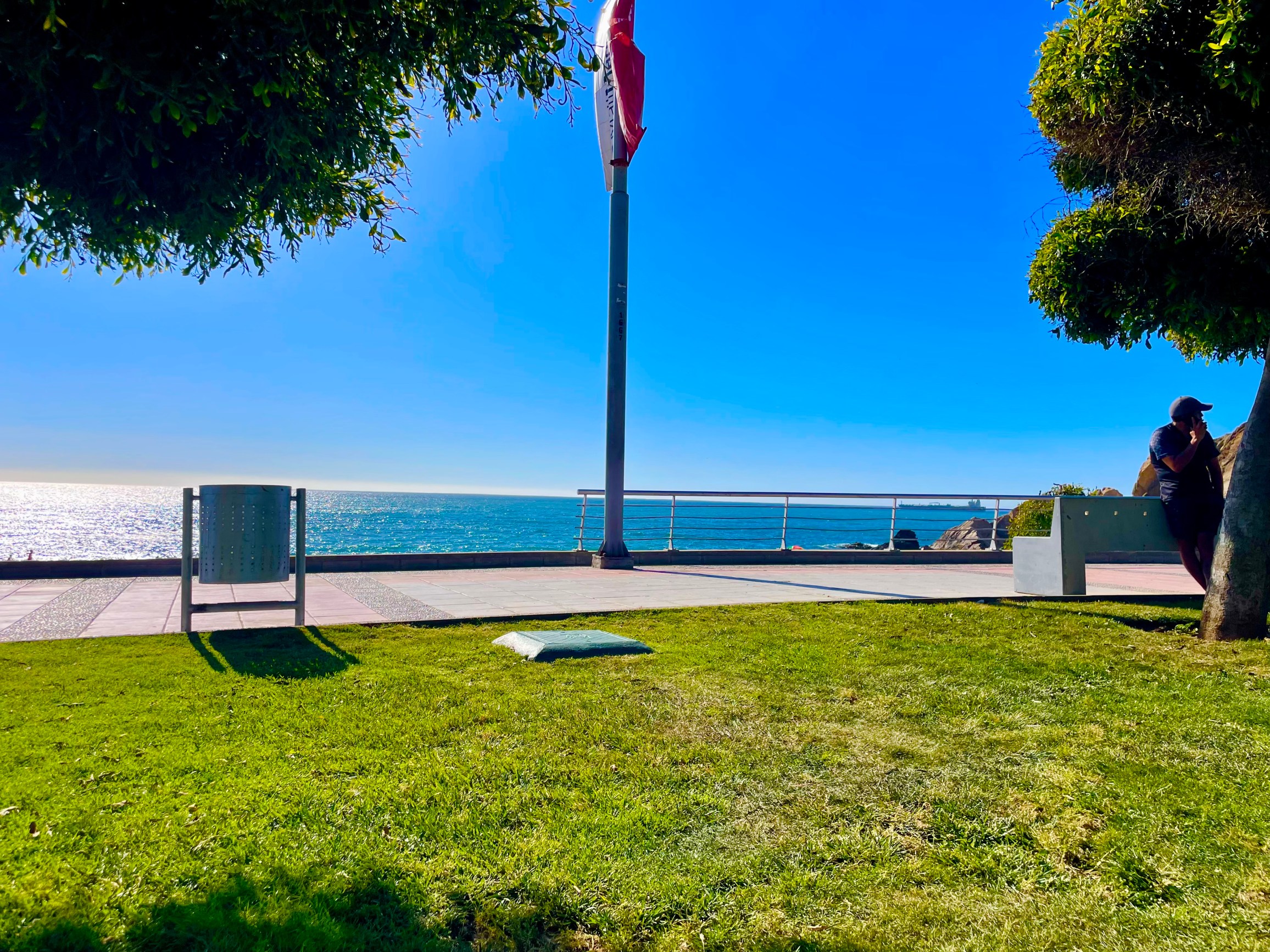
Concón, just north of Viña del Mar:
Ahhh – Viña….
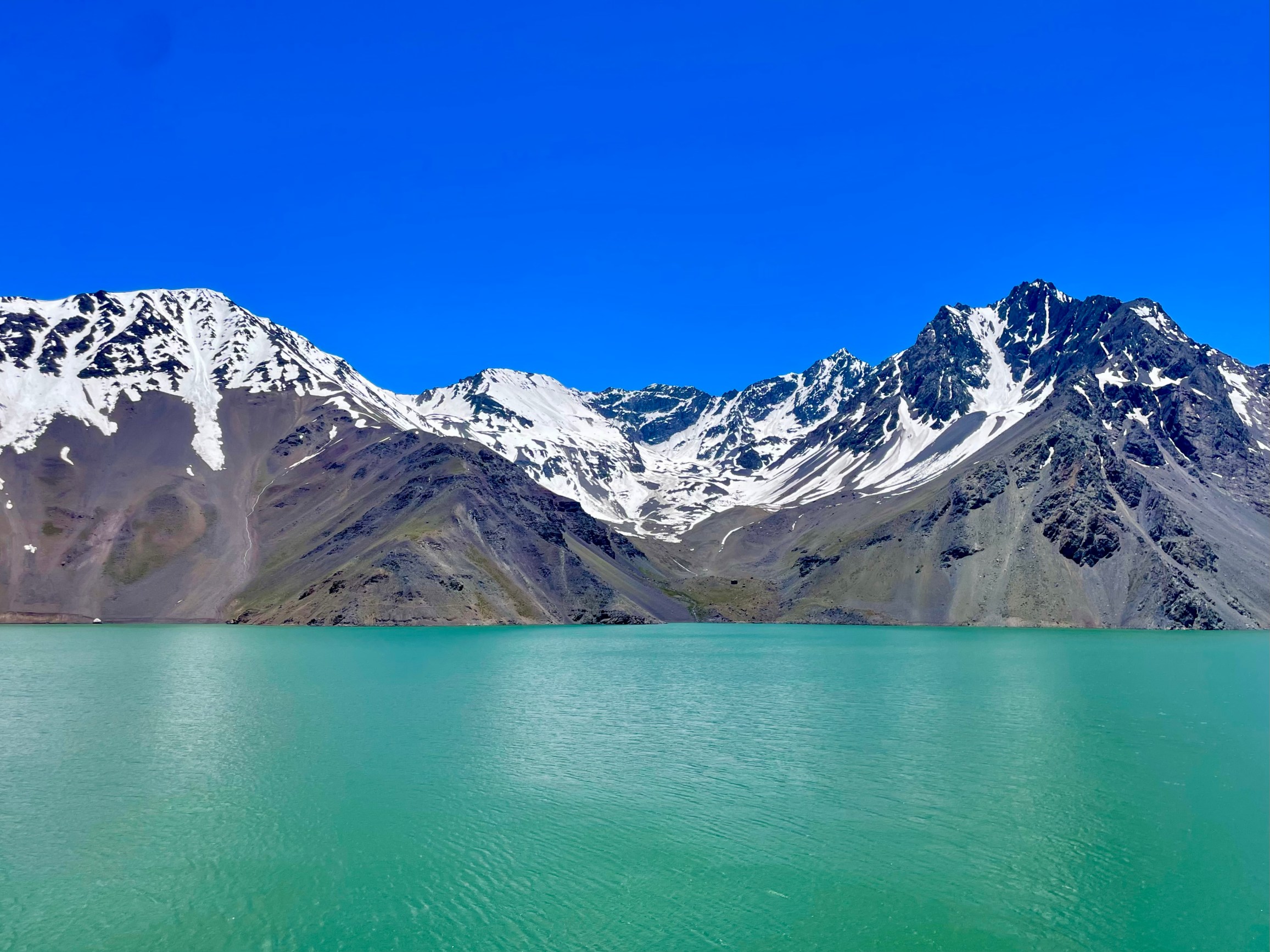
Cajon de Maipo, southeast of Santiago:
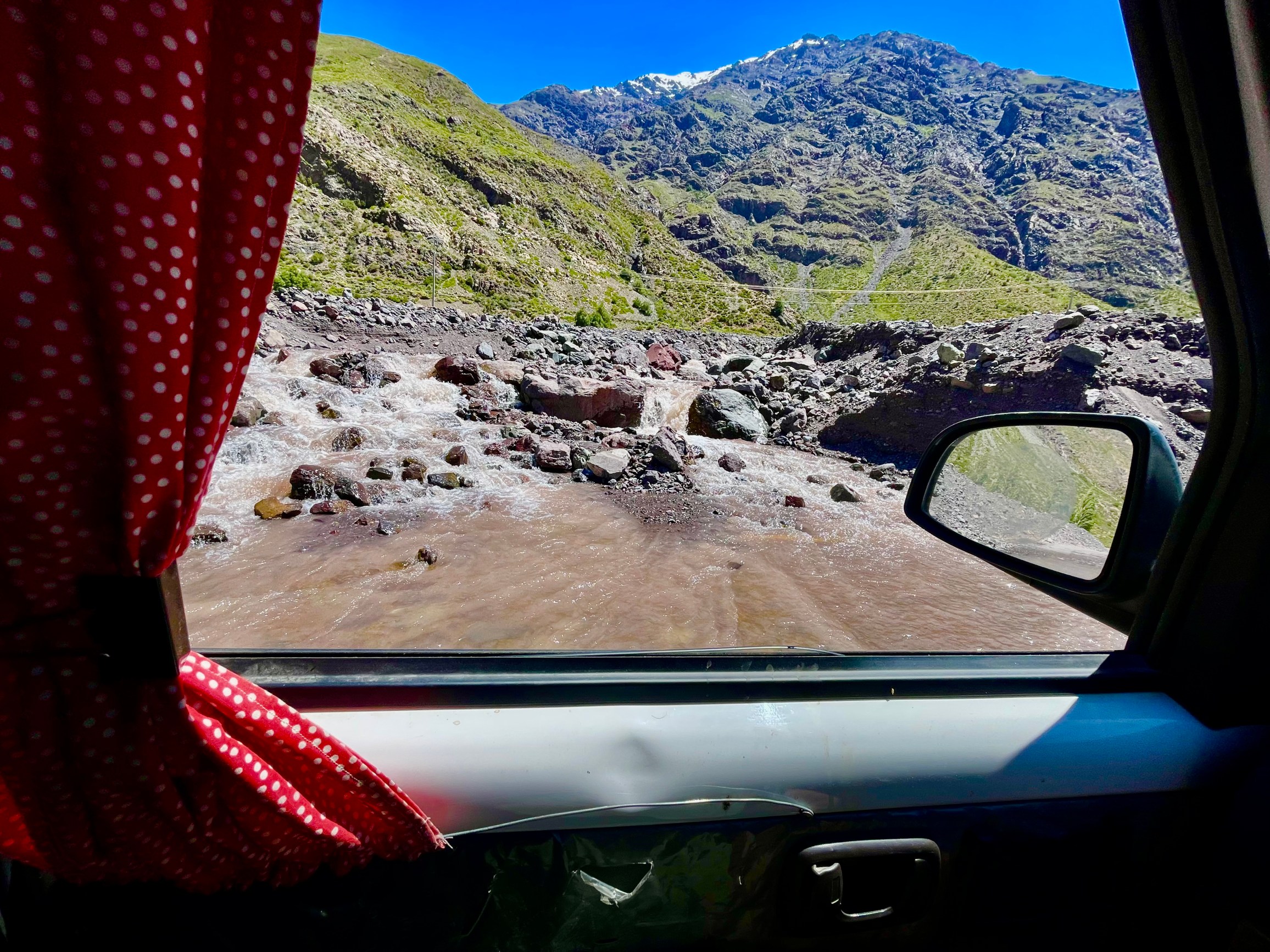
That’s a river I’m driving through. A bit of gnar….
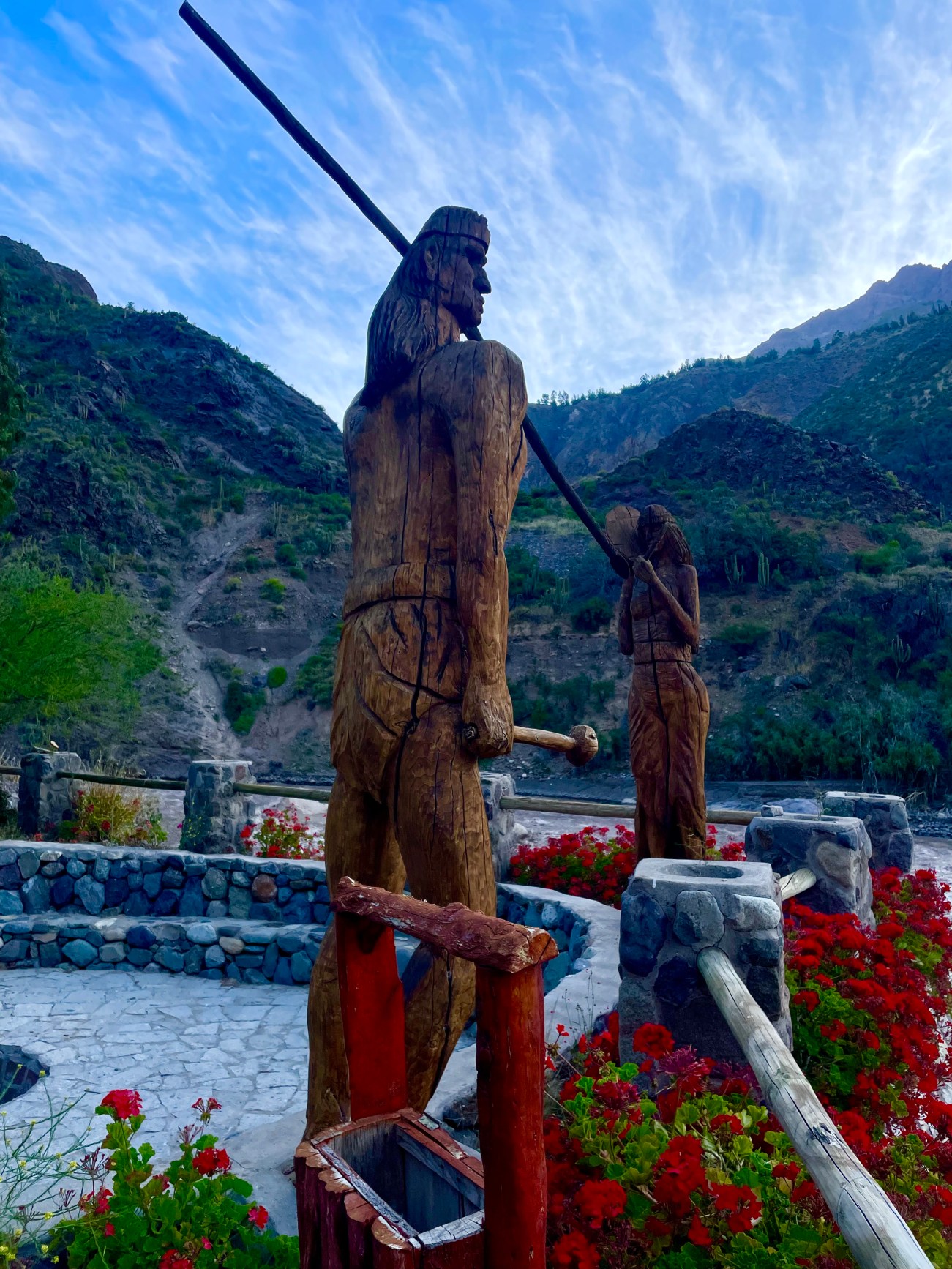
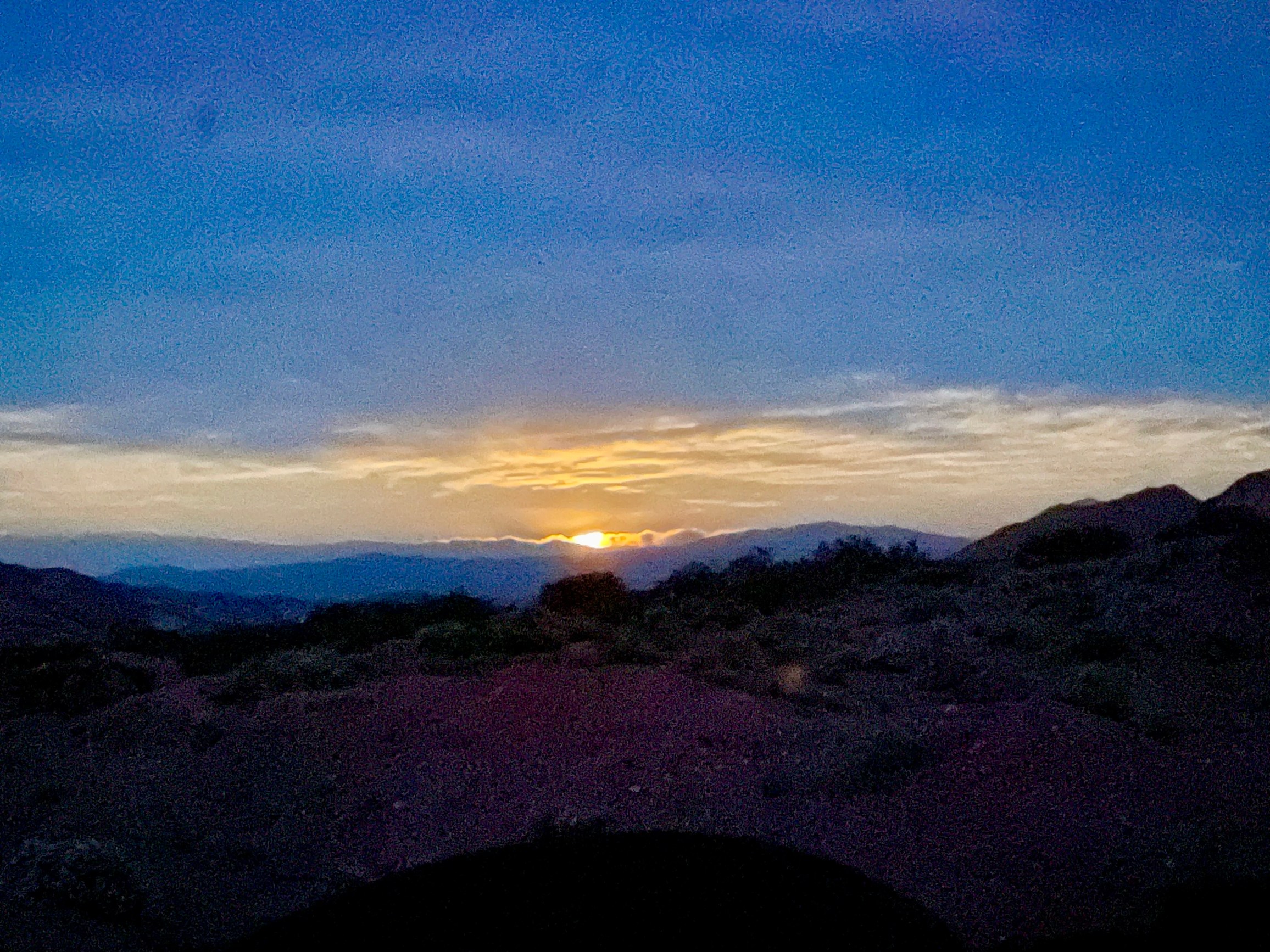
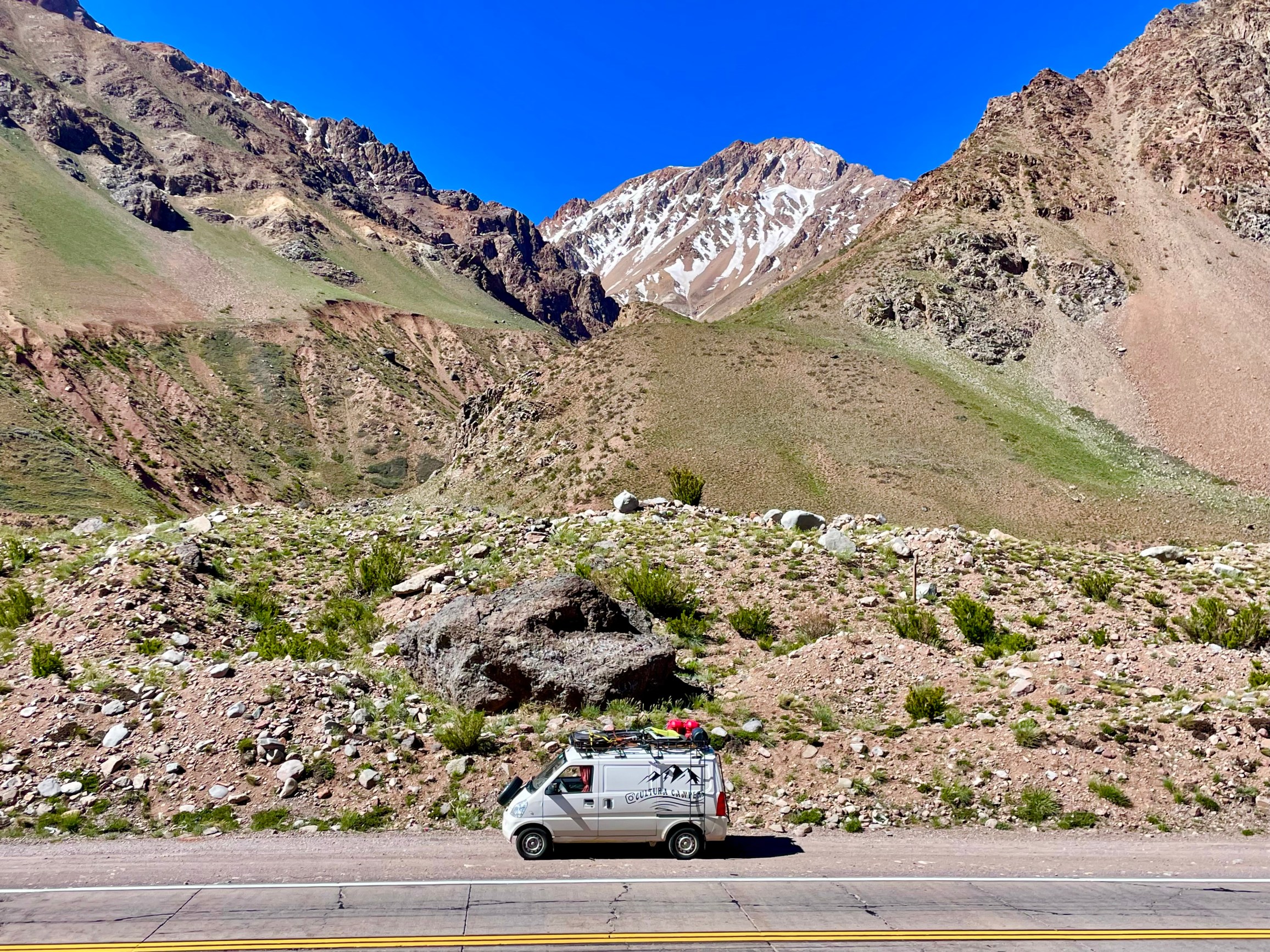
Last night in the mountains. It got mystical…
Here’s a slide show that hopefully represents the vibe and highlights of the entire trip – six weeks on the road in a camper – two very large countries, 42 days, with 5 spent in hotels (I know, I’m getting soft in my old age…). It’s really hard to choose and exclude photos, as I have so many from this journey, but I think these provide a good flavor of what I saw and experienced
The trip was truly great. No mishaps, mechanicals, crazy people, law enforcement or fronterra run-ins or bad luck. I feel really blessed for that, as I’ve driven a ton, including thousands of miles on bone jarring unpaved roads, and I’ve seen an incredible amount of both countries and their people. So, damn the torpedoes – here goes:
That’s it – it’ a wrap. It was an incredible trip, with adventure and fun each day. Thanks everyone for following me on these crazy jaunts. It makes it really fun to share the experience with friends and family. Catch you all on the next one. India and Africa are on the wanderlist…..
Wow – I’ve seen a ton of places and met so many cool people during the past six days. Been off the grid for most of it, so I haven’t been able to post any updates.
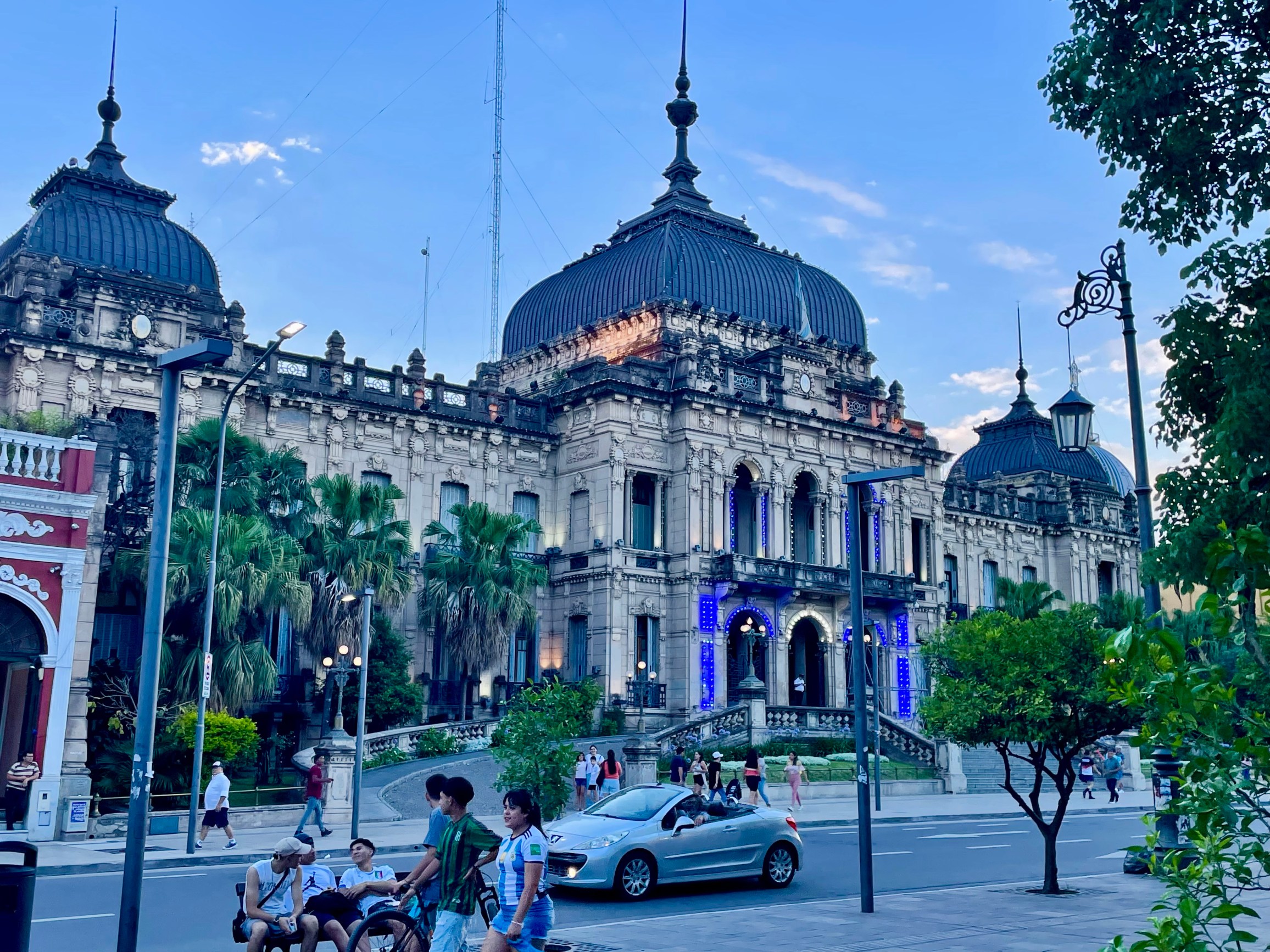
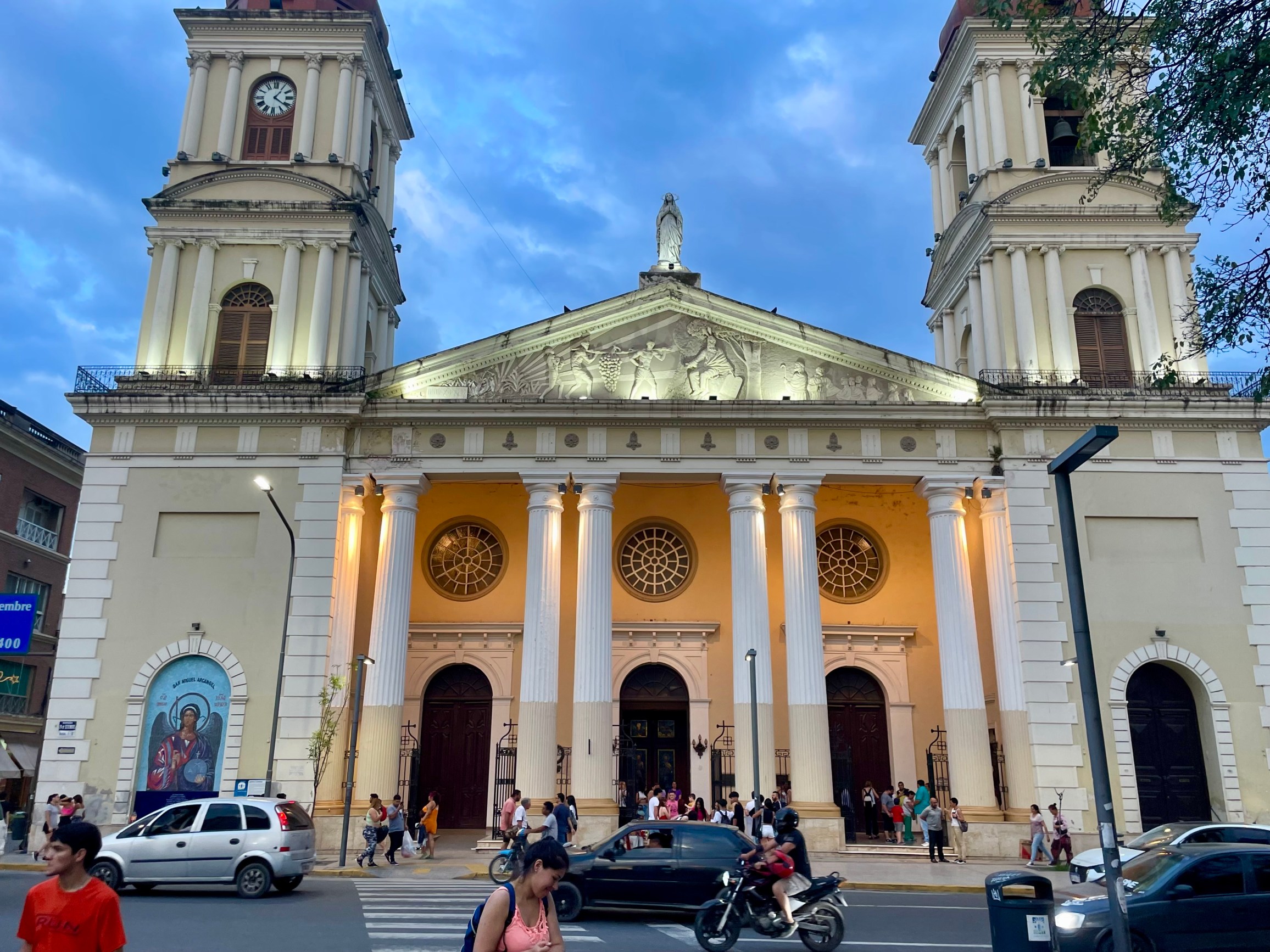
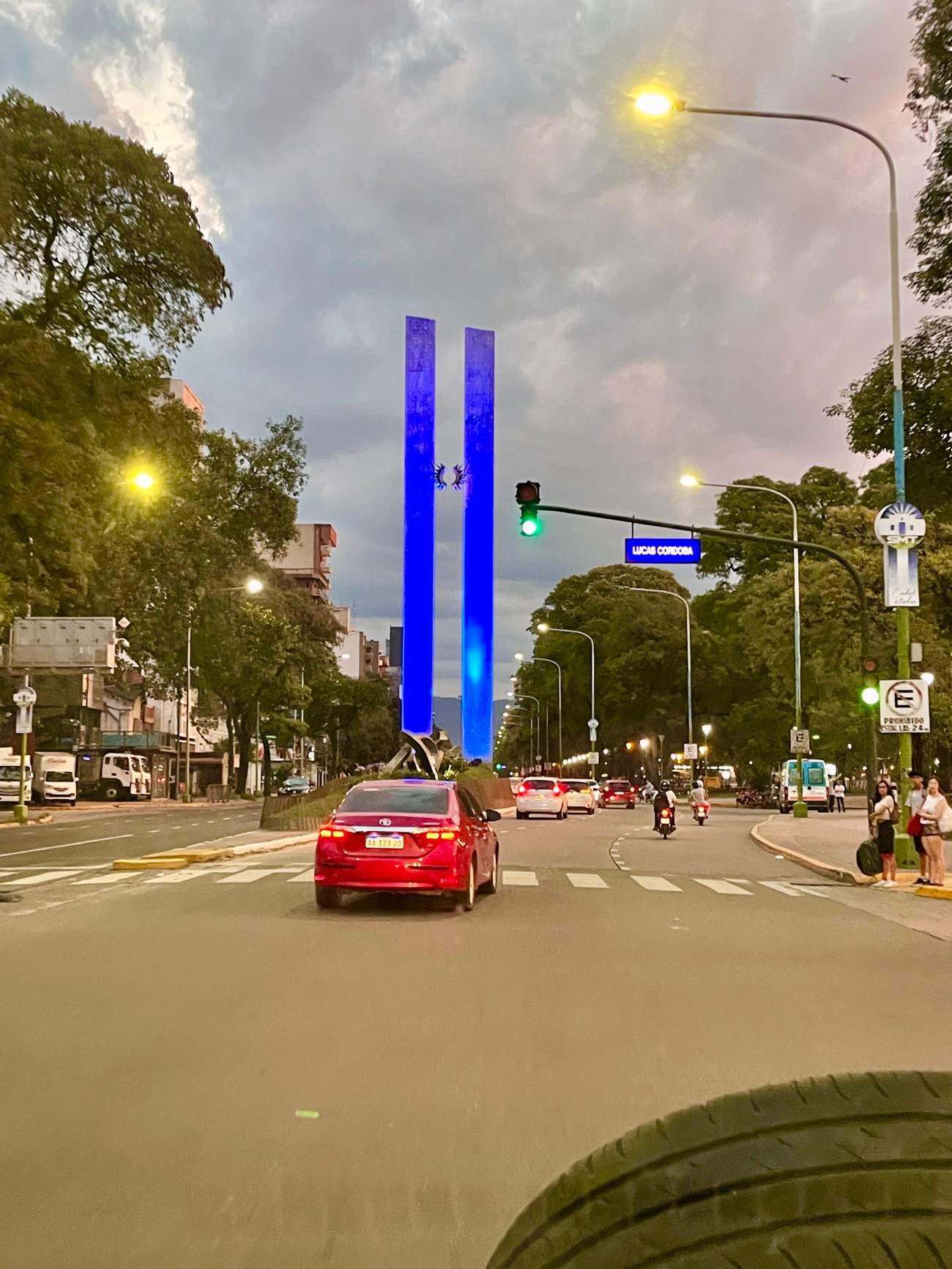
After leaving La Rioja, I stopped in San Miguel de Tucumán, a big town / small city with a very laid back vibe. It was unbelievably quiet in the center of town despite countless people moving about in rush hour. A gorgeous town square was the center of activity. No horns, no raised voices, no loud music. Everyone was just super chill and tranquilo. Some scenes from there:
This filet mignon (I actually prefer a good burger to a steak, but Argentina is the place for great meat) was crazy good. The entire meal cost $8.00…
The government municipal building, decked out for La Navidad:
Great lighting all around:
I woke up to this fellow after camping at a vineyard:
There are police checkpoints everywhere in Argentina – entering and leaving virtually every town and city. Very chill, but it’s weird. I was breathalyzed at 9:30 am the other morning. Guess the cop was bored… .
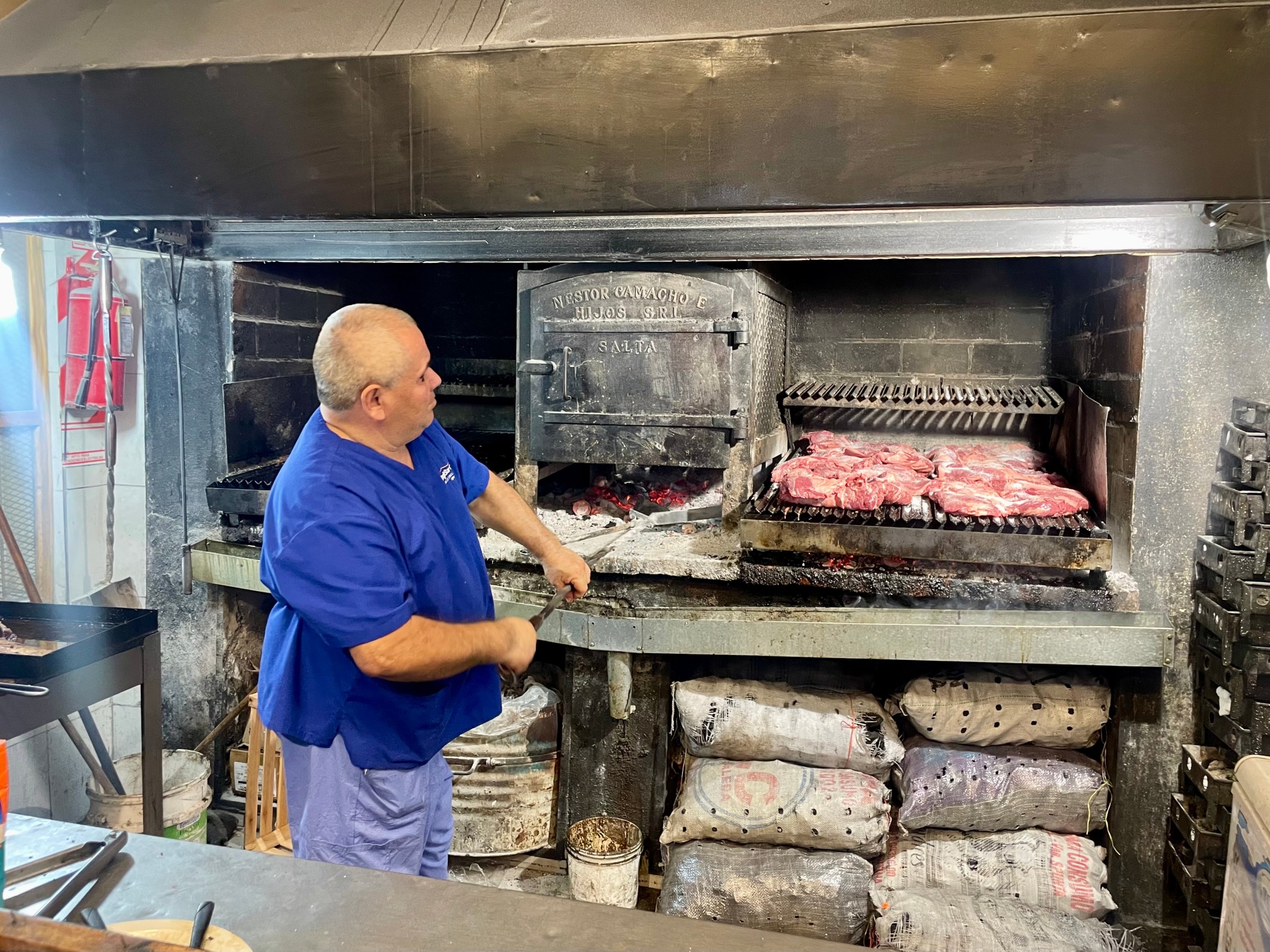
Grillin’ up a storm in Salta. I wasn’t impressed with the town, despite reading good things about it. It was dirty, crowded and very poor. Good food, though.
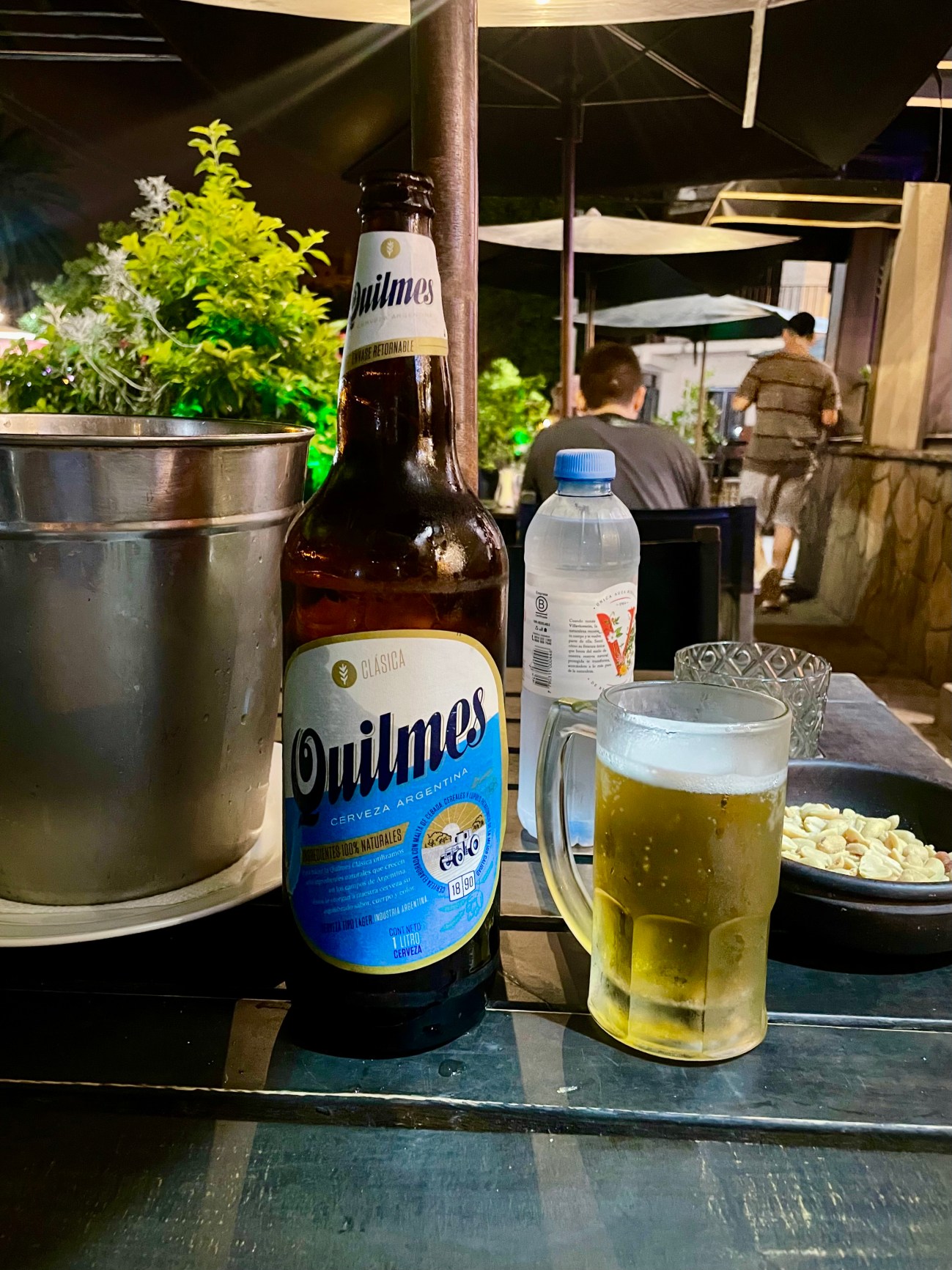
I ordered a beer. The waiter brought me a quarter keg (that’s a half liter beer mug on the table)…
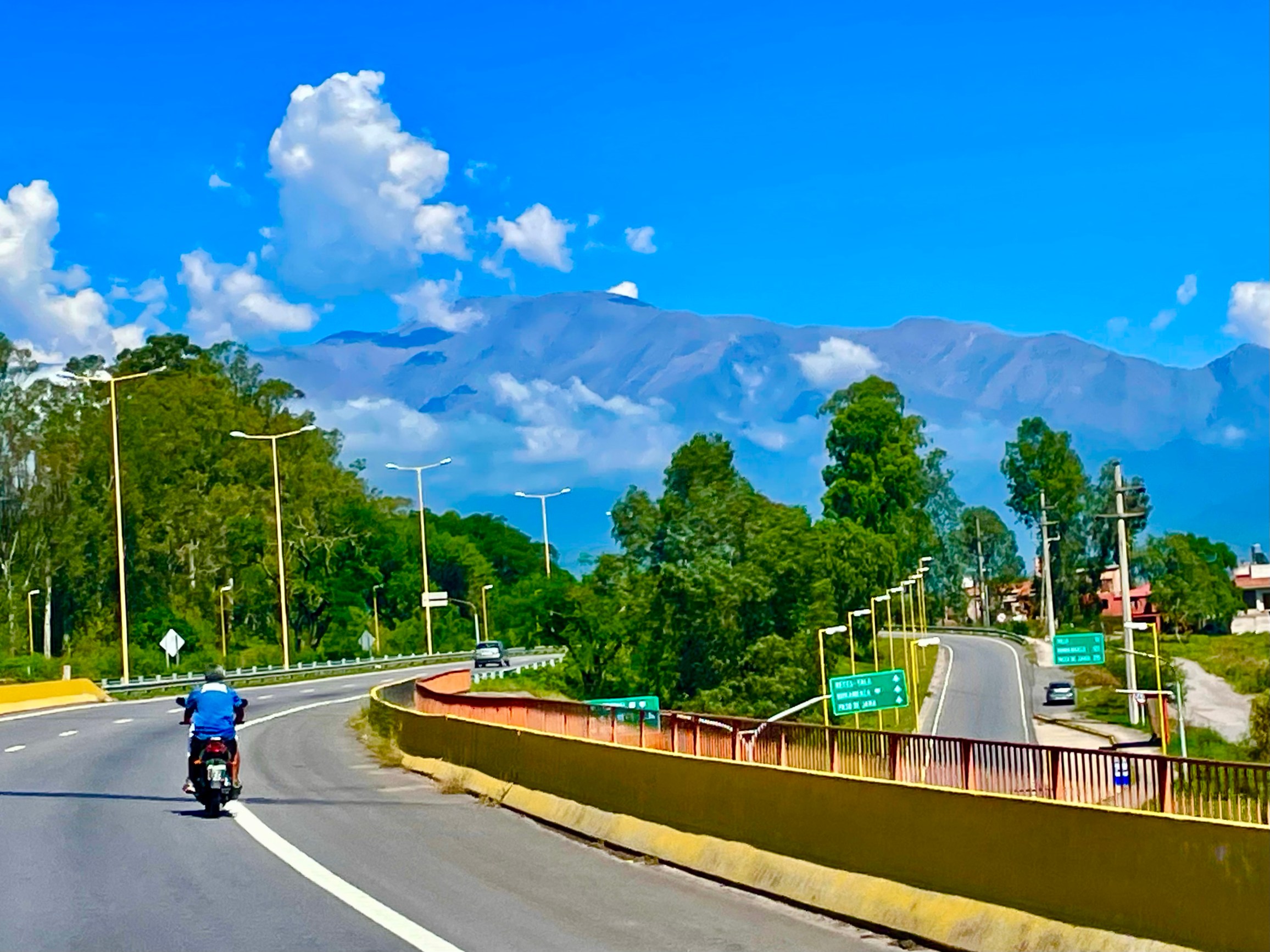
Bustin’ out of Argentina north of Salta, en route to the Atacama Desert and back to Chile:
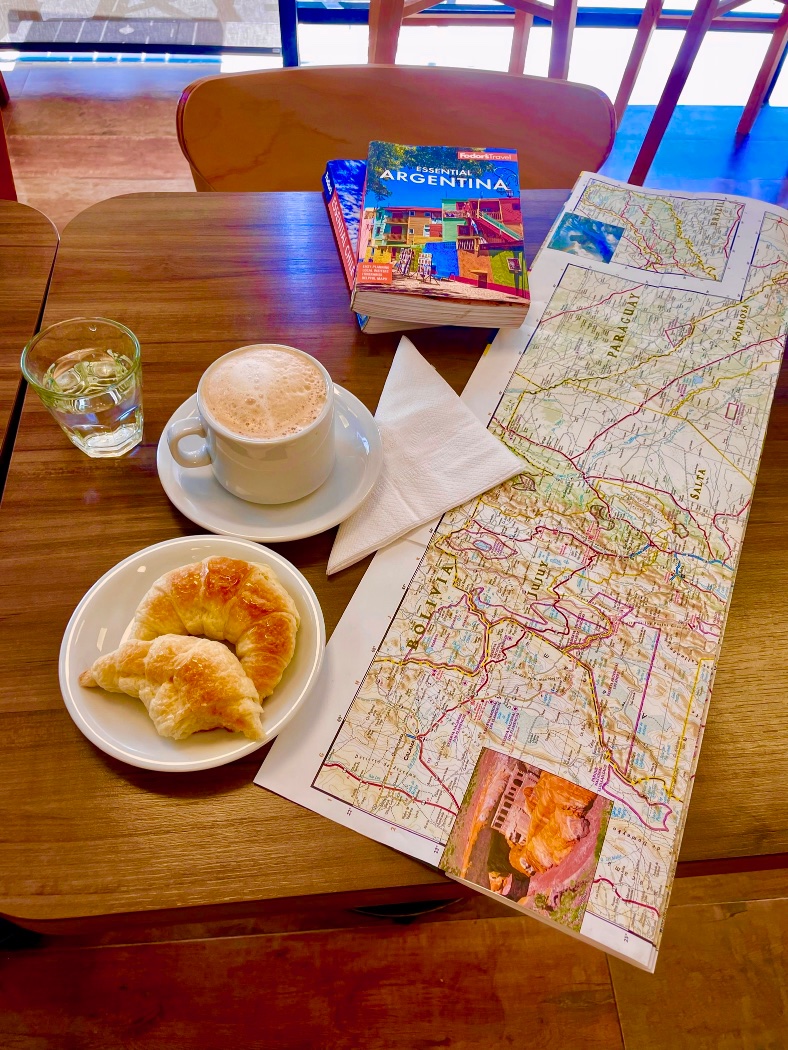
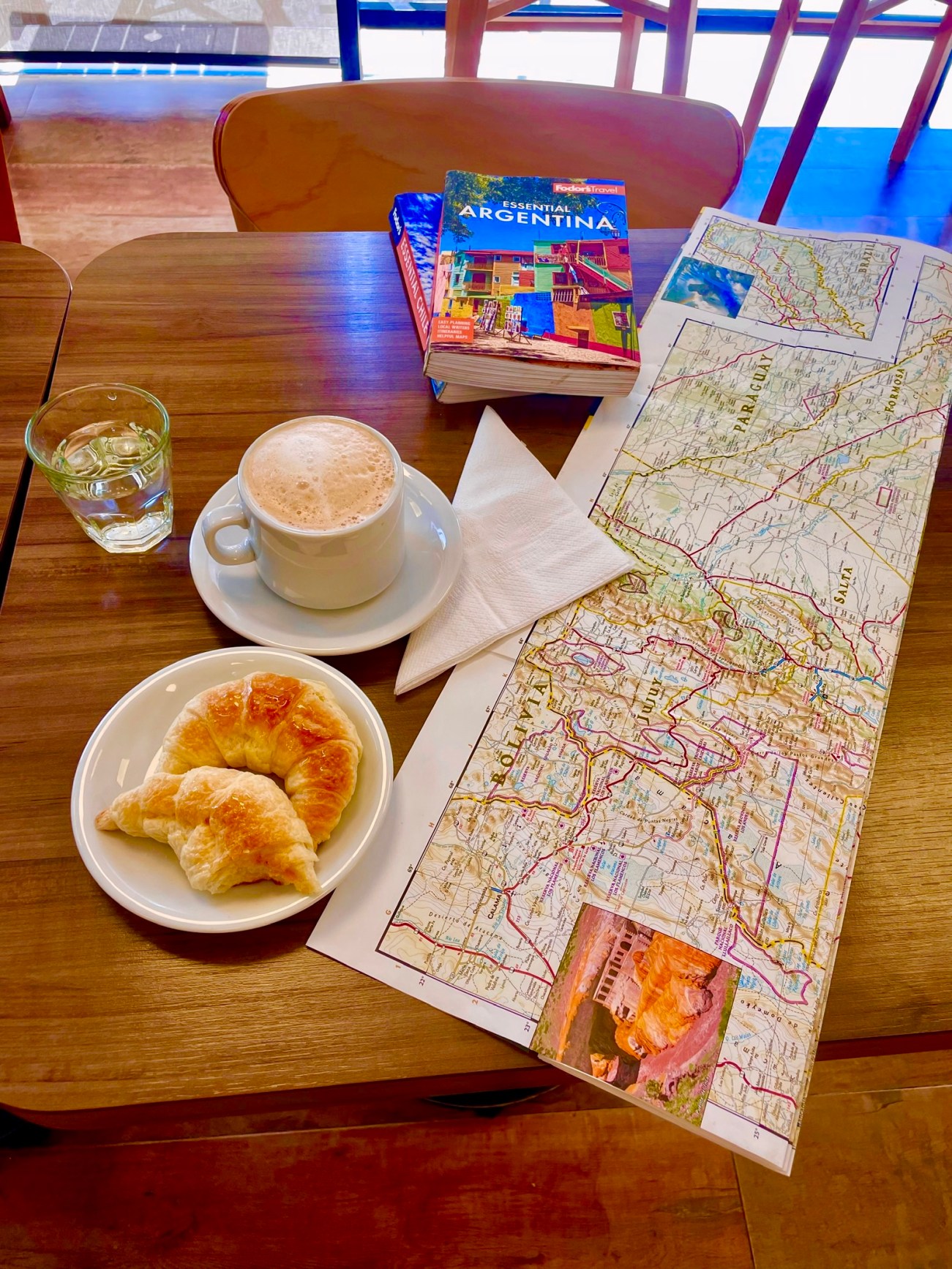
Map room and breakfast break. This was in a gas station, which as is common there, had a really nice restaurant and assorted goodies:
Arroso and Carmen – a really sweet couple from Mendoza I spoke with for a while:
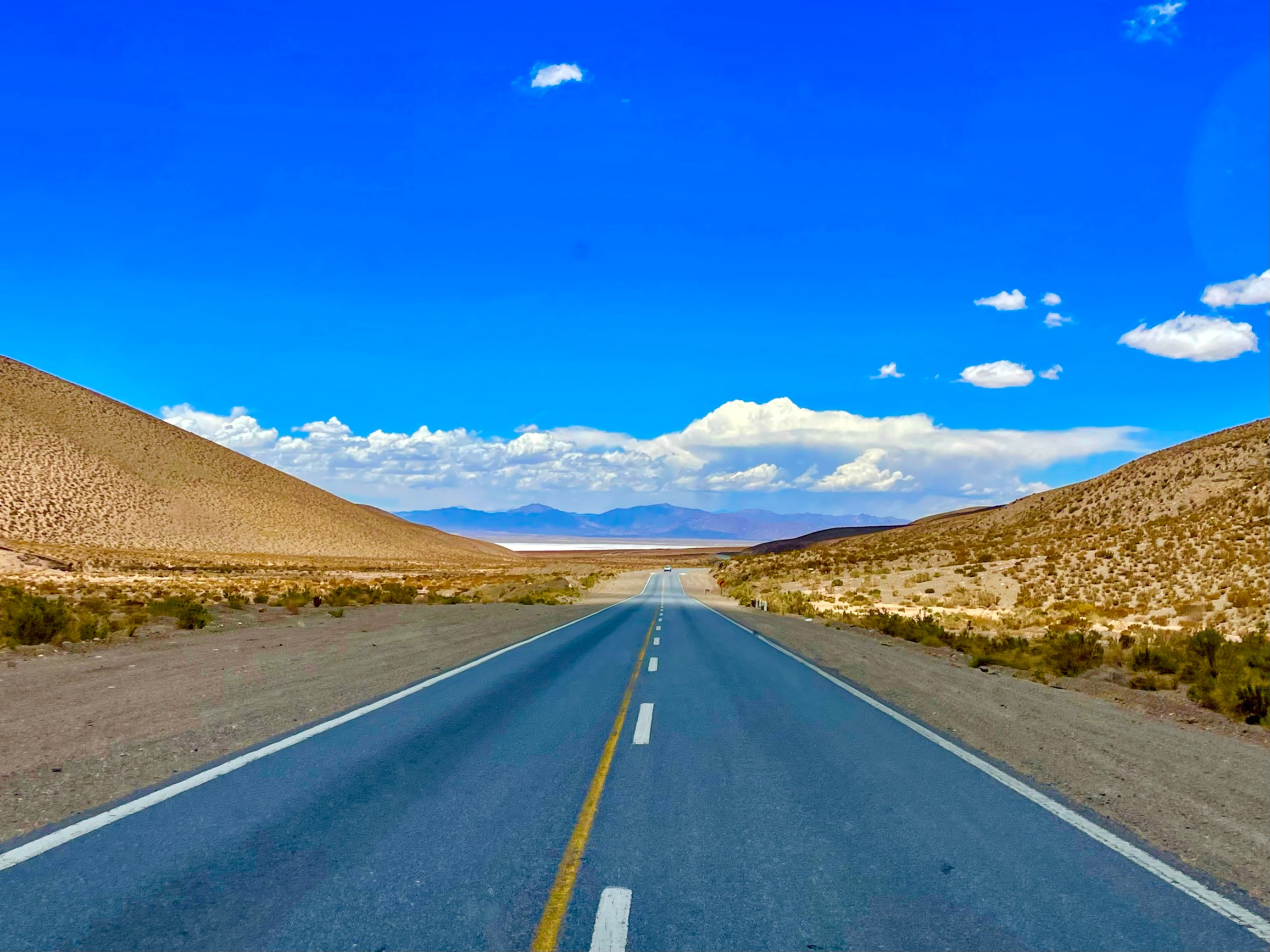
Climbing from around 2,500′ to the 13,000′ – 15,000+’ (very) high desert altitude. Amazing ascent from Argentina into the Atacama then Chile.
Northwest of Salta, close to the Argentine border and east of San Pedro de Atacama, lies incredibly pristine and pure super high desert. Entering over a hundred miles to the east of San Pedro de Atacama after crossing the frontier where I did meant that the desert stretched north and south for over 1,200 miles. That’s just enormous, and you feel that you’re completely within its grasp. Quick escapes are impossible (if you were to feel the urge), and the desert’s staggeringly large scale is mind numbing – it completely overwhelms the senses. There is absolutely no vegetation in every direction forever. Nevada would appear by comparison as lush and verdant as Vermont.
It is incredible, though. So pristine and vast. Like nowhere I’ve been, and I’ve seen a few deserts.
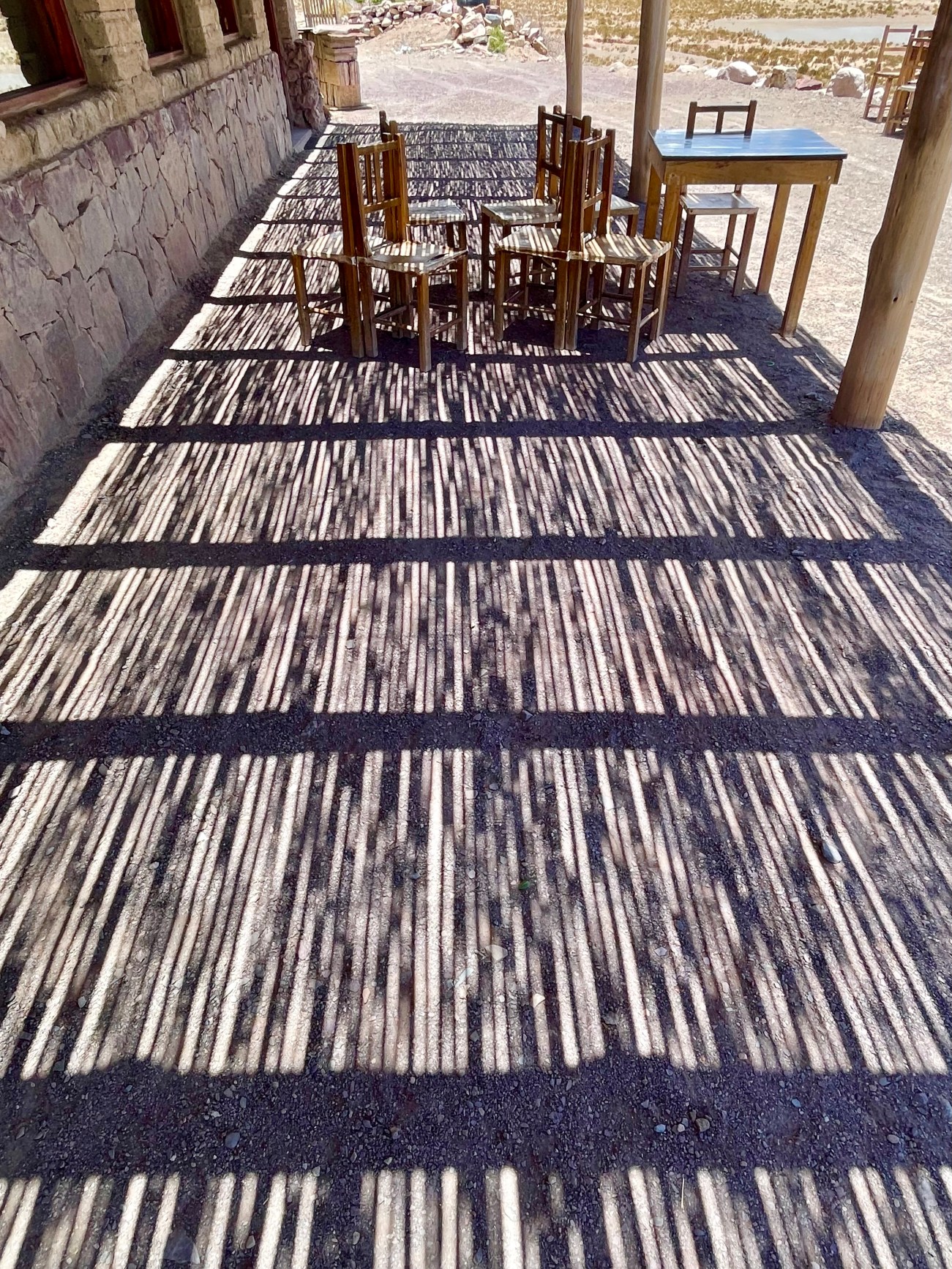
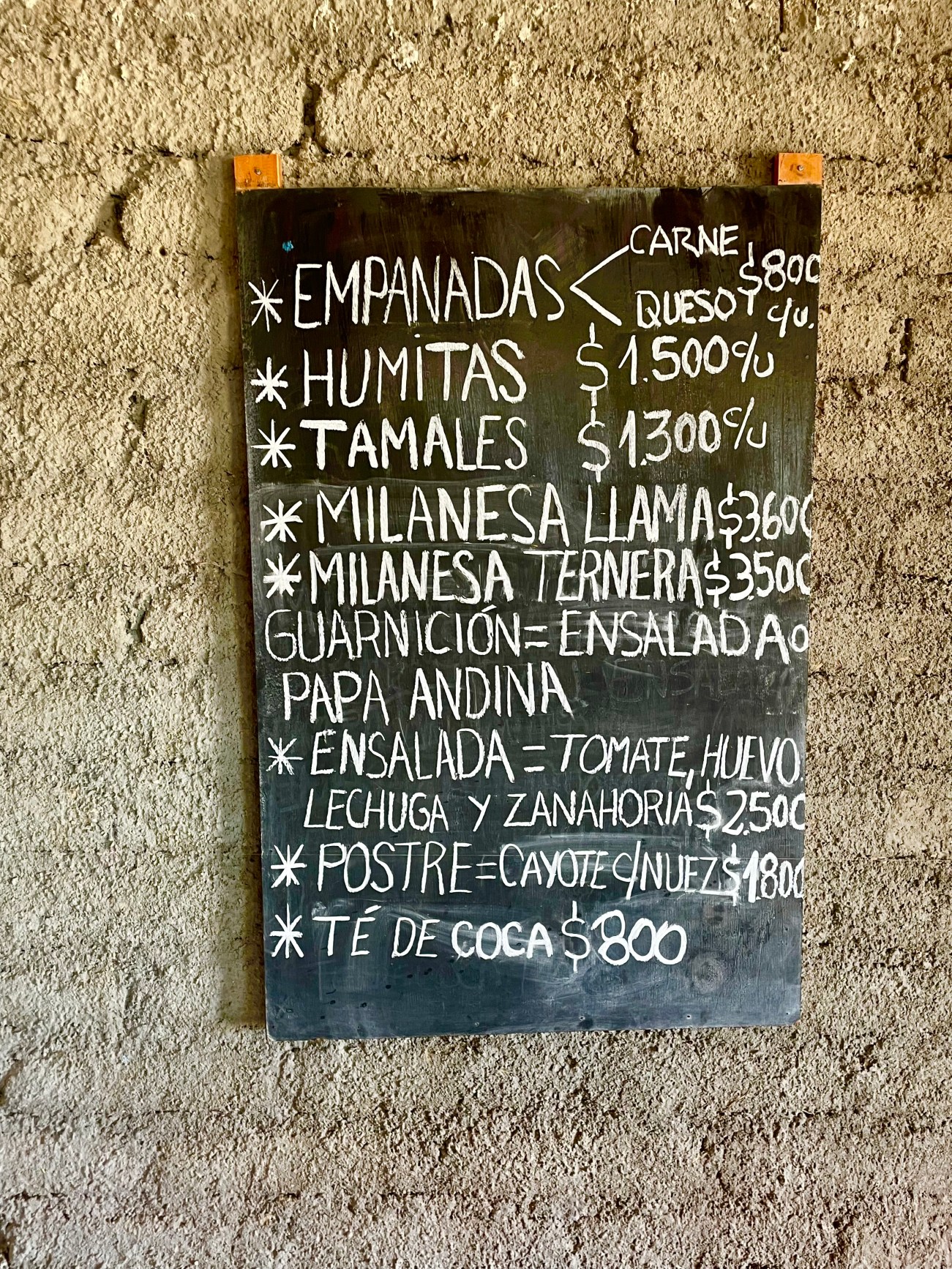
Lunch at 14,500′ in the middle of absolutely nowhere. Couldn’t believe there was a restaurant there:
OK, so I had the Llama Milanesa…. It was incredible 😜.
A really nice couple – Johnny and Elizabeth with Johnny’s Dad Juan. Johnny grew up in La Paz, Bolivia and moved to the States as a young adult. He and Elizabeth live outside of Nashville, and his Mom and Dad go back and forth between both countries. Super cool folks.
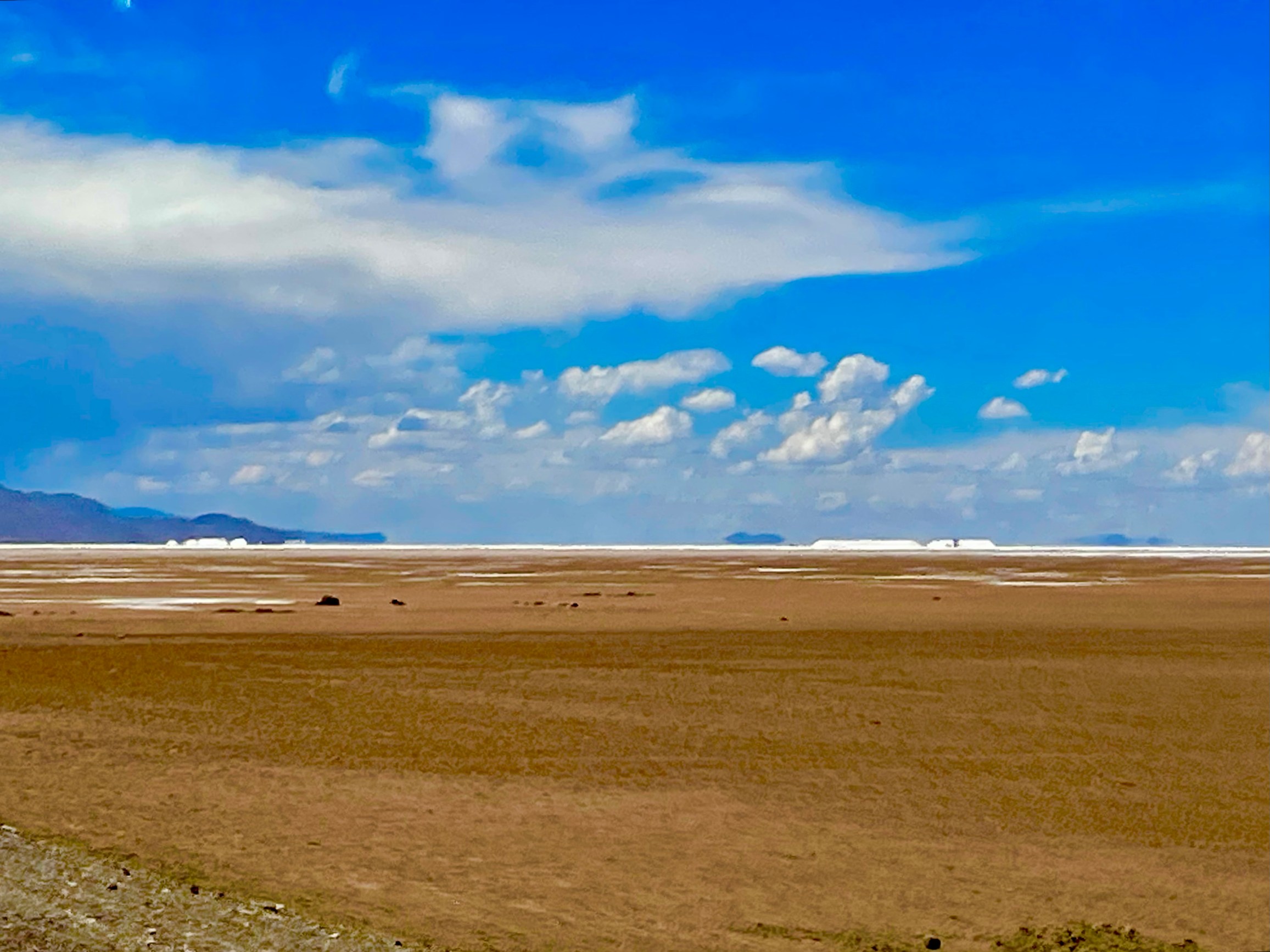
Vast salt flats in every direction above 14,000′. I didn’t need any….
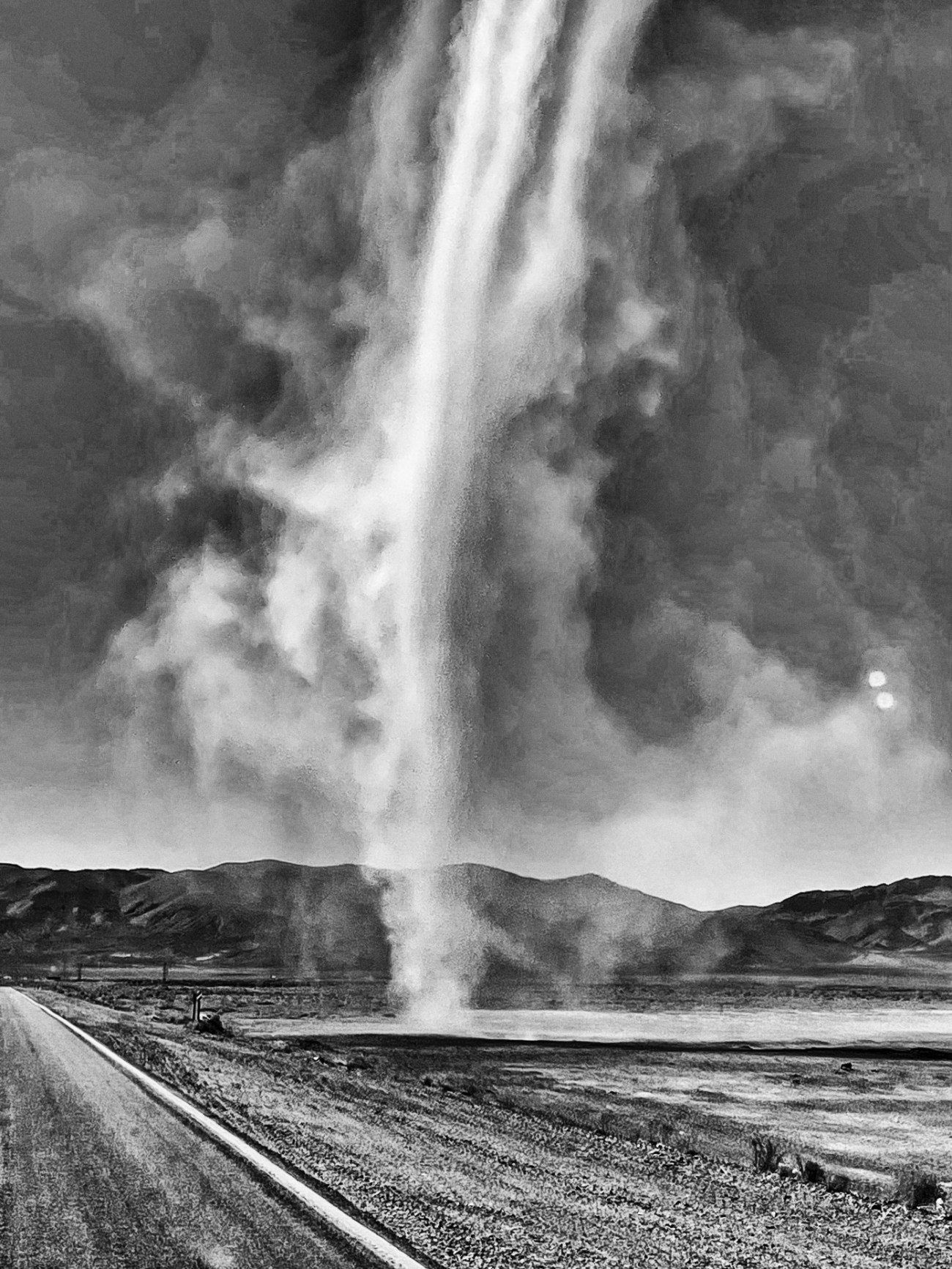
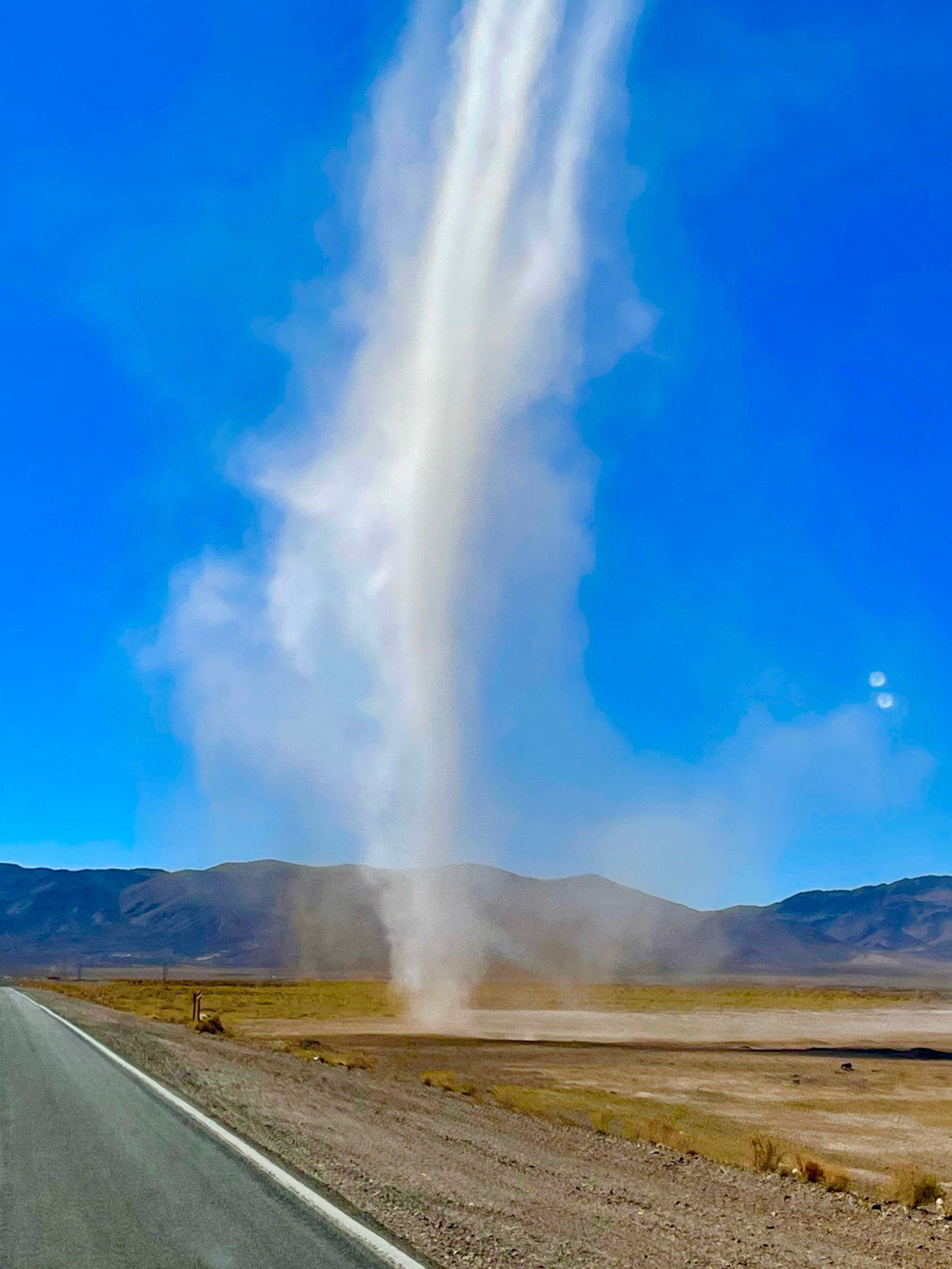
This mini twister came into view when I was about a mile away. I hoped to get a good shot of it, and realized as I kept driving that we were on a direct collision course. It totally sand blasted the camper, and I grasped a bit too late that it would have been better had I closed the windows….
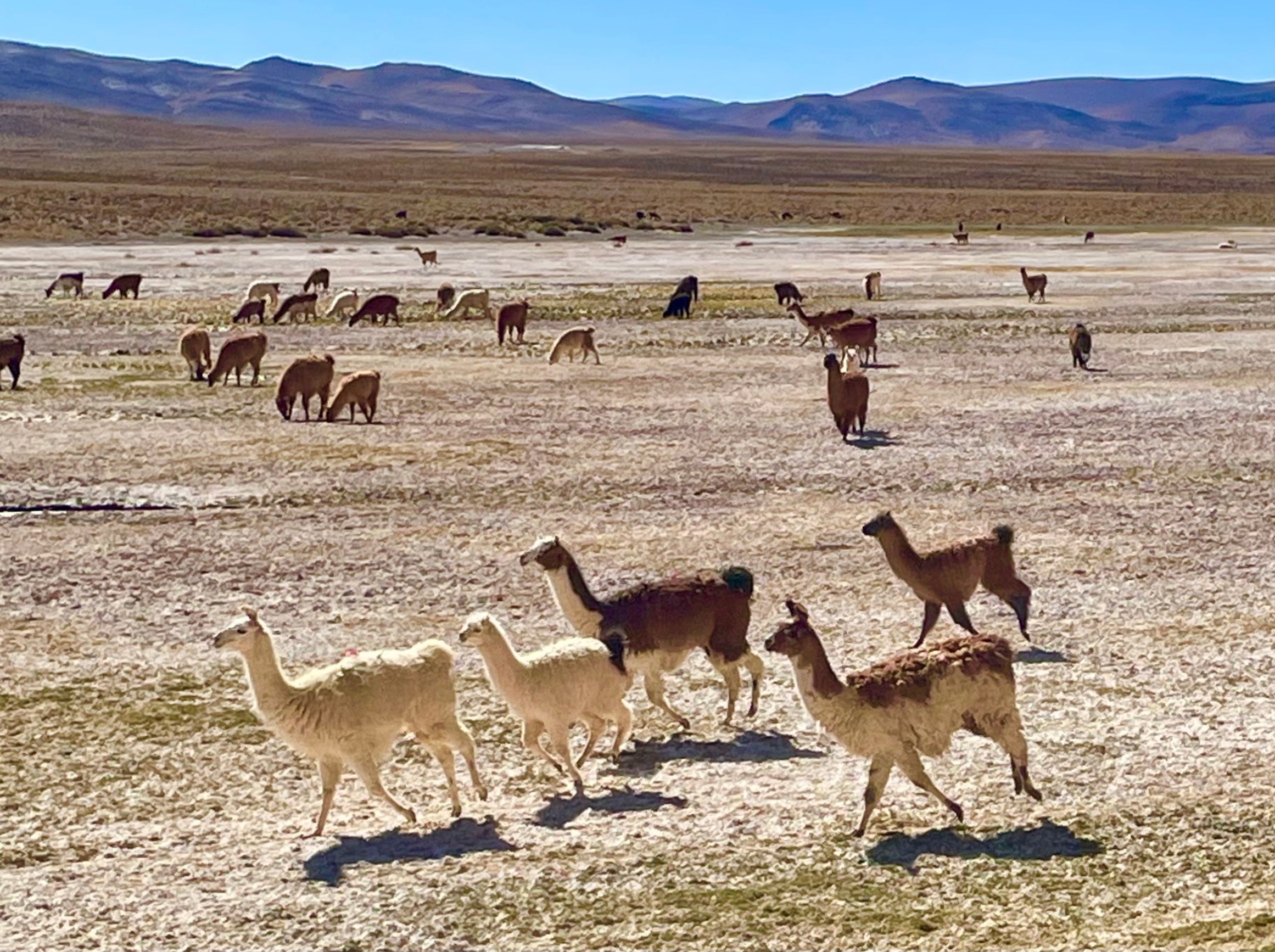
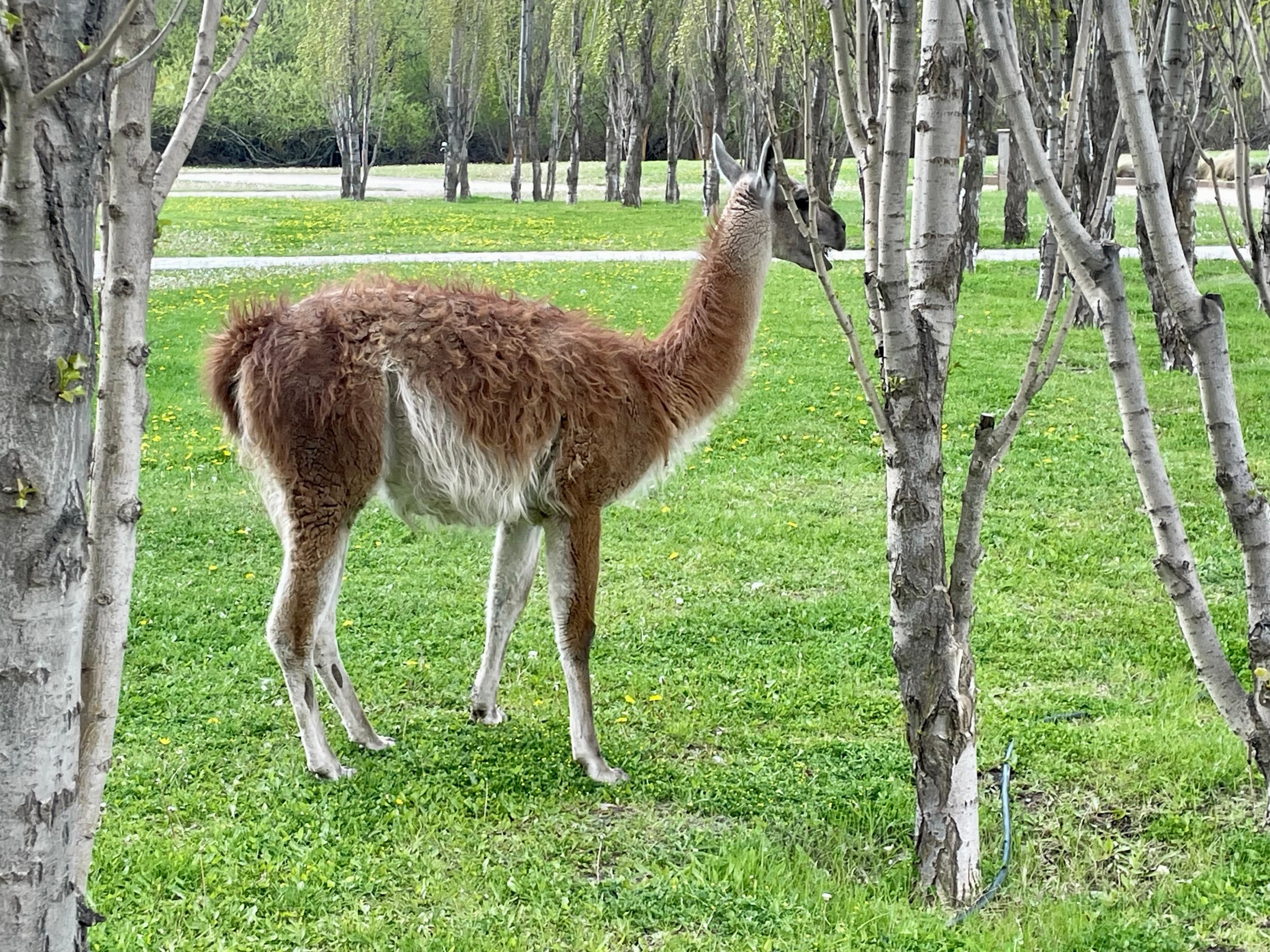
Llama, vicuna, alpaca and guanaco. All the same beast, but their names differ, depending on where they live and at what altitude. They are found in many places in southern Chile and across Argentina, commercially raised for food and clothing (alpaca is said to be lighter, warmer and more water resistant than wool – gotta run that down) and in the wild.
Pit stop. Checkin’ out whatever…
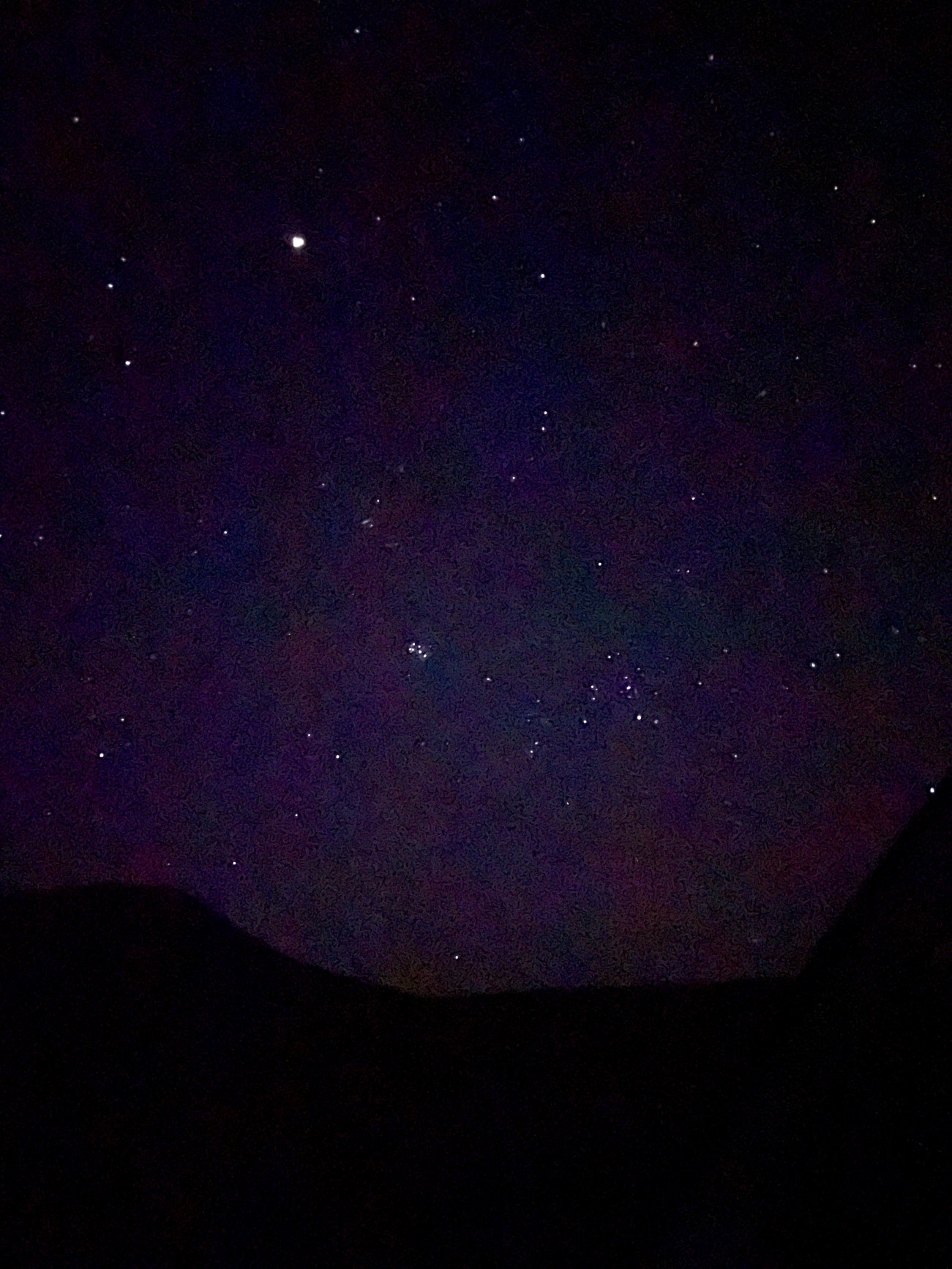
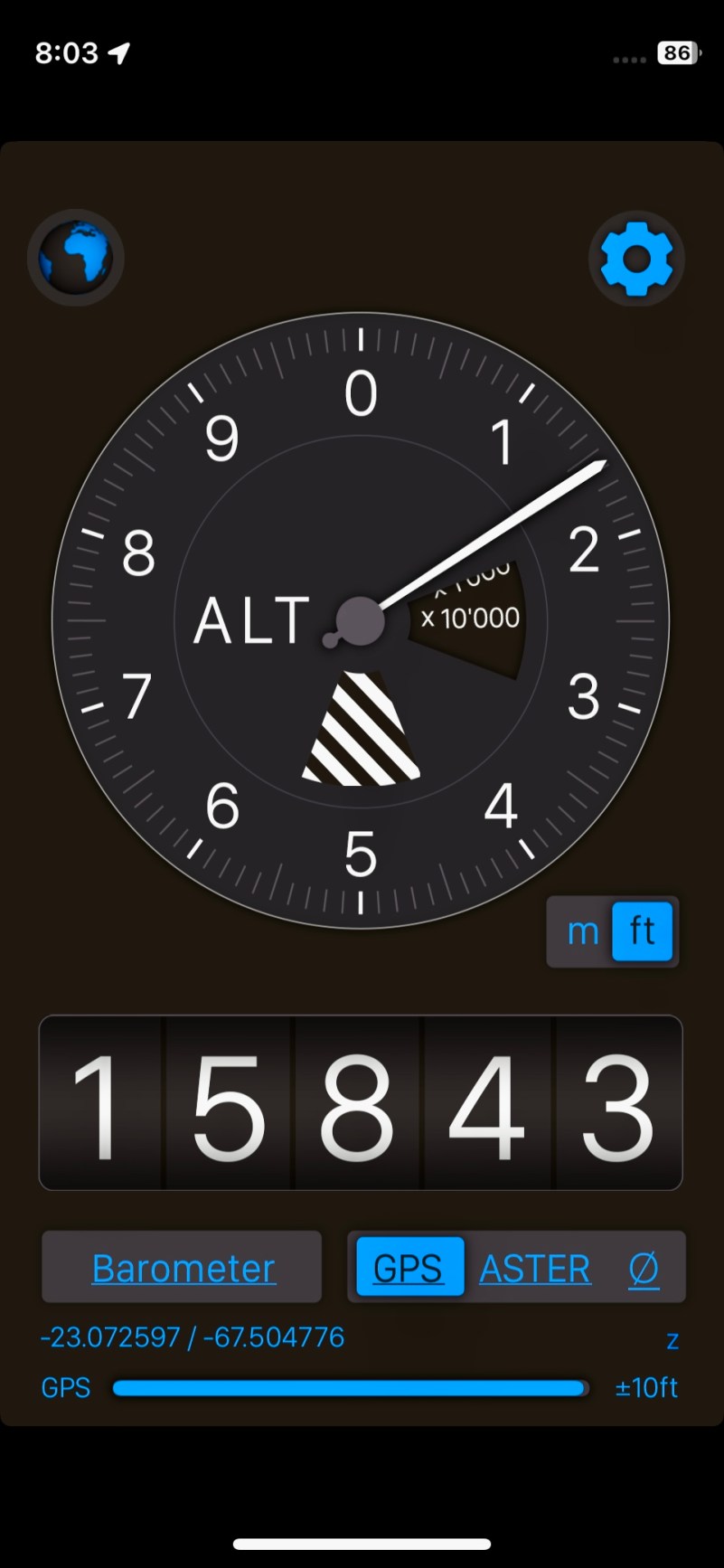
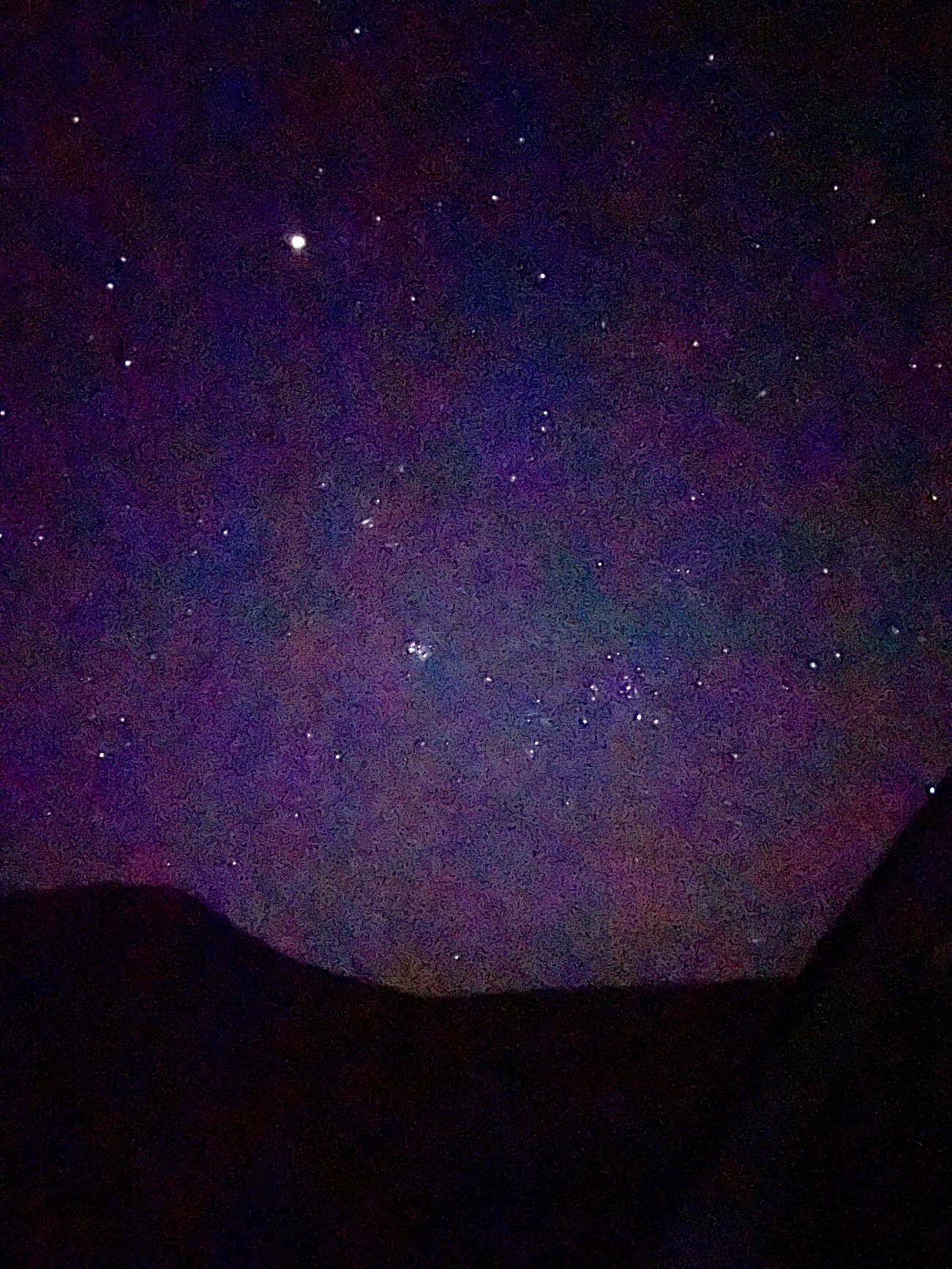
Quite the trip to be at this altitude. I was between 14,000′ and 15,800′ for around five hours en route to San Pedro de Atacama, and although I felt great, I did feel kind of buzzed some of the time. Stargazing up there was incredible. I felt the universe in a much more three dimensional way because of the incredible abundance of stars everywhere and their seemingly different depths and distances from me, which I’ve not felt at considerably lower altitudes. It was as though I could reach out and touch them. Unfortuntely, photos don’t compare with the actual experience.
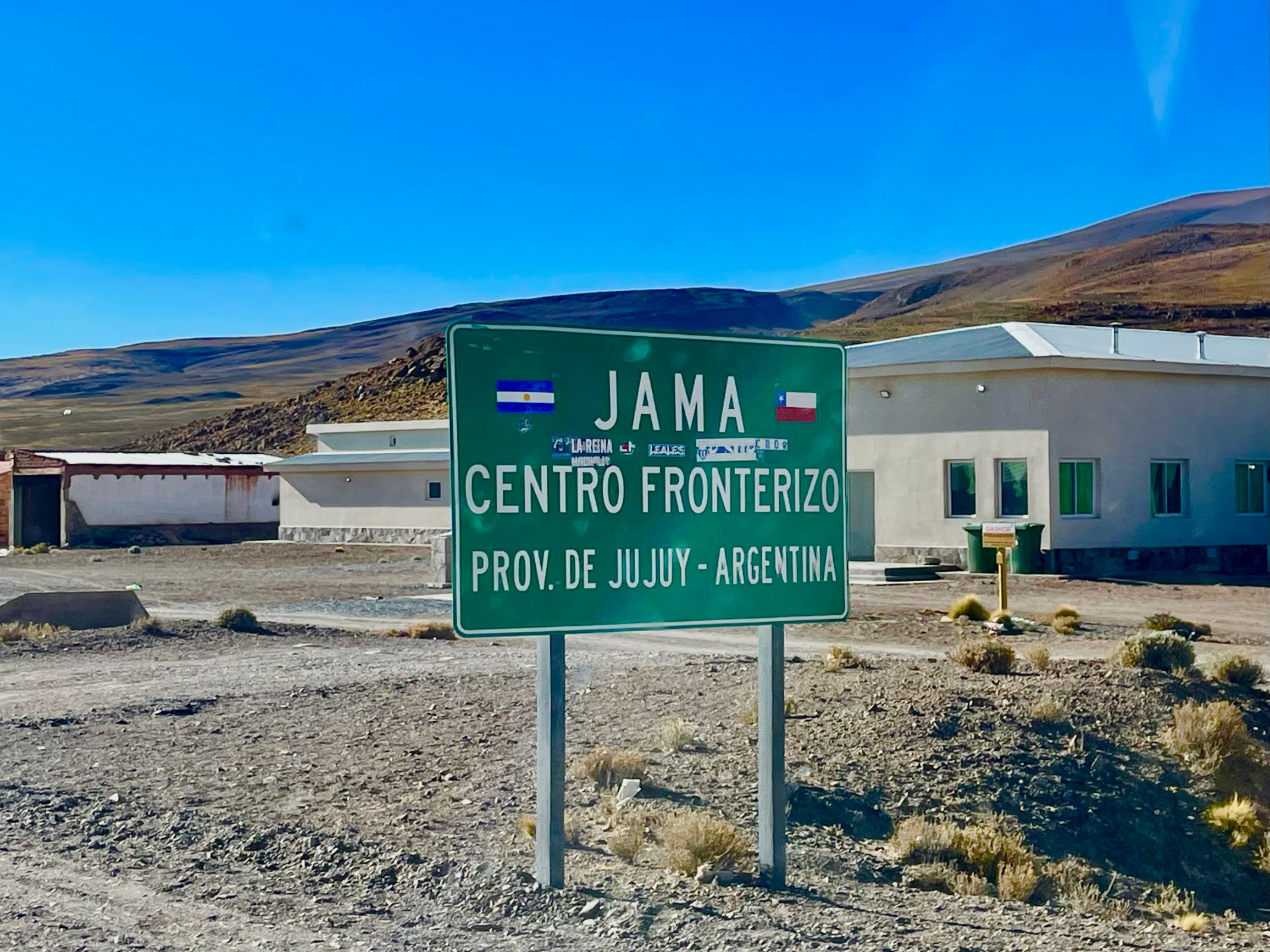
Jama Pass, leaving Argentina and entering Chile. Super high winds and very intense solar radiation.
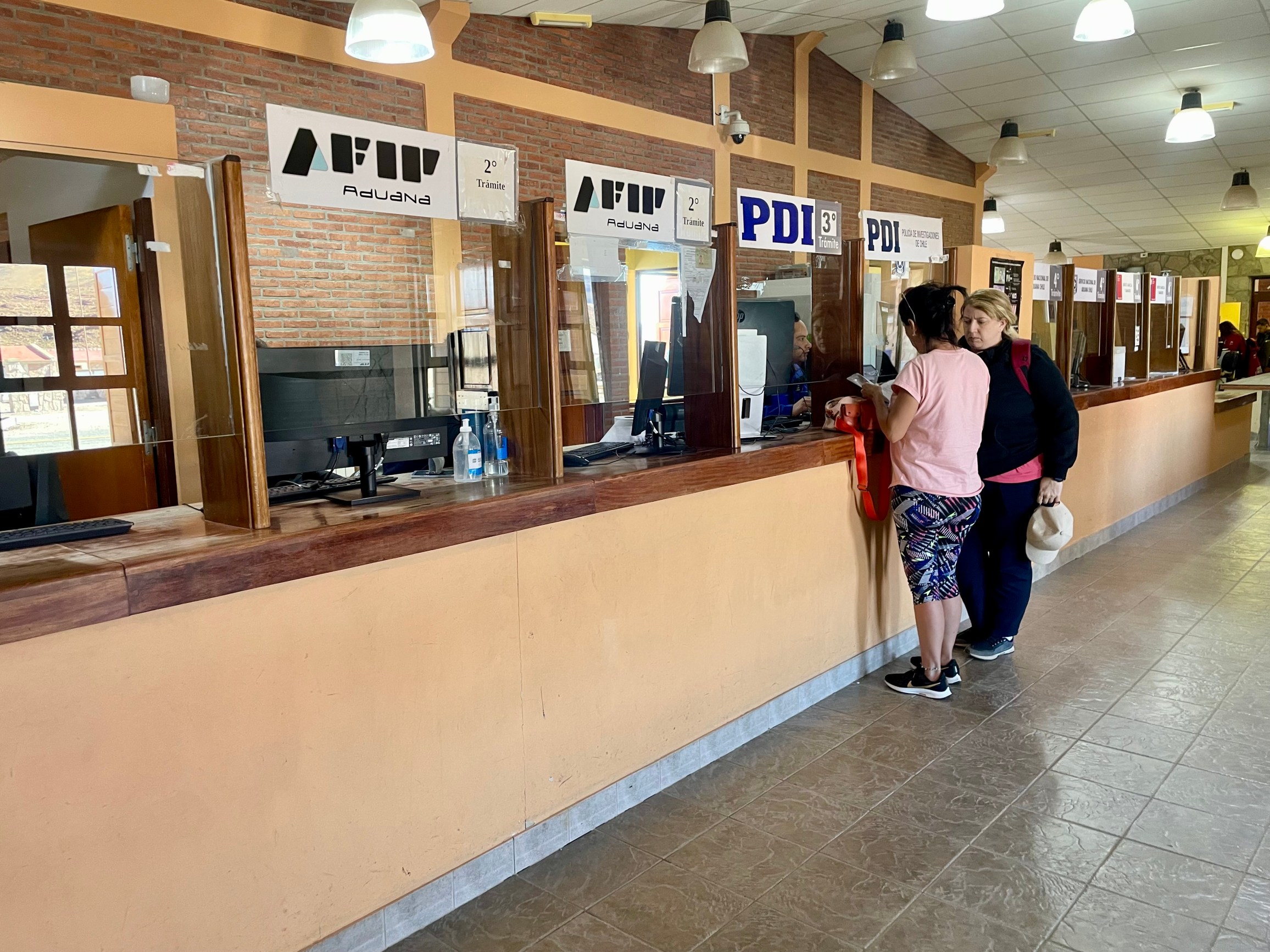
Crossing between Chile and Argentina is a silly game that takes a lot of time, showing all of your documents (including for the vehicle – a major pain in the a*s) to four or five different people, all at different desks, first to the authorities of the country you’re leaving and then to the one you’re entering 300 meters later, but hey, what are you gonna do?
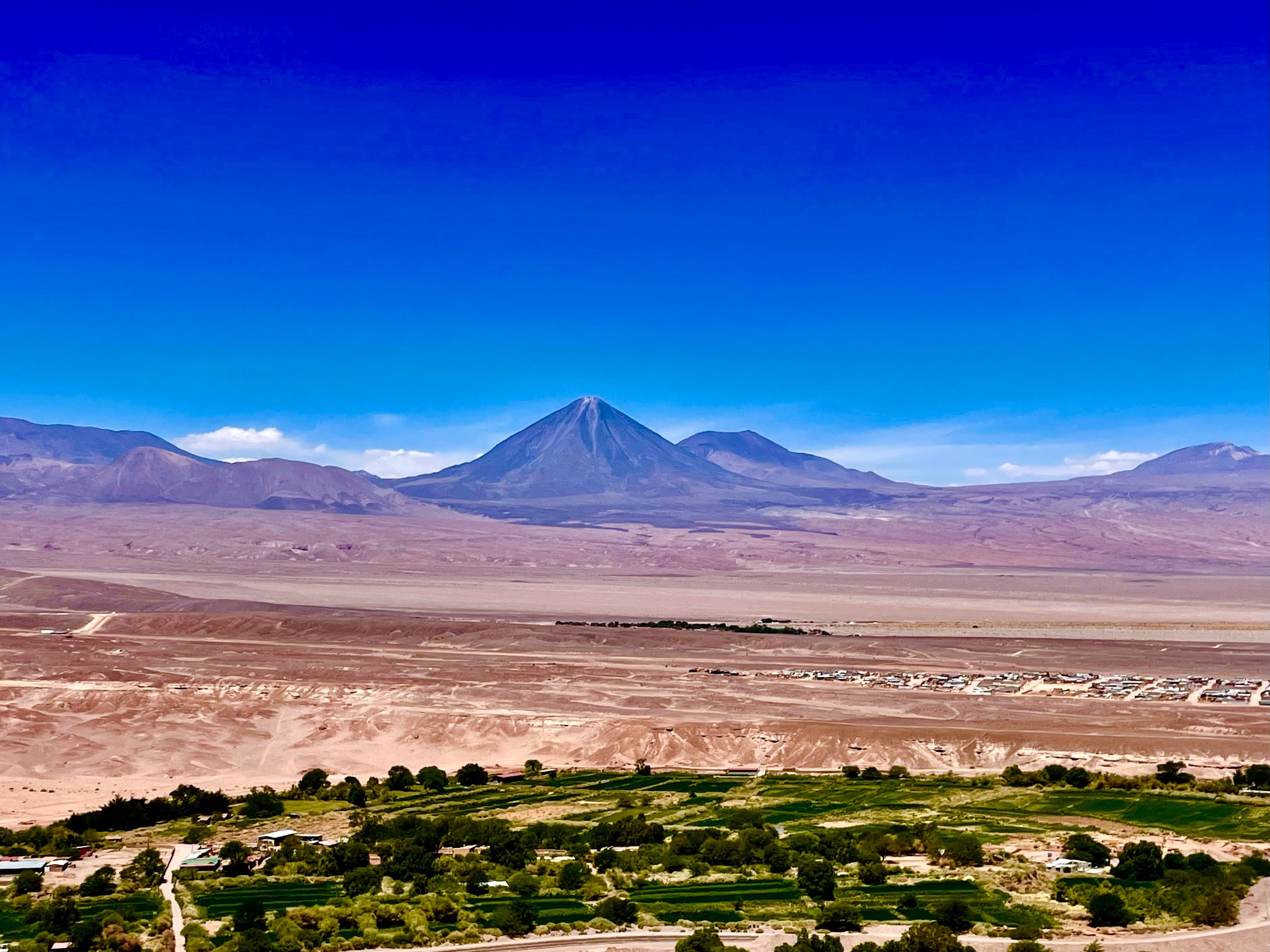
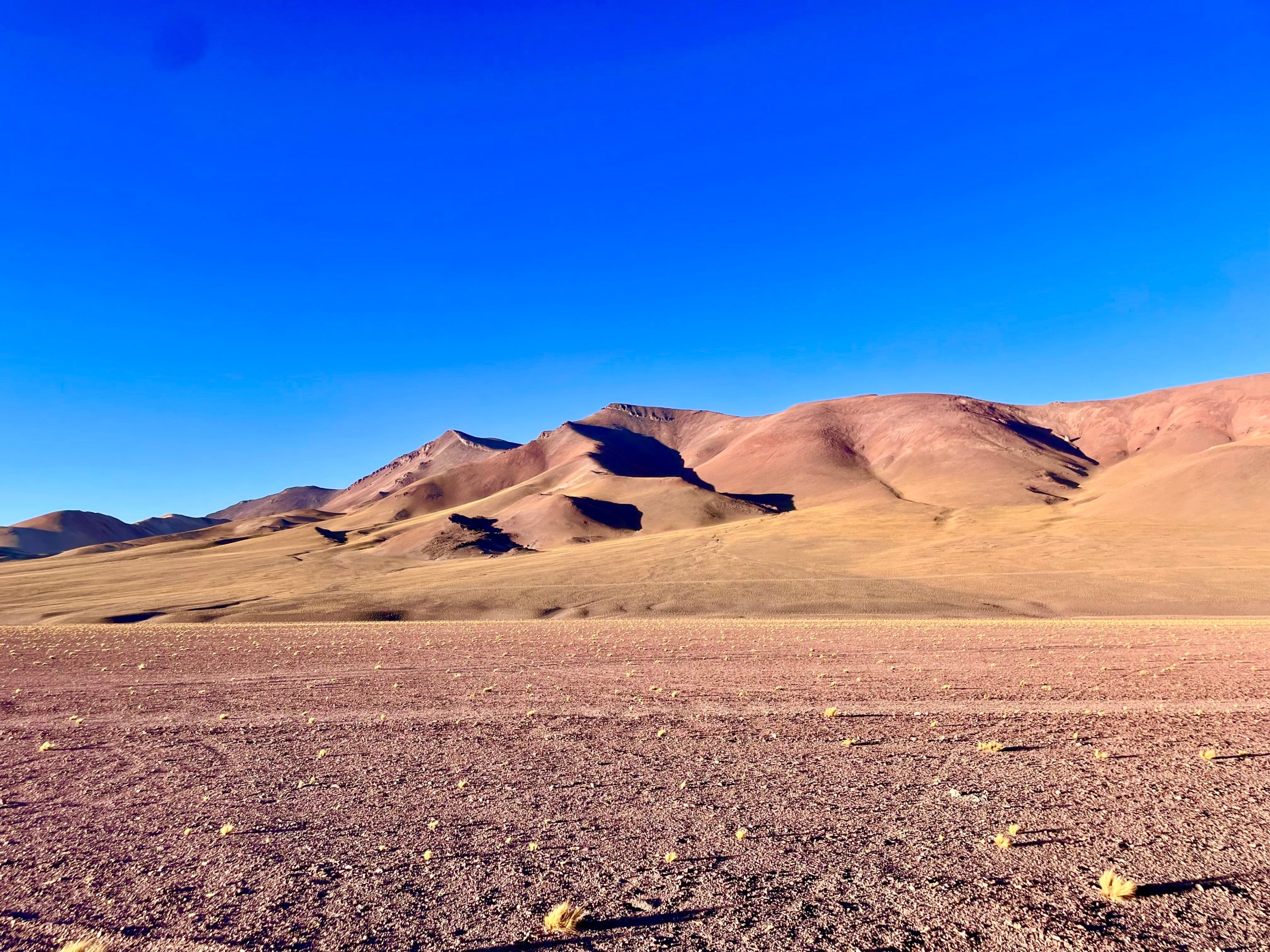
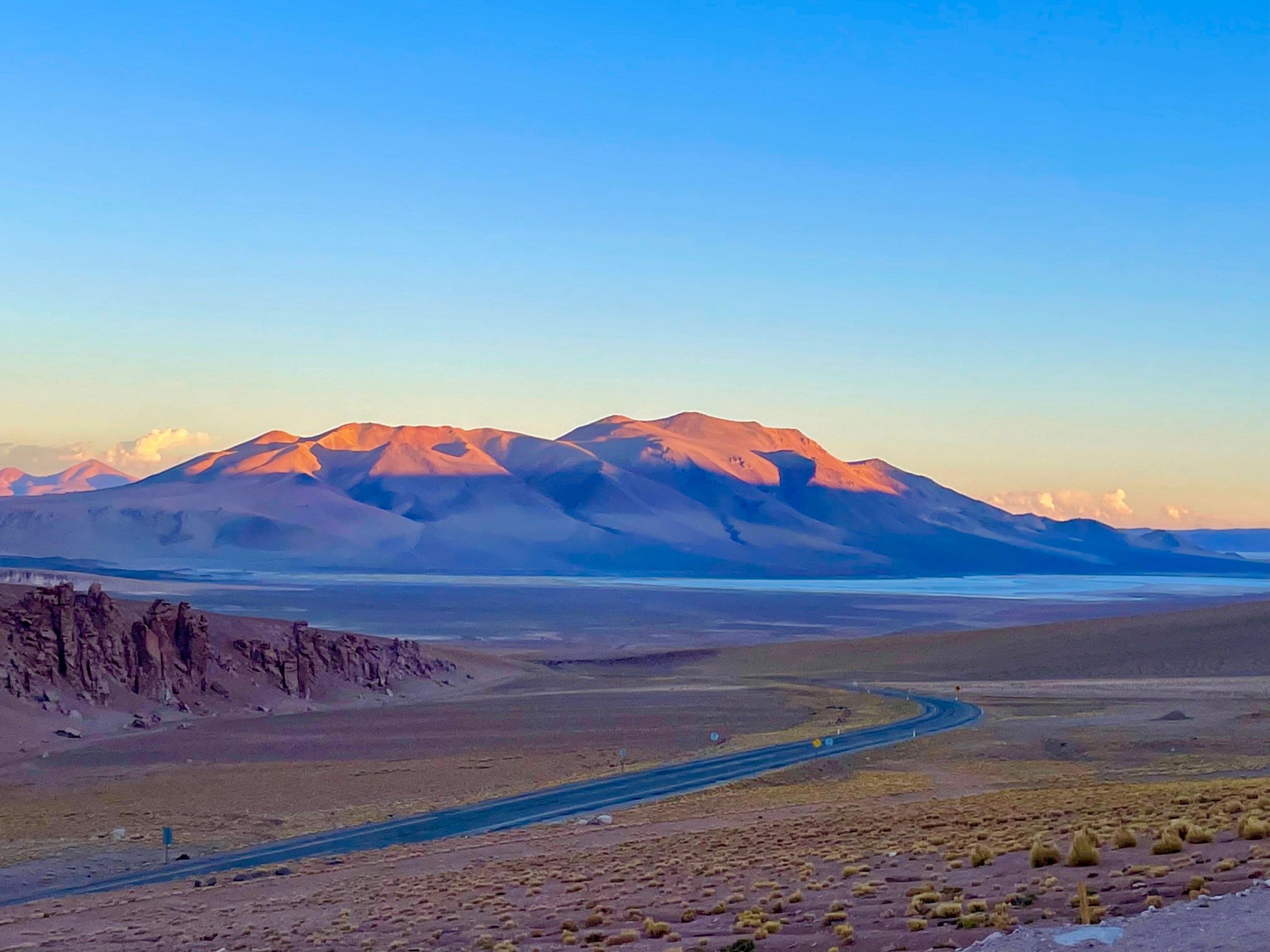
On the western flank of the super high desert, approaching the town of San Pedro de Atacama. It’s sublime.
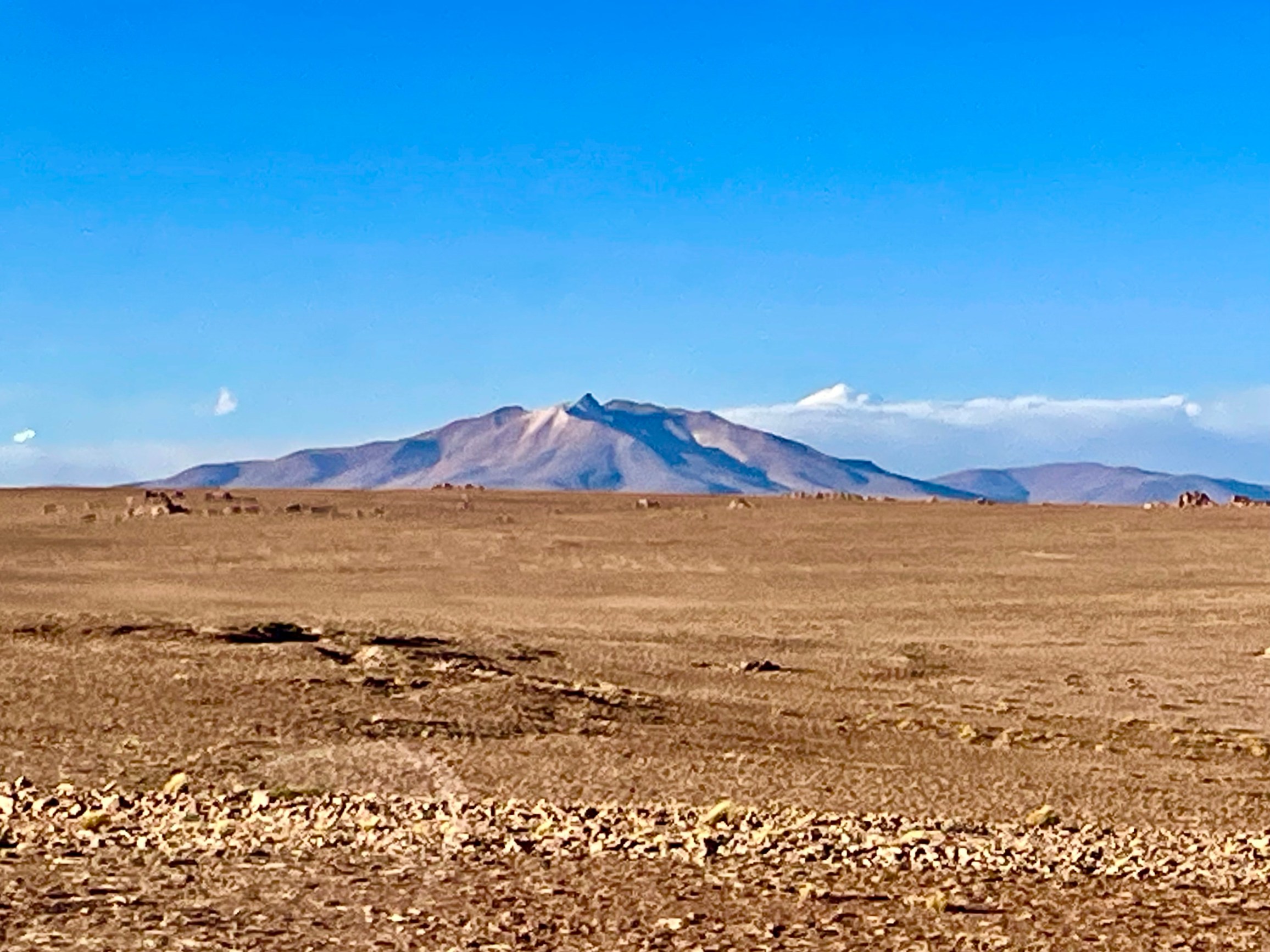
Desert scenery. So huge and pristine. It made me feel really small, which I love.
Gazing upward. Oh, my….
I’ve been in another space and time the past four days. The Atacama Desert is a world unto itself, incredibly far removed and different from anywhere else I’ve been.
Yeah – I got a little spaced out between the altitude and the ridiculous number and brightness of stars and constellations screaming at me from the night sky…
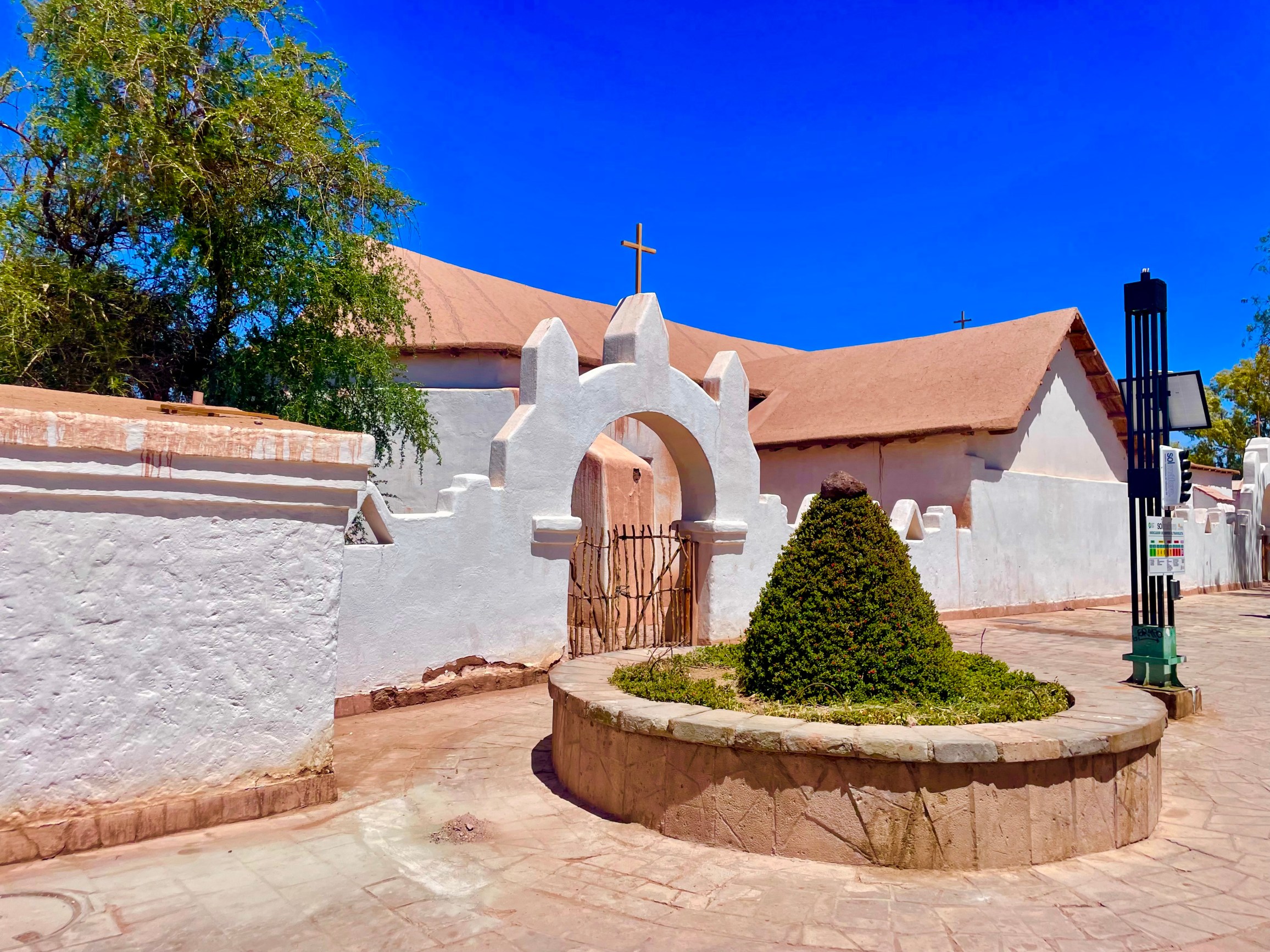
Downtown San Pedro de Atacama. An interesting place – unbearably poor everywhere but the immediate downtown, where tourist dollars have lifted folks a bit.
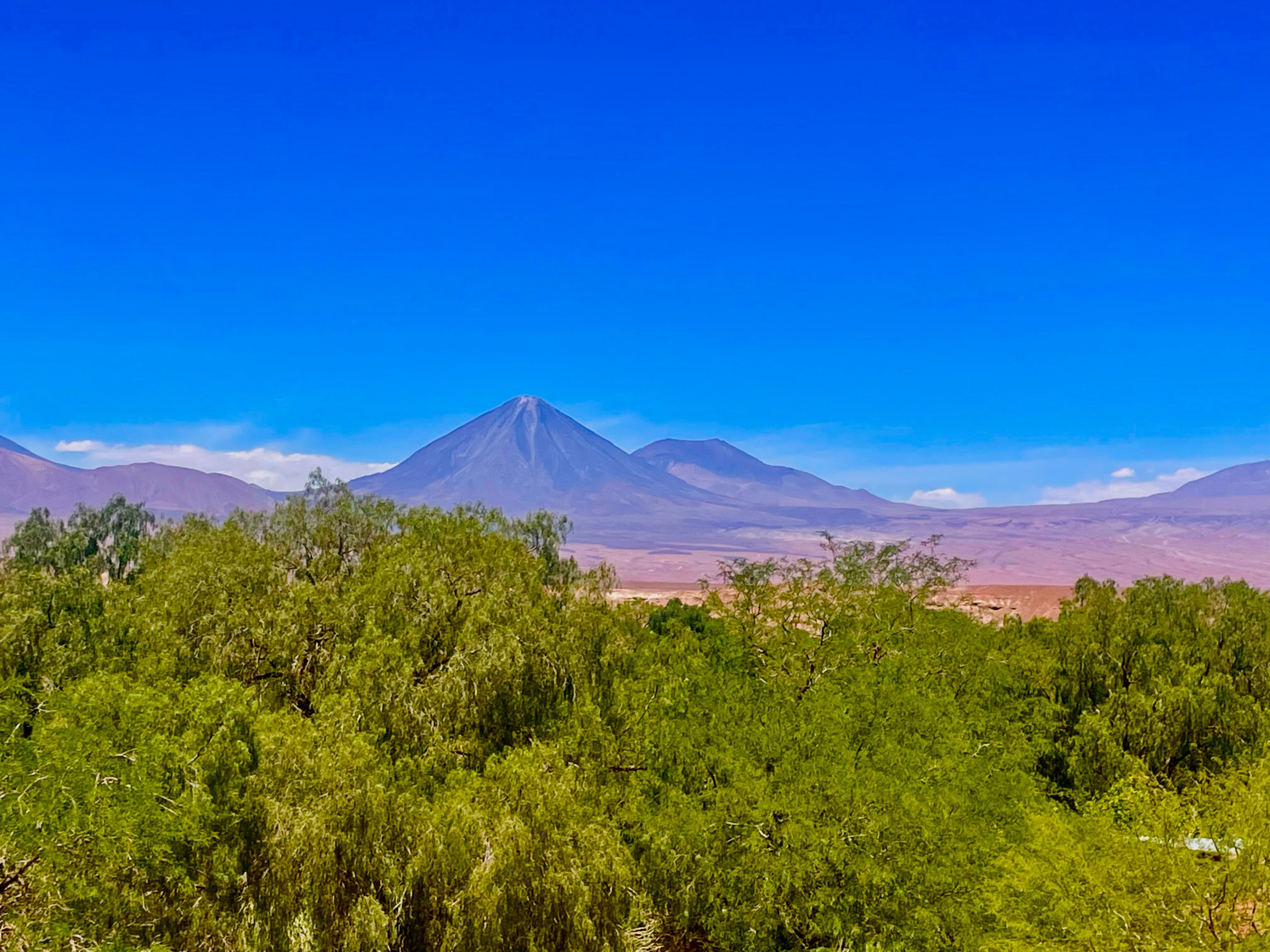
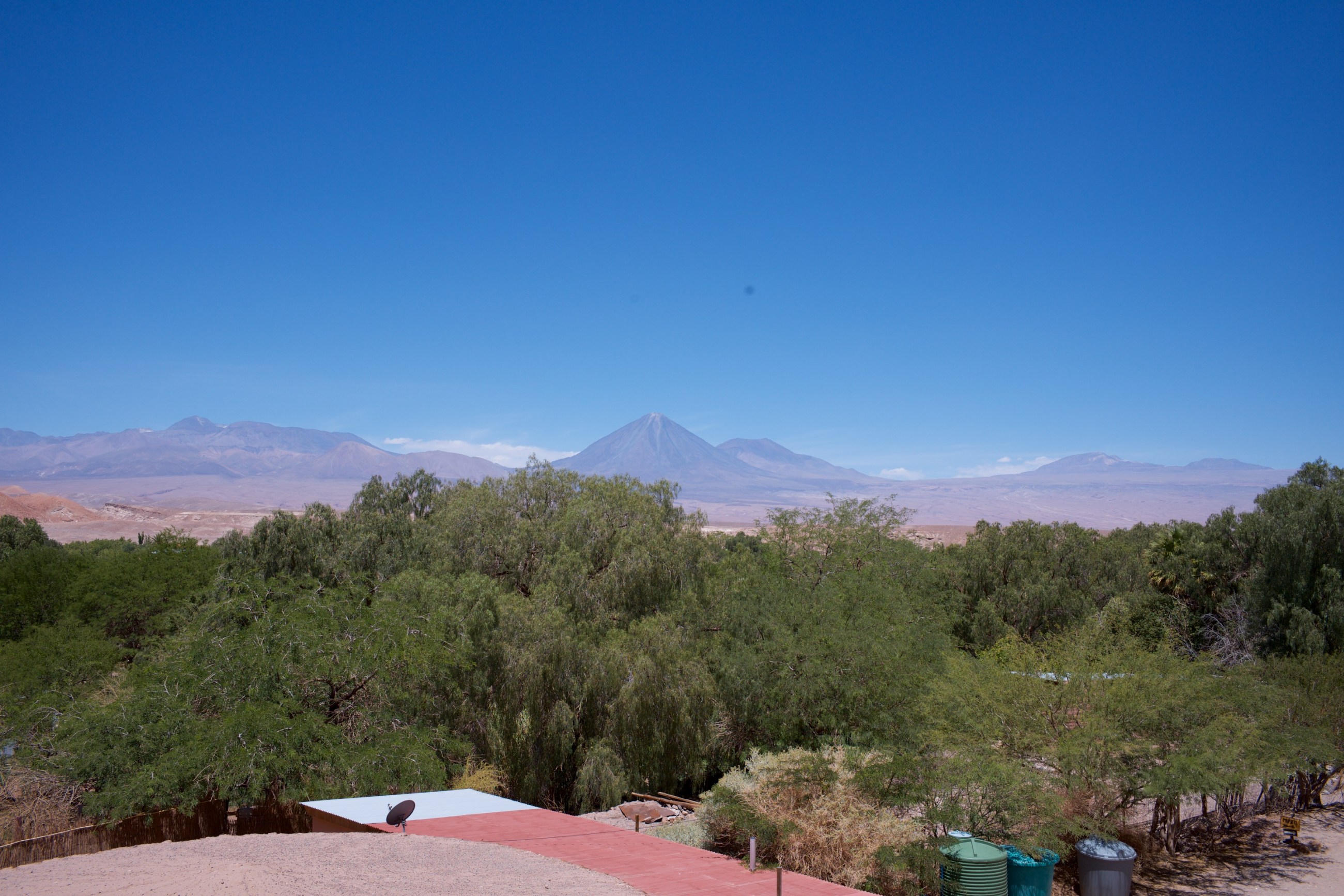
Volcan Licancabur at 19,423′, looming over the town:
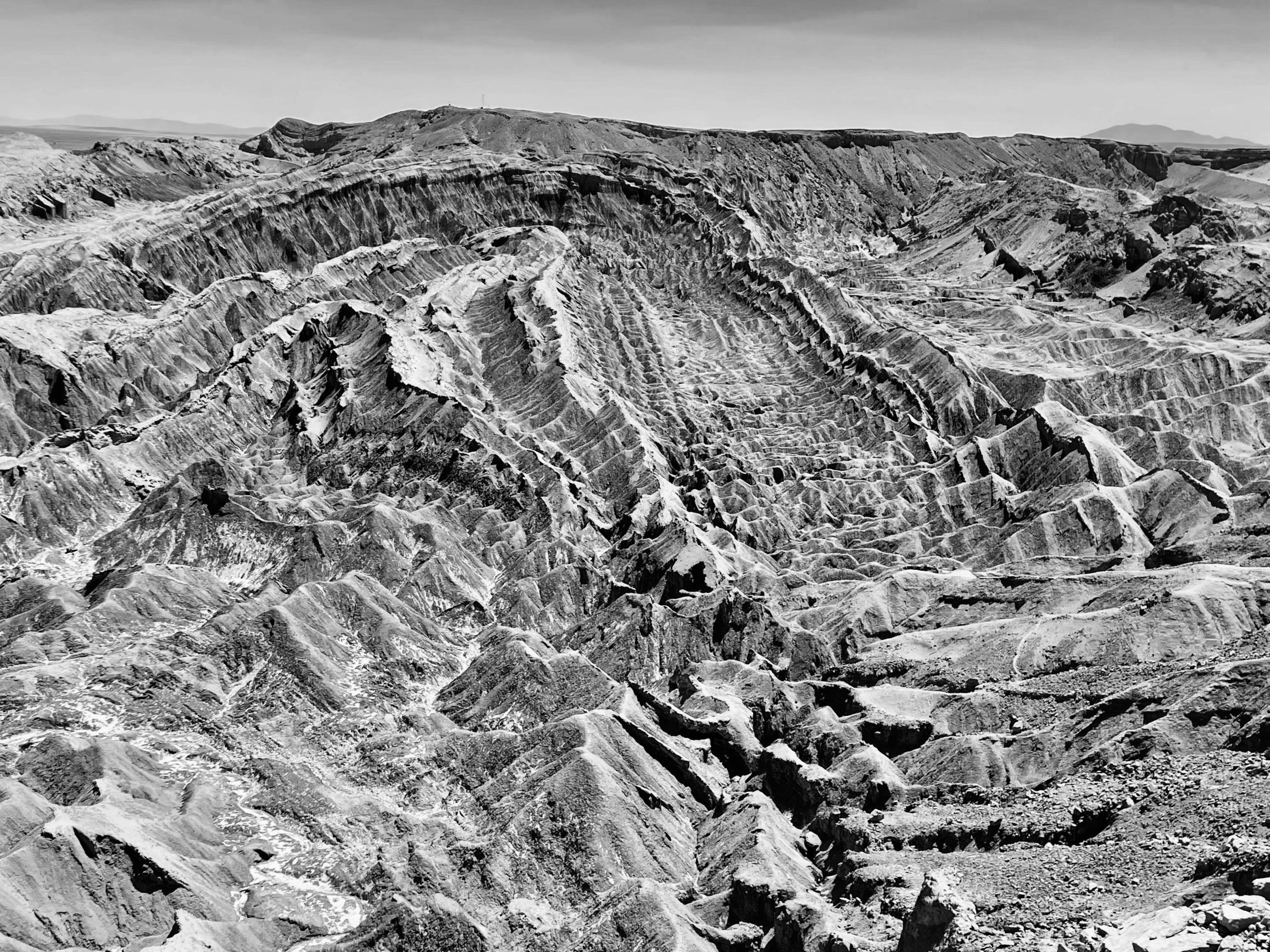
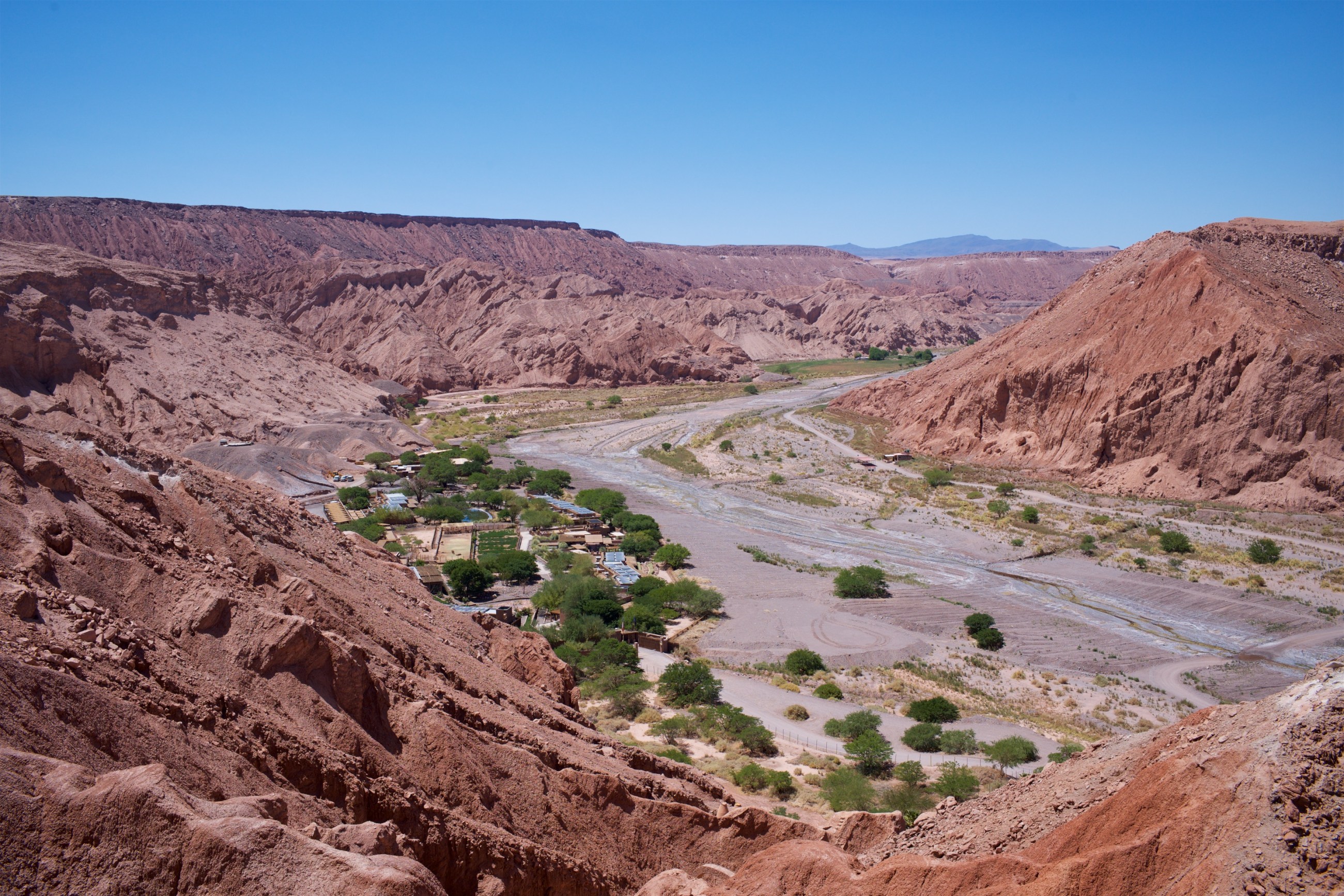
Great hike to ruins dating from the 12th century outside of town with incredible geologic formations. Hard to believe that people eked out a living here and then were attacked and conquered by the Incas and then the Spanish. What the heck was there to conquer and steal?
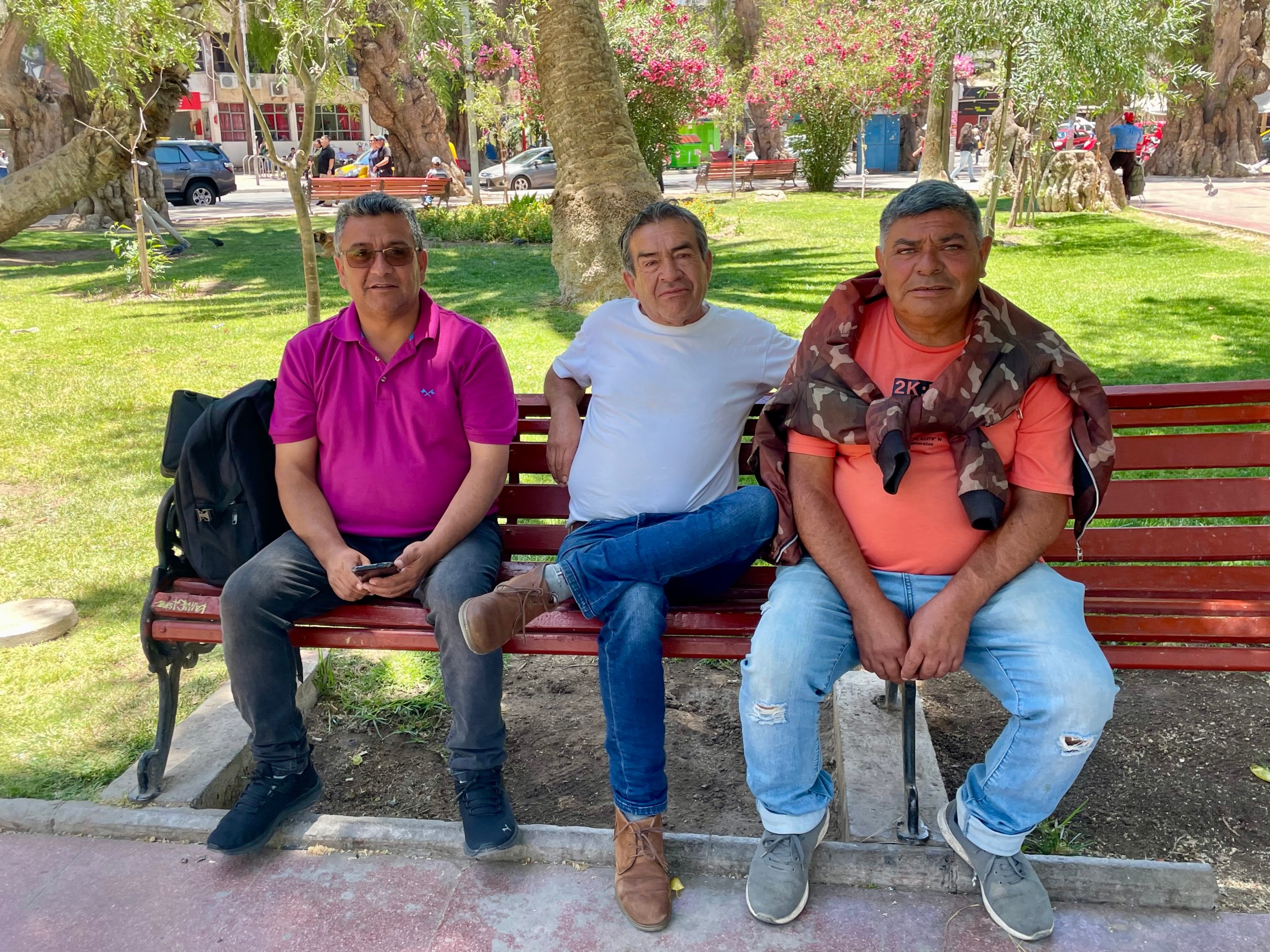
Nice guys – Whitman, Guillermo and Walter, whom I talked with in the town square of Copiapo for a bit. Los Tres Amigos…
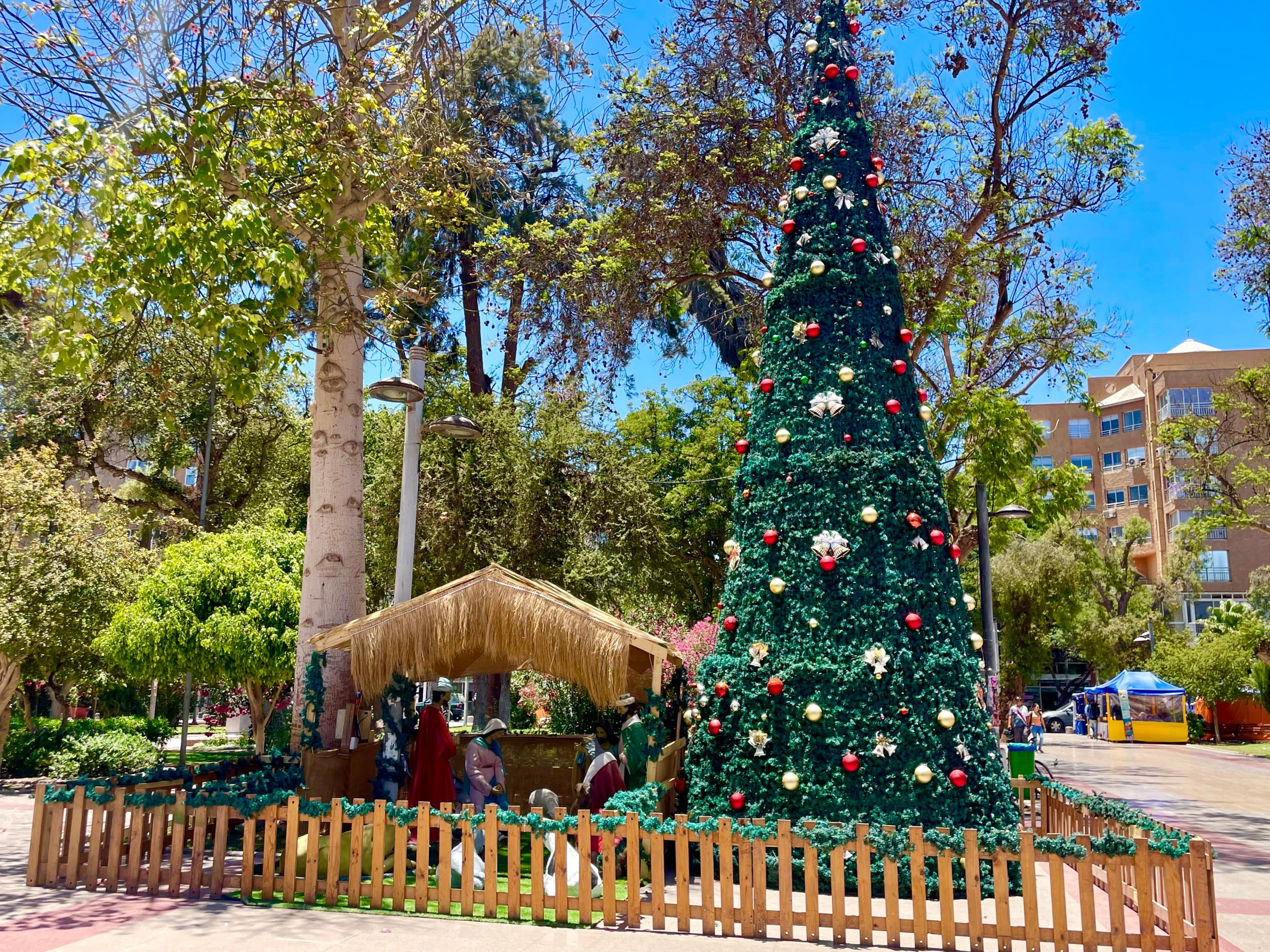
The town square all decked out, including a life sized crèche:
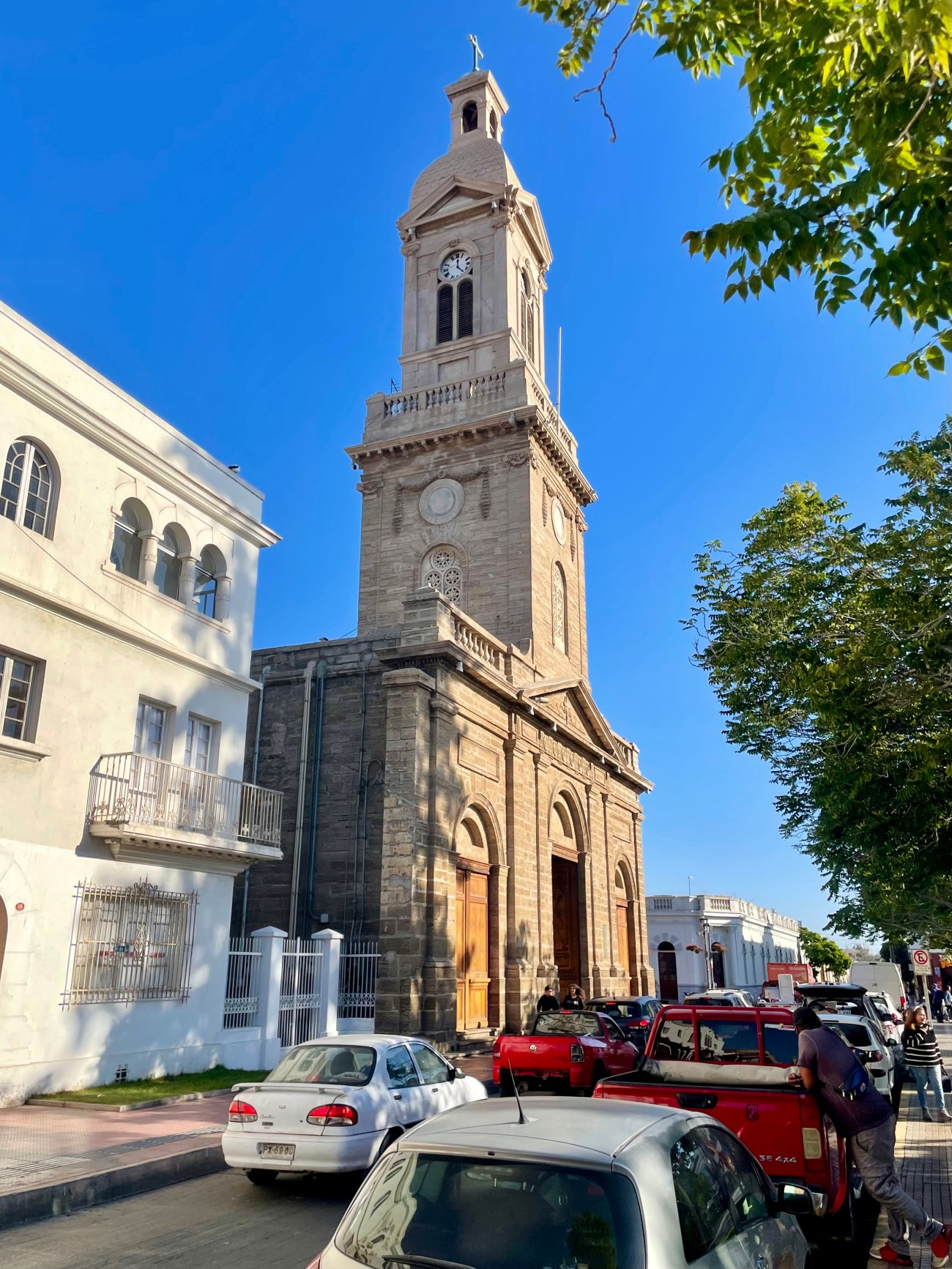
La Serena, very Spanish in history and architecture:
The only nice sight I saw in Antofagusta:
My chill habitación two nights ago:
Sebastian, who helped me last night in a La Serena with wifi (my Entel SIM card, which was great everywhere south of Santiago, is worthless up here, and I need to get a different one today), filling up and grabbing ice at the local gas station. Big change from Argentina, where gas costs around $1.20 a gallon and Chile, where it costs about what we pay in California. Great kid – very personable and smart – he’s from Columbia and is traveling to see other parts of South America.
Some random thoughts and observations with five days left in the voyage –
I’ve dreamed in Spanish several times in the past two weeks – including a very long and interesting one the other night Very cool.
The people in Chile and Argentina are all super nice, friendly and chill. The German presence in southern Chile, with many Nazis and their sympathizers having fled there after WW II ended, left me a little creeped out though. Not that I saw anything bad there, but the fact that Chile (and Brazil and Paraguay) opened their arms to those folks leaves me slightly disturbed. Realpolitik, as Henry Kissinger would say…
Northern Chile west and south of San Pedro de Atacama is a dystopian wasteland – truly God forsaken country – where extracting the earth’s minerals and resources trumps all else. In essence, it’s an absolutely enormous garbage dump. There is nothing redeeming for hundreds and hundreds of miles. Calama, a mining town, was actually scary visually – the Earth was destroyed in every direction for as far as I could see. Antofagusta is also absolutely horrid, although it’s on the ocean. I saw people lined up to get water from trucks everywhere – this in a city of 400,000 people.
The poverty in both countries is really disturbing and disheartening, especially because there are some incredibly wealthy folks in both who have cornered the copper and natural resource industries. Hmmmm… – reminds me of the good old USA, with finance and tech in their places…
A landscape quite similar to that west of San Pedro de Atacama is likely what awaits us on Mars or elsewhere, without the benefit of being able to breathe their atmospheres or venture outside without being bombarded and laid to waste by solar radiation. Why would anyone want to live there? Elon – what are you smoking? How about spending some of those billions on keeping the Garden of Eden we were given for free, with no mortgage, clean and habitable?
Entering from the east at San Pedro de Atacama, where I did, meant that the desert stretched north and south forever. Quick escapes are impossible, and the desert’s staggeringly large scale is humbling – it completely overwhelms the senses. Nevada would appear by comparison as lush and verdant – and as small – as Vermont. There is absolutely no vegetation in every direction forever.
I arrived in La Serena yesterday afternoon. It’s an interesting city on the coast, with many Spanish buildings and influences. A little European after countless shanty town pueblos. I cut out after dinner, as I’m not a fan of cities in general, to hit Vicuña, forty miles inland – where I am now. It has countless vineyards and, more importantly, four astronomical observatories within spitting distance (Chile is the world’s best place for astronomical observation because of the atmospheric purity and Andean altitudes), and I have a visit scheduled tonight at Centro Astronomico Alfa Alde. I told them I’m an astronomer and astrophycist (I am, kinda…) to get in on such short notice – hah hah…). Can’t wait to check out their telescopes and the skies here.
The Village square in Vicuña. Boo:
I’ll check in again before wrapping up the trip. Caio para ahora.
Well, I’ve trucked through quite a bit of Chile and Argentina during the past four plus weeks (I’ve driven over 7,000 miles with 2,000 +/- more estimated by trip’s end), with two more to go, so I thought it might be a good time to look back and share some observations, thoughts and vibes about everyone and everything I’ve seen, met, experienced and tasted so far, in no particular order.
The trip has taken on a dream state quality now, with time stretching behind and in front of me quite elastically. The idea of pinning precisely where I am on the timeline now escapes me. Very cool feeling.
Despite what they’d like the world to believe, both Chile and Argentina are third world countries. I don’t mean that in a pejorative sense, but they’re both quite poor and undereducated. People have very little materially in both countries (excluding the large cities), but they’re really friendly, helpful, kind and nice everywhere I’ve been. I’ve also felt completely safe the entire trip, regardless of where I was and the time of day or night I’ve been out and about and in my camper in the middle of nowhere tons of nights. The people here have virtually no attitude. Everyone is, as they like to say, tranquilo.
The major differences in geography and scenery are that Chile is wetter, lusher and more forested, with a much more varied coast (including countless fjords down south), as it is on the windward side of the Pacific Ocean moisture and storms that move through and over the Andes from west to east. Mountains – forested in Chile – are for the most part bare and rocky in Argentina. Argentina is to me very much like Nevada across much of its breadth. If I’d been blindfolded and just dropped in, I’d assume that I was in fact in Nevada in many of the places I visited there.
I wouldn’t drive to most places I visited in Argentina – I’d fly – because the distances and scenery to get to the cool places are enormous, mostly featureless and boring, and thus could easily be avoided. They taught me, however, just how frickin’ huge Argentina is. It’s a beast if you tackle it overland, as I have. I’m glad I did, but I’ve also been somewhat enlightened in doing so. The drive from Perito Moreno to San Martin de Los Andes, where Los Siete Lagos end, was fantastic though and not to be missed. In audition, El Chaltén and El Califate, with the Perito Moreno Glacier, were absolutely unreal.
Argentina’s roads, so incredibly bad south everywhere of Mendoza, magically became terrific once I got there and headed north yesterday. Hallelujah. That has been an unbelievably huge plus and relief personally, as they were beyond horrible up till then. Amen, and I’m hoping the great conditions continue as I head further northward and then back westward into Chile to check out the Atacama Desert before turning south and flying out of Santiago.
I’ve come up with a personal theory on the hugely varying – and crumbling – road conditions in Argentina. I think that there’s game playing / scamming with contractors and local or provincial officials in all those places where the roads stink. They receive the specifications for road construction, bid and are awarded them, and then the roads are built and fall apart. I think that the contractors and municipal folks are using inferior materials and not meeting required specifications for proper materials, road bed depth and all that fun stuff and are lining their pockets with what’s not spent. Just a theory, but there’s no way that those roads were properly spec’d, constructed and maintained. None. I remember the former mayor of a mid-sized Mexican city who owned a really large home and property in New Canaan when I lived there, and his annual salary was almost certainly well south of $25,000. Do the math…
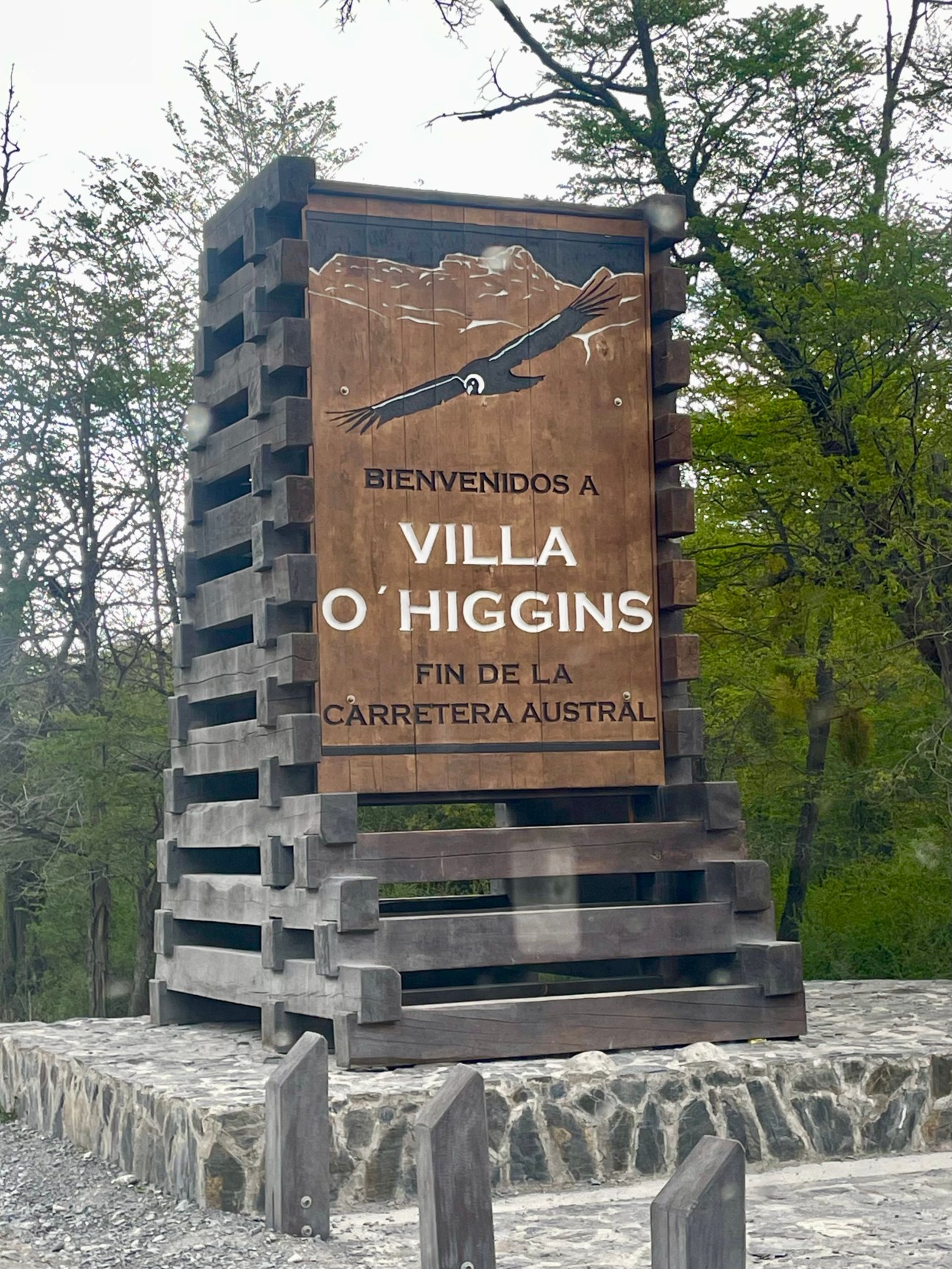
Chile was, for the most part, spectacular and ever-changing in its quite narrow ribbon of landmass. It ranges in width from 240 miles at its widest to only 28 at its narrowest. Wow. The diversity of terrain there is pretty amazing, especially once you get south of Puerto Montt, where the unpaved 1,280 km Carretera Austral begins (which I drove to its very end in Villa O’Higgins, where glaciers and fjords prevent roads from venturing further south). It is wild in its weather and territory. I experienced around ten straight days of rain there (although it didn’t rain all day each day), but it made those days mystical, so all was groovy.
Argentina just elected a new right wing President. Four decades of Peronista liberal largess have pretty much destroyed the economy, so people were ready to roll the dice on an inexperienced outsider (just like we did in 2016). I wish Argentina and President-elect Milei much luck. He’s got a really tough road ahead of him and I don’t envy him or his government to be.
If you have US dollars in Argentina, everything is pretty much free. Though the official exchange rate (last time I checked – it changes daily) is approximately 330 to the dollar, I’ve been getting over 820 using a credit card (money exchangers on the street offer over 1,000 Argentine pesos for US cash). There’s no reason to have Argentine currency, as it depreciates daily, and virtually everyone accepts credit cards here. Gas costs around $1.30 a gallon – crazy with oil at around $80 per barrel . My gain, however, is the Argentine peoples’ loss. They earn money in pesos, which if saved, crumble before their very eyes with inflation running at 140% this year to date. Yikes – and we complained mightily when ours hit 8%…
Anyway, the trip so far has been a trip – really fantastic in so many ways. The people are what always stay with me after a trip ends, and the warmth and sincerity of Chileans and Argentines is just wonderful.
Now onto some visuals of the past four or so days, which included Cerro Aconcagua, the tallest peak in the western and southern hemispheres at 22,837′. It’s just gigantic, and I got up close and personal with it yesterday, trekking and getting dazzled by its size and grandeur.
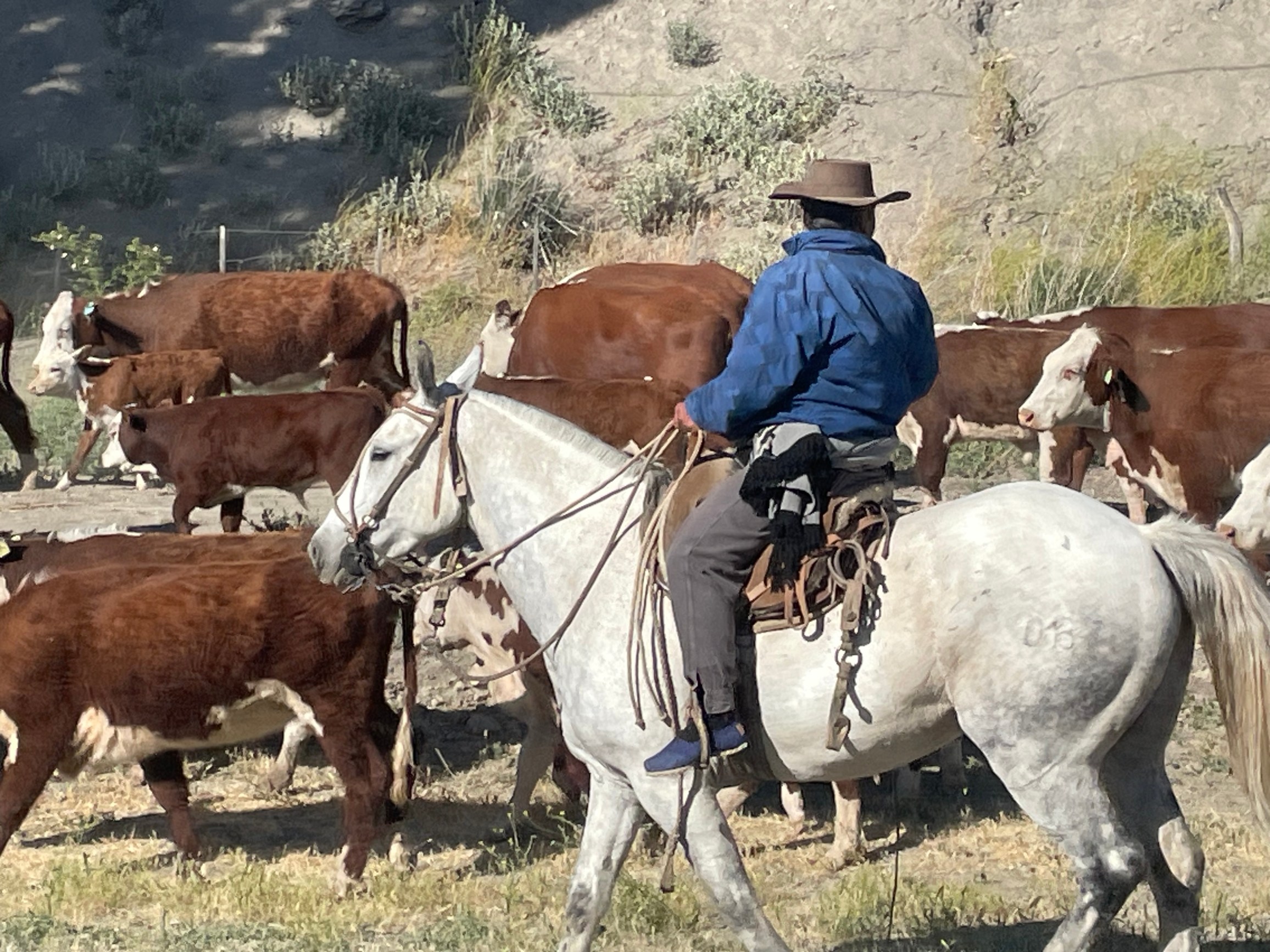
Gauchos are everywhere and they’re really friendly:
Moonrise at 11 pm on the road:
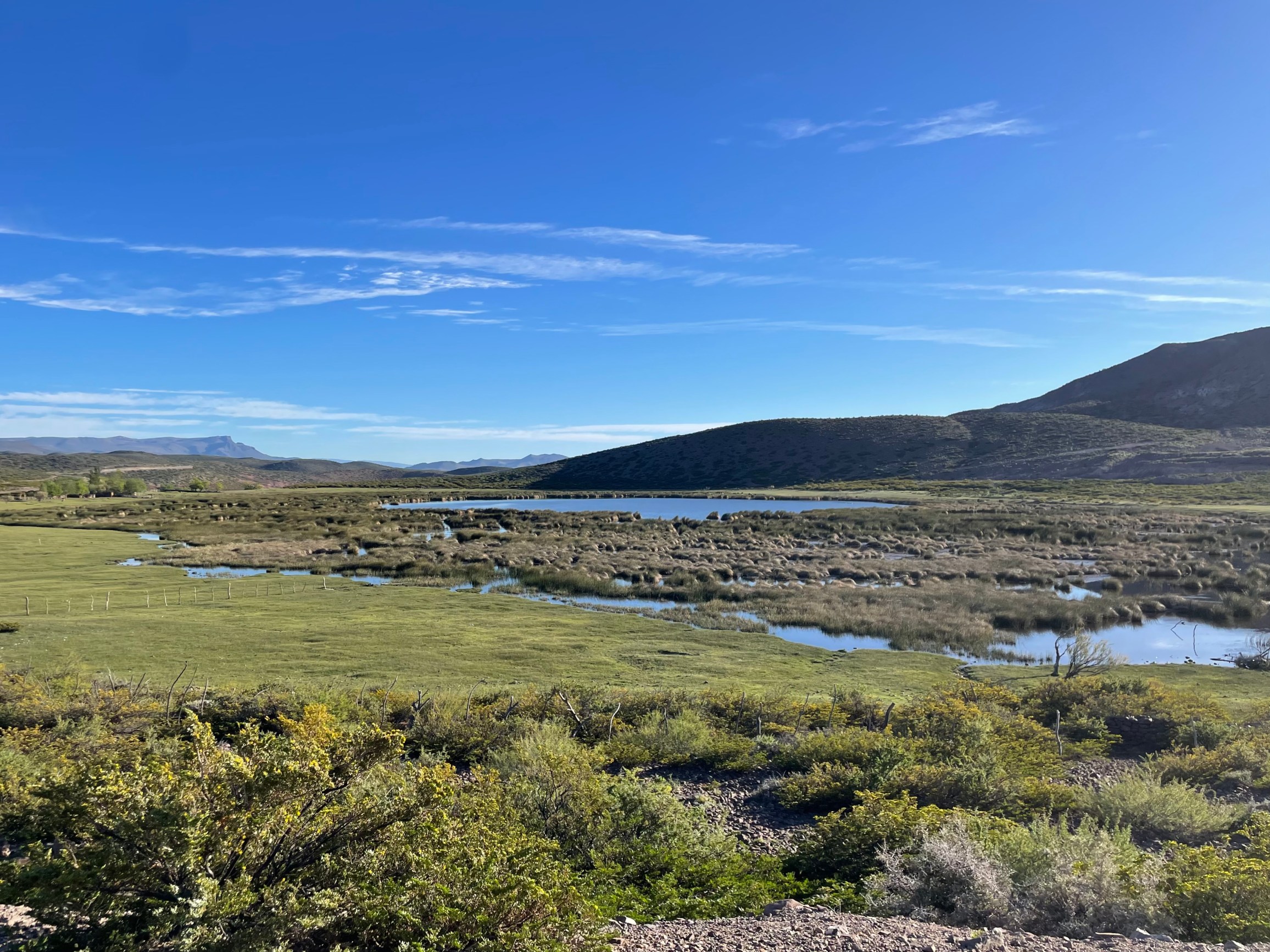
My campsite two nights ago. Lots of cows mooing all night, but beautiful and lush (I didn’t know that till I woke up):
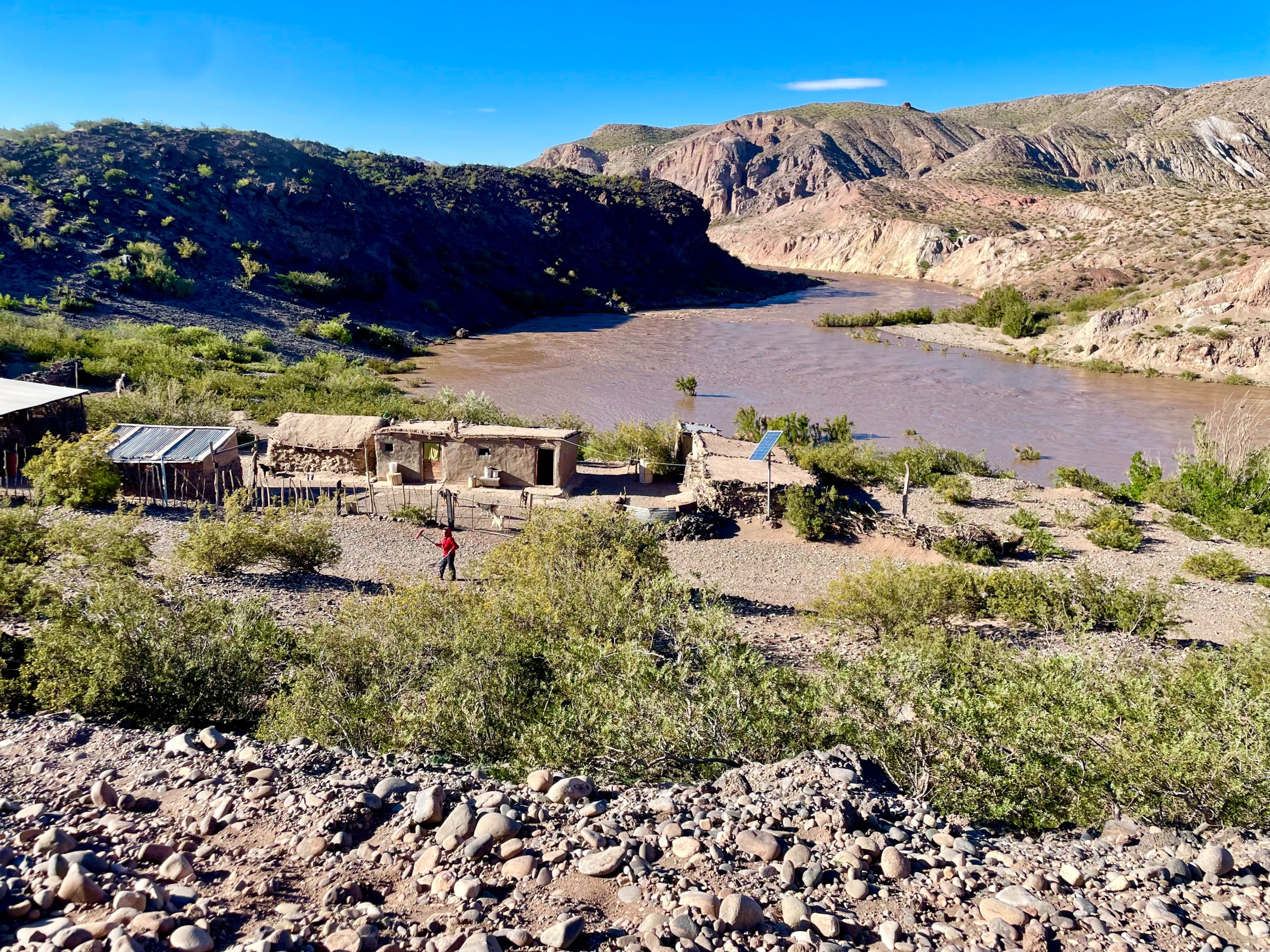
It’s hard to believe that people still live like this in 2023. There was absolutely nothing for at least 100 miles in every direction (I’d been driving for around 100 km on bone jarring dirt roads when I came across their tiny world):
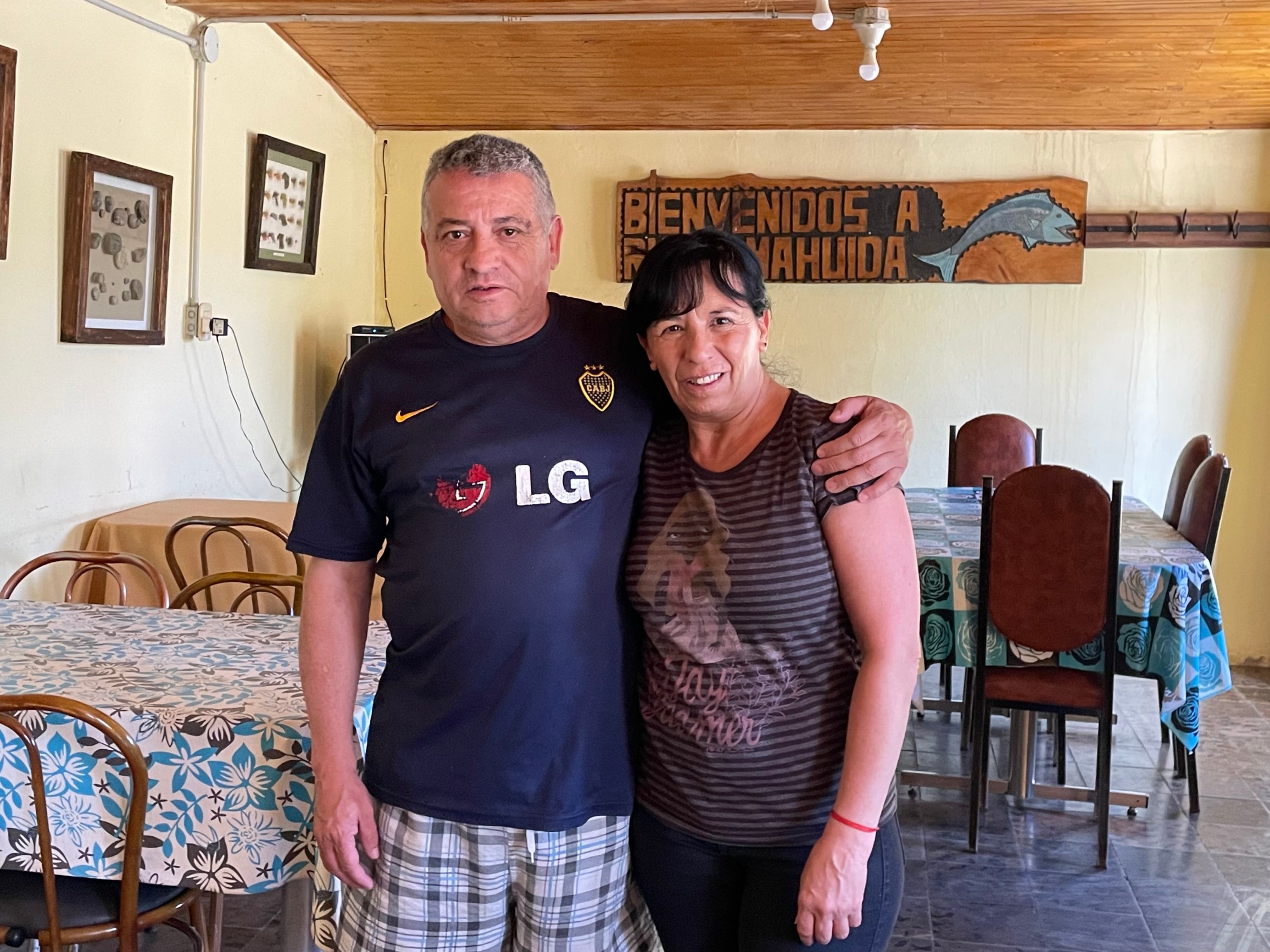
Miriam and Gustavo, who own a really nice hotel and restaurant on that huge unpaved section en route from San Martin de Los Andes to San Rafael and then Mendoza. I dusted myself off, showered, shaved and had breakfast there and felt like a new man…
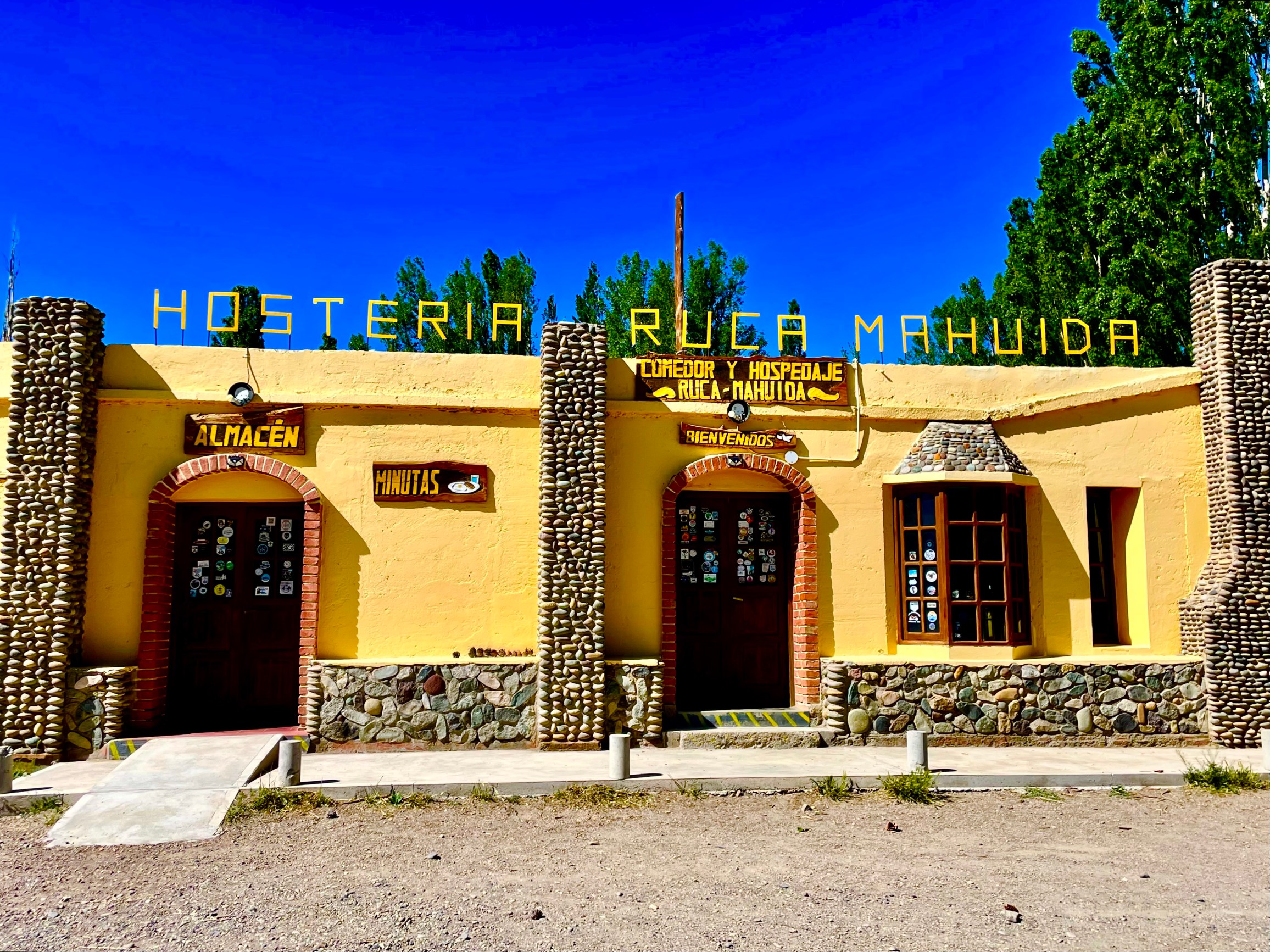
Their place:
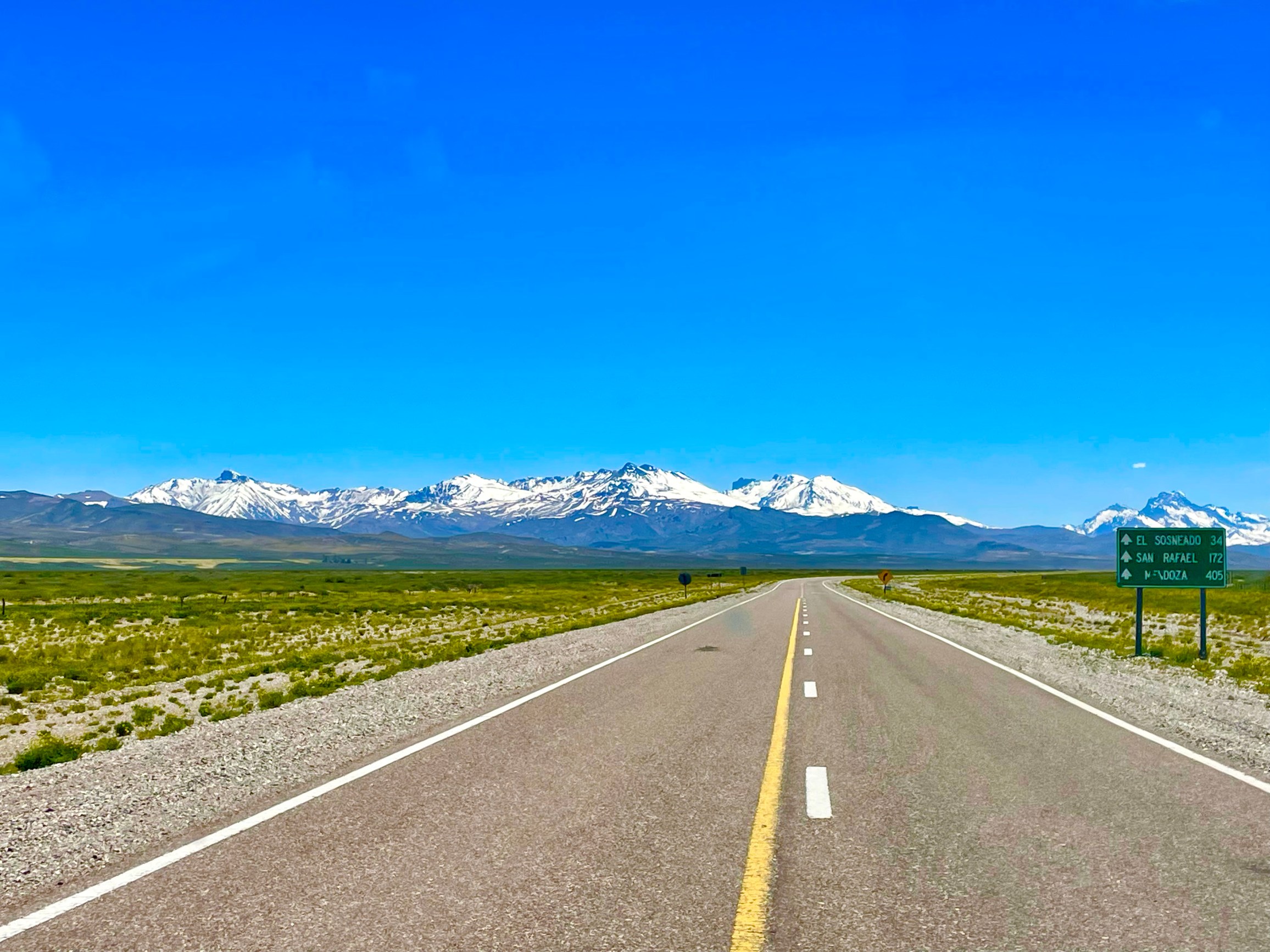
The Rio Grande in Ruca Mahuida, shortly after leaving their place. The river was raging here with spring snowmelt.
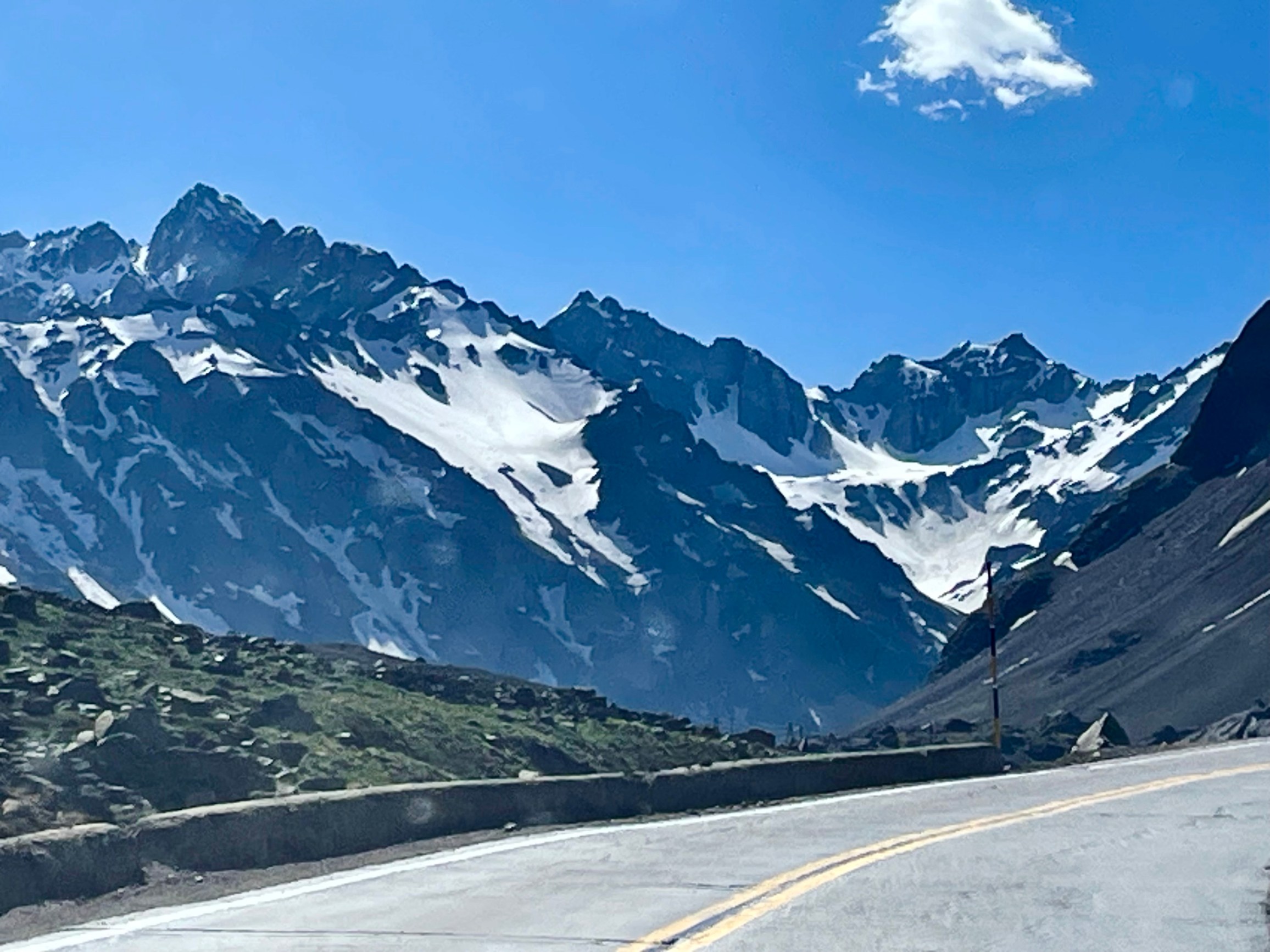
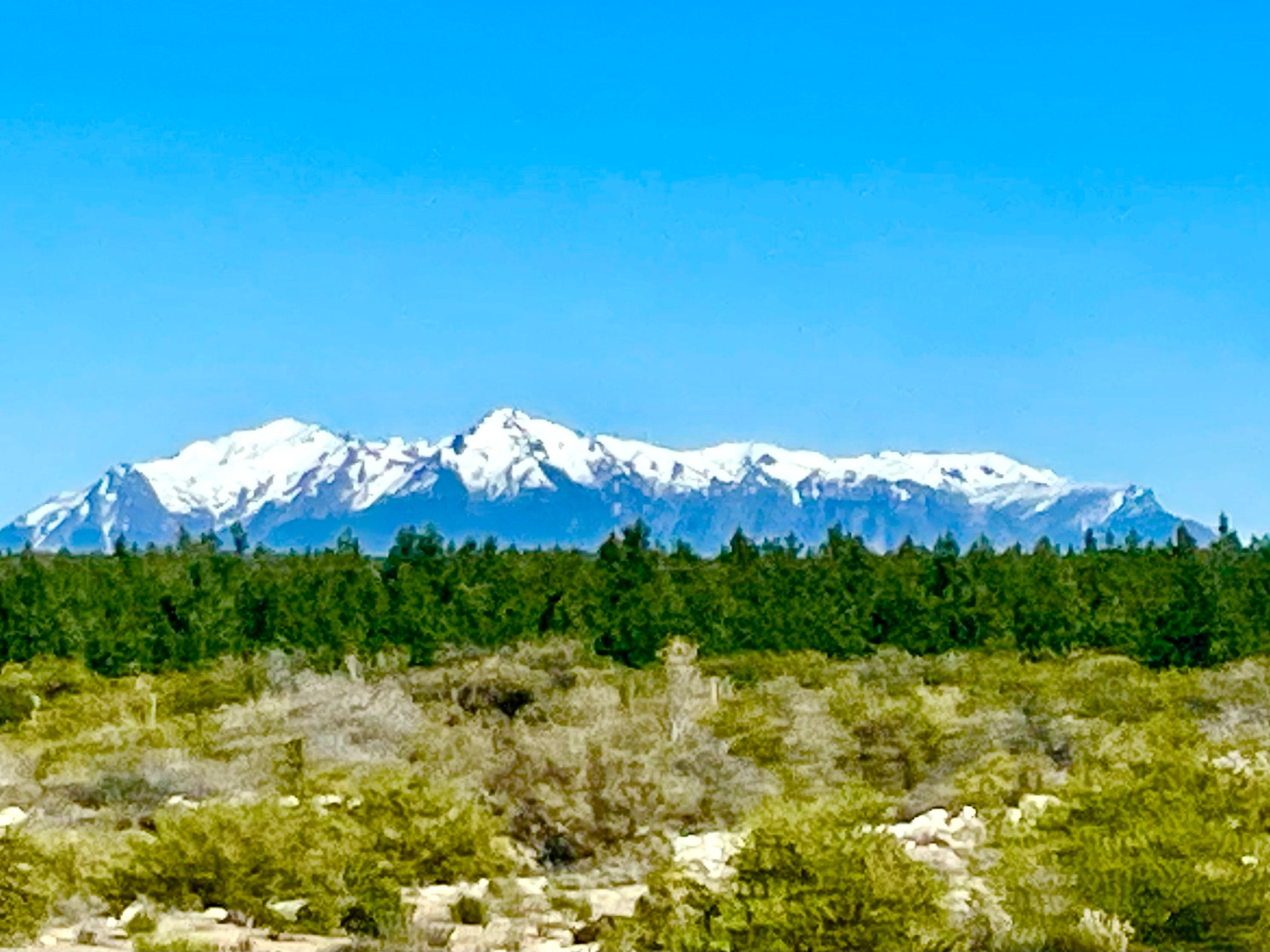
Mountains everywhere. The Andes just don’t quit:
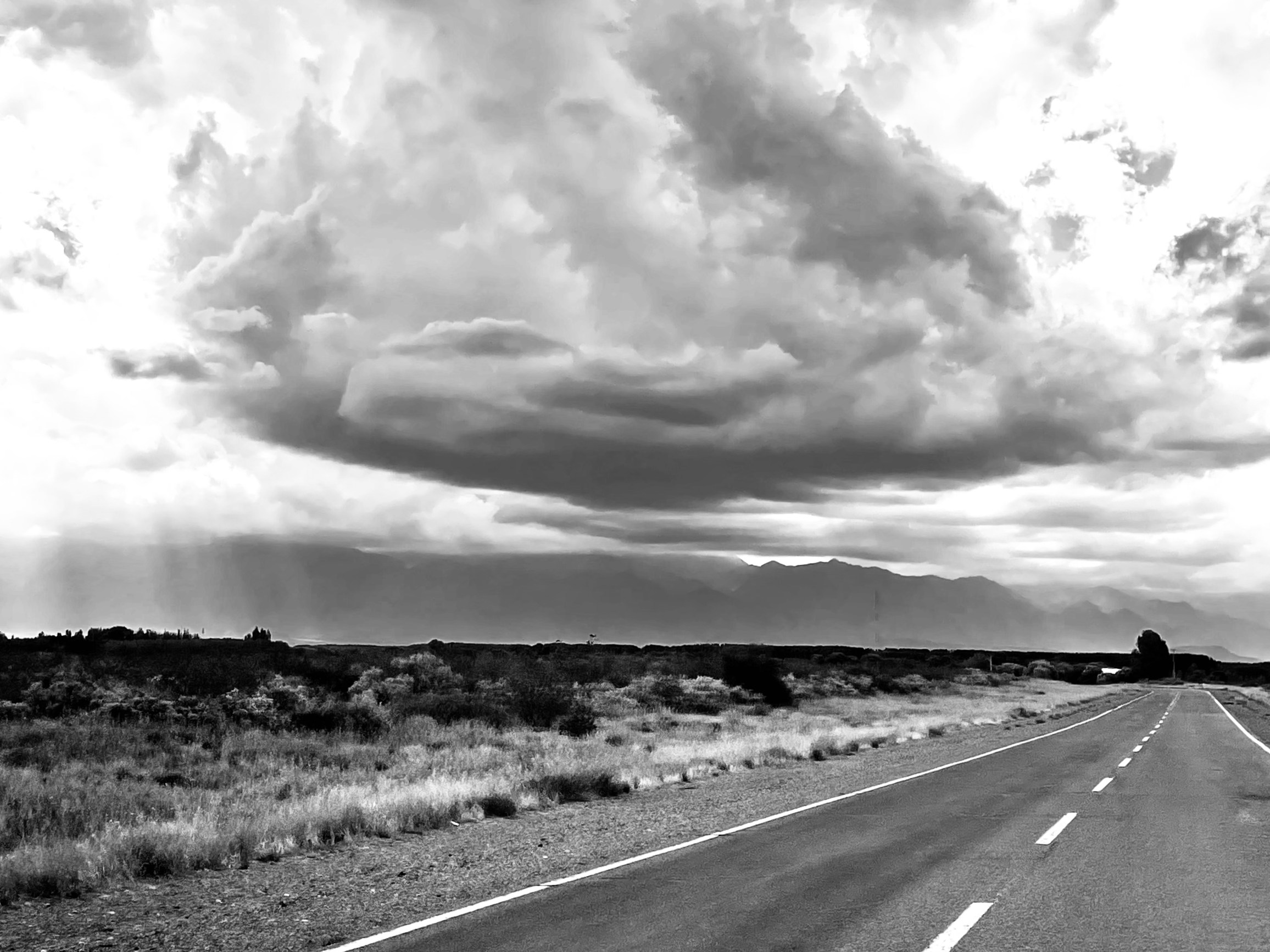
The mountains making their own weather:
Revv’ing it up in Lujan de Cuyo, the home of Malbec (I had to stop there…):
Downtown Lujan de Cuyo:
My host, Sergio Martinez, who fed me a wonderful dinner – with Malbec of course – that night:
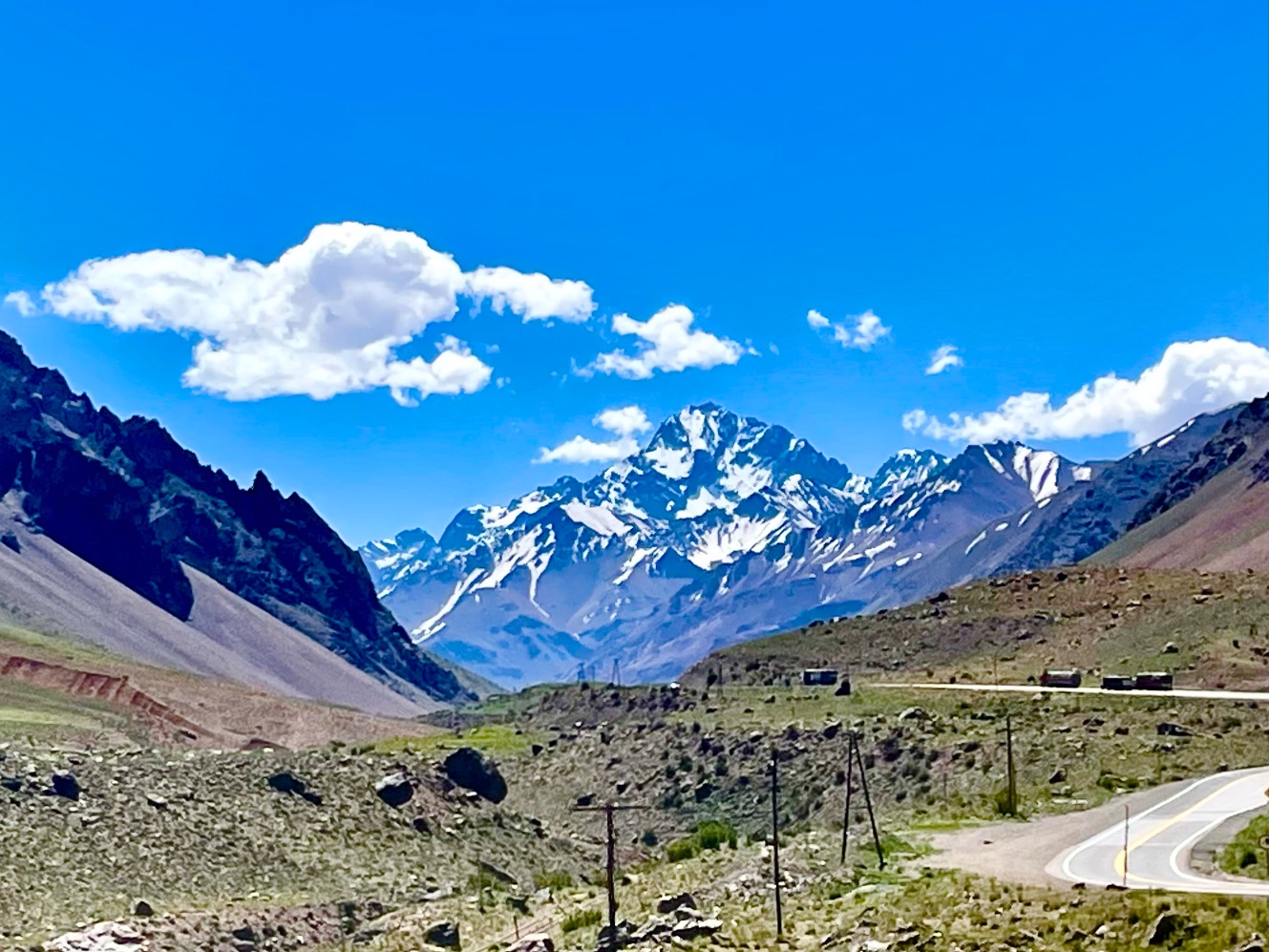
Aconcagua burst through the clouds the next morning, flooring me, as it was 68 miles away as the crow flies, but felt close enough to reach out and touch:
I drove 120 circuitous miles to Aconcagua yesterday, marveling at it and the surrounding mountains’ size and enormity all day.
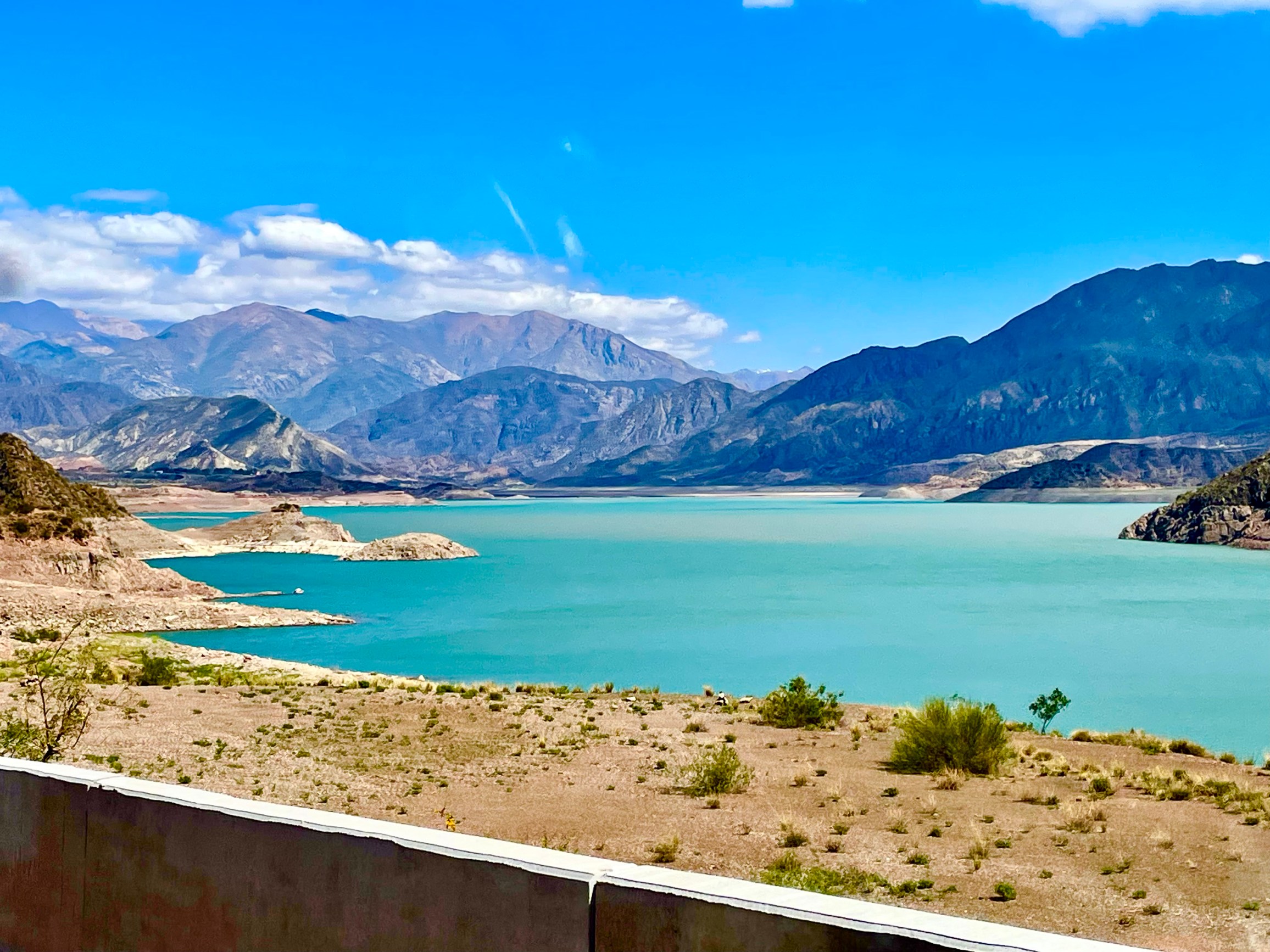
En route – a reservoir holding back the mighty Rio Mendoza:
The beast from Uspallata, still 50 miles away. The vertical from there to the top was over 16,500′:
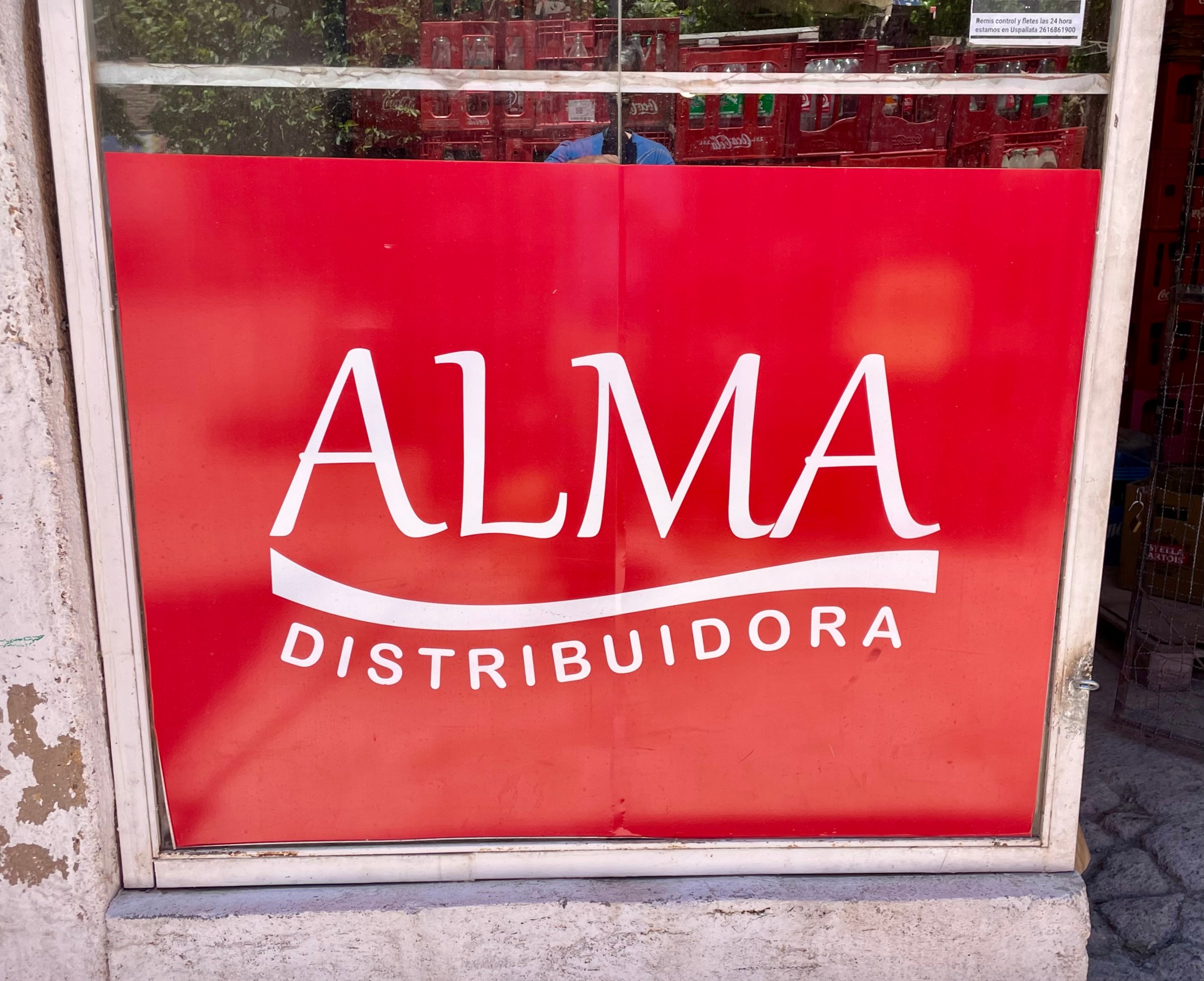
My Mom’s name. It’s so cool that Alma appears everywhere here. It’s Spanish, but is almost never seen in the States.
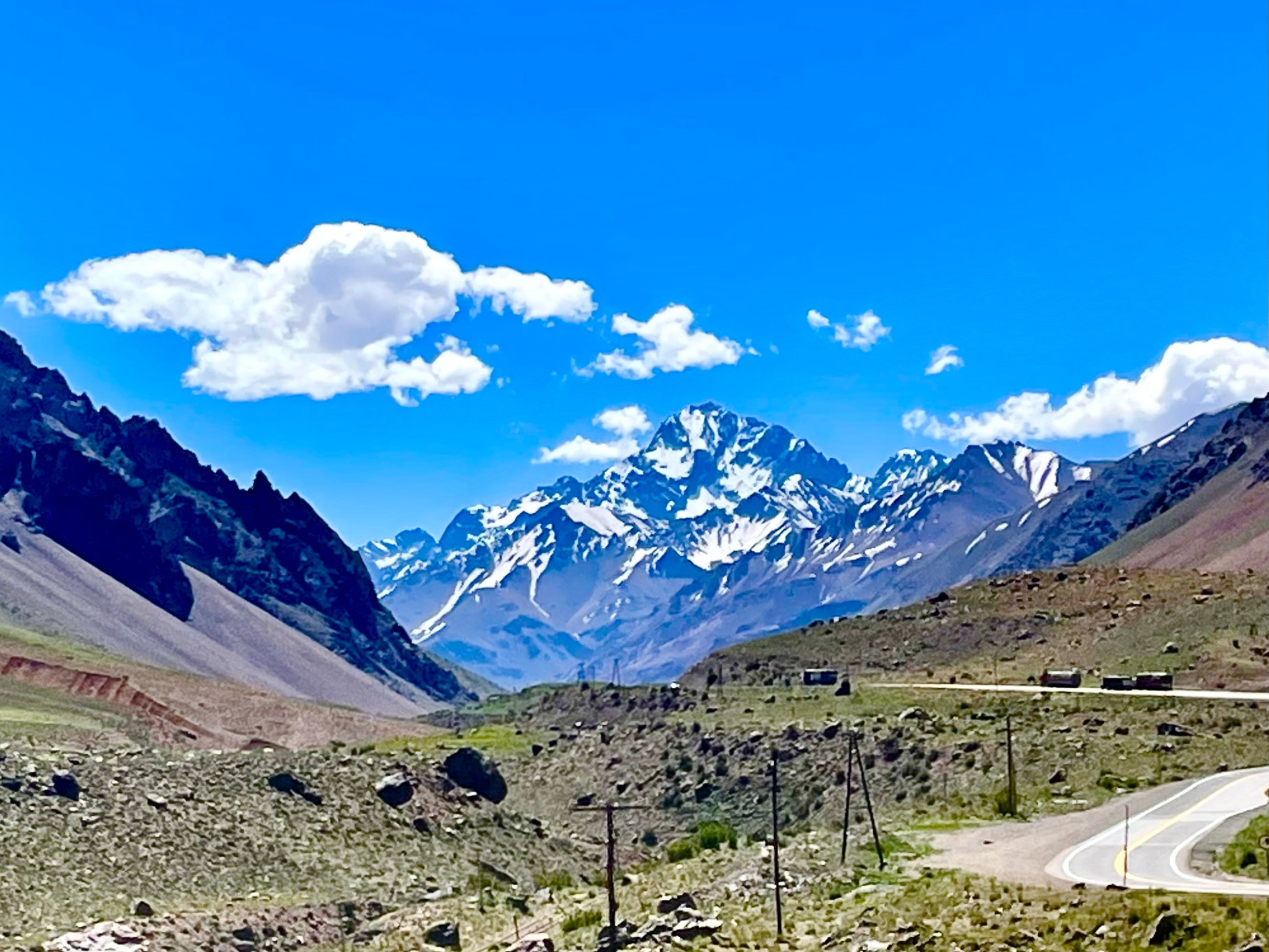
Getting closer:
Feelin’ small:
Yawn (just kidding):
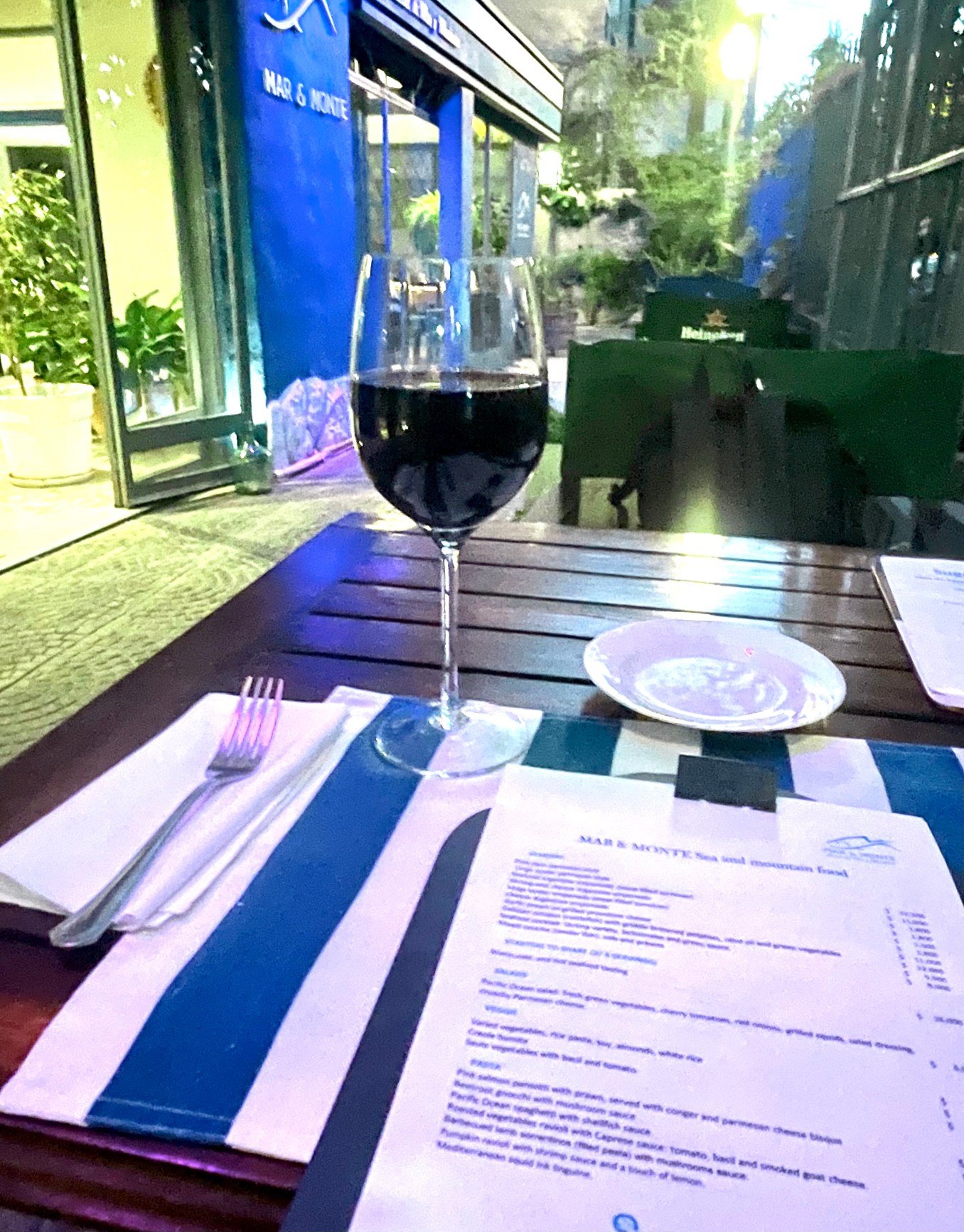
Mendoza is spectacular. It is elegant, wealthy, cosmopolitan and has great streets. It reminded me of European cities. Only Buenos Aires has given me that vibe in past visits. Dinner last night, where I was served the largest glass of wine of my life (it had to contain 2/3 of the Malbec bottle from which it was poured). Really great meal.
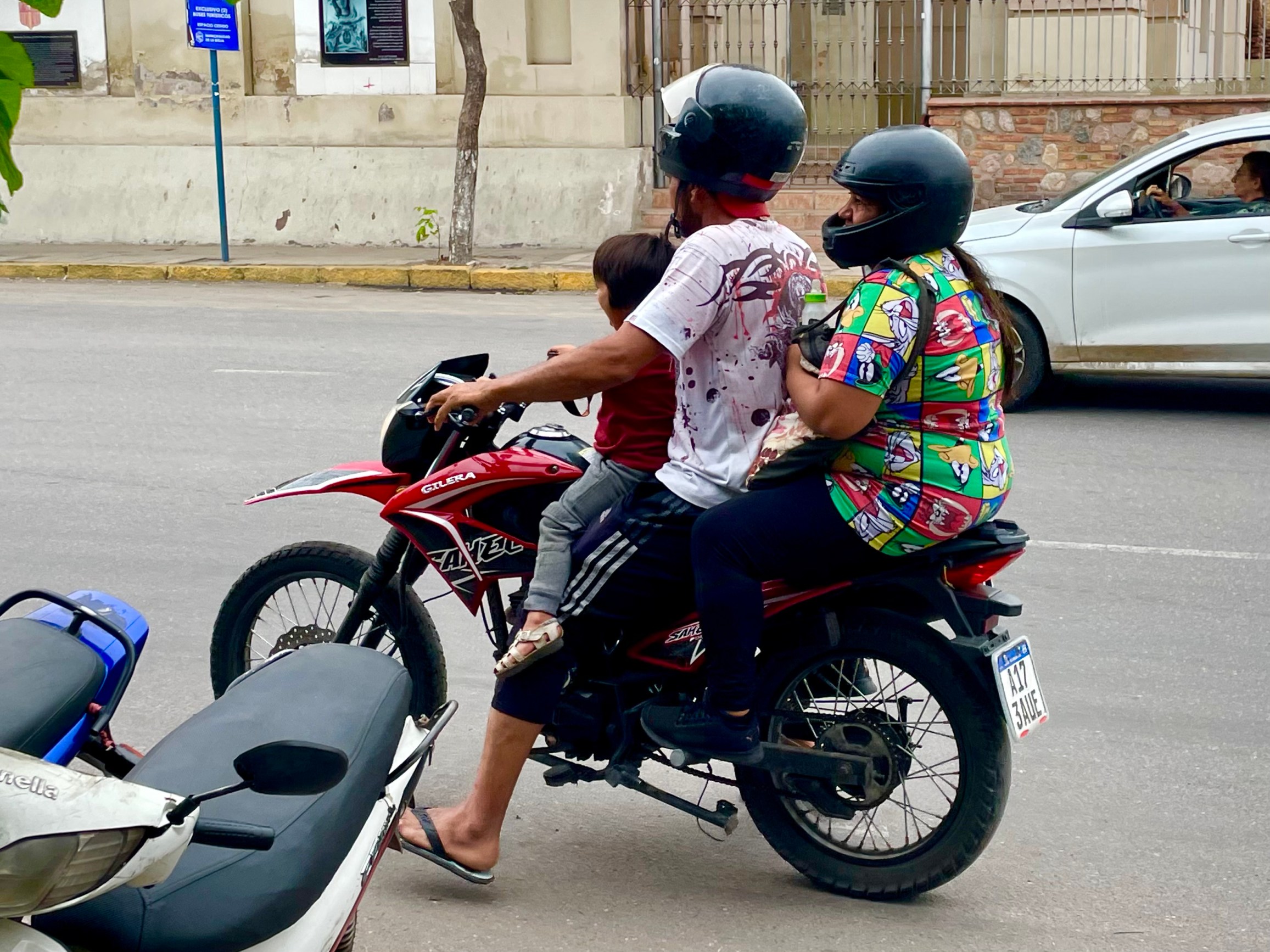
I understood from his Dad that this one just got his learner’s permit. Rip it up, dood….
I’m in La Rioja today after a big push. It’s very quaint, even though I’ve read that it’s not a tourist stop. No worries – blue skies tomorrow as I head north towards Tucumán and then Salta before crossing back into Chile and the Atacama Desert for the final week of the tour. Caio – be back in a few days.
Wow. Chile has its Lake Country, south of Santiago, and it’s beautiful. Towns like Pucon are wrapped in nature and really inviting. Argentina’s Lake Country is at a similar latitude but a bit further south, and its towns are more sophisticated and, more importantly, they’re nestled in and up against the Andes, which makes them truly spectacular.
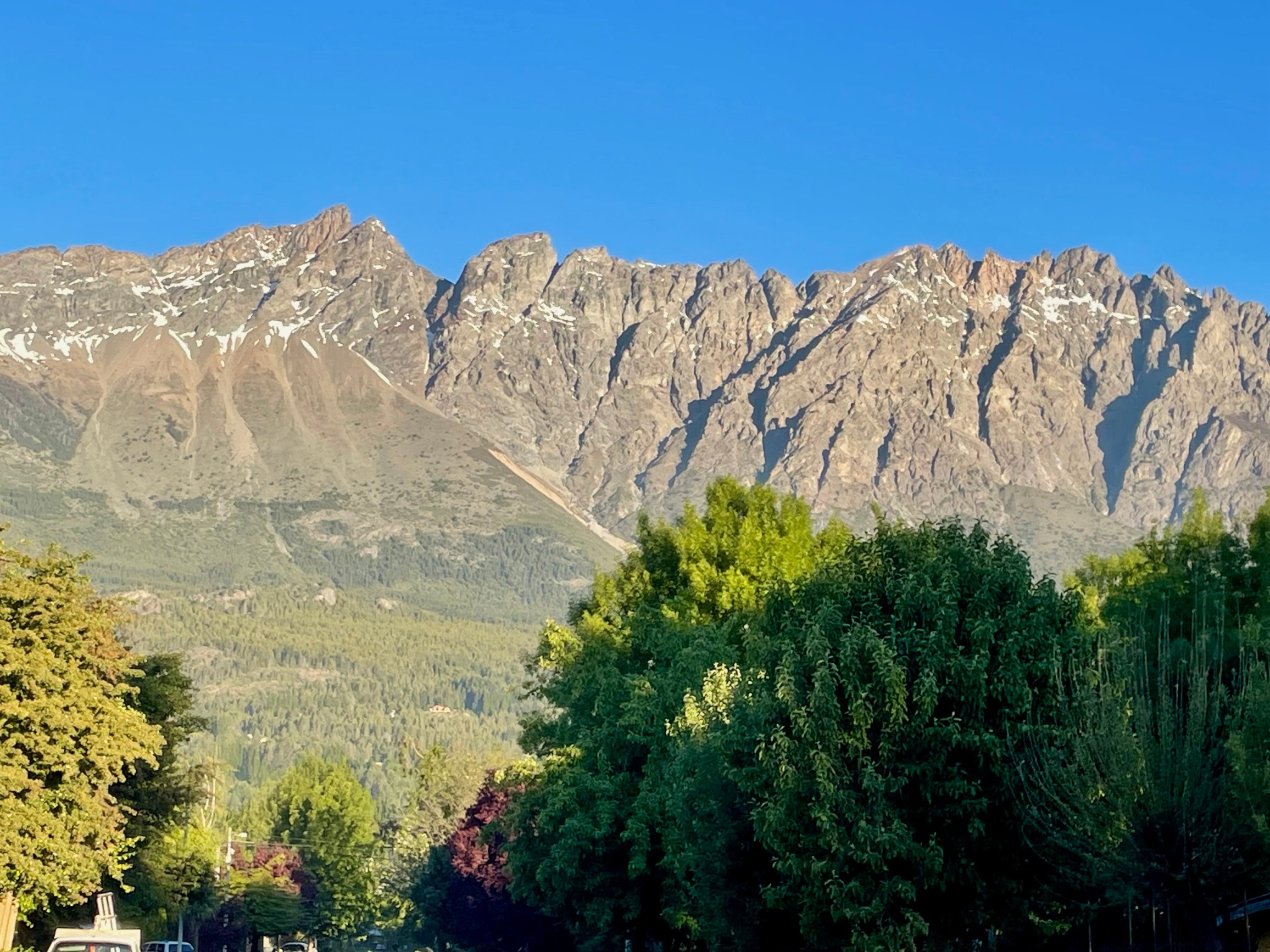
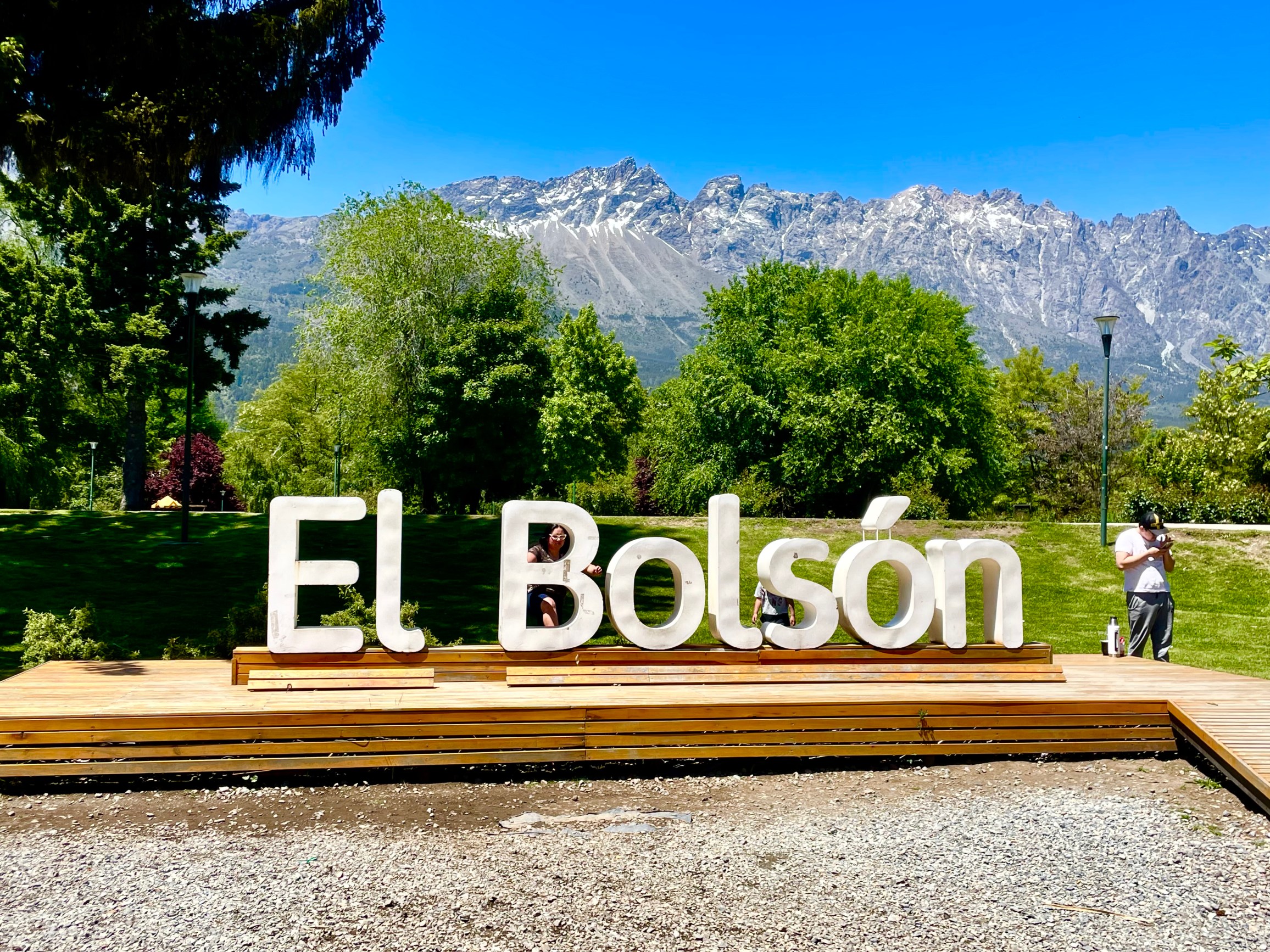
This range just east of El Bolson reminded me of Mt. Whitney with its in your face vertical and craggy rock spires and parts of the drive north from Perito Moreno to El Bolson felt like Route 395 on the eastern flank of the Sierra.
El Bolson continued to charm me my second day there. I asked about laundromats and was informed that there were none, but that there were a number of laundry services available. Perfect. I brought my laundry to one of them and was told it would be ready the next morning. The charge to have everything washed, dried and and expertly folded? $1.40. Crazy… Next door to the laundry service at a great cafe with unbelievably delicious home made bread, I met Rick, a really nice guy with Argentine, British and Italian citizenship. We talked in Spanish about a lot of things for quite a while. Great guy with a really interesting life.
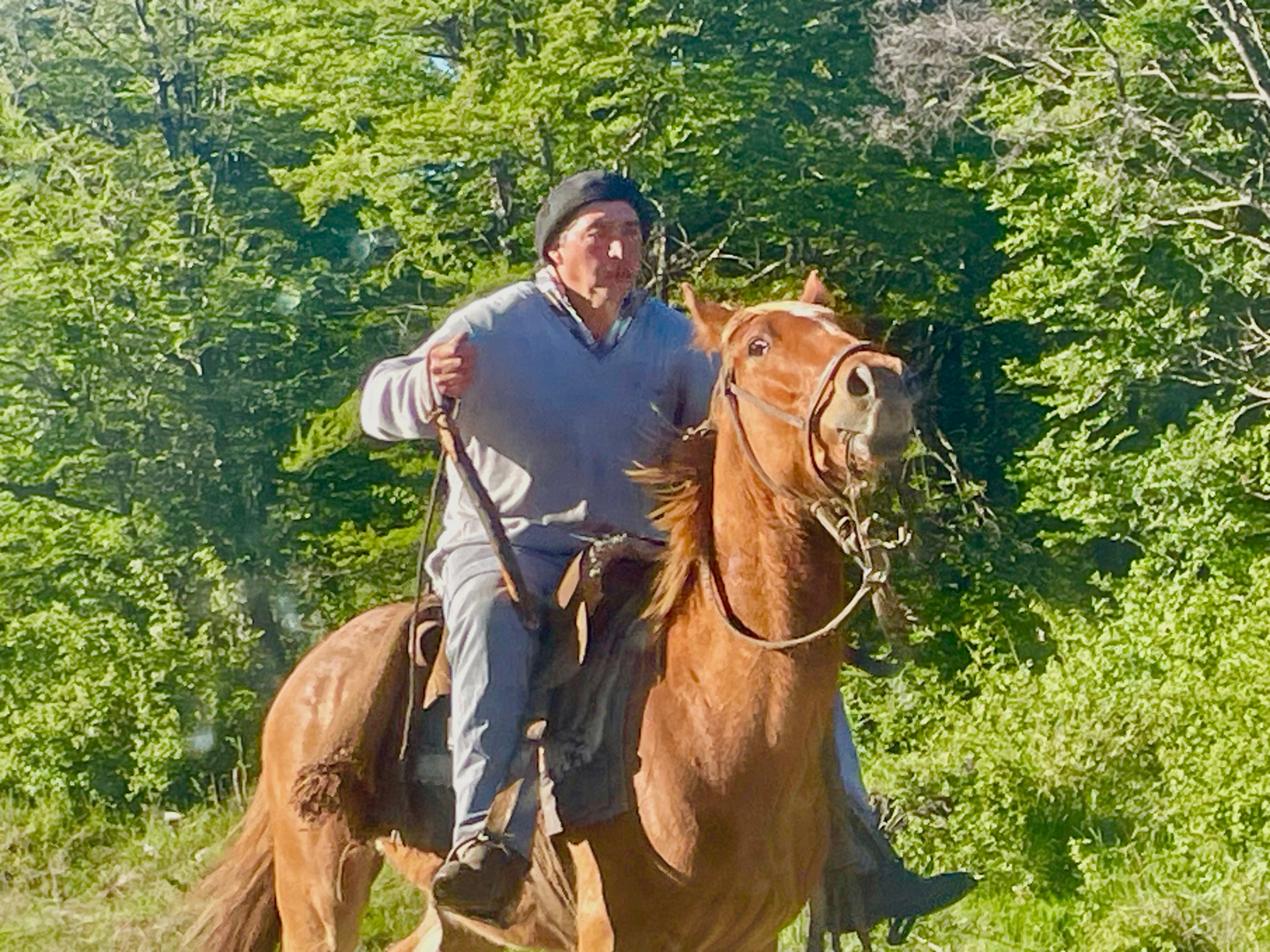
Un gaucho:
My campsite for the night in Lago Puelo National Park, just south of El Bolson:
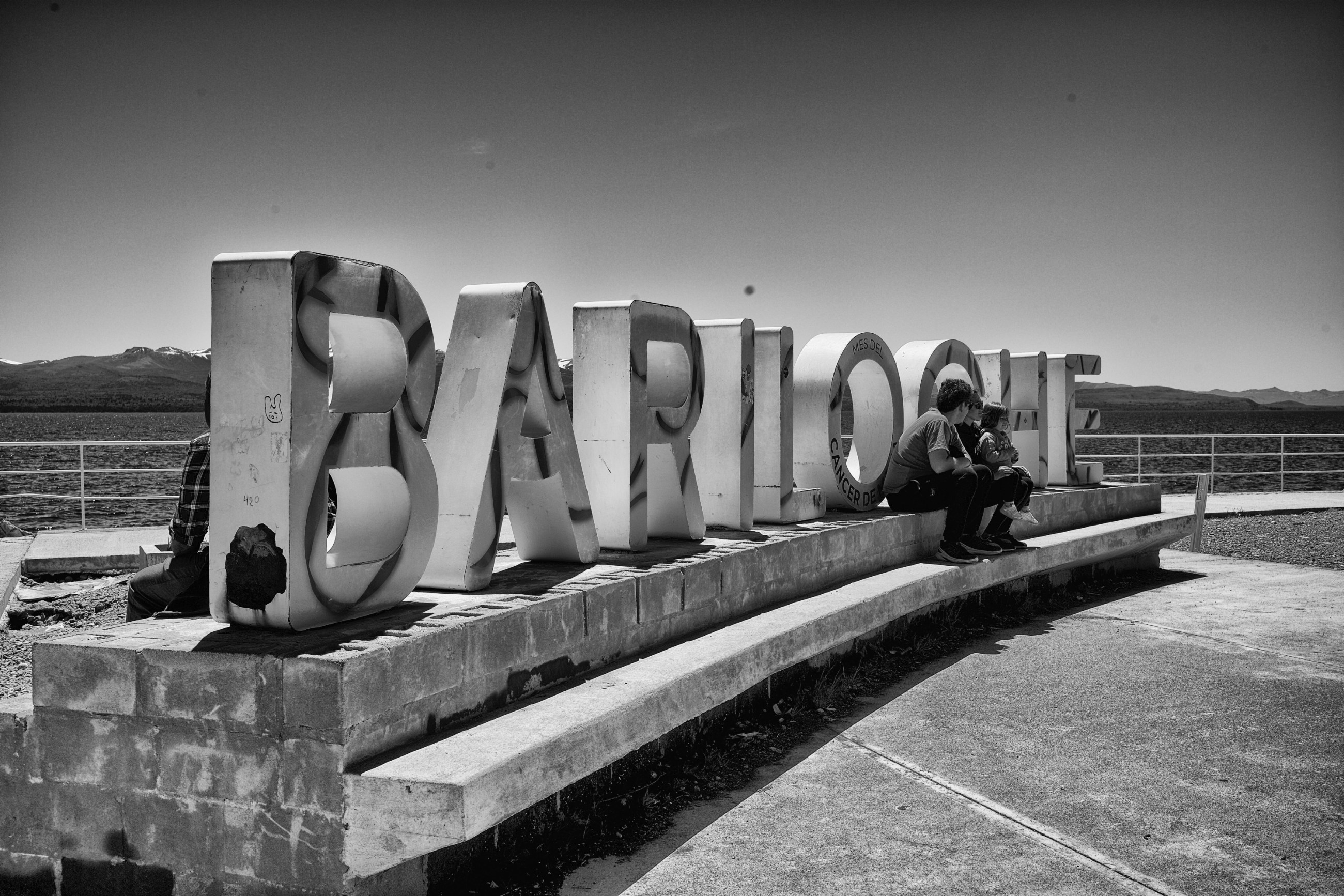
Meandering towards Bariloche:
I met an incredible young woman – Florencia – from Buenos Aires when I was visiting Bariloche. She worked as an au pair in the states for three years, speaks absolutely perfect English (although I wanted to speak Spanish with her) and wants to move back, get her degree and settle down. Super bright, engaging and enterprising – exactly the kind of person America has welcomed for time immemorial to make it what it is. I’m gonna help her with her visa application pro bono. She definitely deserves a shot in the land of the free….
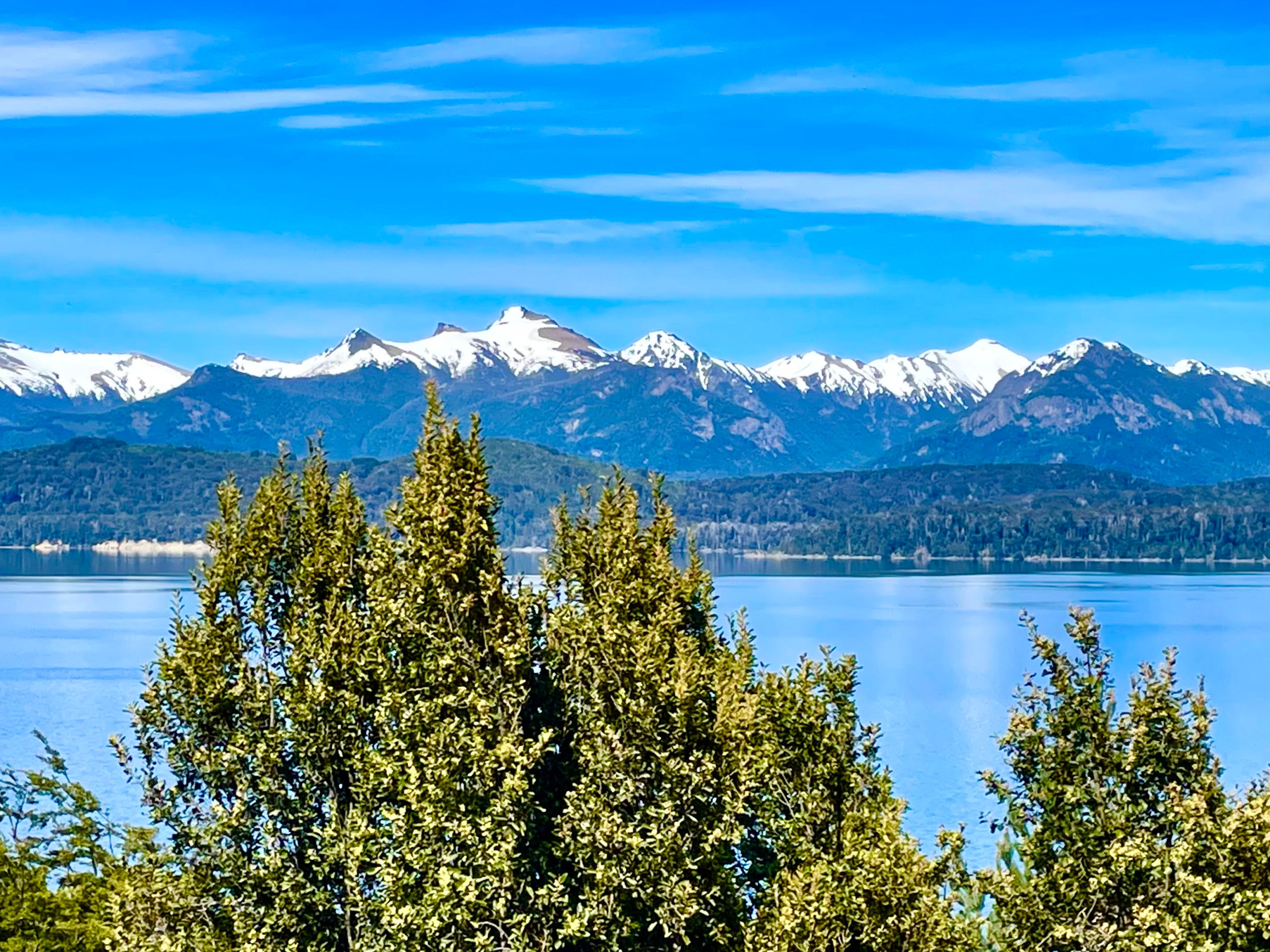
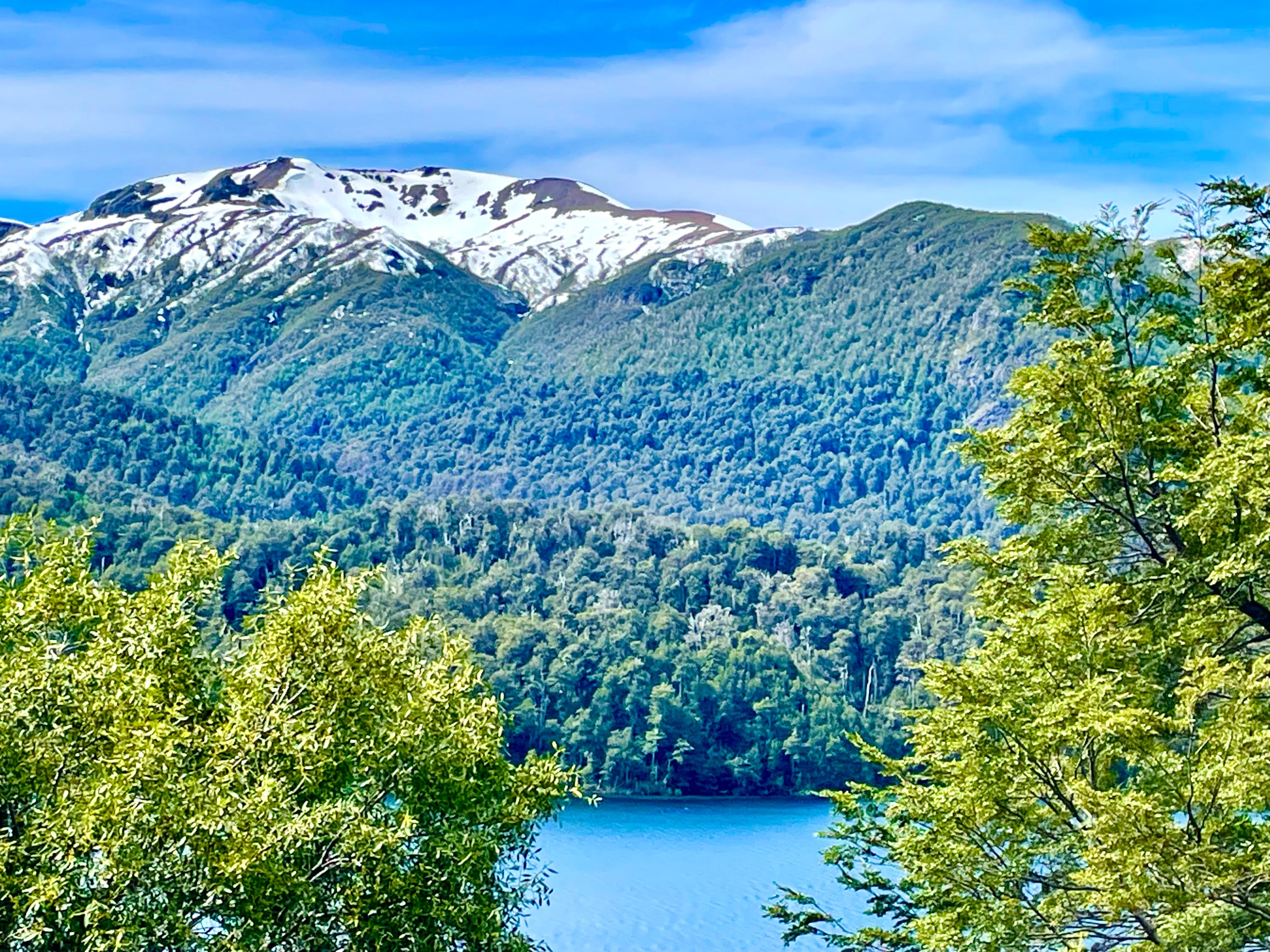
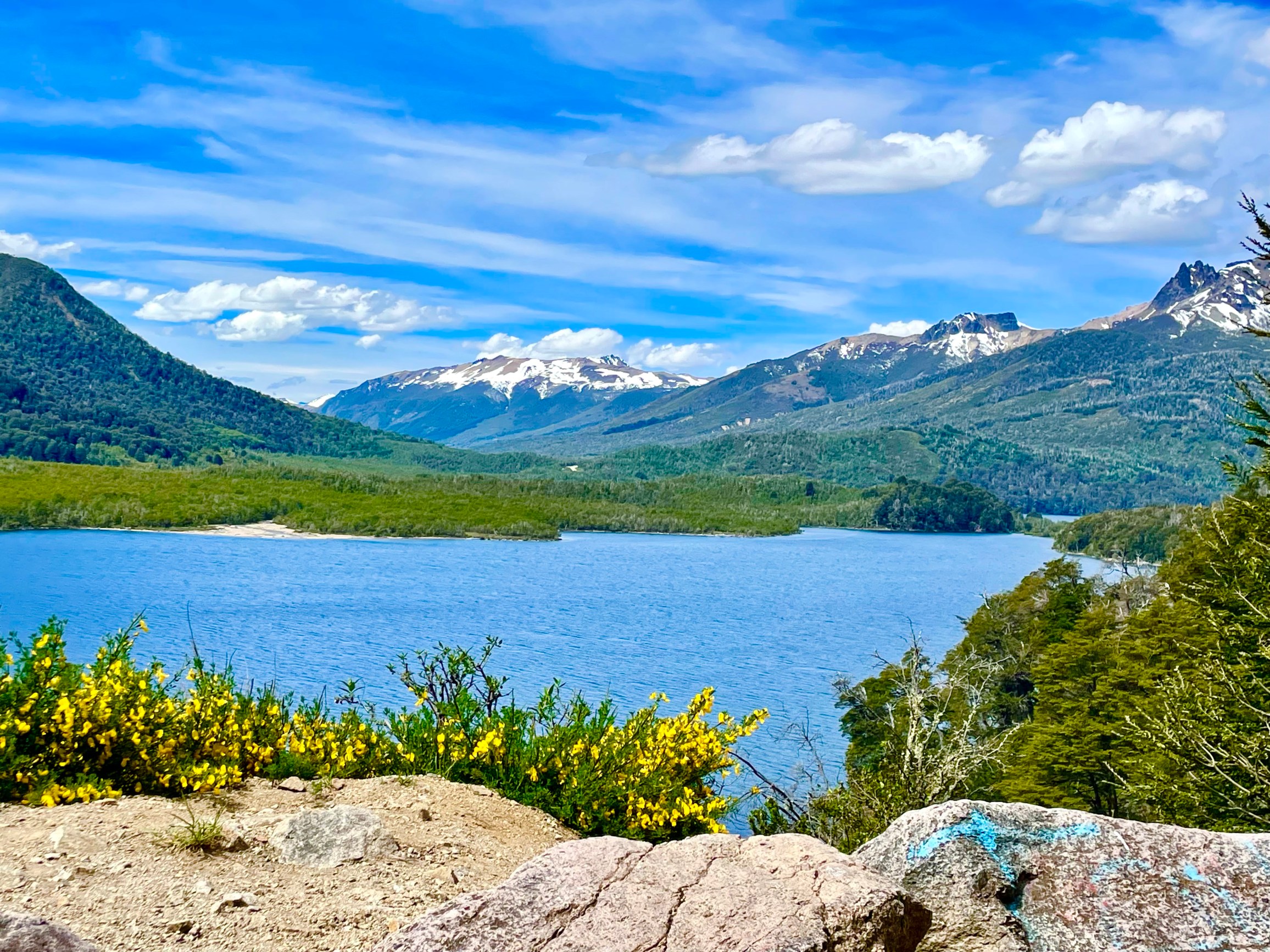
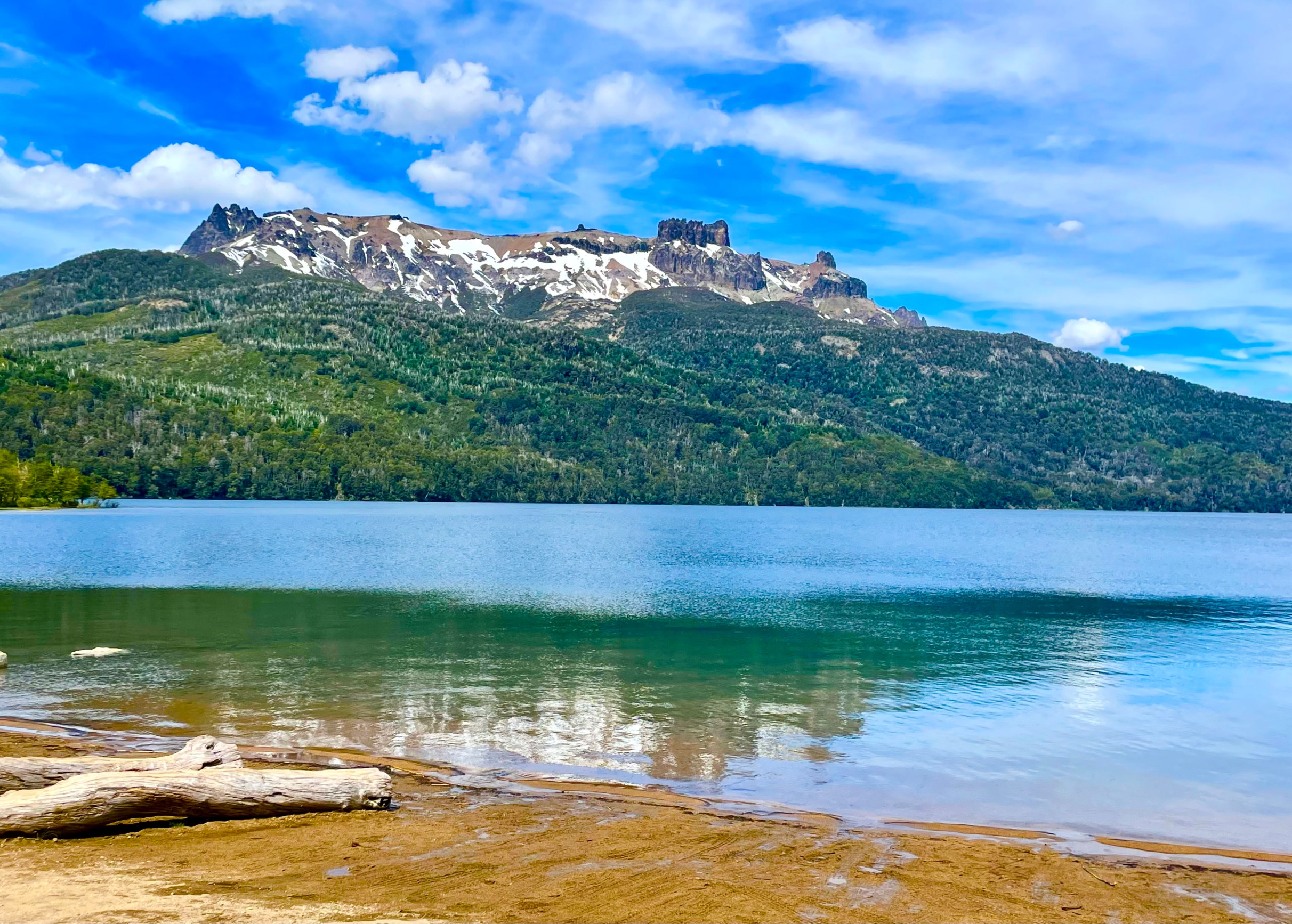
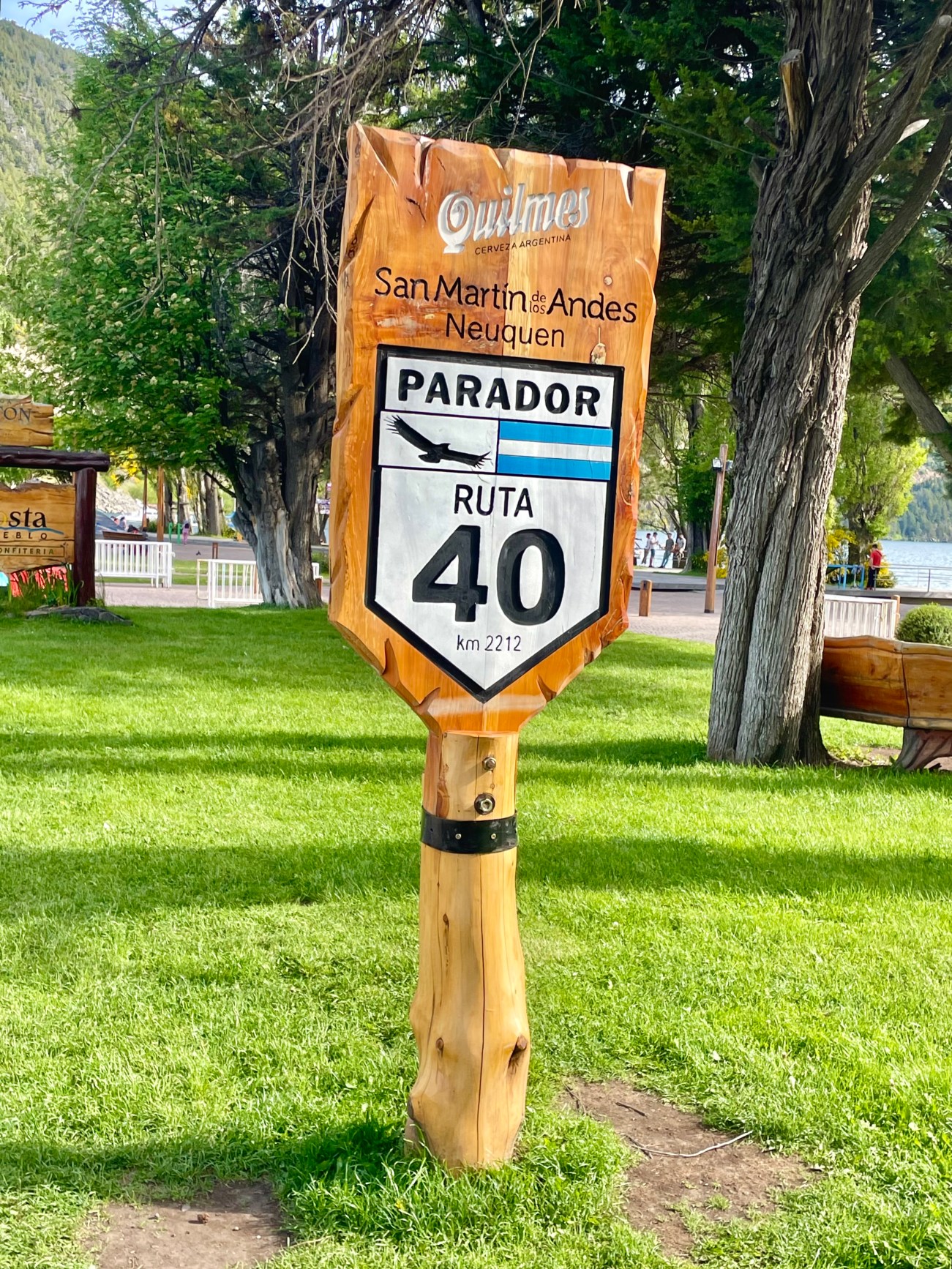
After Bariloche, I set my sights on La Ruta de Los Siete Lagos – the route of the seven lakes. This drive was crazy beautiful, and reminded me in a sense of the abundant lakes in the Adirondack Park (sans the huge peaks surrounding them). Here they are, in order from south to north, along the legendary Ruta 40 – Lago Nahuel Huapi; Espejo Lago; Lago Correntoso; Lago Traful; Lago Faulkner; Lago Machonico and Lago Lacar. Stunning, all.
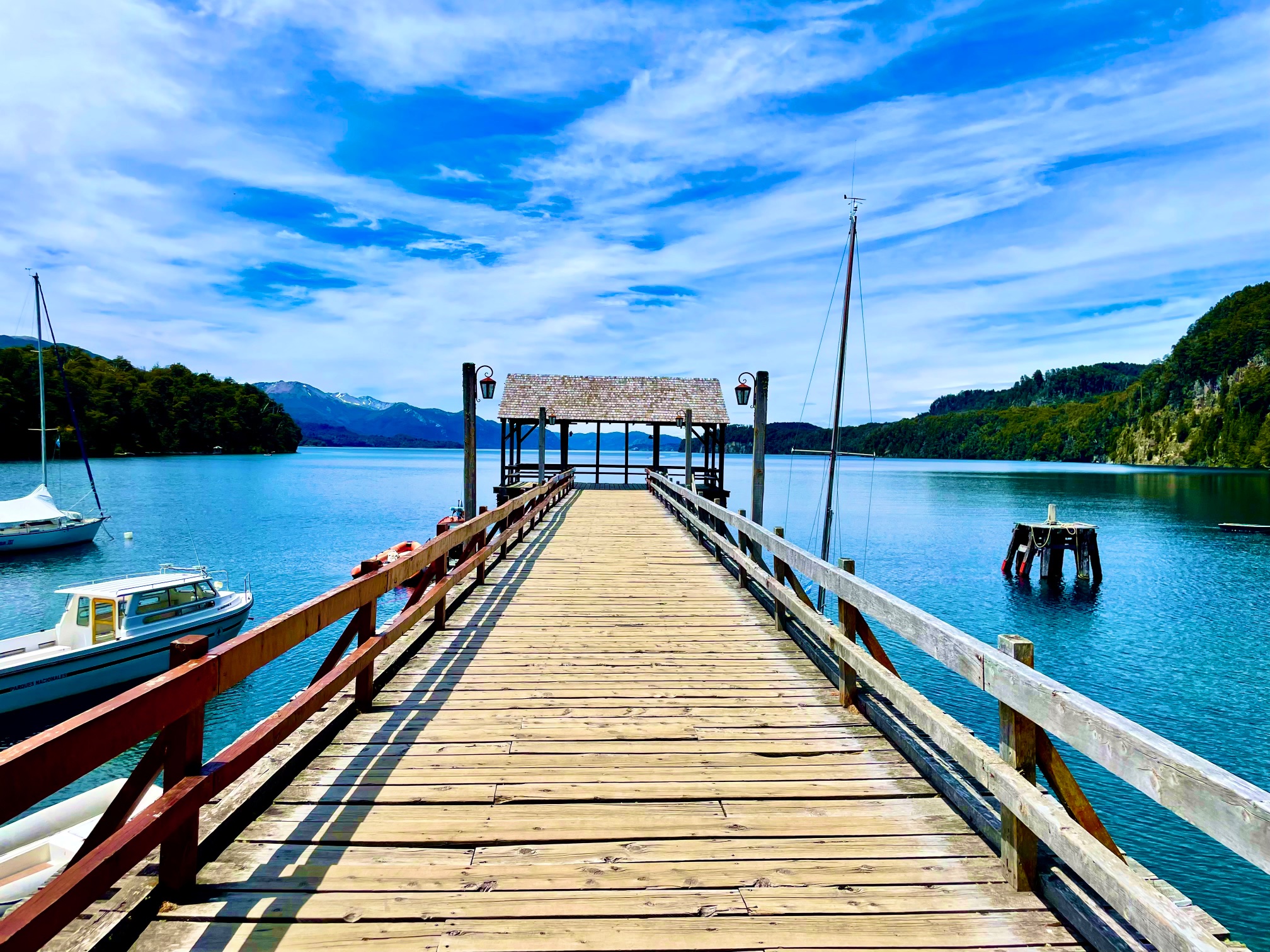
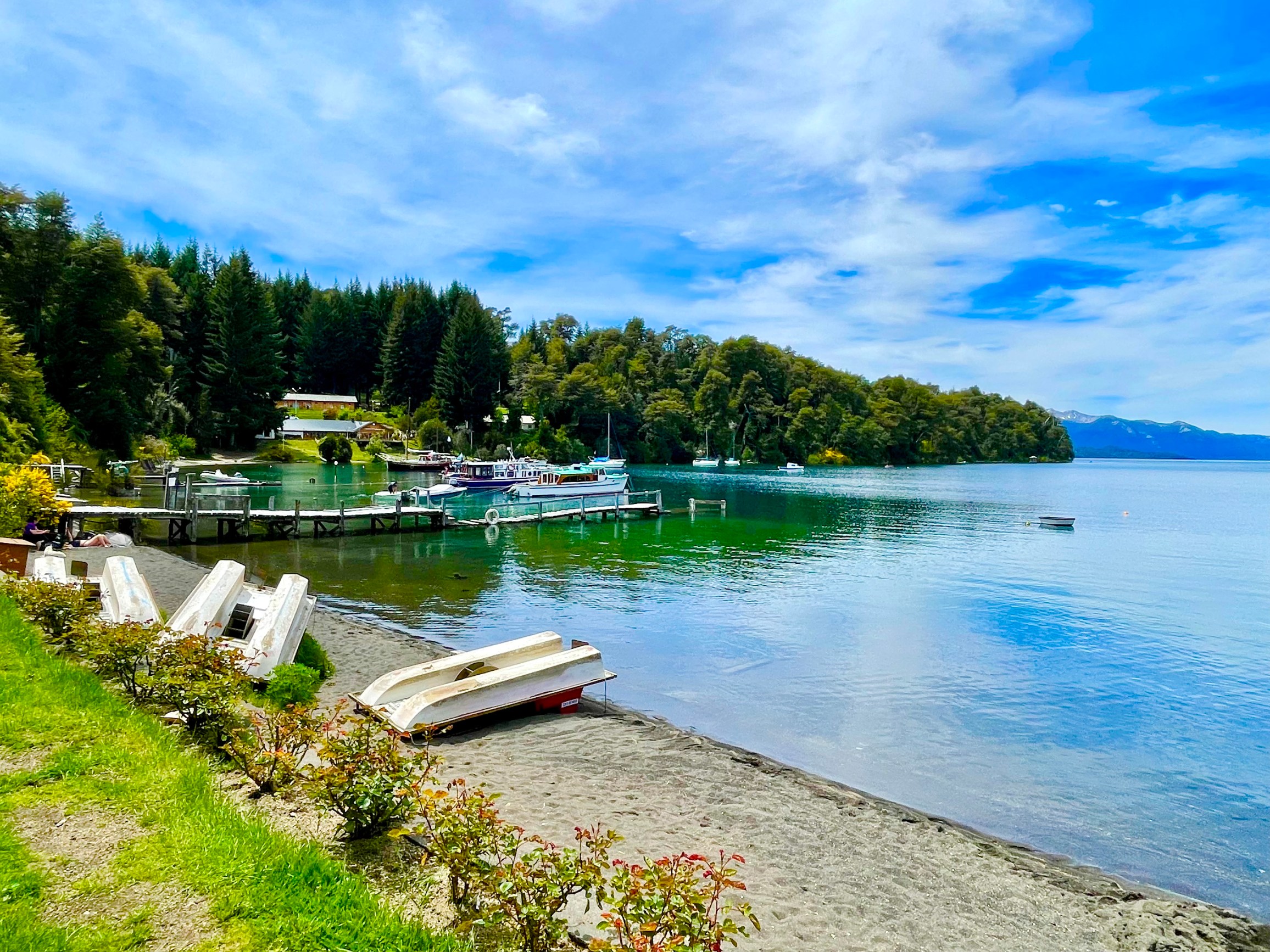
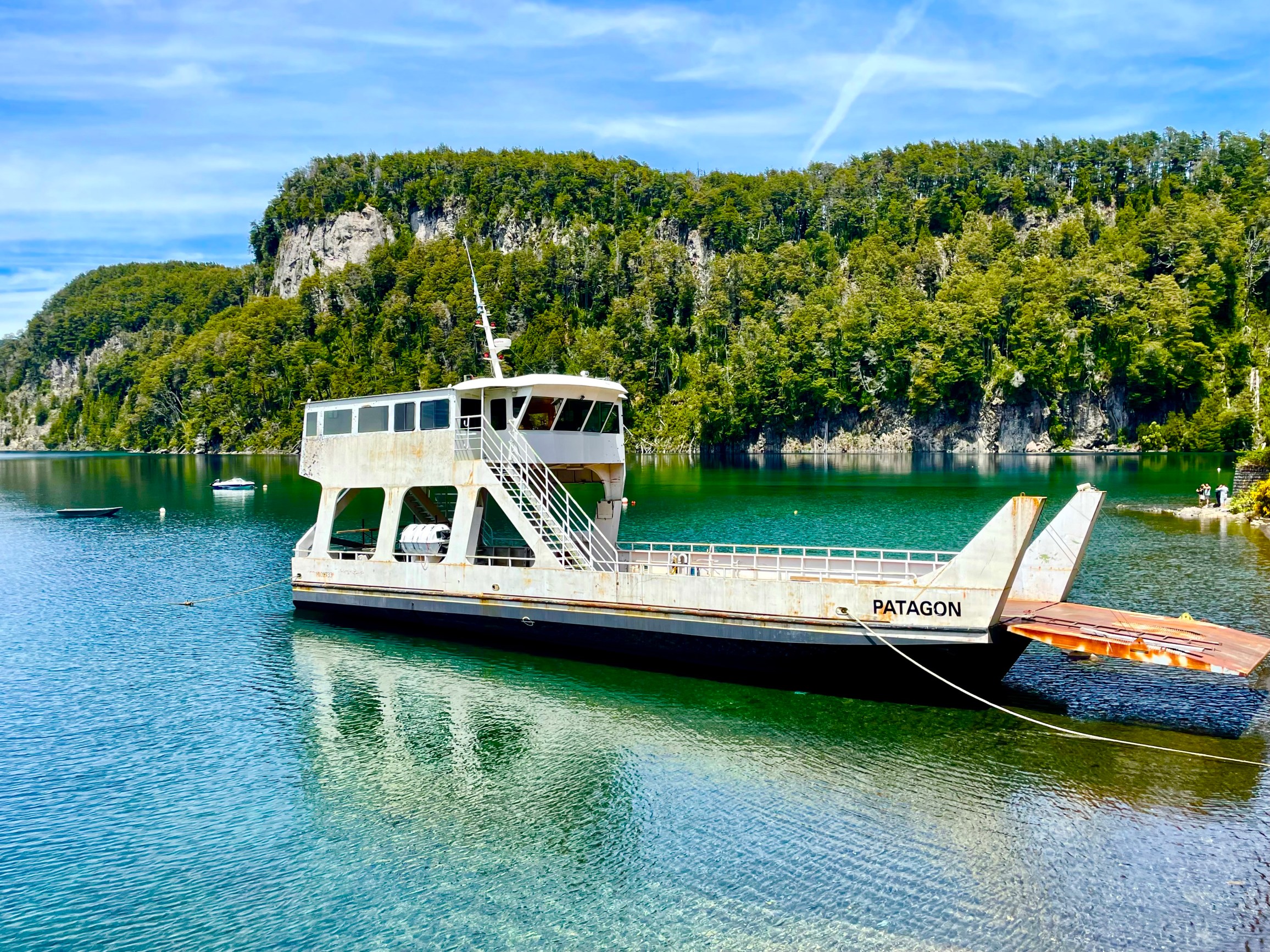
I stopped on the way in the upscale tourist town of Villa La Angostura, home of Parque Nacional Los Arrayanes, and boy am I glad I did. What a magical place. I meandered into the Park, on the water, and fell into a trance that lasted for hours, including lunch. Some shots from there:
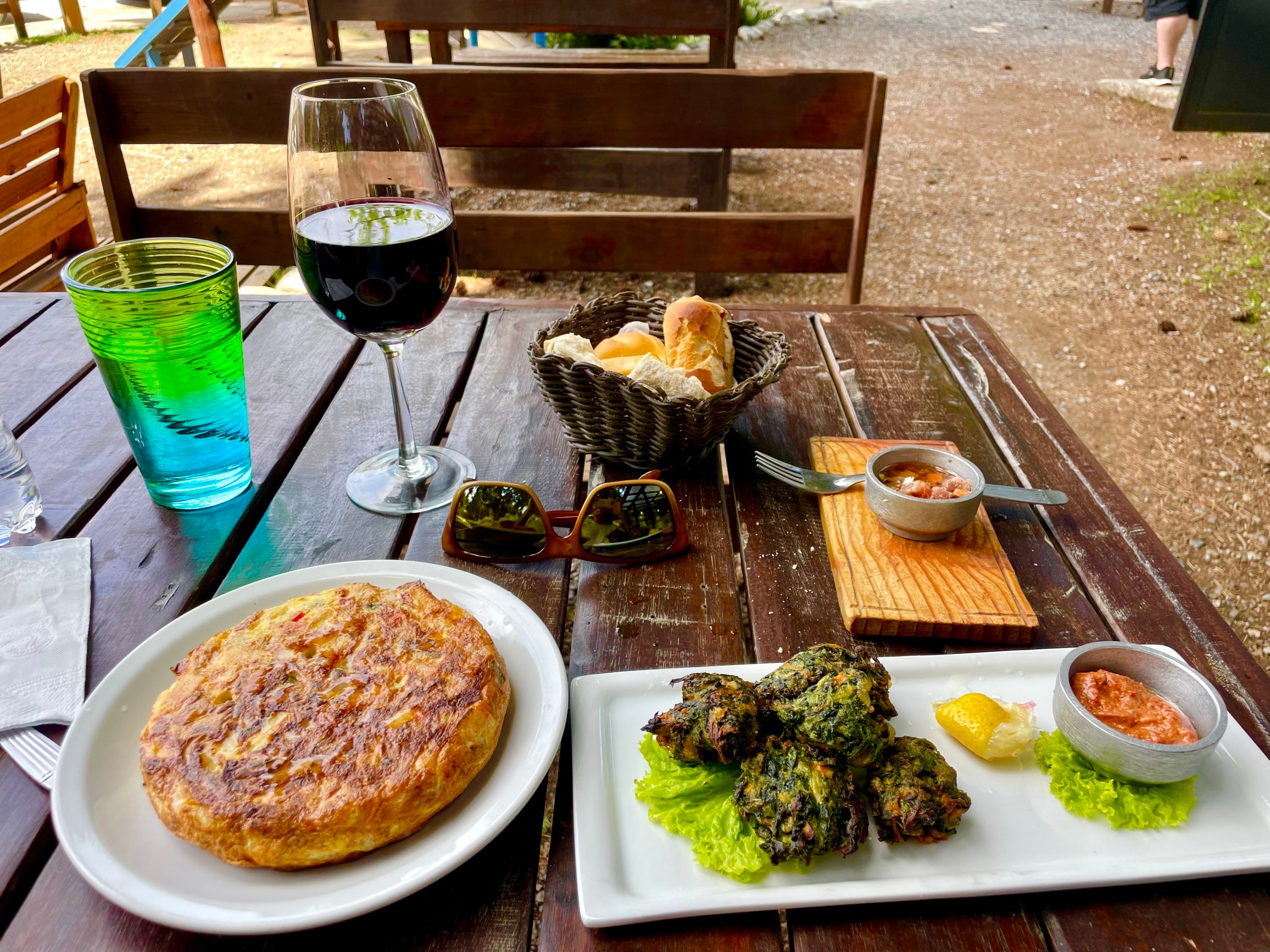
Stunning scenery and an amazing lunch – tapas and the biggest glass of Malbec I’ve ever been served. Lunch cost $4.00 with tip….
A digression and word of thanks to these guys, without which I would’ve been totally screwed on four huge legs of the journey, ridiculously far from any fuel and gas stations. They truly saved my a*s.
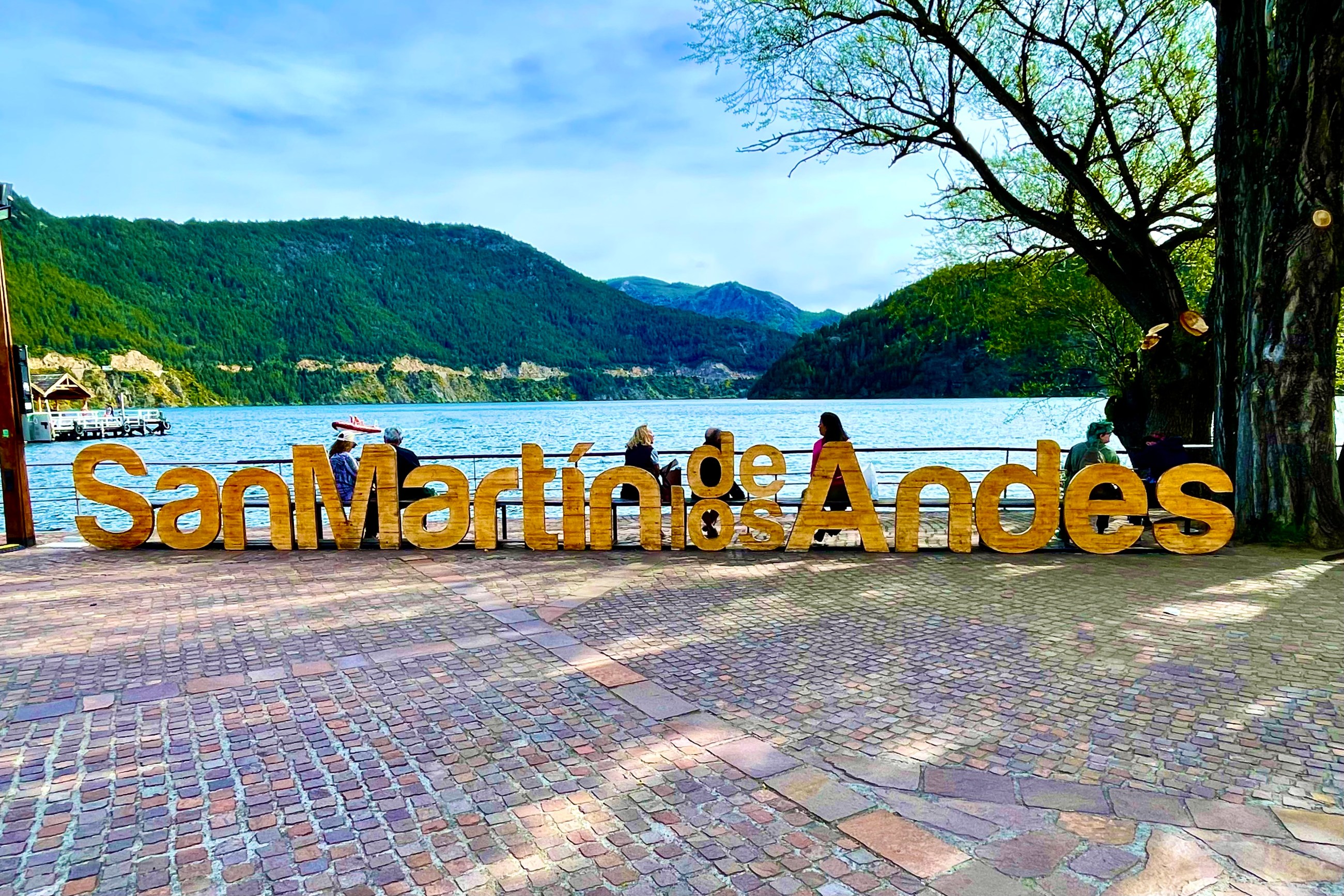
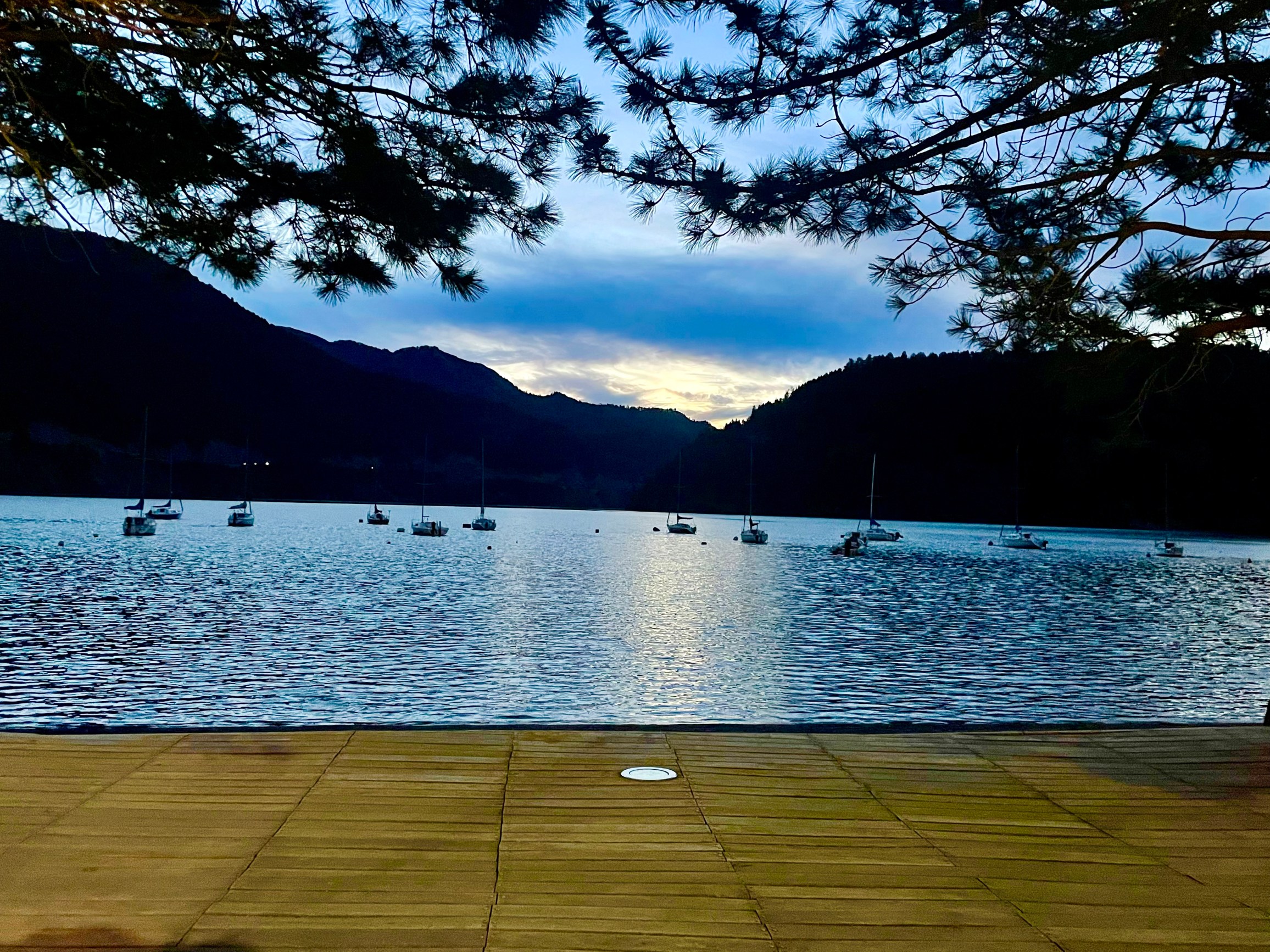
I arrived last night in San Martin de Los Andes – at the northern end of Siete Lagos. Another posh and gorgeous resort for those fleeing Buenos Aires for cooler temps in the summer and great skiing in the winter. It has a really nice vibe, and the whole town was out in force on the Plaza de Armas Sunday night, riding bikes, playing impromptu soccer games and of course, enjoying their helado and postre (helado is not quite ice cream and not quite gelato, but it’s scrumptious; and postre encompasses the entire galaxy of sweets and deserts, which are ubiquitous in Argentina).
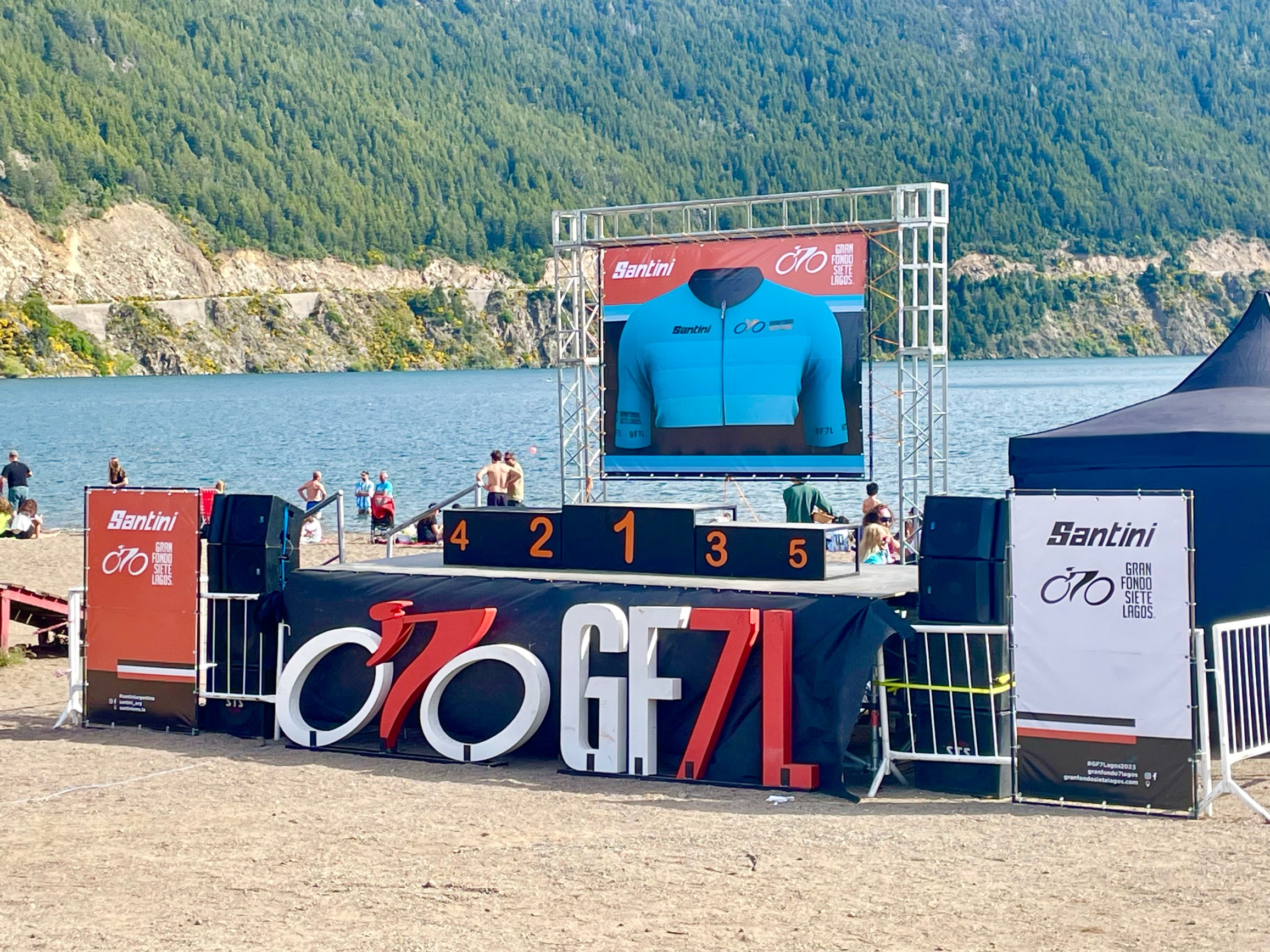
A 110 km bike race ended in San Martin de Los Andes yesterday afternoon – I spoke with a number of riders and the vert was 6,000′. I drove the route and it definitely had plenty of big hills…
Today I’ve decided, with two weeks left in the trip, to head north towards Mendoza and the wine country and then north of there, to the Northwest Territory, a land of huge gerography and contrasts. Should be great. I’m off – catch you in a bit…
Argentina pulls you in, then pushes you away. For a country of its size, relative wealth and population, it’s almost impossible to believe that all of its roads could be so horrible. Driving anywhere constitutes a full contact sport.
The roads in Chile are either paved and good, with an occasional pothole, or unpaved (pretty much the entire Carretera Austral’s 850 miles) but almost always graded, though with fairly frequent washboard sections. They’re not perfect, but they’re predictable, and you know what you’re getting (into).
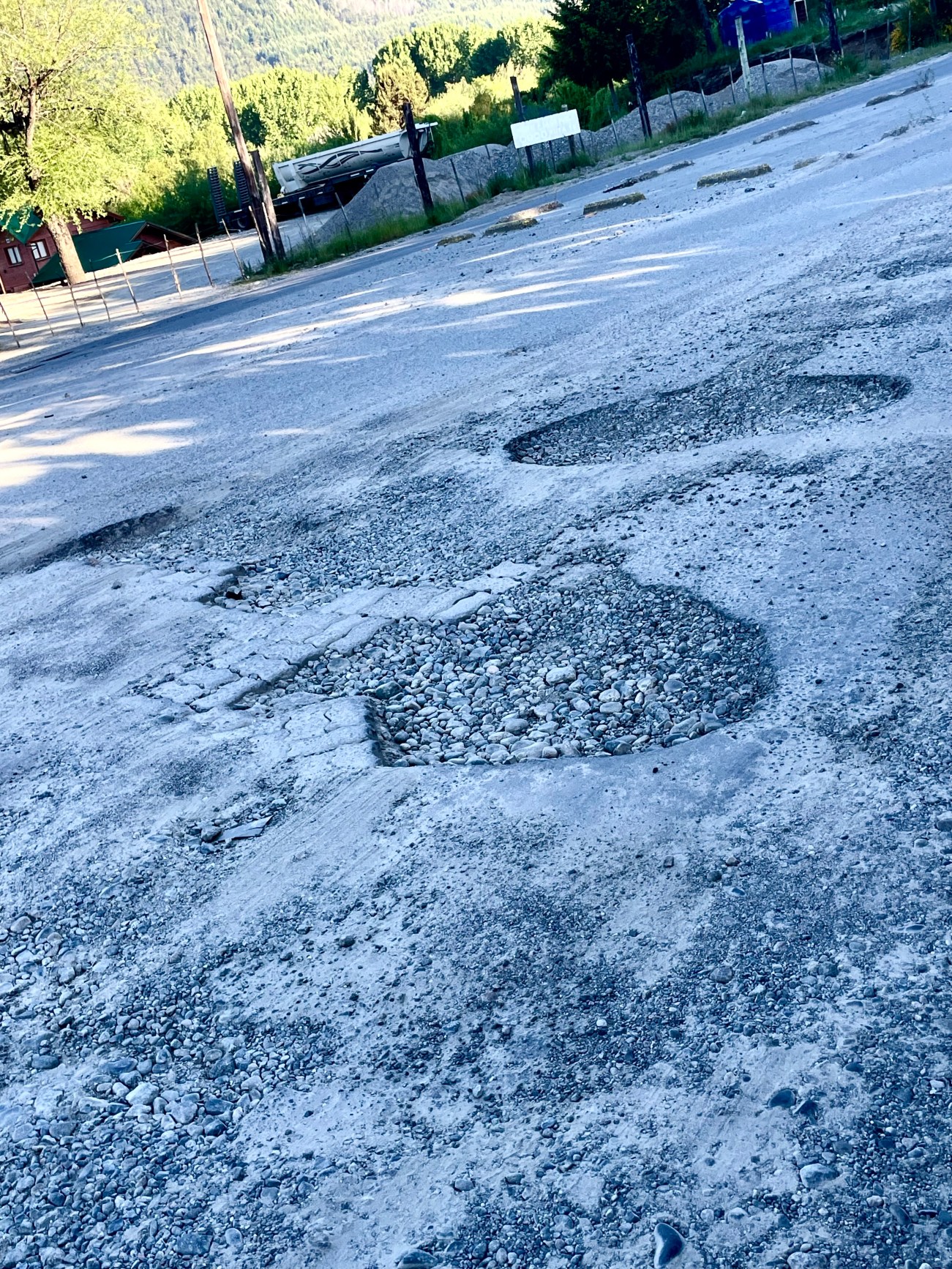
Those in Argentina are scary. Virtually all of them are completely unmaintained, with no warning or traffic signs, severely broken and buckled pavement, totally unpaved sections appearing out of nowhere that cause your vehicle and suspension to drop 6” and then slam upwards into compression mode at highway speed when the pavement suddenly reappears, and really deep potholes everywhere. You’re constantly weaving in and out of your lane (all the roads here are two lane), as are all the other vehicles, including semis barrellng towards you. Another surprise is huge – 8” high and 8’ – 10’ wide – speed bumps that appear randomly with no warning on open stretches and in towns – that rattle you and your vehicle in a particularly nasty way, especially when you didn’t see them until it was too late. It makes for exciting, but pretty darned scary, driving. You choose which potholes to hit because you can’t possibly avoid them all, or even most of them, and you’re continually surprised that the ones you intentionally chose to communicate with were 5” – 8” deep with sheer vertical edges despite appearing to be shallow and relatively harmless on the approach. After you hit them and your vehicle shakes as though it’s gonna come completely apart, you’re sure that you just blew a tire, trashed a wheel and/or left a major suspension component behind you. I’ve almost lost both 5 gallon auxiliary fuel cans (without which I’d have been dinner for lots of condors time and again) innumerable times despite their being strapped down tightly up top. What I’ve realized is that the top layer of asphalt is paper thin, making it very susceptible to all sorts of damage (most often I’d guess from the weight of big trucks). I’ve not seen one road repair crew -not one – since arriving here. Yikes. The places Argentine roads take you, however, are so spectacular that the trade is worth it, as long as you and your vehicle make it through the never ending gauntlet, able to continue onward to the next really cool place.
These were on the very small size, and they’re everywhere.
Gas stations in Argentina are wonderful. They’re community centers, restaurants (that serve coffee hours before any coffee shop or restaurant every morning), grocery stores and places to chill and recharge. They also have clean bathrooms and showers. The perfect adjunct to traveling in a camper.
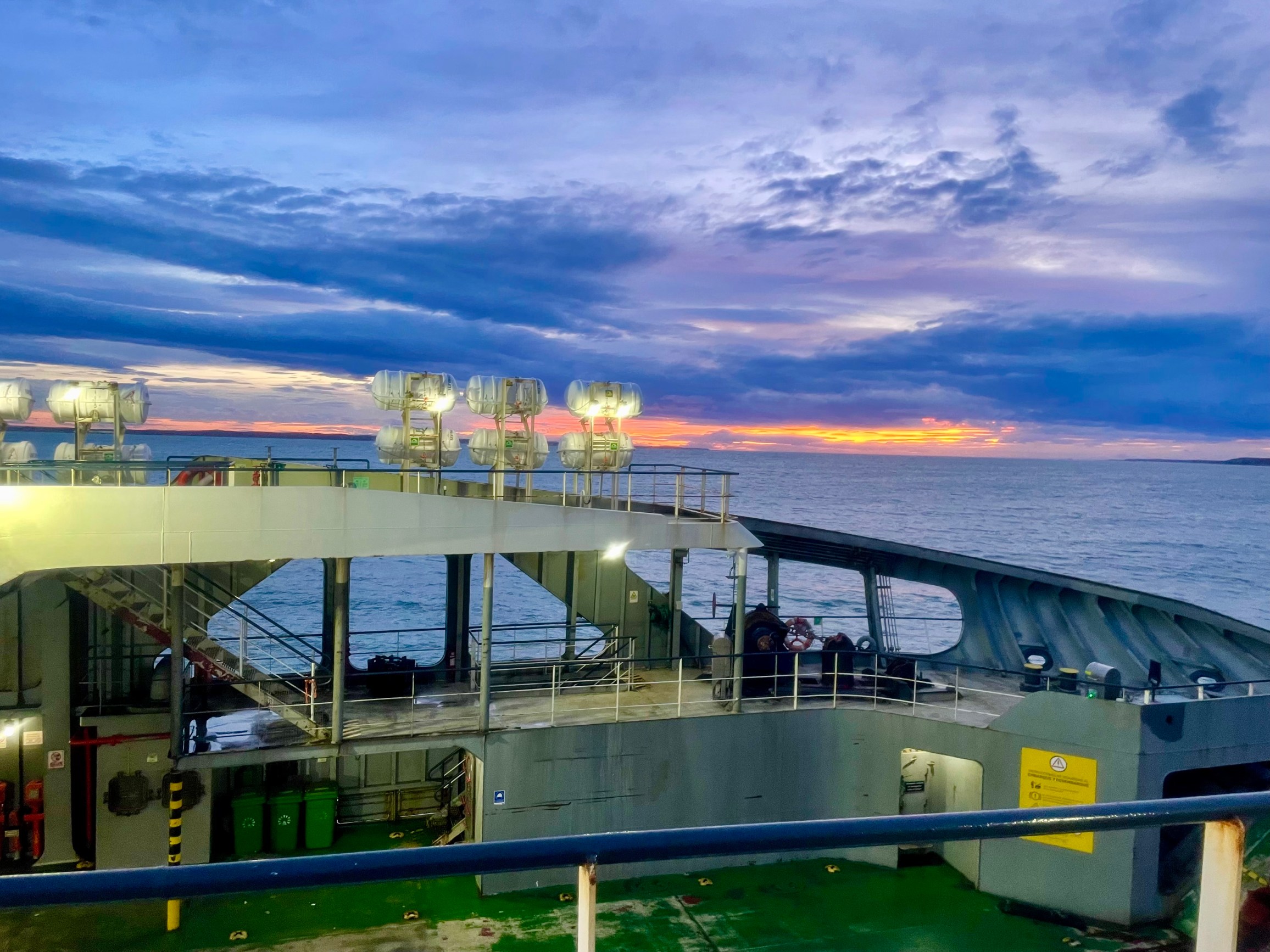
The ferry leaving Tierra del Fuego for the mainland:
OK – enough griping and unloading a screed. Ushuaia was unreal and surreal. It’s the end of the world that really and truly feels like it. It’s hard to explain why, but the terrain, utter ruggedness, ominous weather, ever present ocean views and sublime light all combine to create that vibe in an unmistakable way. Winter, at the end of November (equivalent to the end of May in the northern hemisphere), still has a pretty tenacious grip on things there. It feels like the (rest of the) world is really far away and it’s eminently possible that you just might not rejoin it.
After Ushuaia, and since I couldn’t go any farther south, I turned north, planning on tracing the eastern side of the Andes’ spine from south to north until crossing over back into Chile close to Santiago to head home. First I had to traverse the width of the country, however.
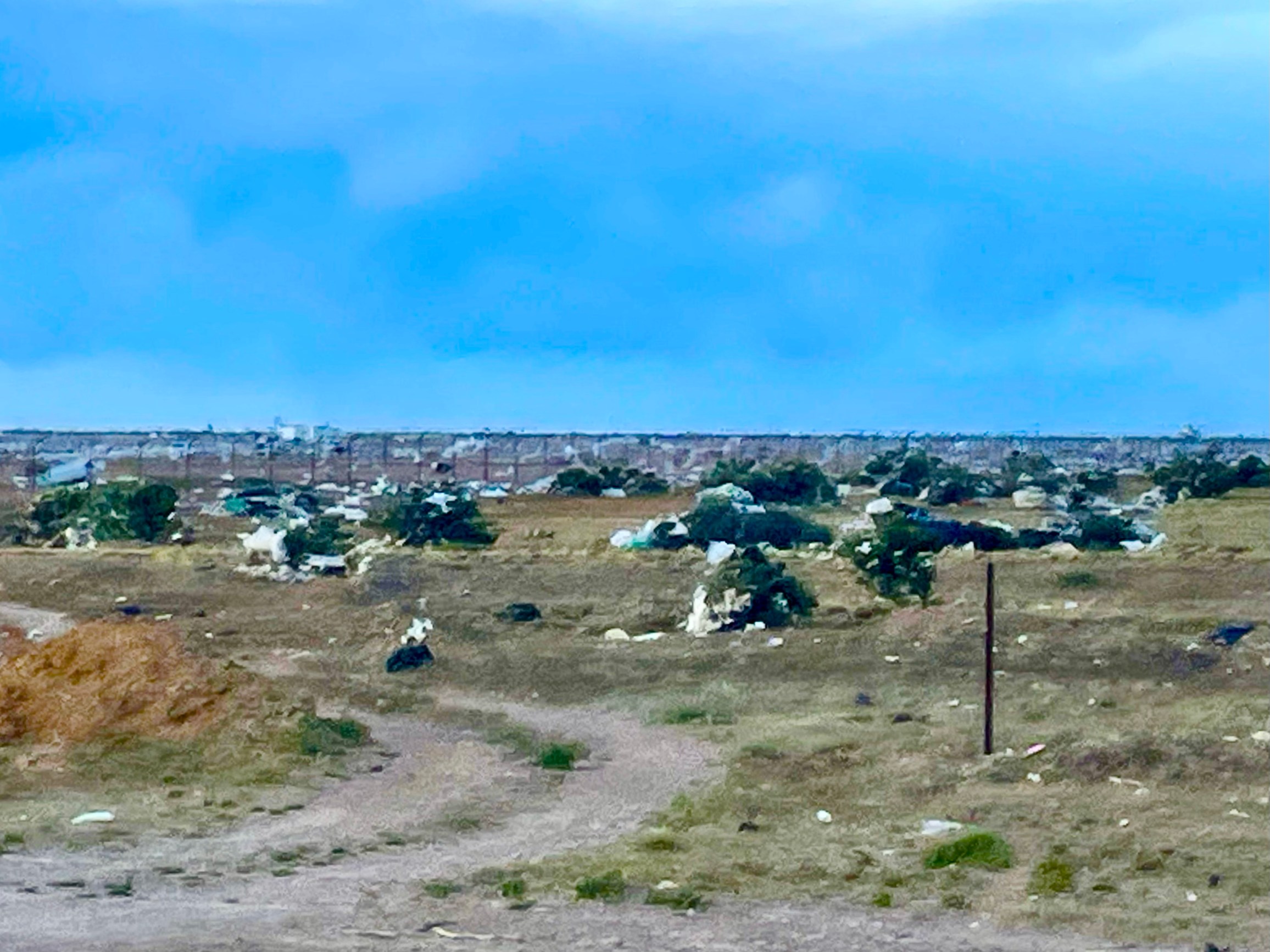
The distances have been huge. Getting from Ushuaia to where I just arrived, in El Bolson, took 1,260 miles of gnarly driving over two and a half days (something I could almost bang out in a day back home…). The expanses are huge, bleak, poor and uninspiring. I now understand why almost no one lives down there. Some of its towns are downright dystopian, with plastic trash strewn for miles in every direction, clinging tenaciously to the low green shrubs that manage to eke out an existence in the harsh wind and weather, flapping violently in the stiff breezes endlessly. Multiply this photo by 1,000 and you’ll get an idea of many of these outposts. It’s really sad – if everyone mobilized and spent a weekend (or several) together, it could all be removed. That they choose to leave it, scarring the landscape and making their own towns look completely forlorn and disgusting, is pretty disturbing to me. Perhaps it speaks to a collective sense of hopelessness…
The landscape slowly became more interesting as I traversed from the flat and featureless east, close to the Atlantic, to the rolling hills then mountains and valleys approaching the Andes. Late night fireworks:
A roadhouse in the middle of nowhere:
Love is everywhere…
Kilroy was definitely here:
Perito Moreno, where I spent a night after a big push, is a charming big town / small city. I refueled, showered in an immaculate gas station bathroom (very common here), had breakfast and did some shopping. Esquel was my next stop, 200 miles north on Argentina’s famed (famed for what – destroying vehicles?) Ruta 40.
Gettin’ good north of Perito Moreno:
Esquel, a really cool mountain town that’s not yet on the social media / tourist radar:
That was a big hill:
The drive between Esquel and El Bolsón was mind bendingly beautiful. El Bolson is pretty darned cool too. Apparently quite a few Americans have settled here to create a bit of a boomer hippie community. I guess the natural beauty, climate and cost of living have made it easy.
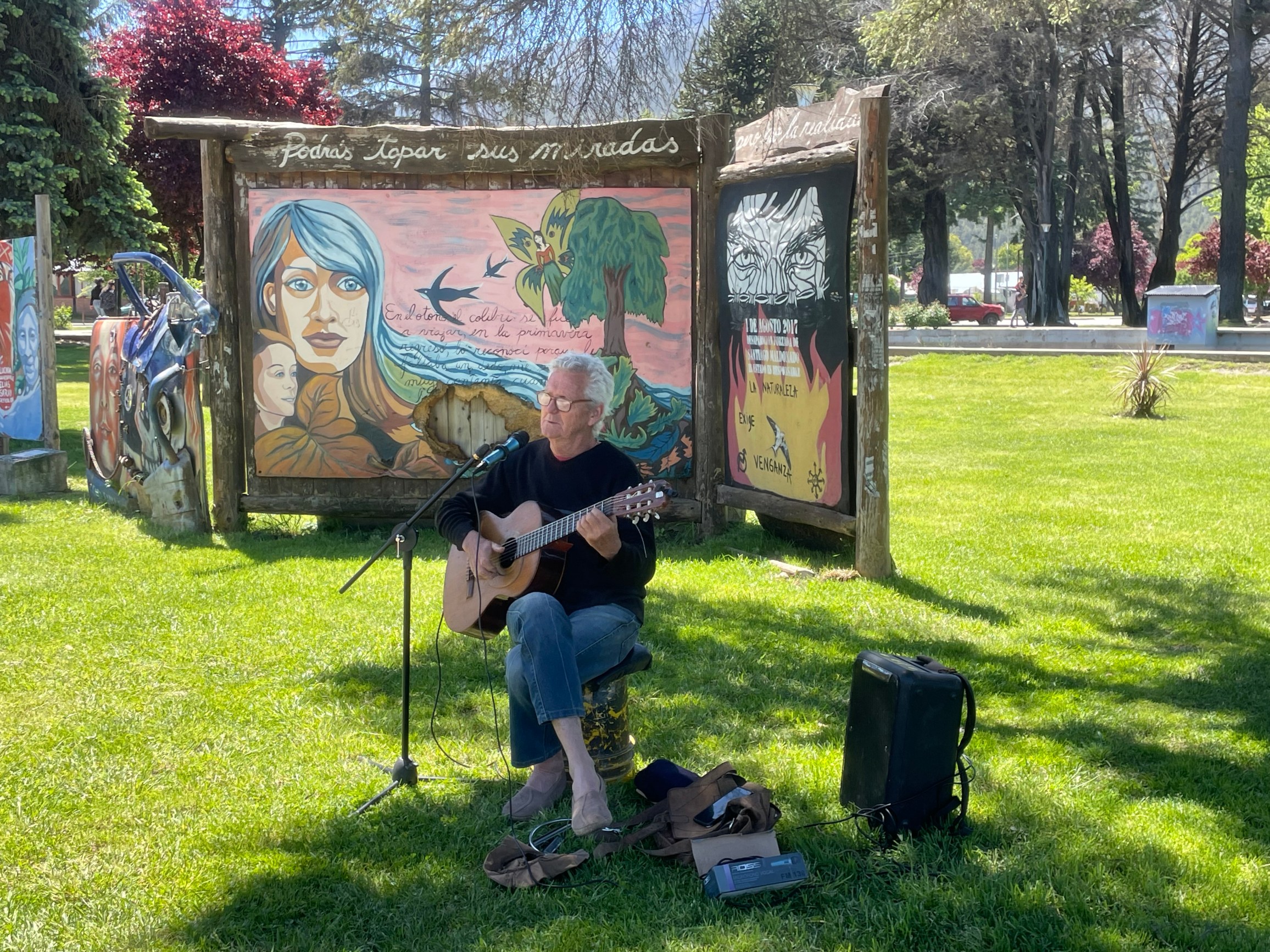
Local musical talent. He jammin….
An interesting fact here – the valleys are typically only 1,000’ – 2,000’ above sea level, but the peaks are huge. Verticals of 8,000’ to 10,000’ abound, so you feel as though you’re amidst giants, which you are.
I’ll be able to slow down quite a bit now, as the next 800 miles or so are filled with cool towns, lakes, mountain, glaciers and national parks and I have two and a half weeks left to see them. I’m hanging in El Bolson for a couple of days, having laundry done, restocking provisions and regrouping. After that I’ll hit the legendary Bariloche, The Seven Lakes, a bunch of national parks and finally, before re-entering Chile, Mendoza then Aconcagua – the tallest peak in the western hemisphere at 22,838′. That’s a big ‘un…
Off to trek – All Trails is amazing here – it has it all. Heading upwards now and will report back in a couple of days 🤟.
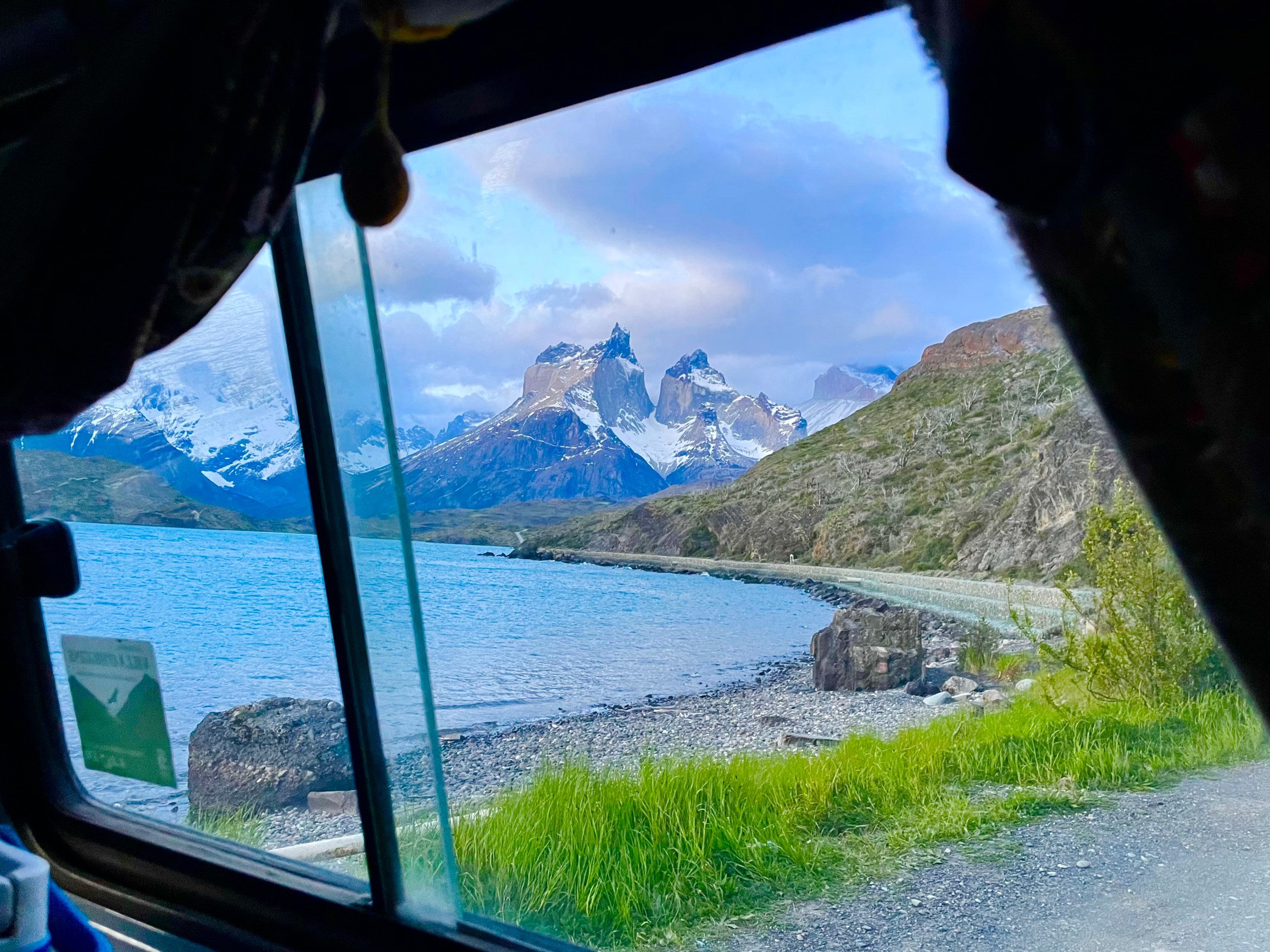
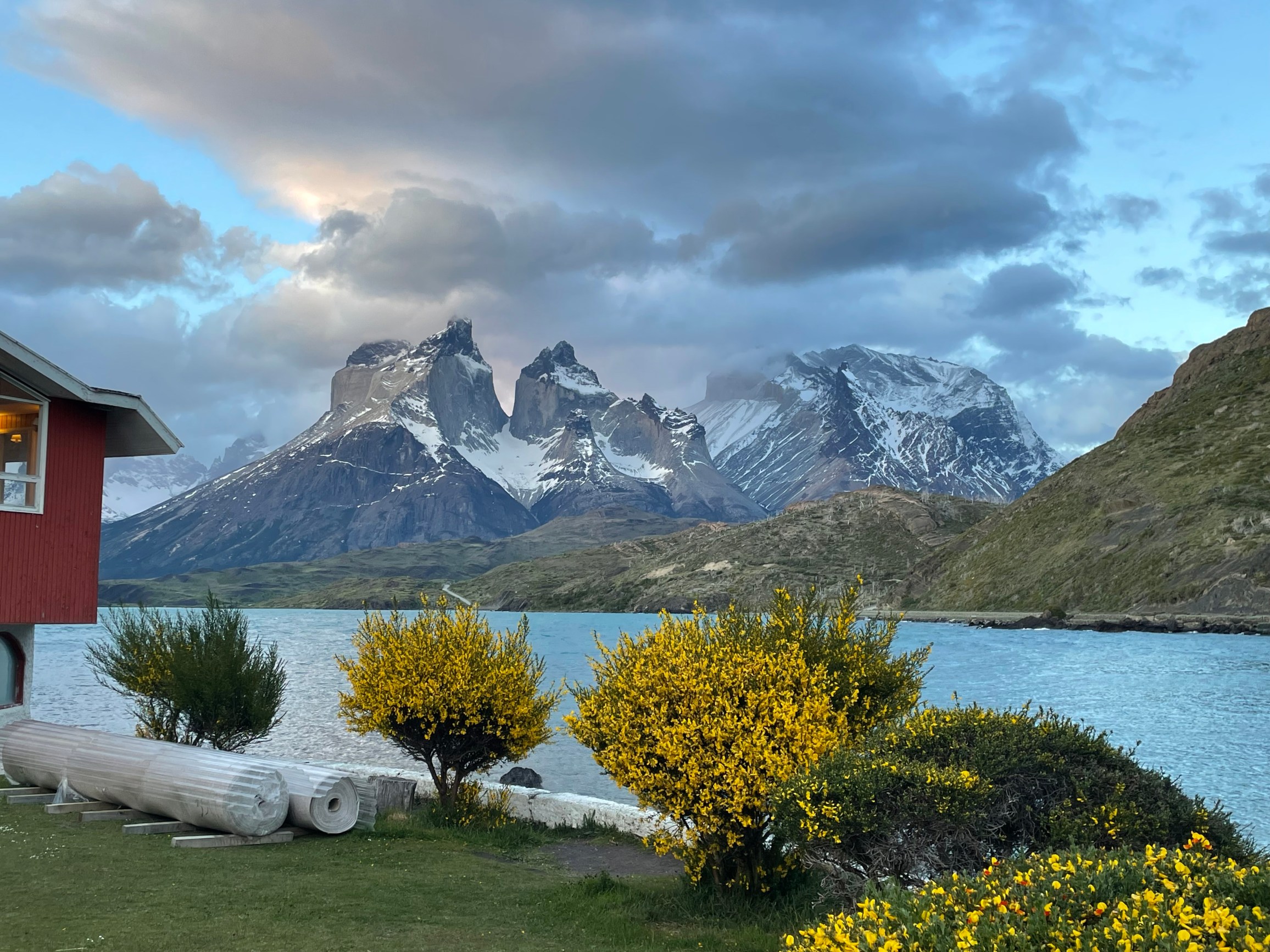
The view from inside my camper upon waking up in Parque Nacional Torres del Paine the other morning. Kind of other worldly:
Today marks twenty one days into the journey – the halfway mark. It’s been absolutely awesome so far – no major or minor problems, no mechanicals – which is amazing with the number of bone jarring miles I’ve driven on unpaved and washboard roads, if you could call some of them that. I’ve felt like I’ve been in the zone every day, which is very special.
Time takes on a unique characteristic on these long trips. Initially, it feels on a multi week voyage that the trip will last forever. As the midpoint nears, time becomes very much like a piece of taffy – it stretches and shrinks back on different days and vantage points, providing the alternate feeling that the trip will last indefinitely, then that it’s whizzing by at a very quick pace. I’ve found that being in the moment and appreciating how special each day is is what it’s really all about.
Current events – Argentina just elected a completely inexperienced right wing nut job as President (he campaigned with a chain saw, pledging to abolish the central bank, dollarize the economy; inflation is running at 145% so far this year), close two-thirds of all federal agencies and end the public handouts (which of course bought votes) that have characterized the past twenty years of federal government largess and resulted in the de facto bankruptcy of South America’s second largest economy. As we like to say up north – “Good luck with that.” The interesting thing to me is that no one seemed concerned about the results (56% – 44% win). It seems as though people have concluded that the status quo has failed them, and they’re willing to roll the dice on a whack job. Gee – where have we heard that before?
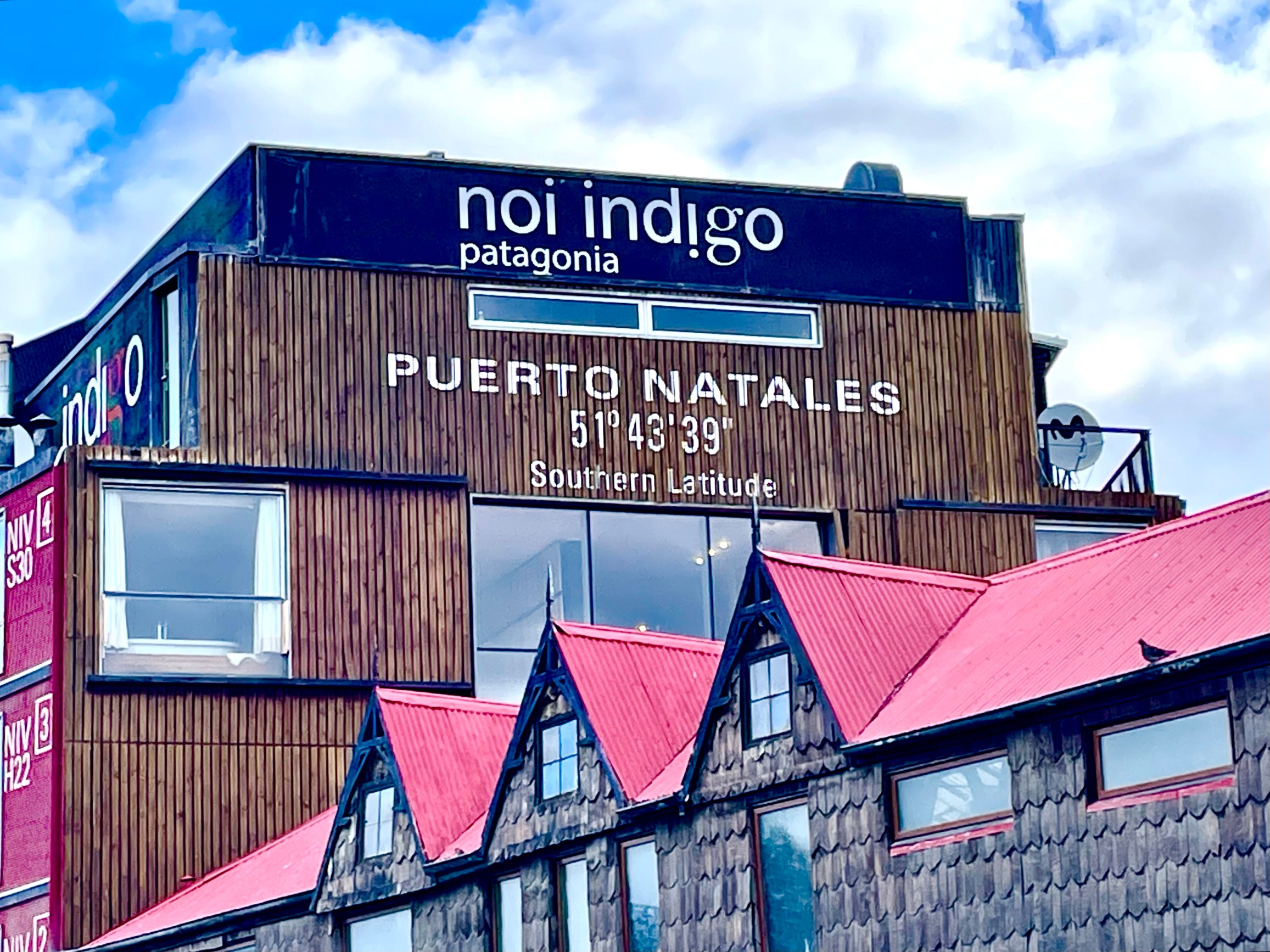
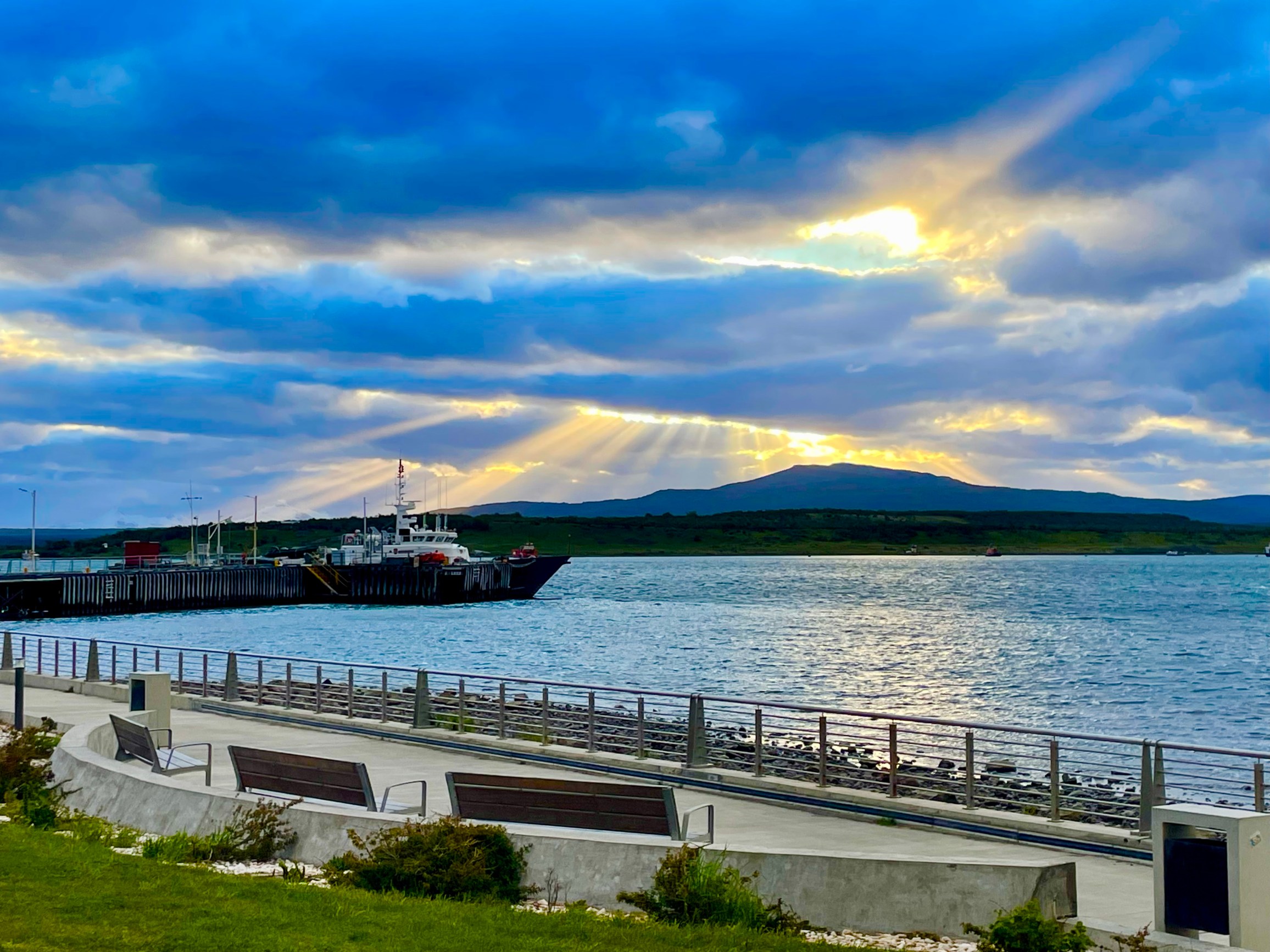
Anyway, I cruised from Torres del Paine NP to Puerto Natales, a really beautiful town that has pivoted over the past twenty years from fishing and bue collar industrial work to tourism. It’s now the central jumping off point for visiting Torres del Paine, and it has many charms borne of its humble beginnings combined with recently opened upscale restaurants and hotels catering to tourist dollars and Euros. Some photos there:
En route from Puerto Natales to Punta Arenas, getting closer to Tierra del Fuego:
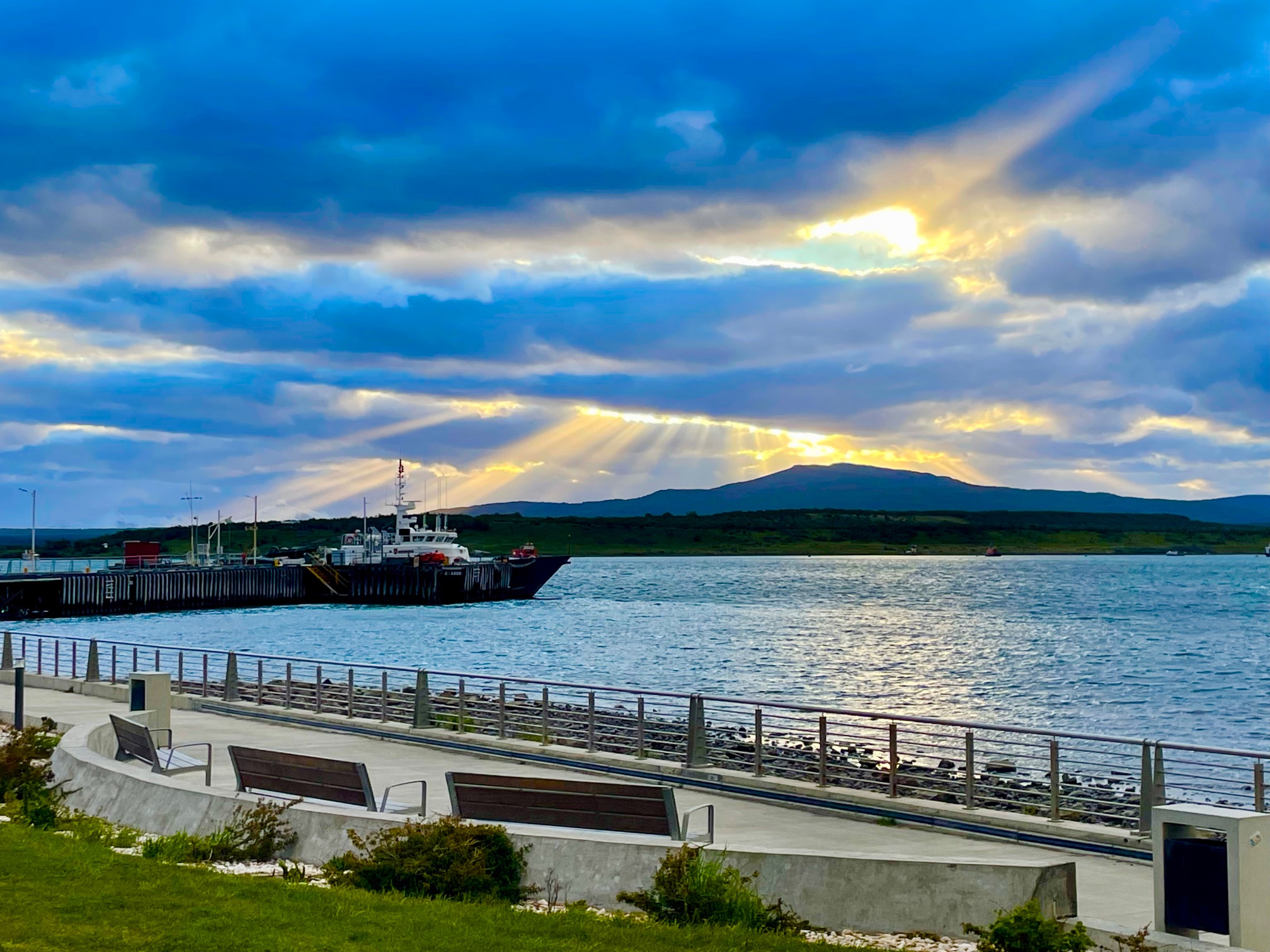
Punta Arenas was nothing special. Big and gritty, I found that I was ready to take off within hours of arriving.
Oh, yeah…
Another ferry required to continue southward:
In:
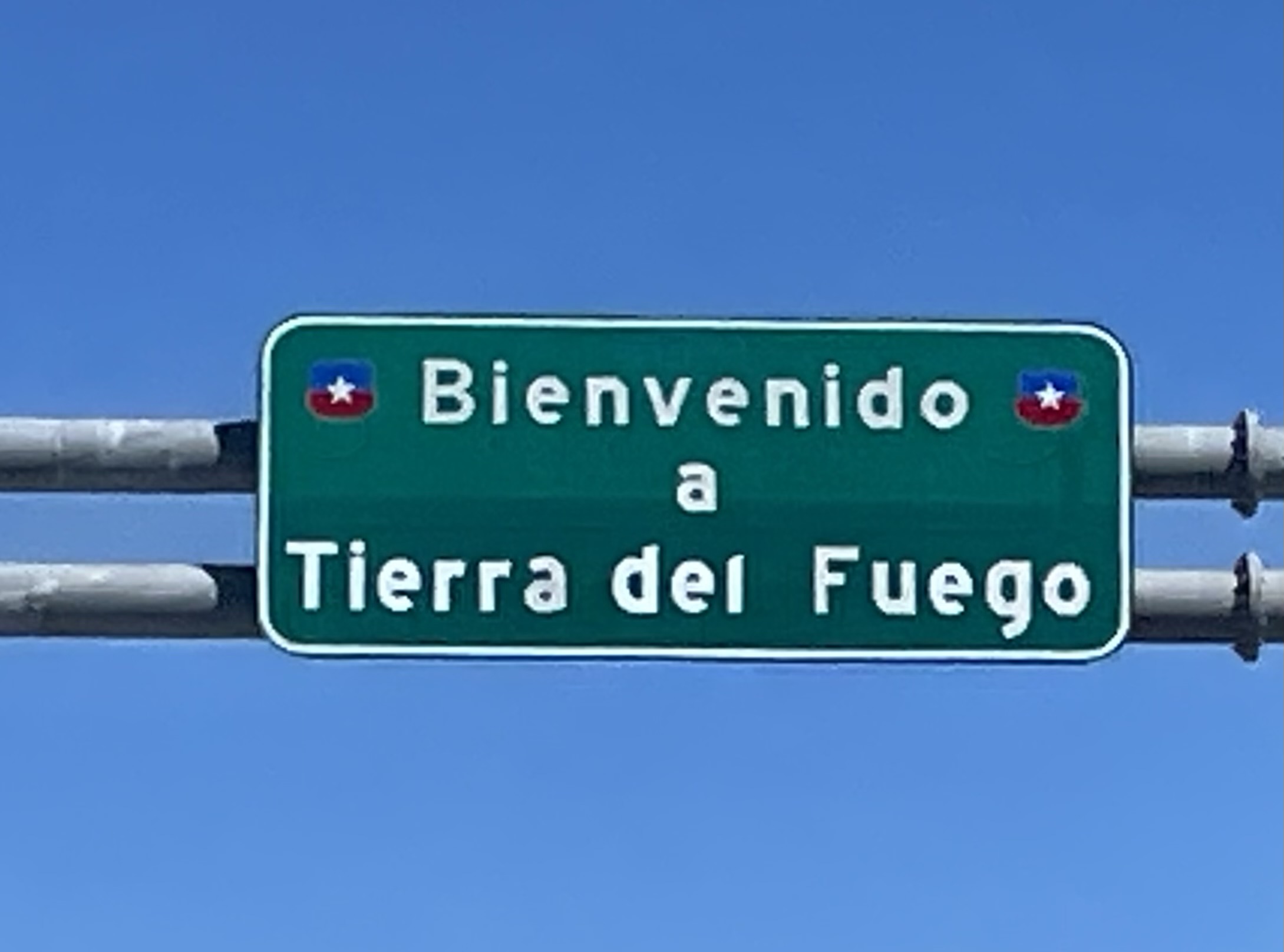
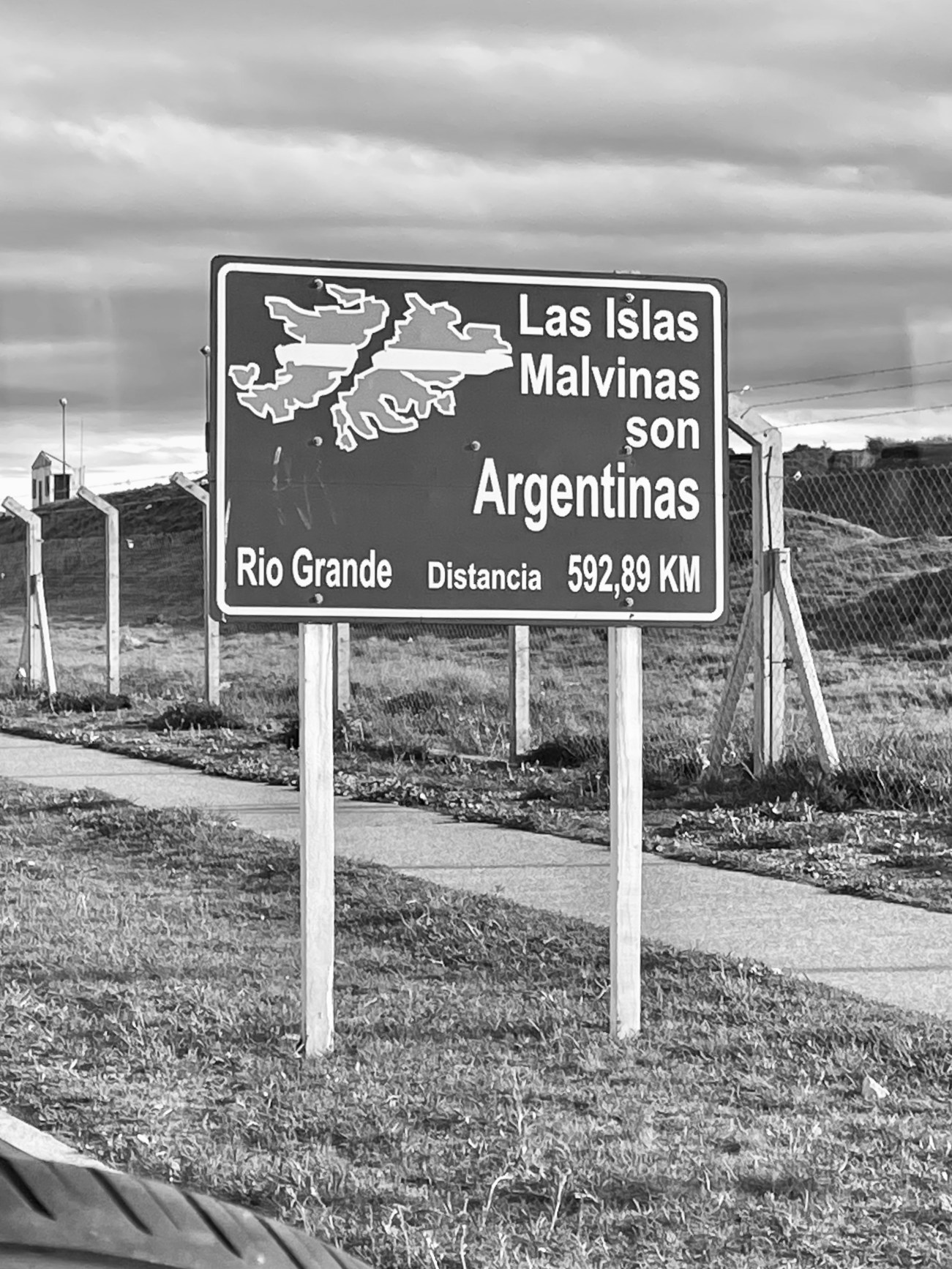
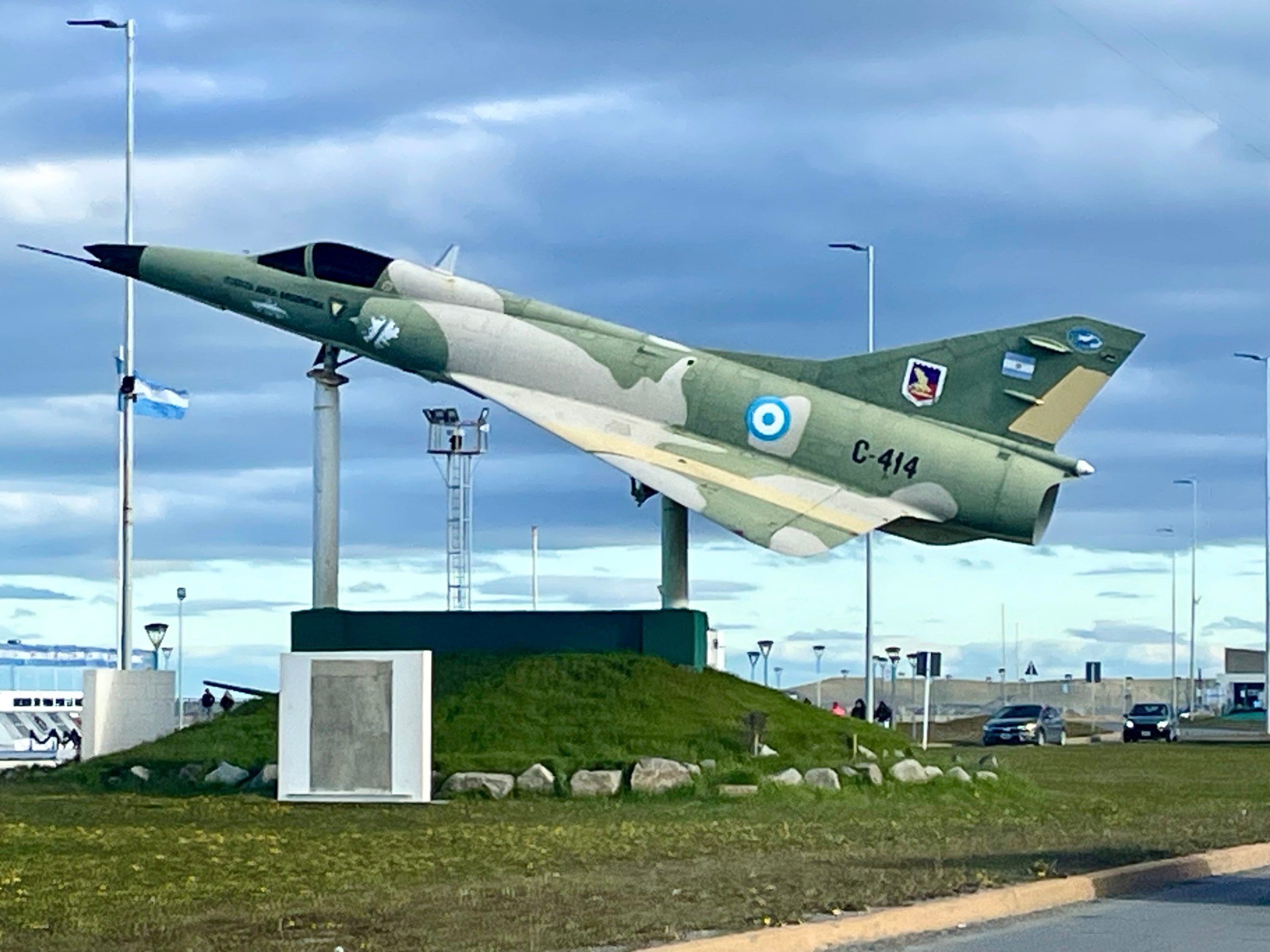
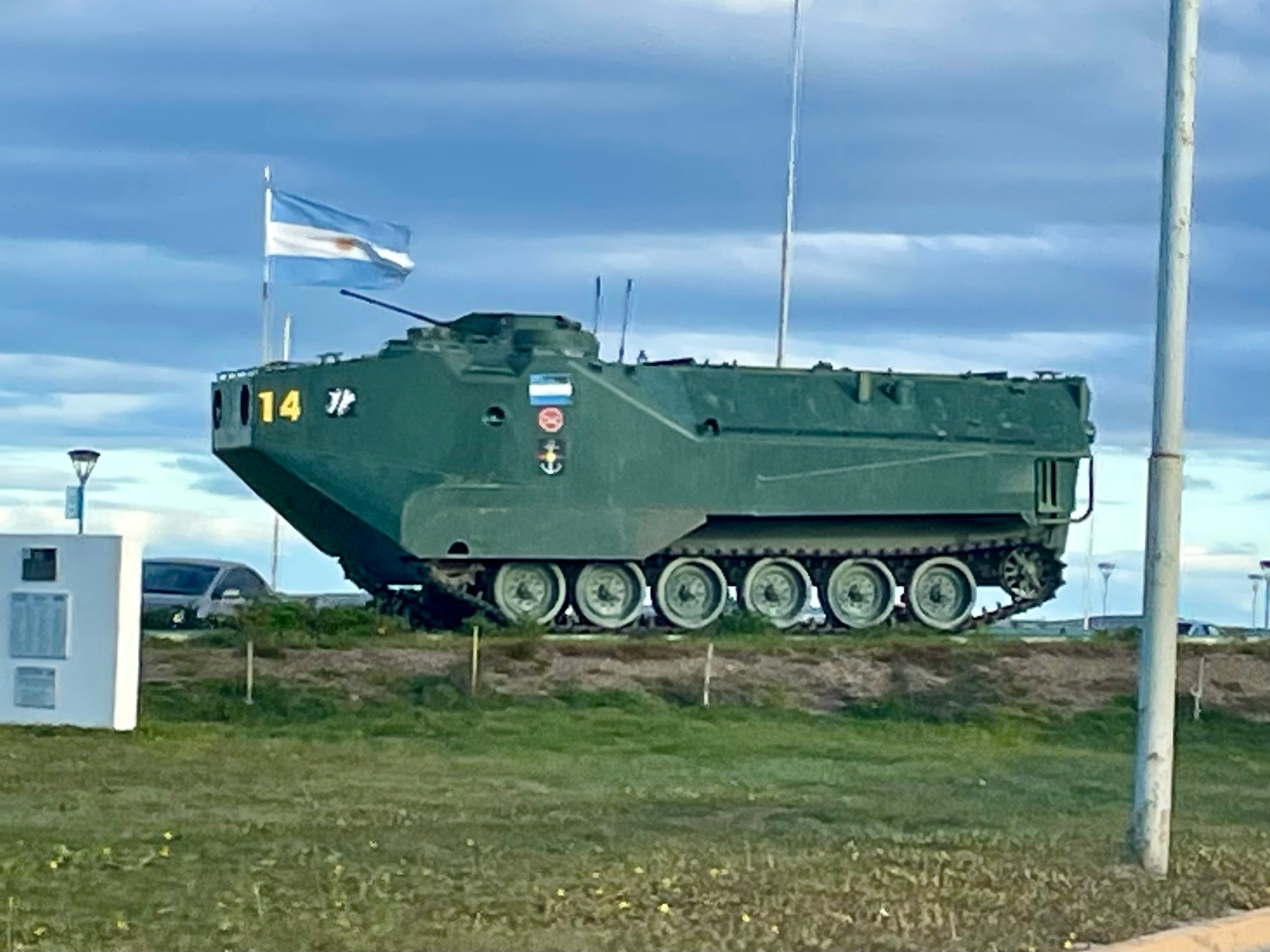
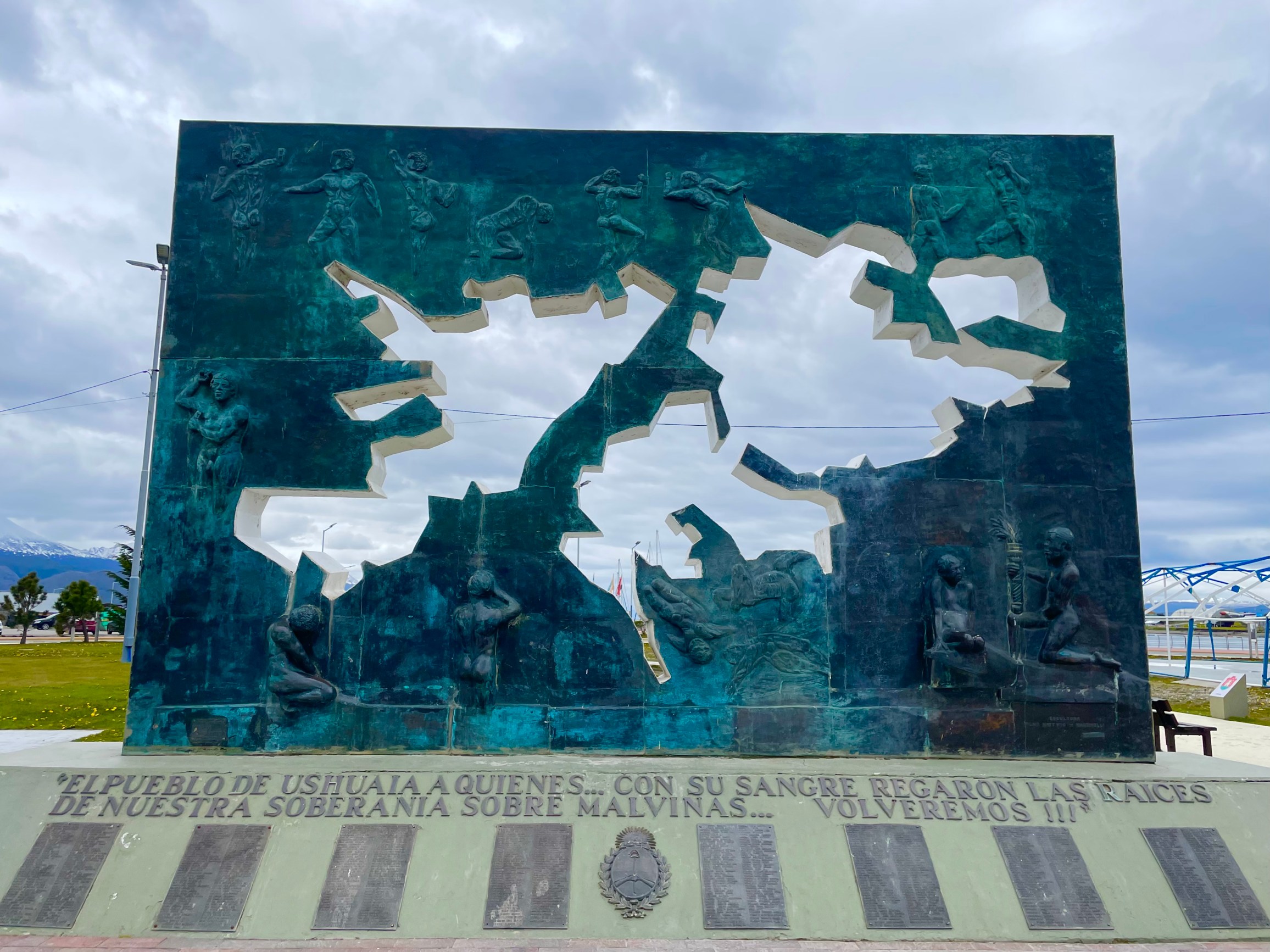
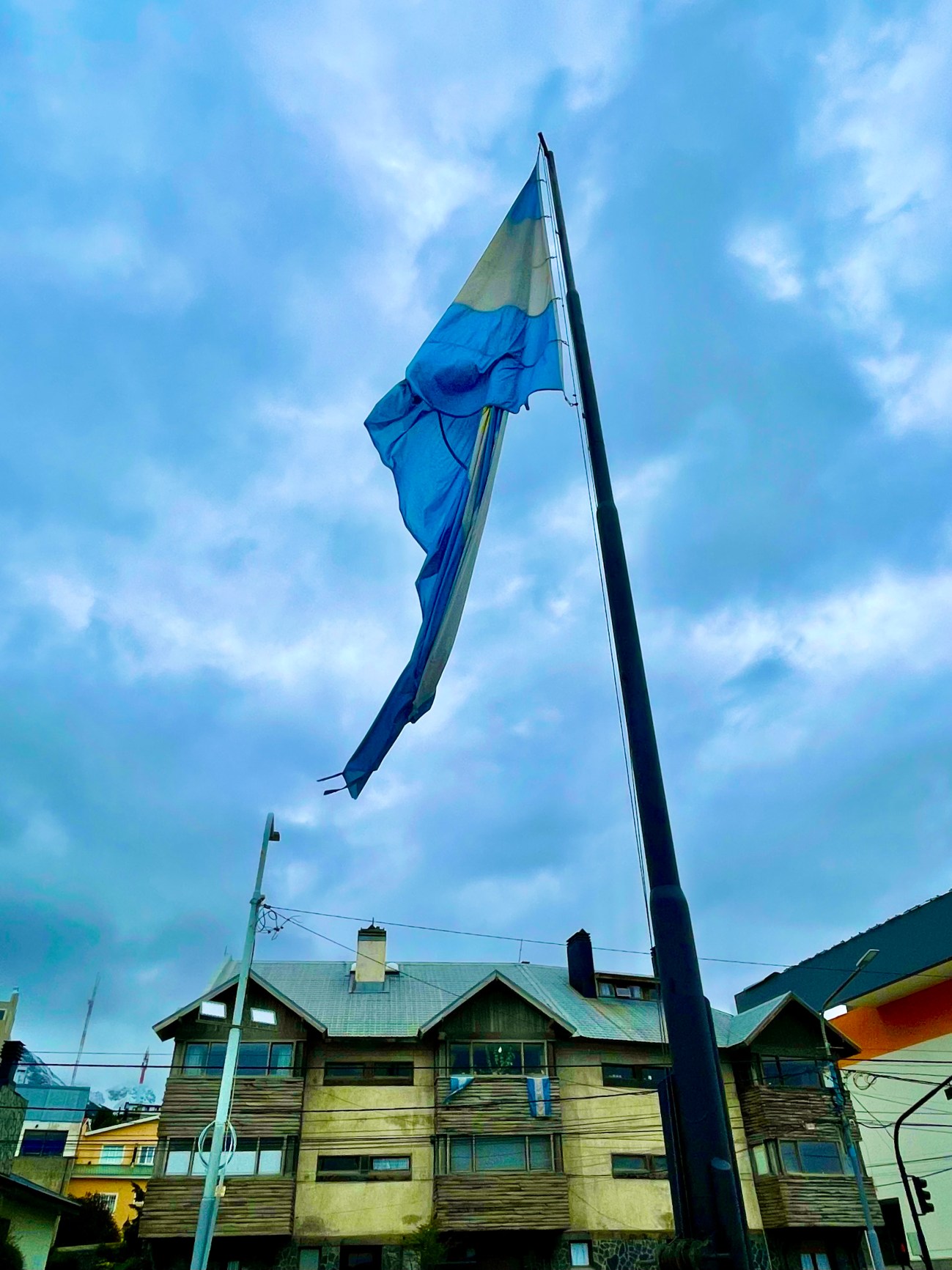
I stopped in Rio Grande for dinner and fuel. Nothing special – it is Tierra del Fuego’s commercial hub, but it’s pretty much a dump for its 95,000 residents, IMHO. It does shout valiantly about the Falkland Islands War of 1982, in which Argentina unsuccessfully attempted to seize by force the islands that they have always called Las Malvinas. Britain sent an armada and task force 8,000 miles to defend its honor (nothing of commercial or natural resource value lies within these islands), and both sides suffered huge casualties and materiel losses before agreeing to a truce that solved neither’s claims. Ultimately, the UK prevailed through an agreement recognizing its colonial era sovereignty, but Argentina still lays claim to the islands located only 350 miles from its coast. Memories of the war are still quite fresh forty one years on:
Tell it to the Brits….
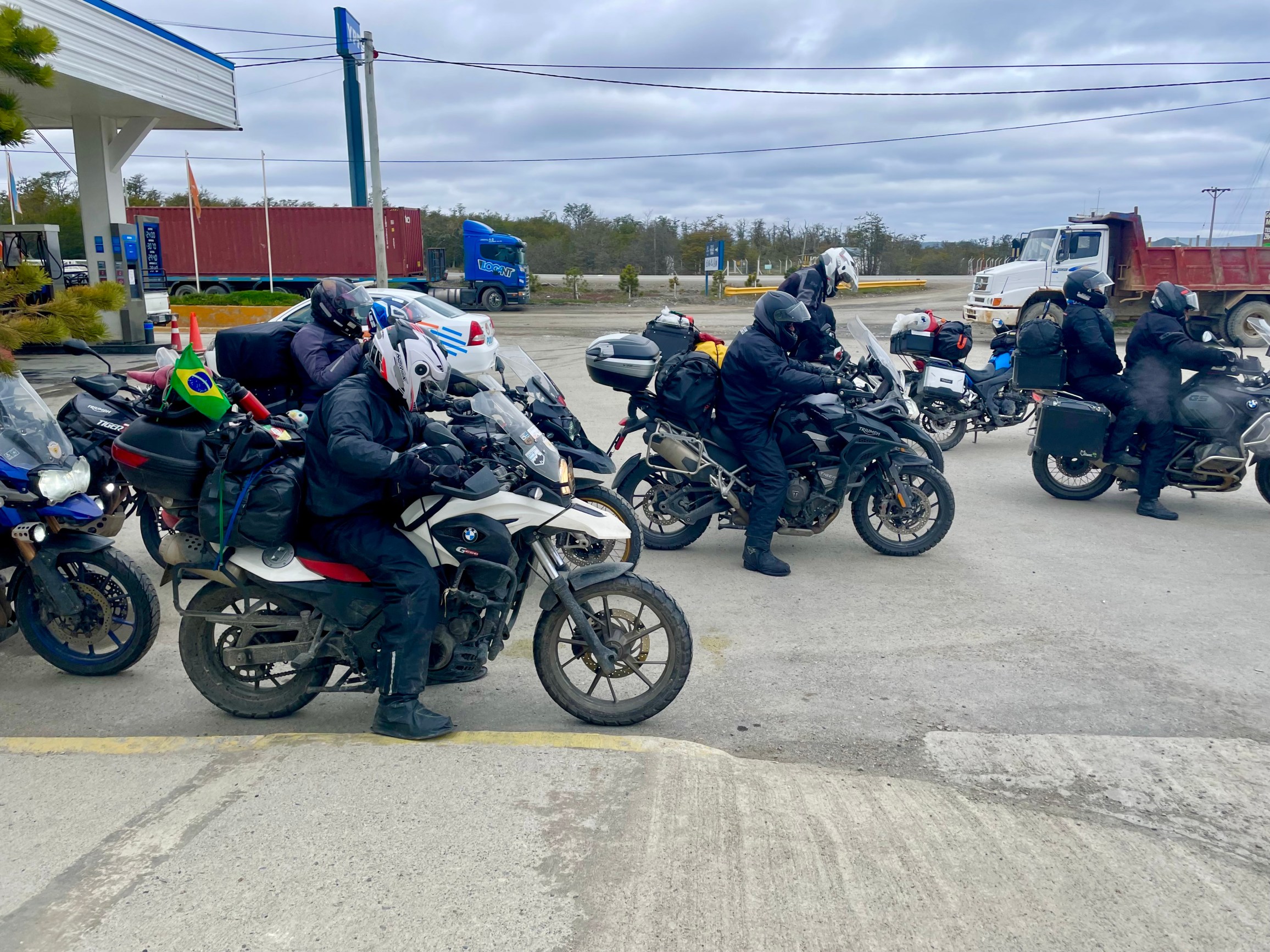
I came upon these hearty (and crazy) Brazilians about sixty miles outside of Ushuaia. It was 34F out and raining – not good riding conditions, to say the least – but they were boisterous and stoked for their journey north to Torres del Paine. I love riding my GS, but I also prefer not to freeze my ass (and other body parts) off…
Getting closer to Ushuaia, the mystical end of the Earth and southern most city on the planet:
Nature just reaches out and grabs you down here. I love feeling really small.
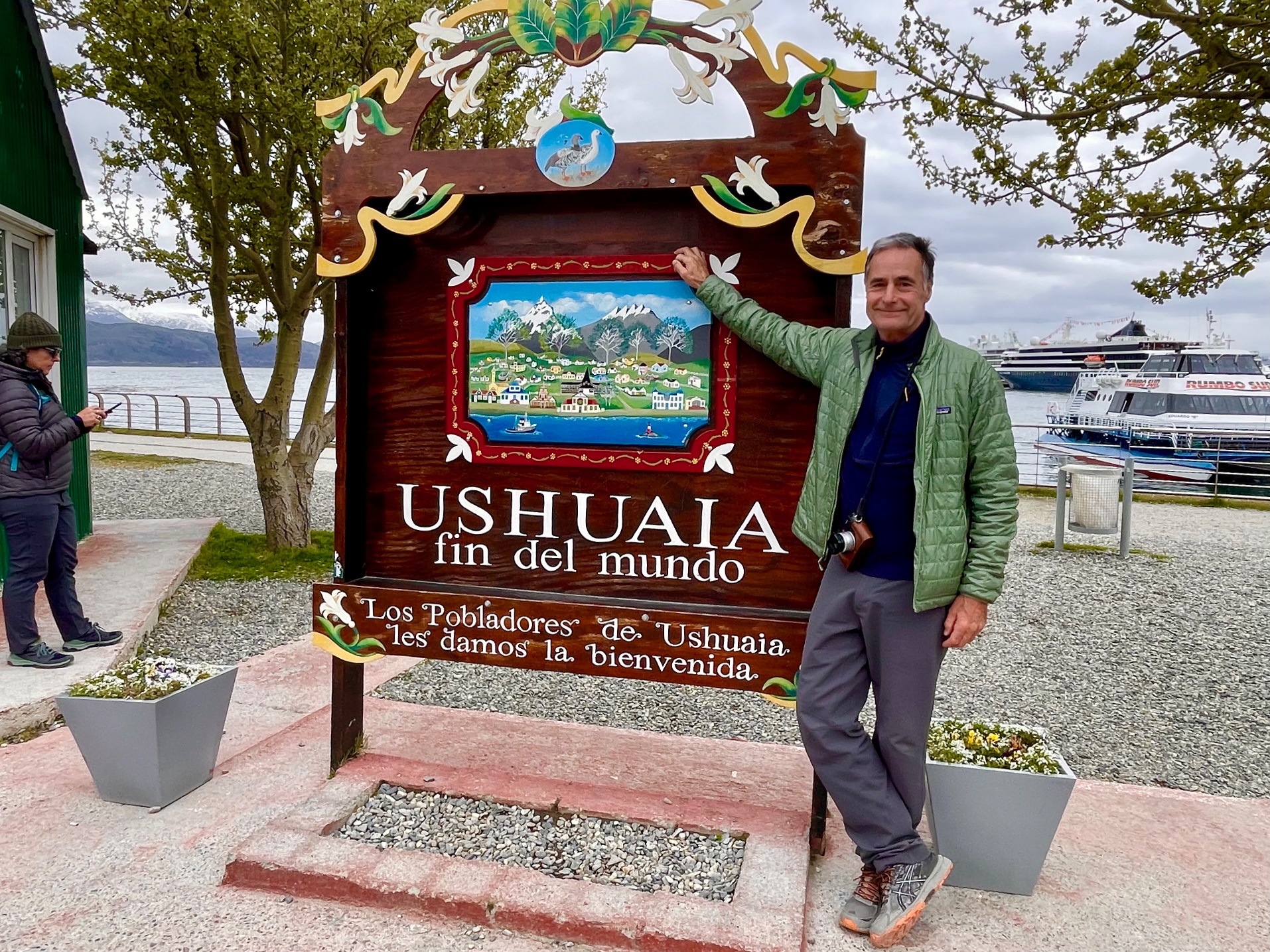
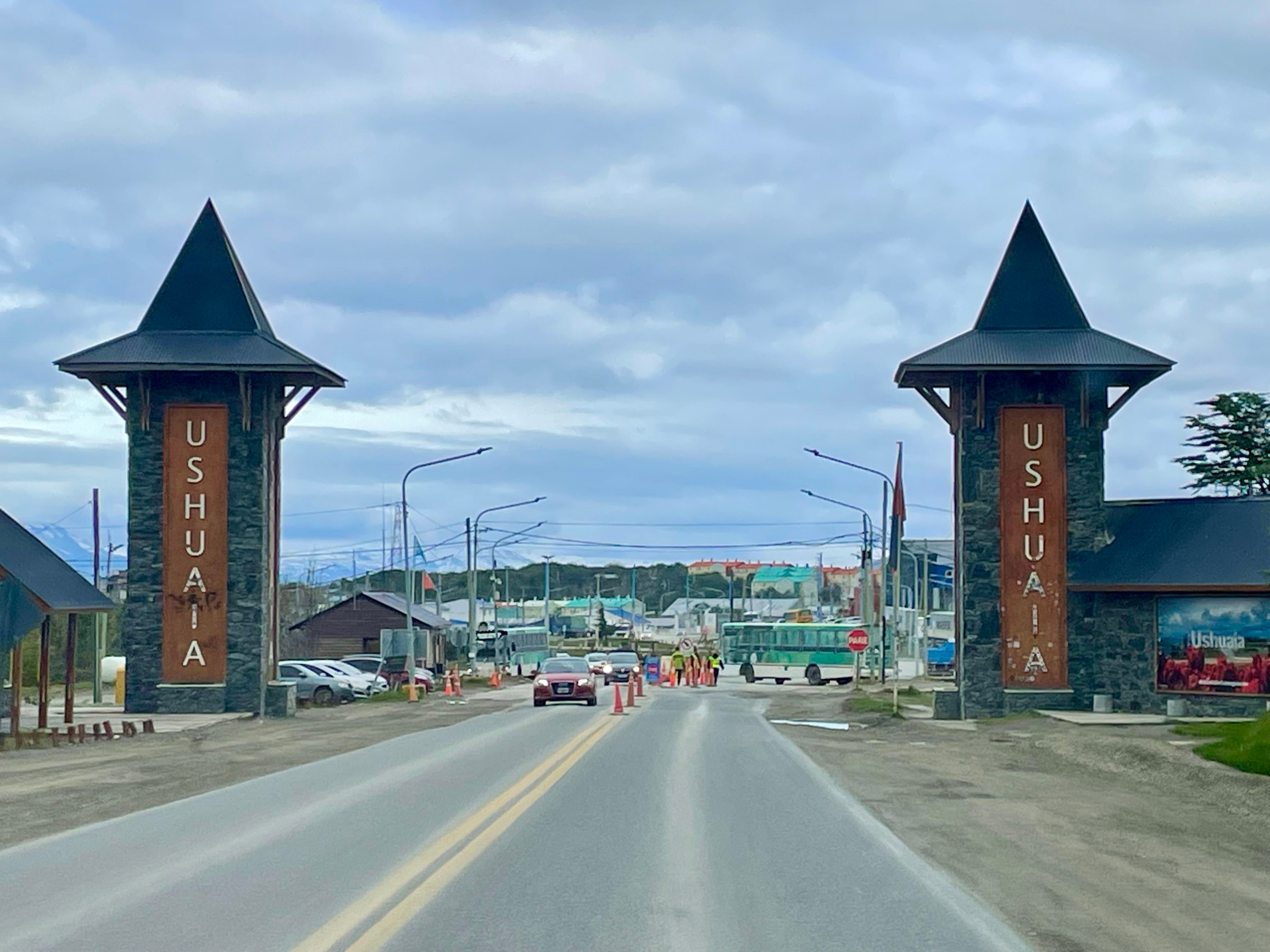
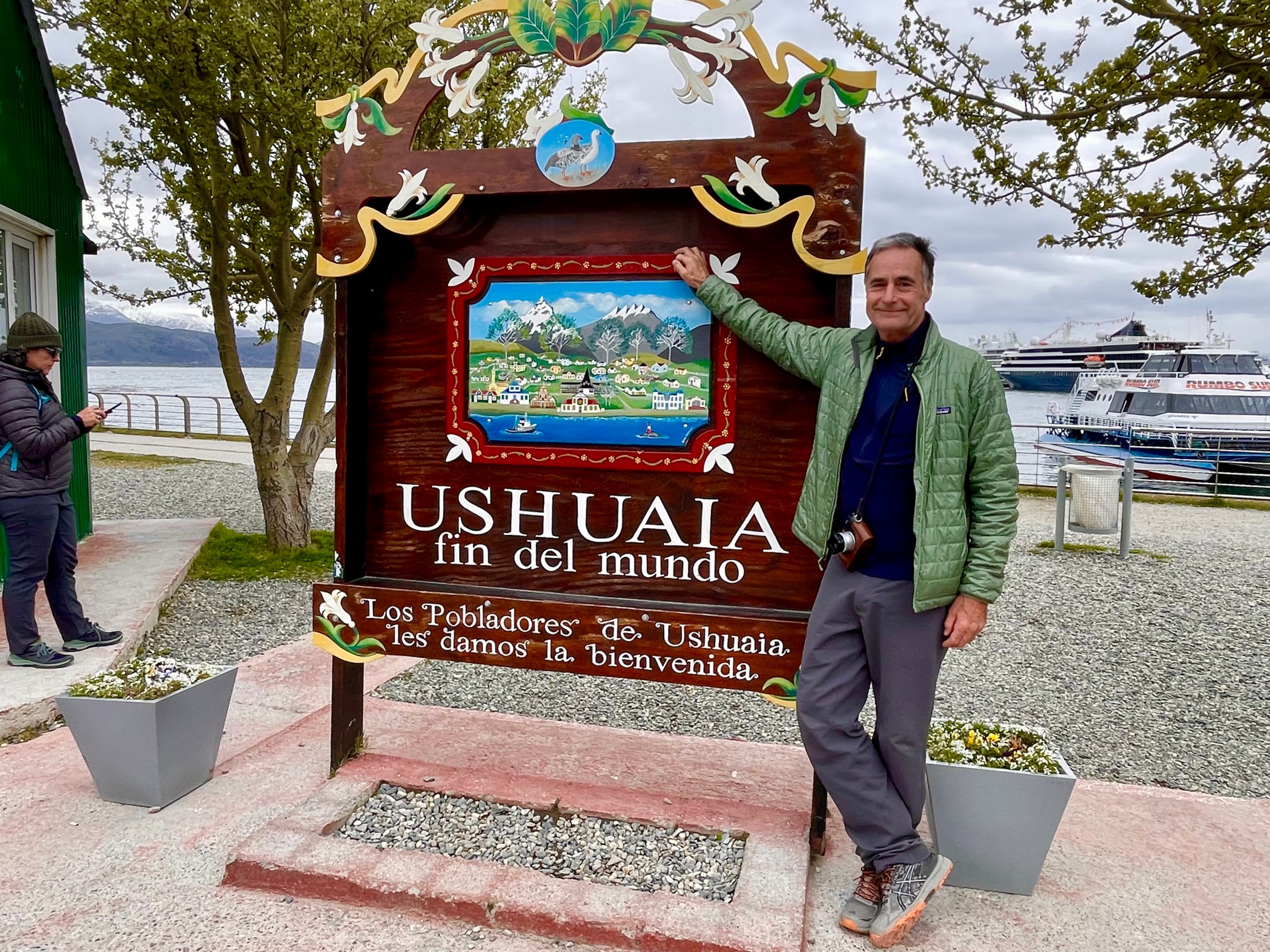
Ahhh – touchdown:
Ushuaia is impossibly beautiful in its natural setting and vibe. It has boomed as a tourist mecca, especially for Antarctica tours (I passed on that – it takes 7-10 days minimum to spend two hours looking at penguins and snow; and I’m not a cruise fan). Everywhere you look, nature’s grandeur beckons. Mountains and the sea cradle its downtown, and lush evergreen forests, rivers and lakes abound.
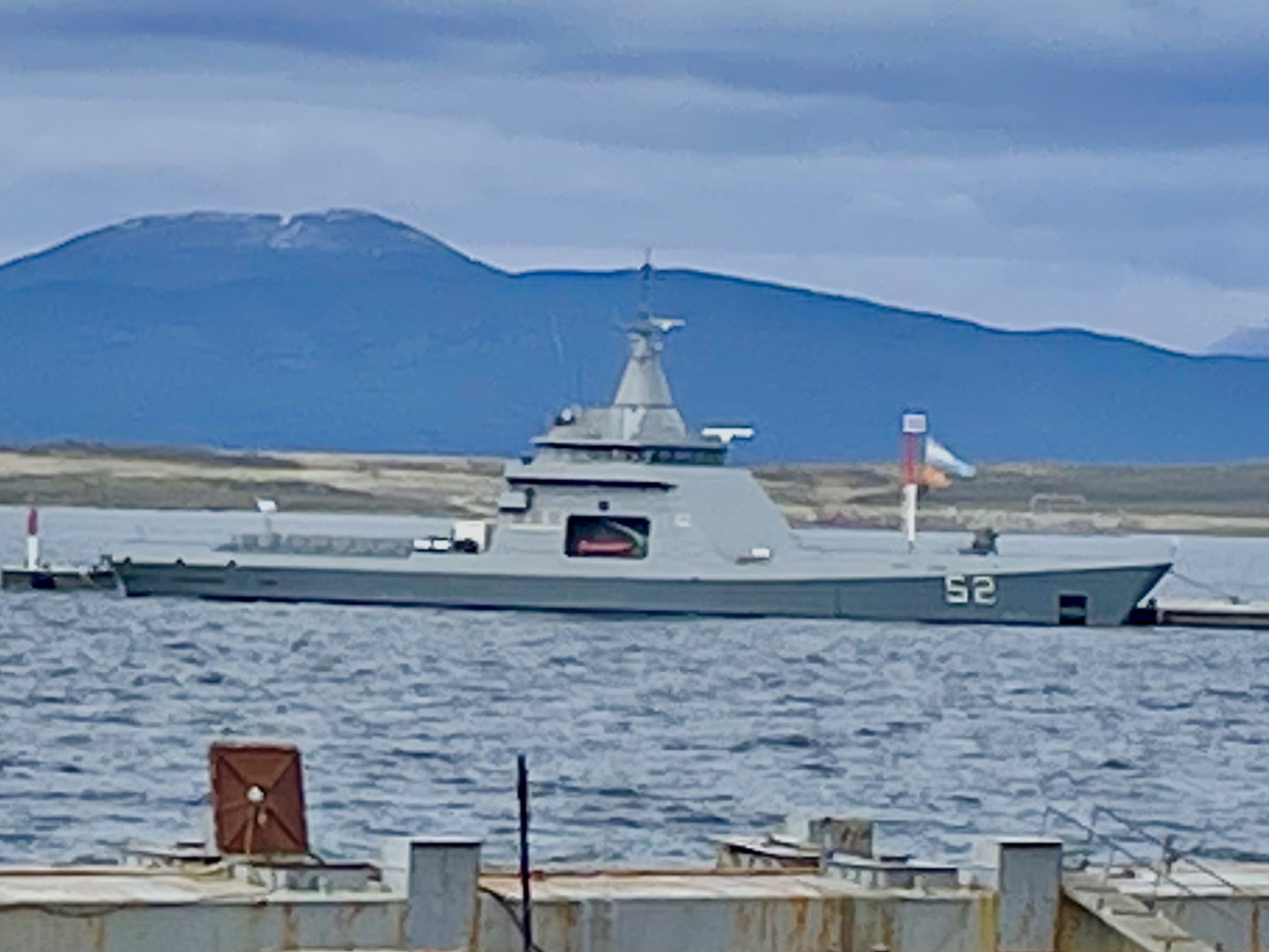
The only Argentine naval vessel that survived the Falkland Islands War (just kidding…).
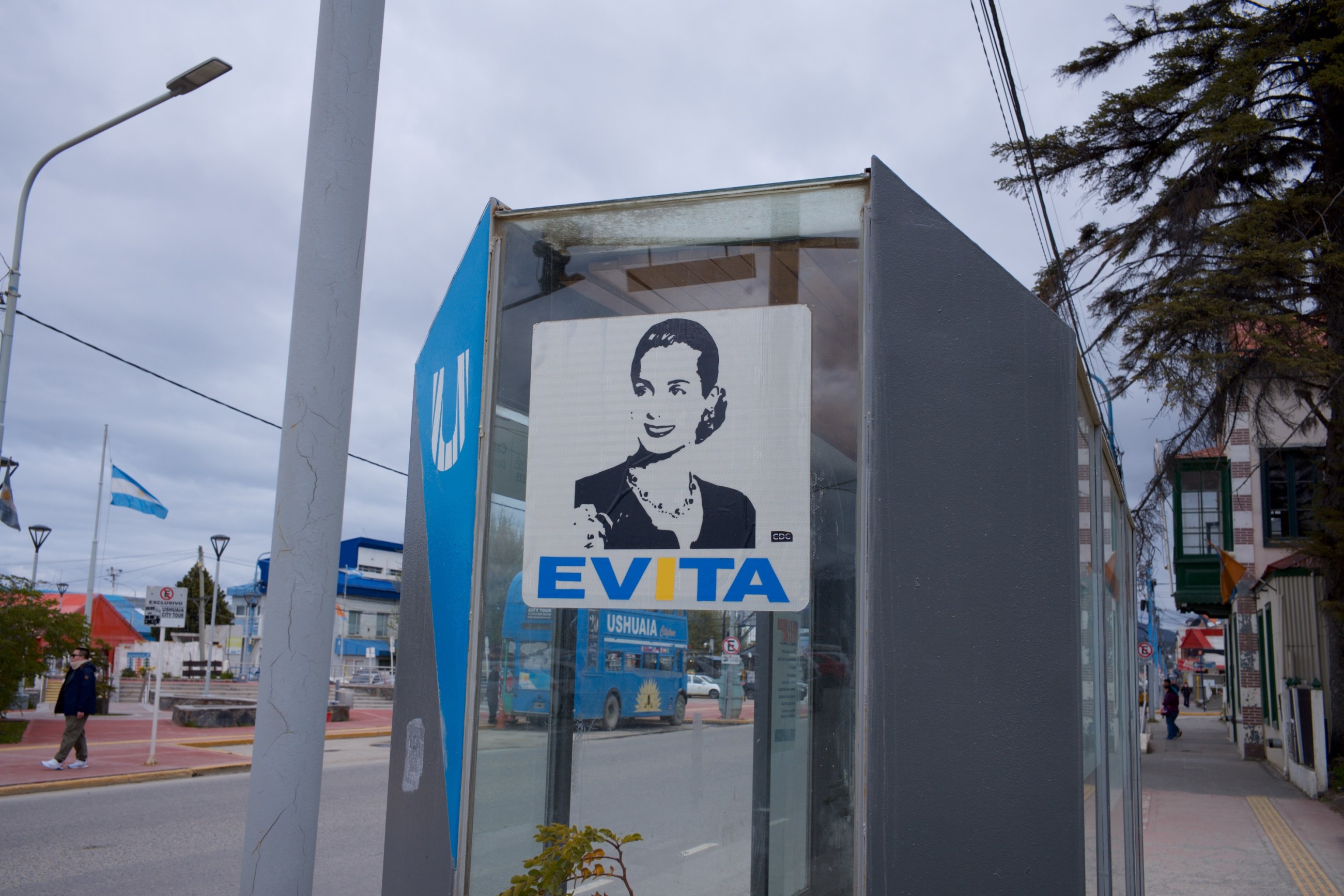
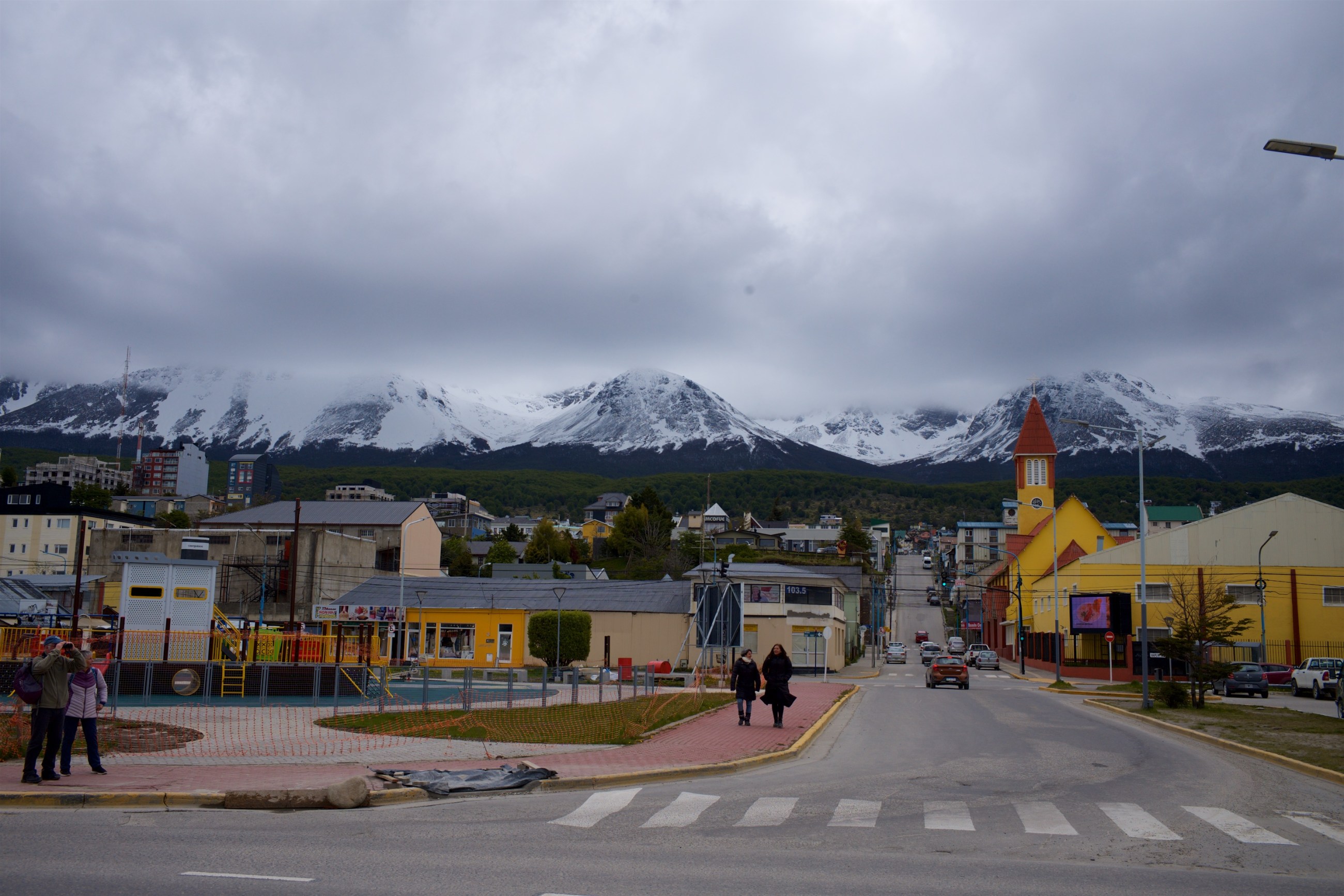
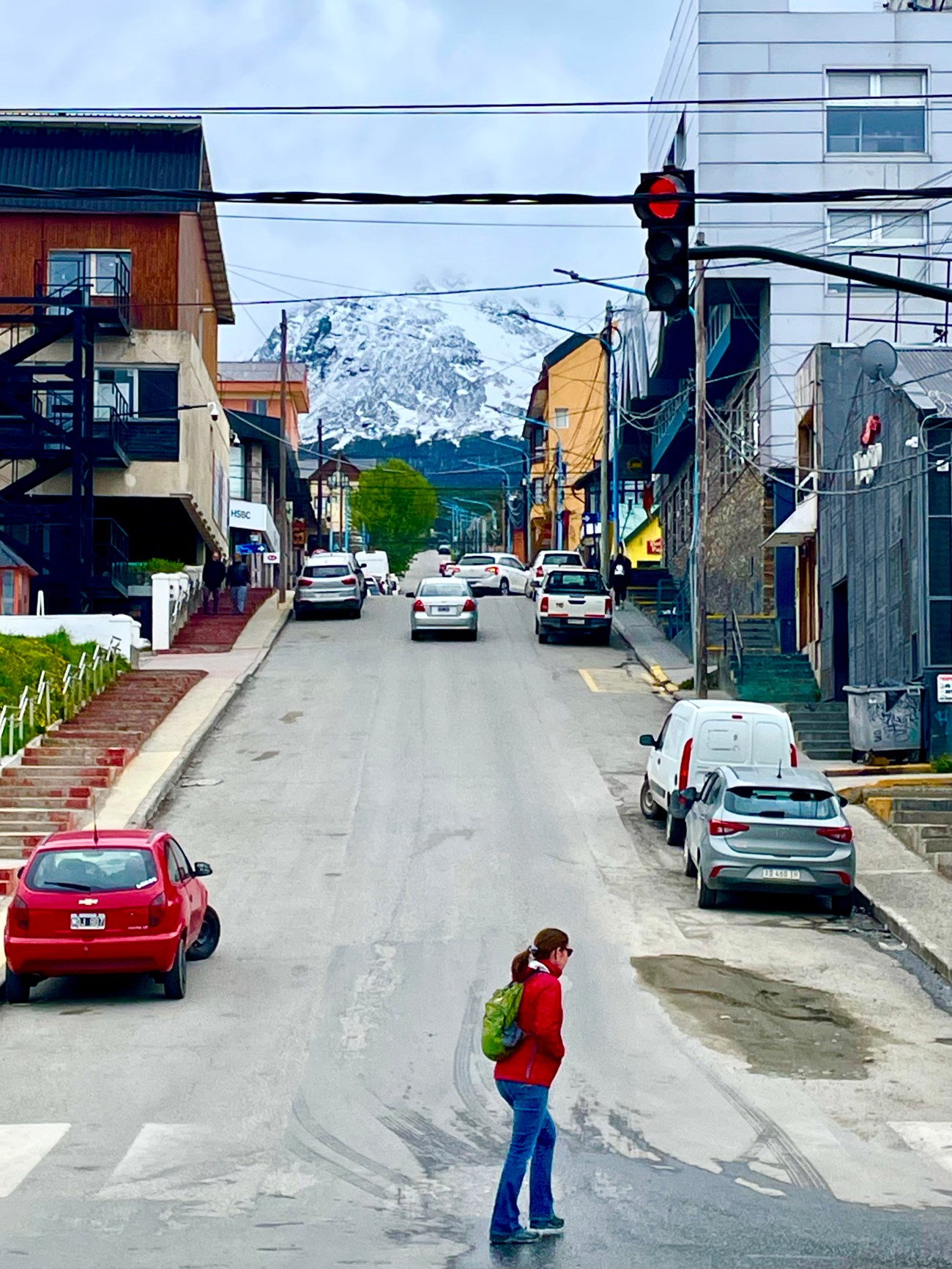
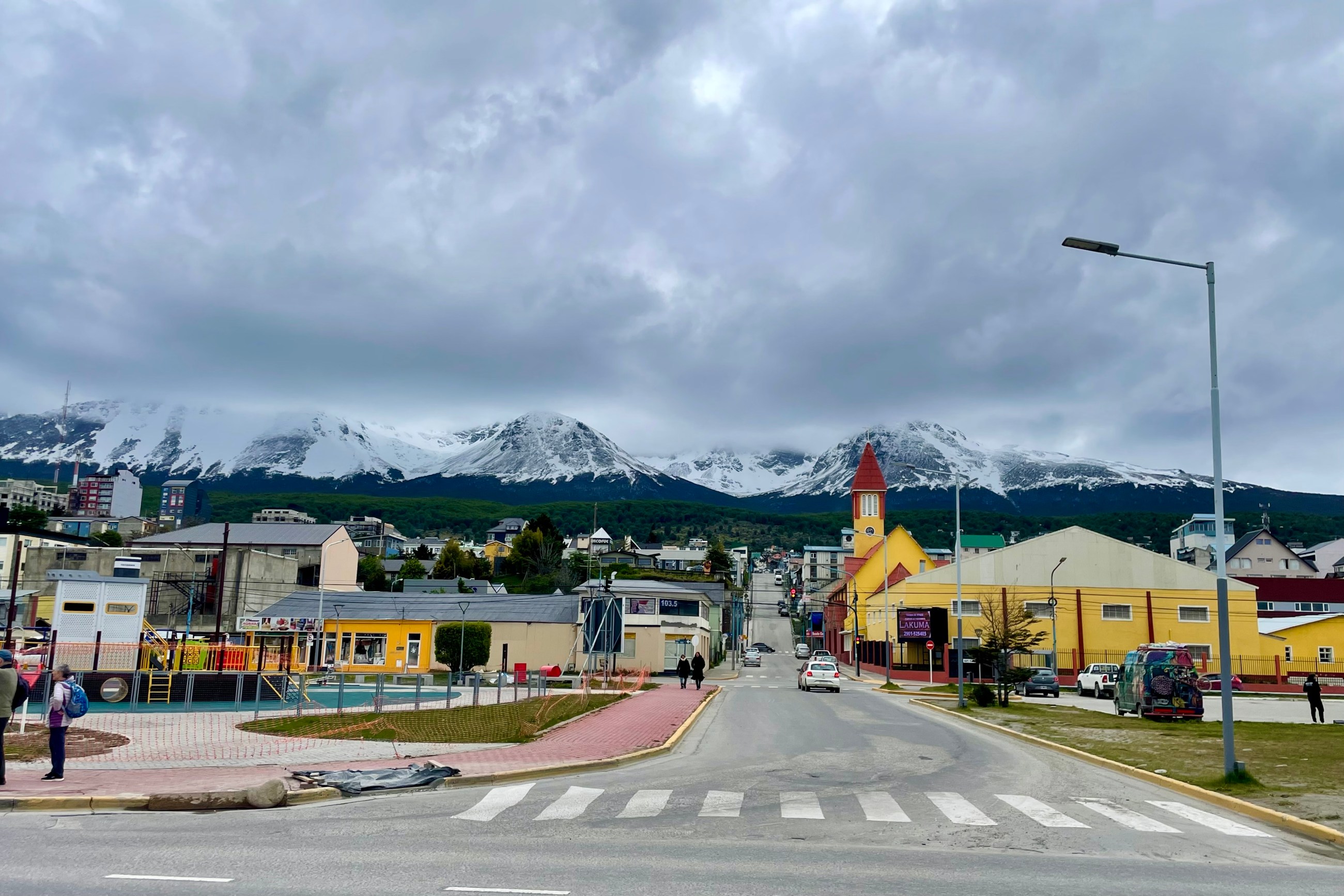
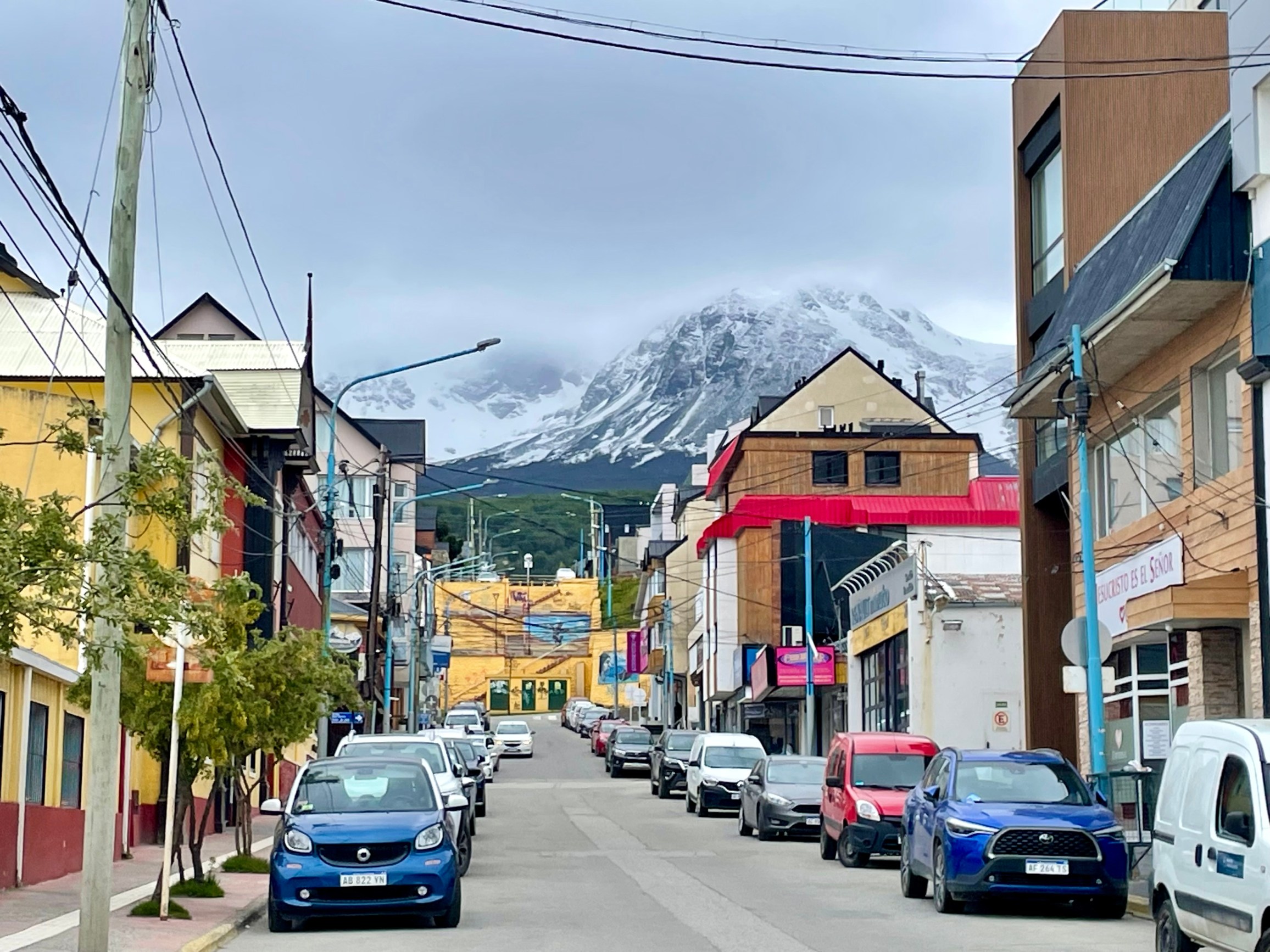
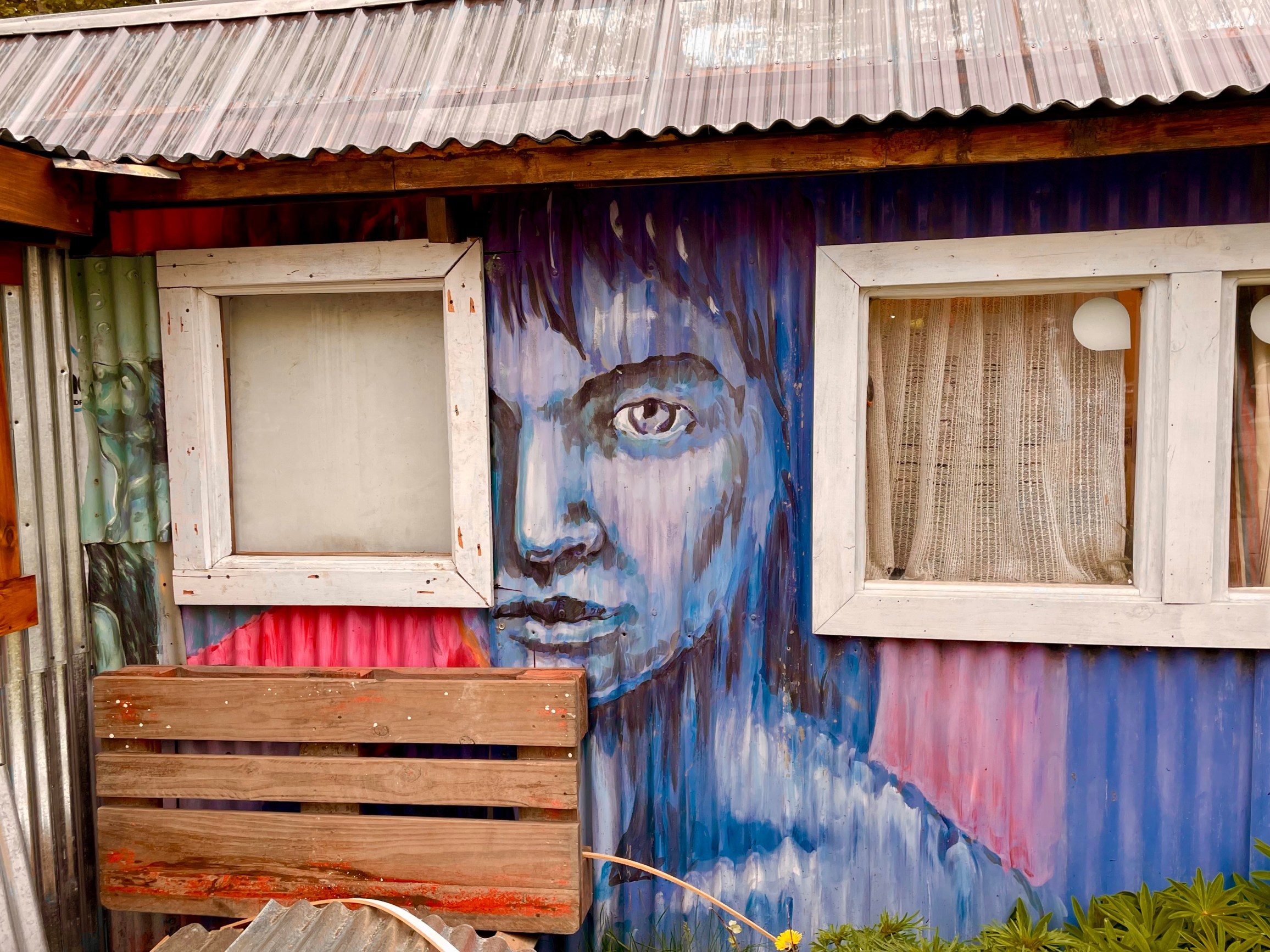
Downtown scenes near the port:
Yet another nod to the Falklands War and the huge human toll that it caused in these towns:
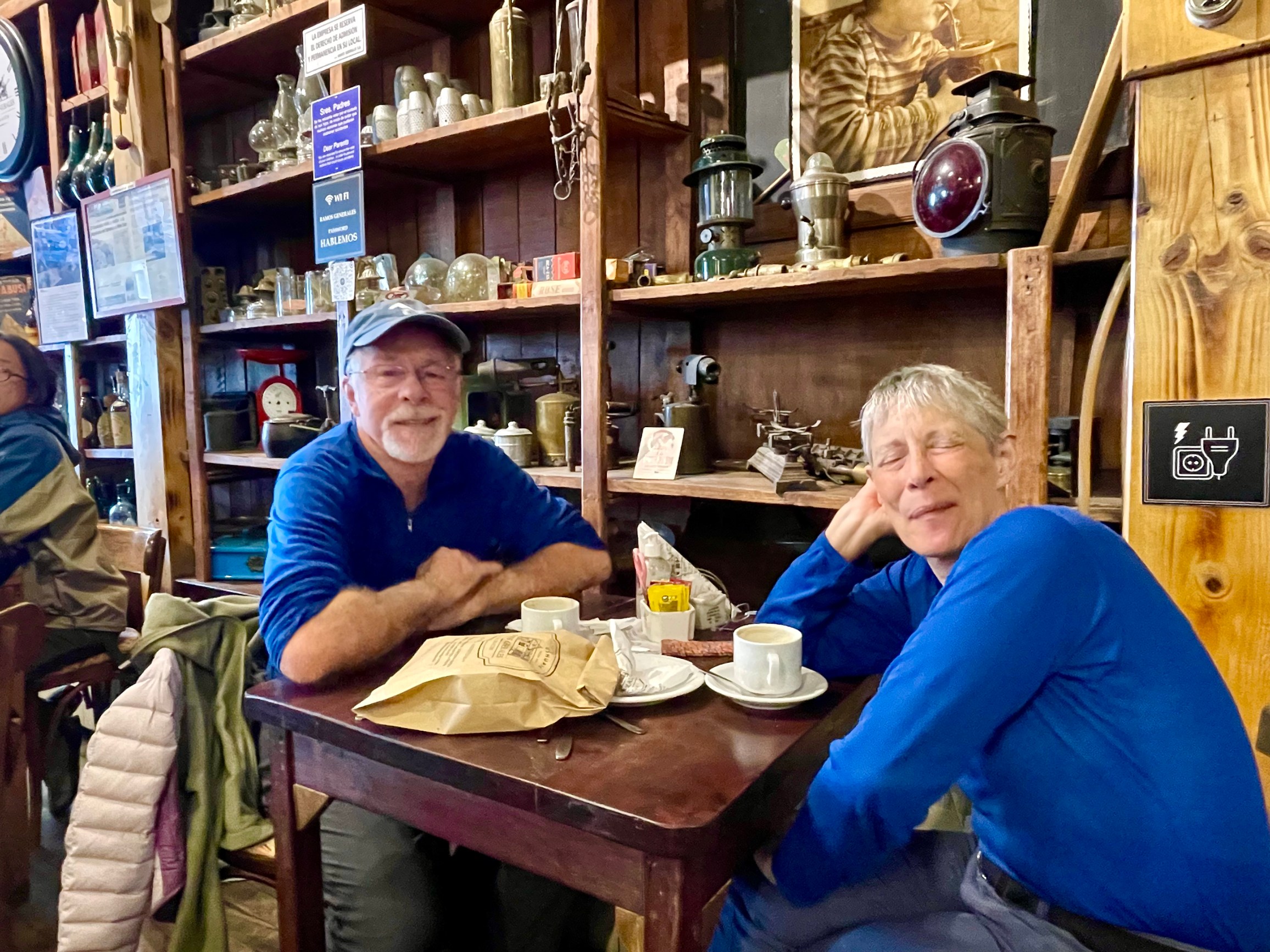
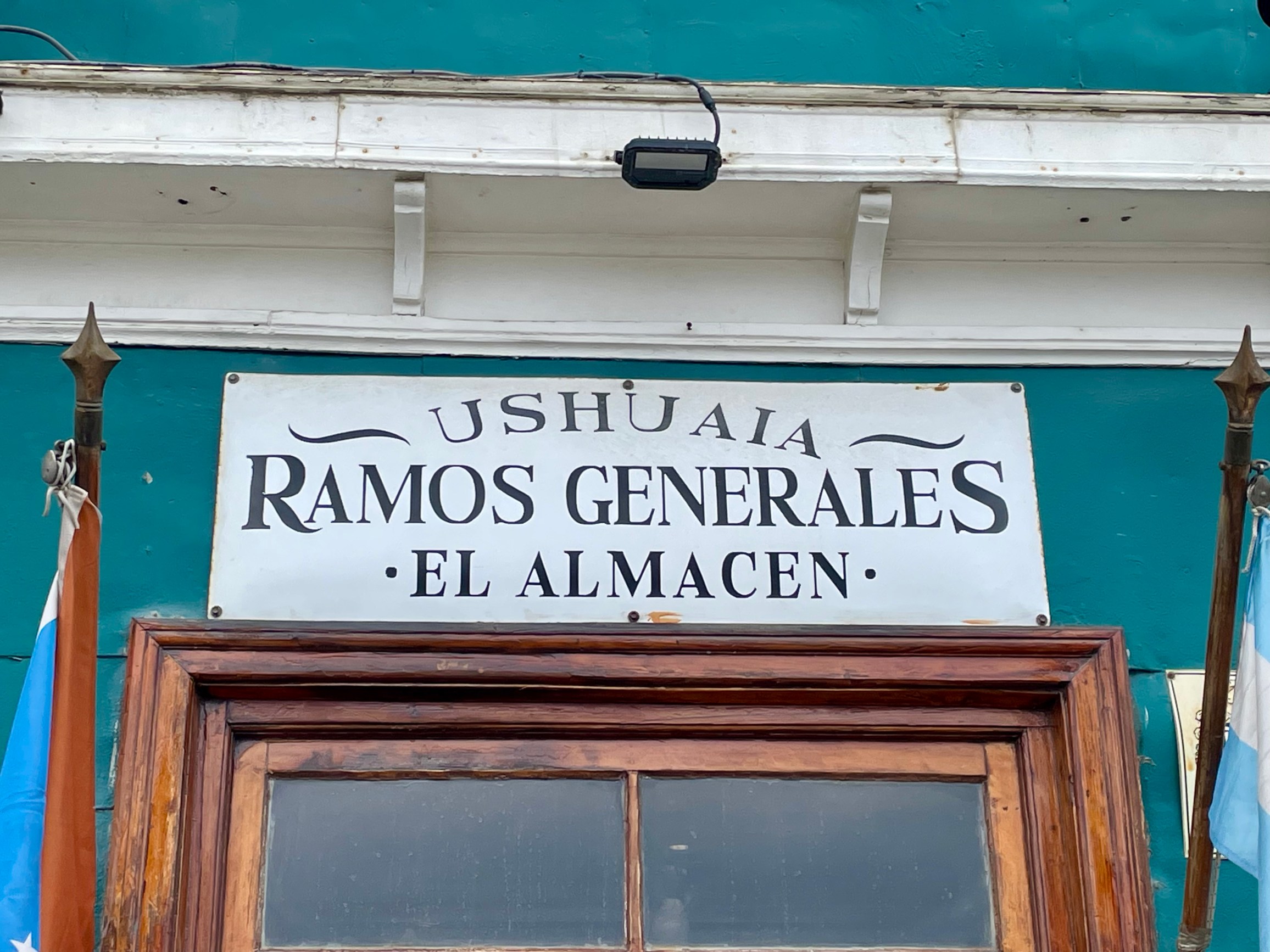
I met a really nice couple from Cleveland – Joe and Tina, at my fave restaurant here – Ramos Generales El Almacen. It’s extra special because my Mom’s name is Alma. We talked for quite a while about our respective travels, political goings on in the States (I was curious because of their midwest location and sensibilities) and life in general. They’ve definitely got wanderlust, which is contagious in these parts….
Hi, Mom:
Old analog tube radios in El Almacen – close to my heart:
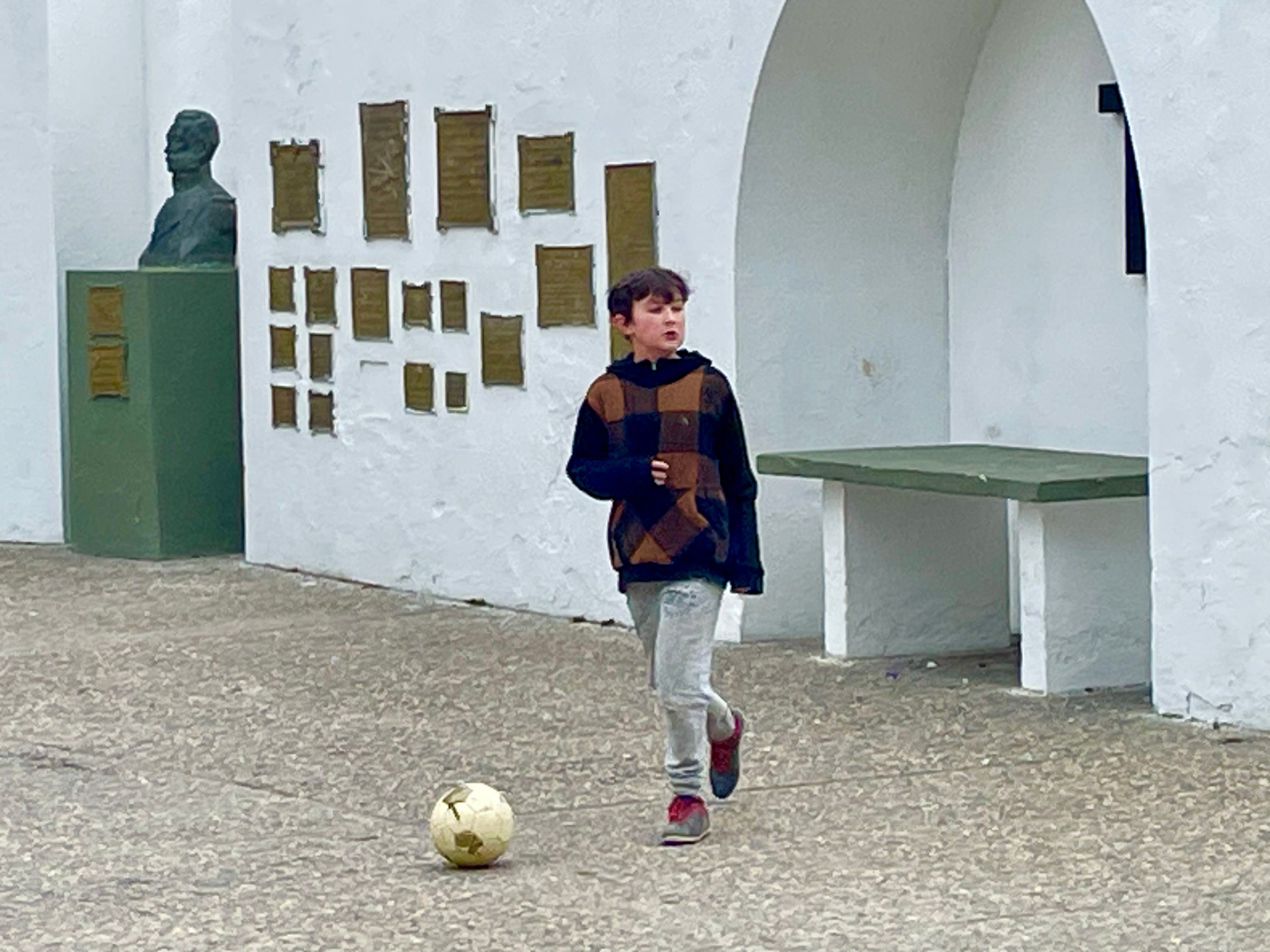
Futbol – religion down here:
‘nuf said:
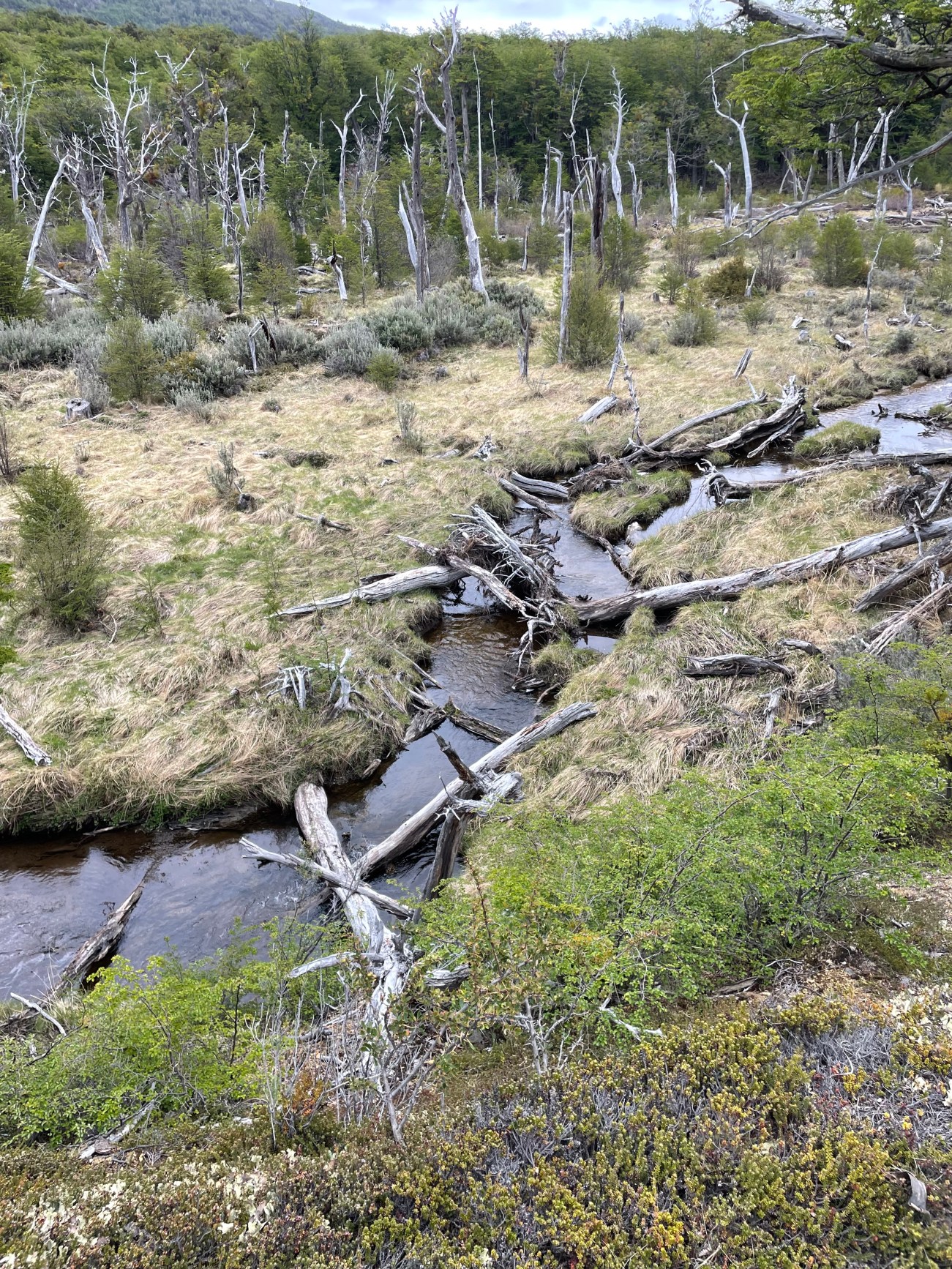
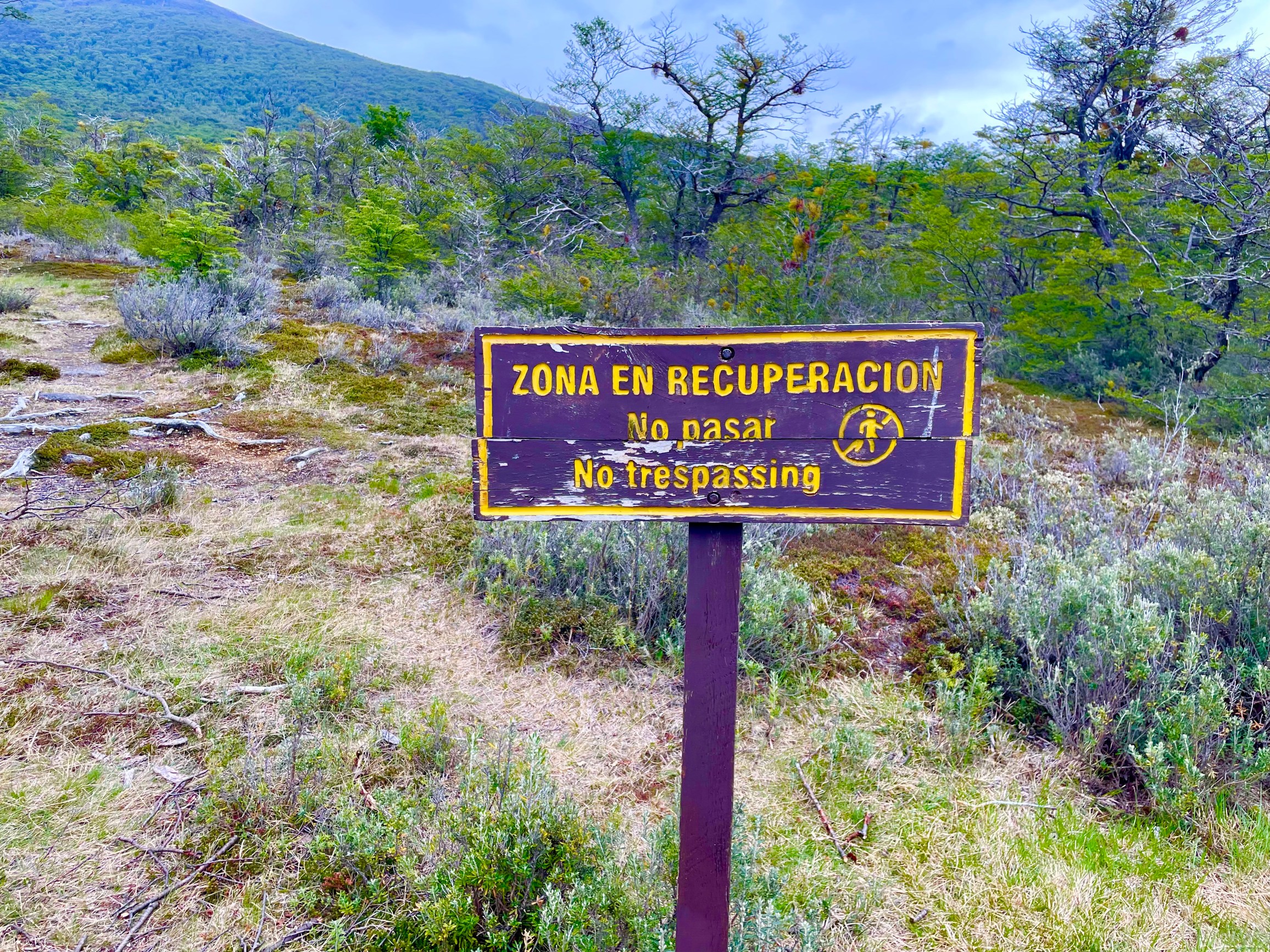
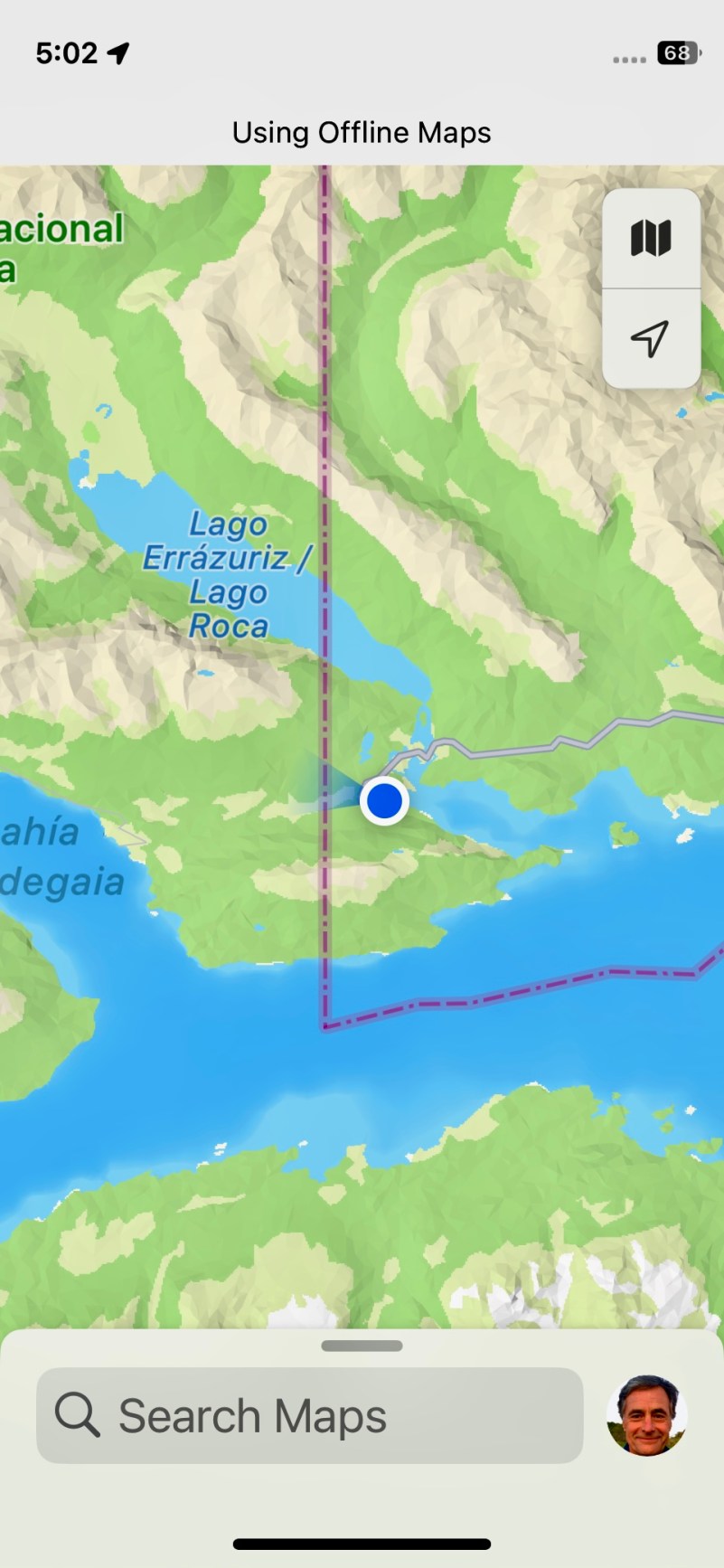
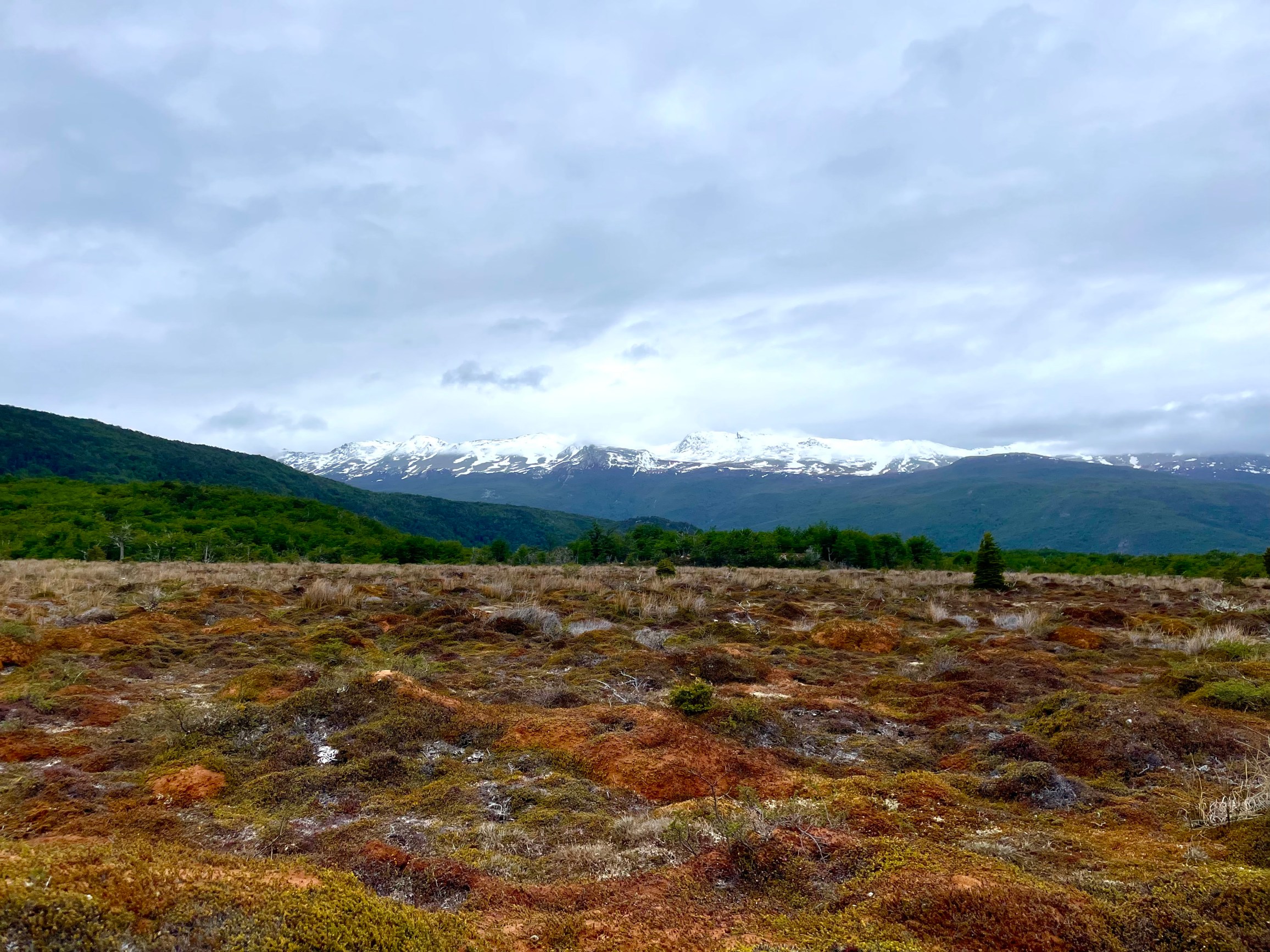
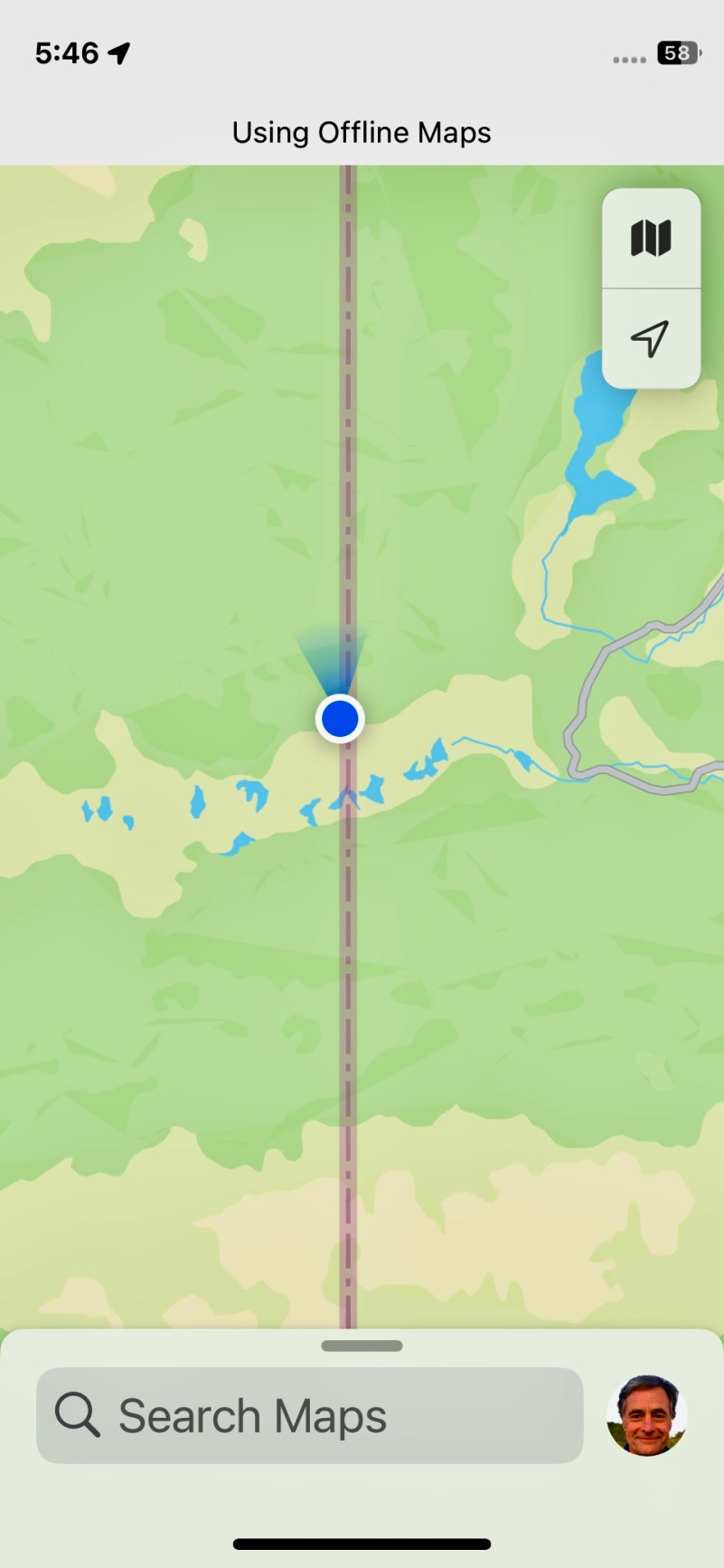
I spent yesterday in Parque Nacional Tierra del Fuego, which is an incredibly wild and rugged place. It borders Chile on its western side, and of course I decided to enter yet another frontier, this time without the hassle of border guards, “Documentos, por favor” and the related protocols. Although I had no cell service, Apple maps still located me in real time, so I could tell that I was getting closer and closer to the unmarked border as I trekked westward.
En route to La Frontera:
Yeah, right…
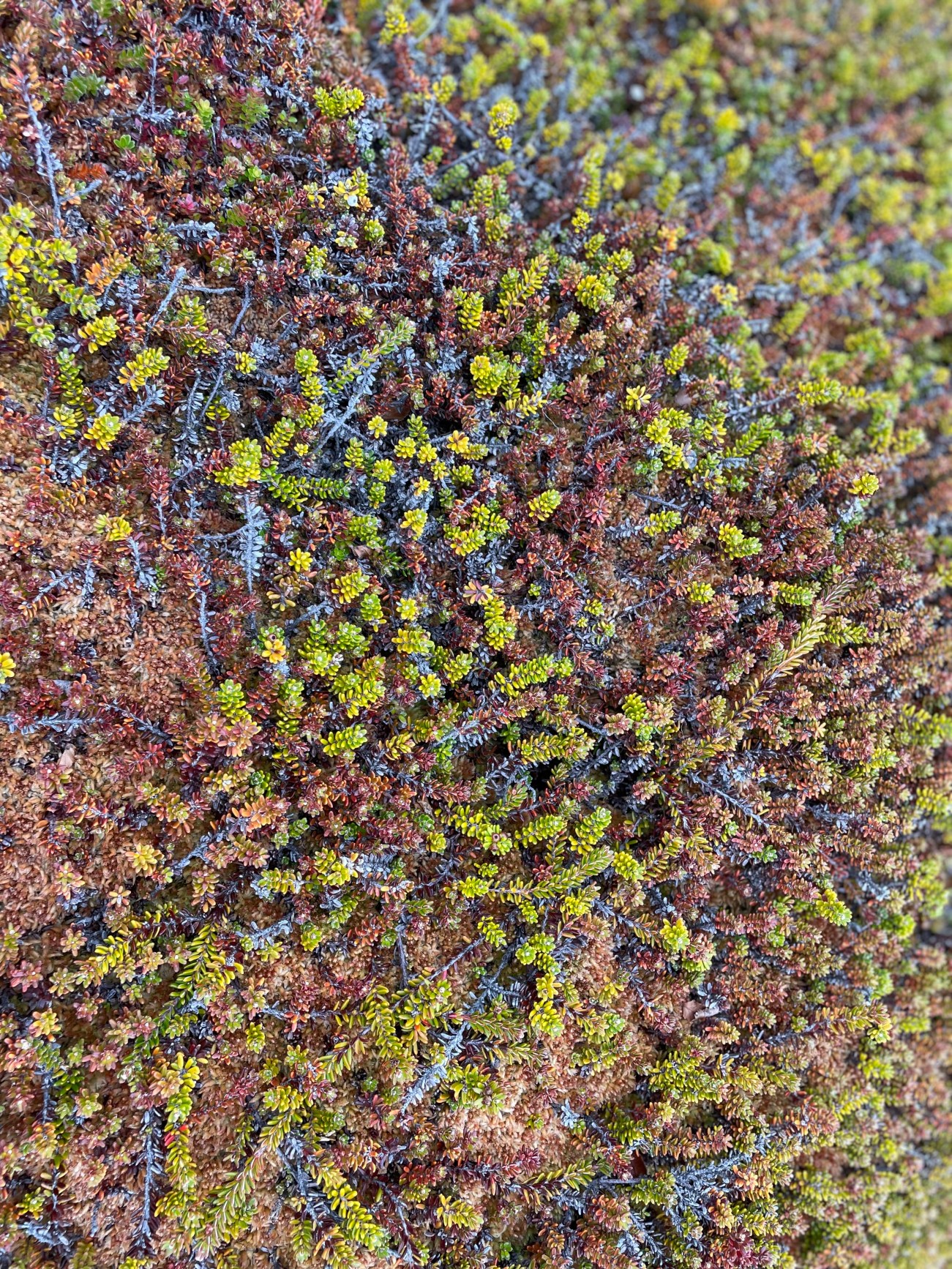
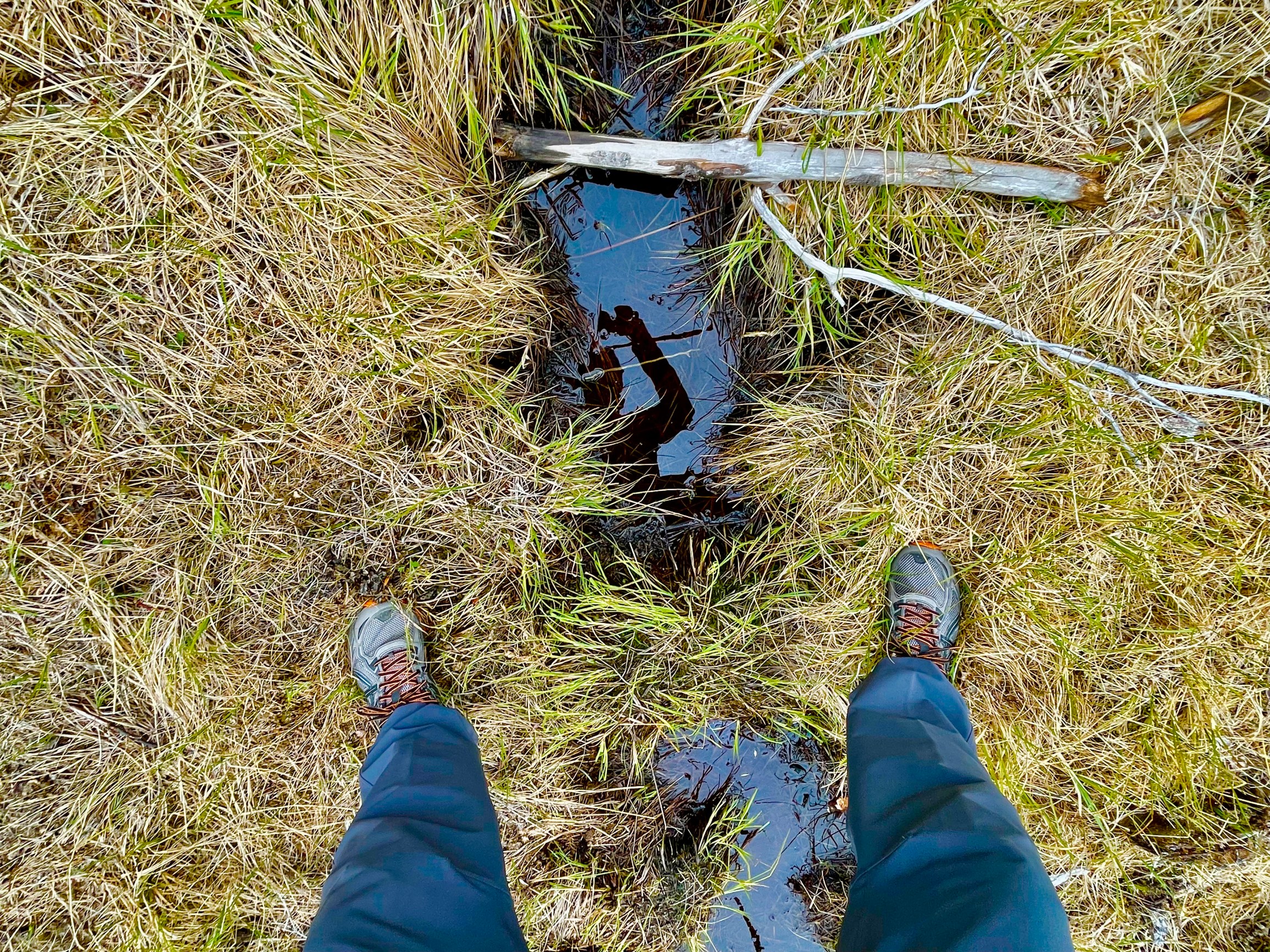
The Earth was completely spongy, filled with what I took to be mycelium. Every step I took (and I had to watch stepping into water with each one, which was everywhere) resulted in my foot sinking in 4″ – 8″. It was a total trip, and the spongy creatures yielding to my weight and presence sprang back to their prior form after I walked on. A cool communion…. After watching the movie Fantastic Fungi, I came to believe that mycelium are God. No joke. Watch it. There I was, in one of nature’s grandest cathedrals, completely blown away. I love feeling really small in nature, and I felt like I almost didn’t register physically on this hike. I haven’t felt nature’s incredibly overpowering presence this much since visiting and meandering through Wrangel-St. Elias National Park in Alaska. The dudes:
Approaching the frontier. I hoofed it westward for around an hour and a half, estimating the distance at about 4 miles each way.
Miles from Nowhere, guess I’ll take my time….
Success. My left foot is in Chile, my right in Argentina. The Rio Not So Grande separating both countries…
Yup – I’m in chilly Chile:
Crazy cool hike with only a little rain. I headed back to town – 13 miles on what else – a dirt road, had dinner and crashed around 11:30. Still pretty darned light out, though.
Today I’ll explore more of Ushuaia, then head northward. I expected, back of the napkin, to hit Ushuaia somewhere around three weeks into the trip, so I’m pretty much right on target in terms of having ample time to see everything I’d like to en route back northwards. I plan, but have not nailed things down precisely as I like to meander and poke around, to stay close to the spine of the Andes yet again, but this time on the Argentine side. There are amazing glaciers, peaks, rivers and national parks to visit all along the way, plus wine country – Bariloche, Mendoza and the high plateau wineries. Should be fun. Catch you all soon. Thanks for reading and coming along on the journey.
Big moves of late. I left Villa O’Higgins on Monday and today is Saturday. I’ve been off the grid for most of the past five days, high up in the mountains between Chile and Argentina and then back into Chile, where I am now in Parque Nacional Torres del Paine. Pretty darned spectacular scenery and some kind of crazy experiences…
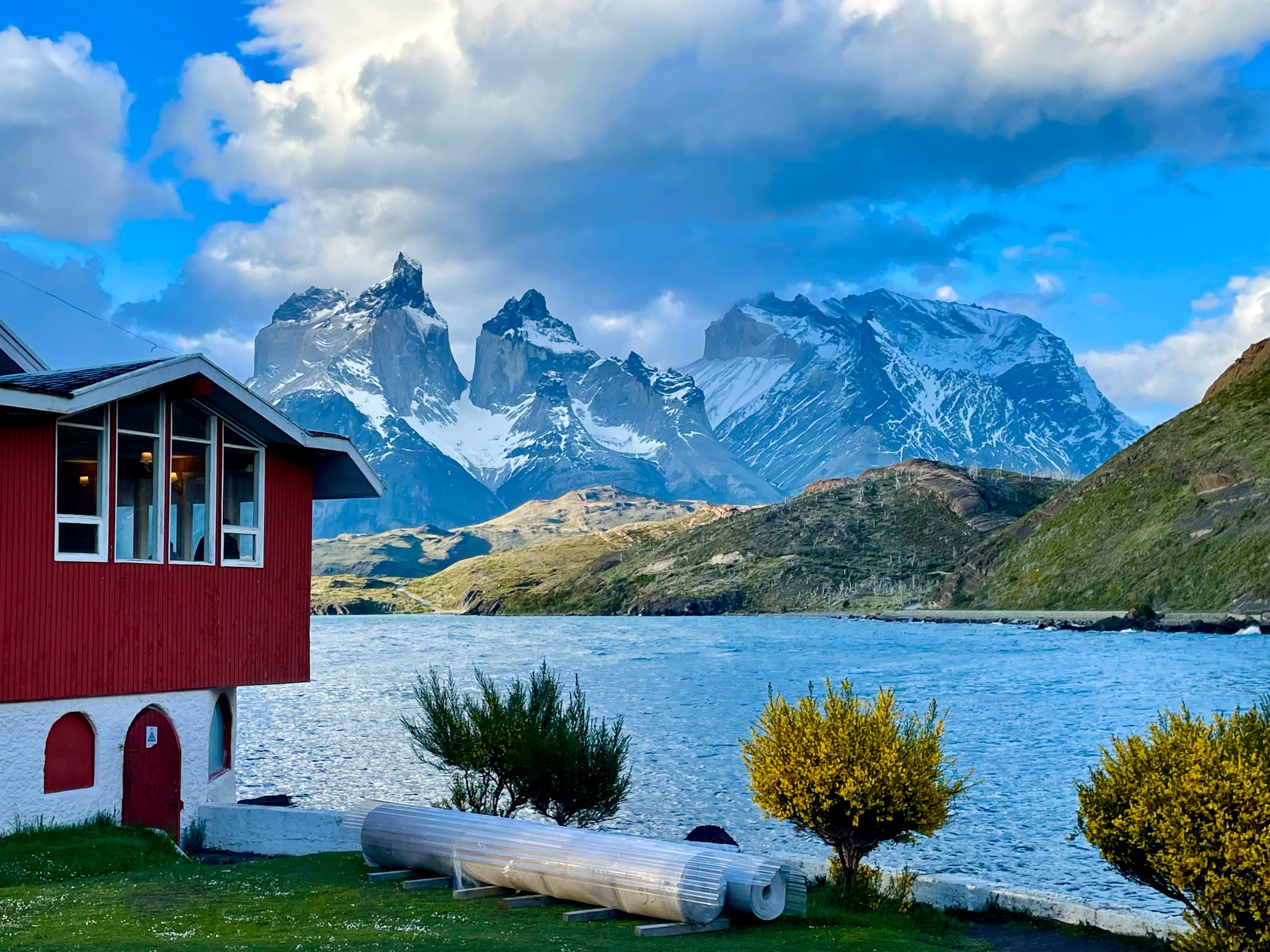
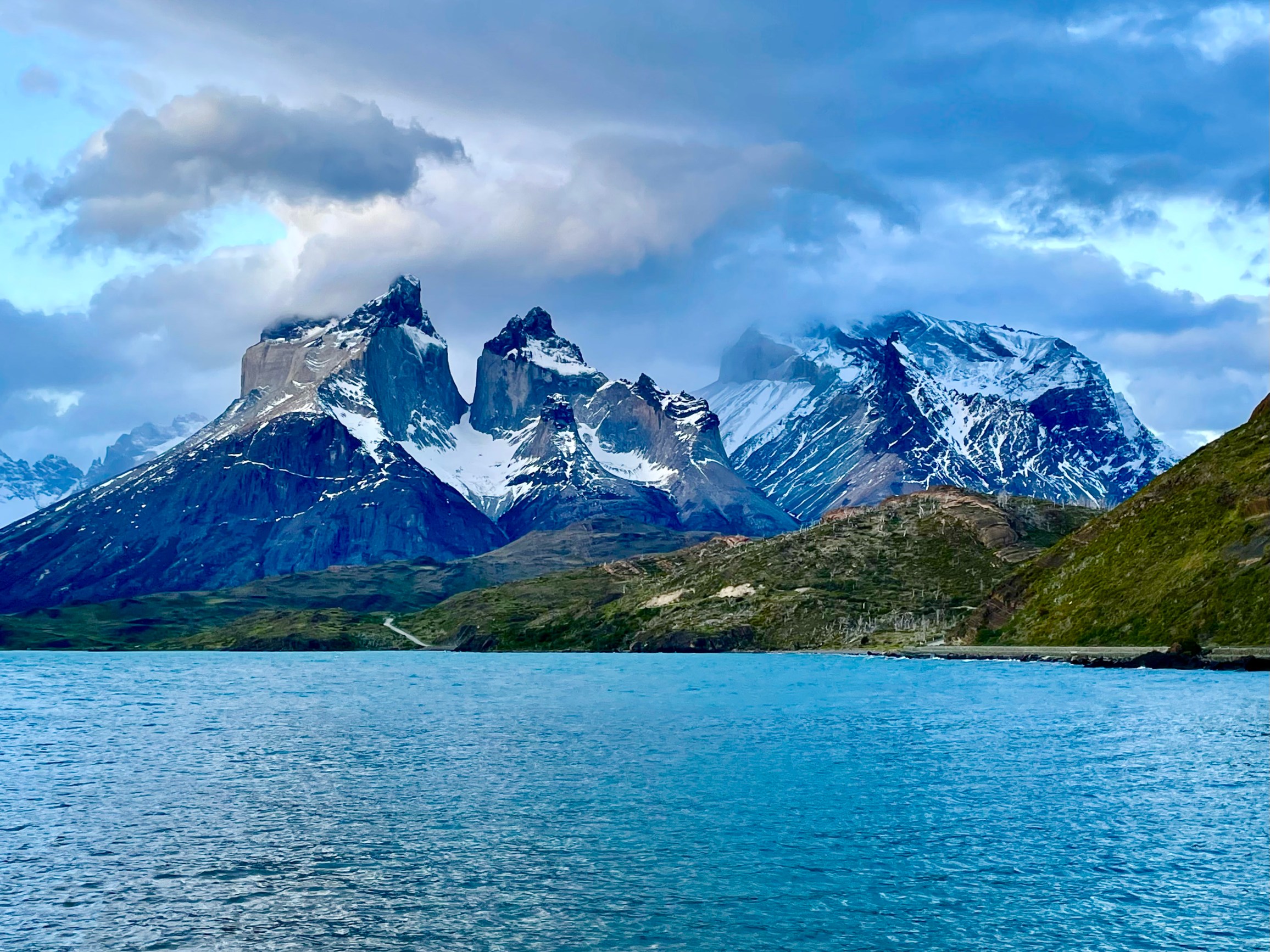
My view last night after arriving in Torres del Paine:
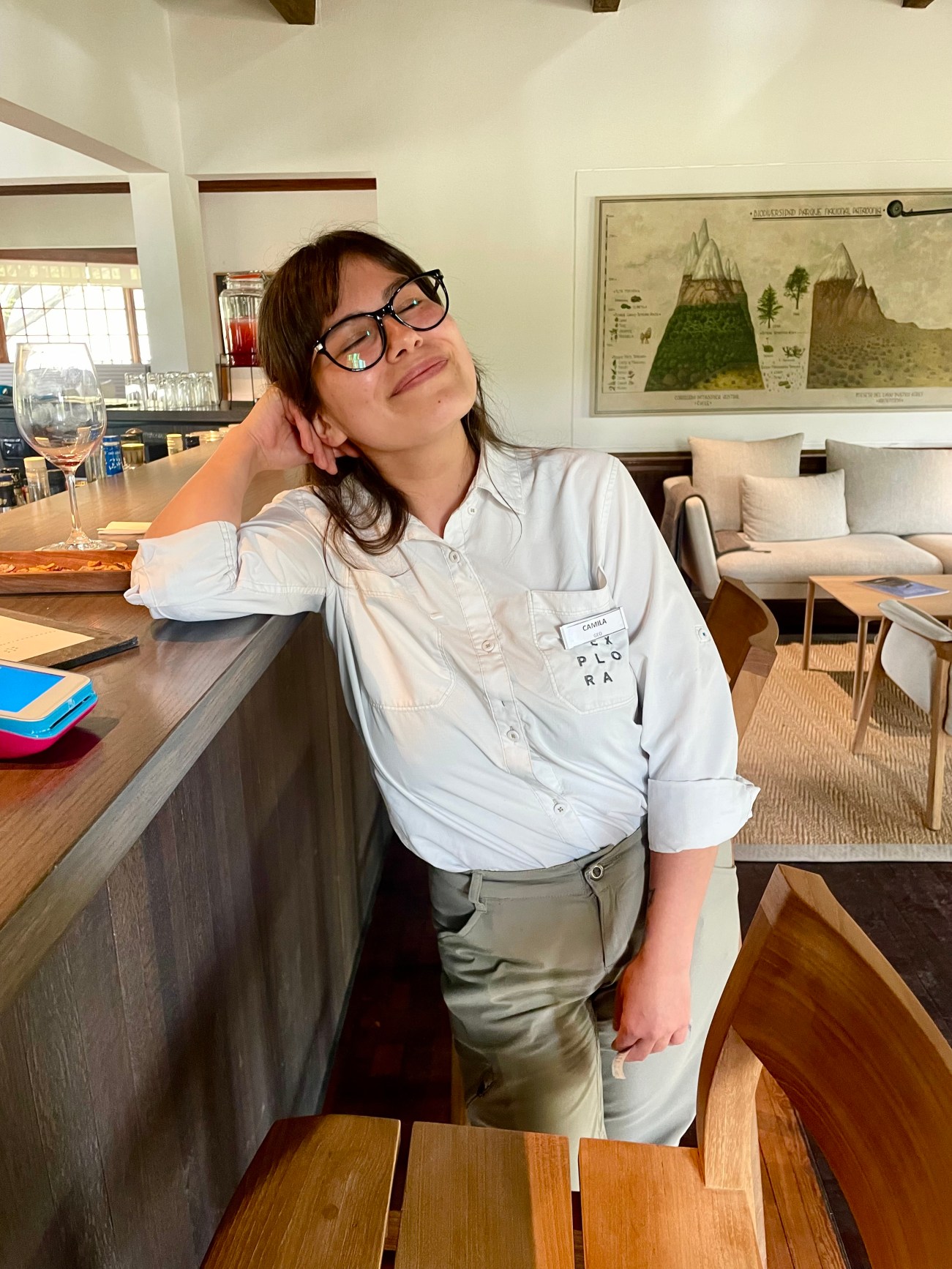
Camila, at Explora Lodge in the Park, who was incredibly nice and helpful during my stay:
Backing up, I left Parque Nacional de Patagonia for the Argentine frontier with what I thought, after careful research, were all the departure and entry documents (personal and for my vehicle – they’re very particular down here about crossing borders with vehicles) I’d need, only to find out, after driving 60 miles and arriving at the border, that I needed an electronic Chilean Police form to depart the country. I’ve never had to produce a document to leave a country, and this was likely a remnant of Covid, when the country was closed for almost three years. The problem was that the form had to be downloaded and completed online, and there was no service where I was – in the middle of nowhere. I asked if they had WiFi or internet for me to take care of that little hurdle, and they nodded slyly in the negative. Total BS – they had internet, of course, but wouldn’t let me jump on. I told them I wasn’t driving another 120 miles RT to get the form and would just camp out there until they relented. No bueno – they smoked me out after sitting at a table stone faced for twenty minutes, and I had to make the drive and get the form, after which they were muy simpatico on my return.
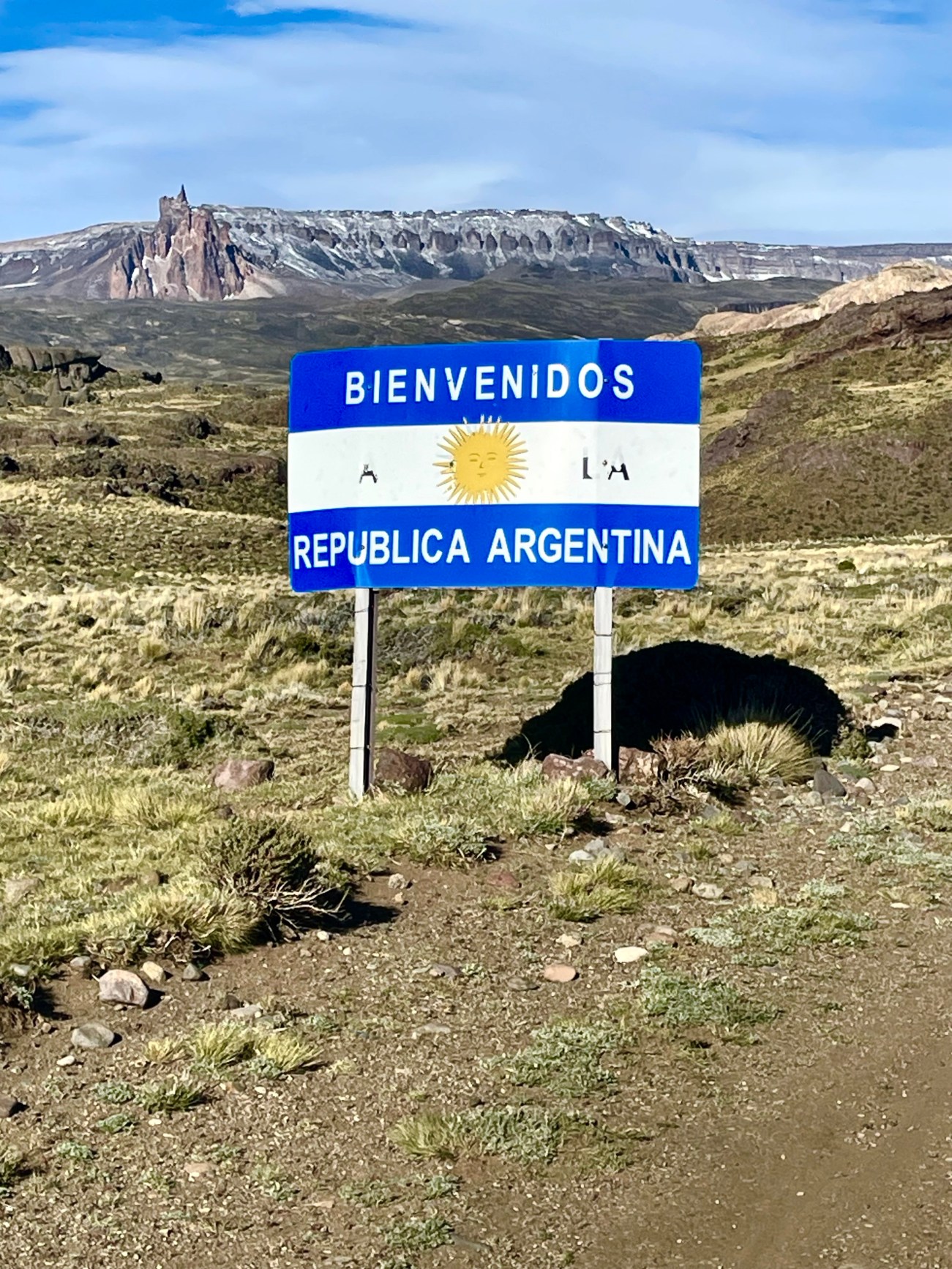
Meanderings photos en route to Argentina:
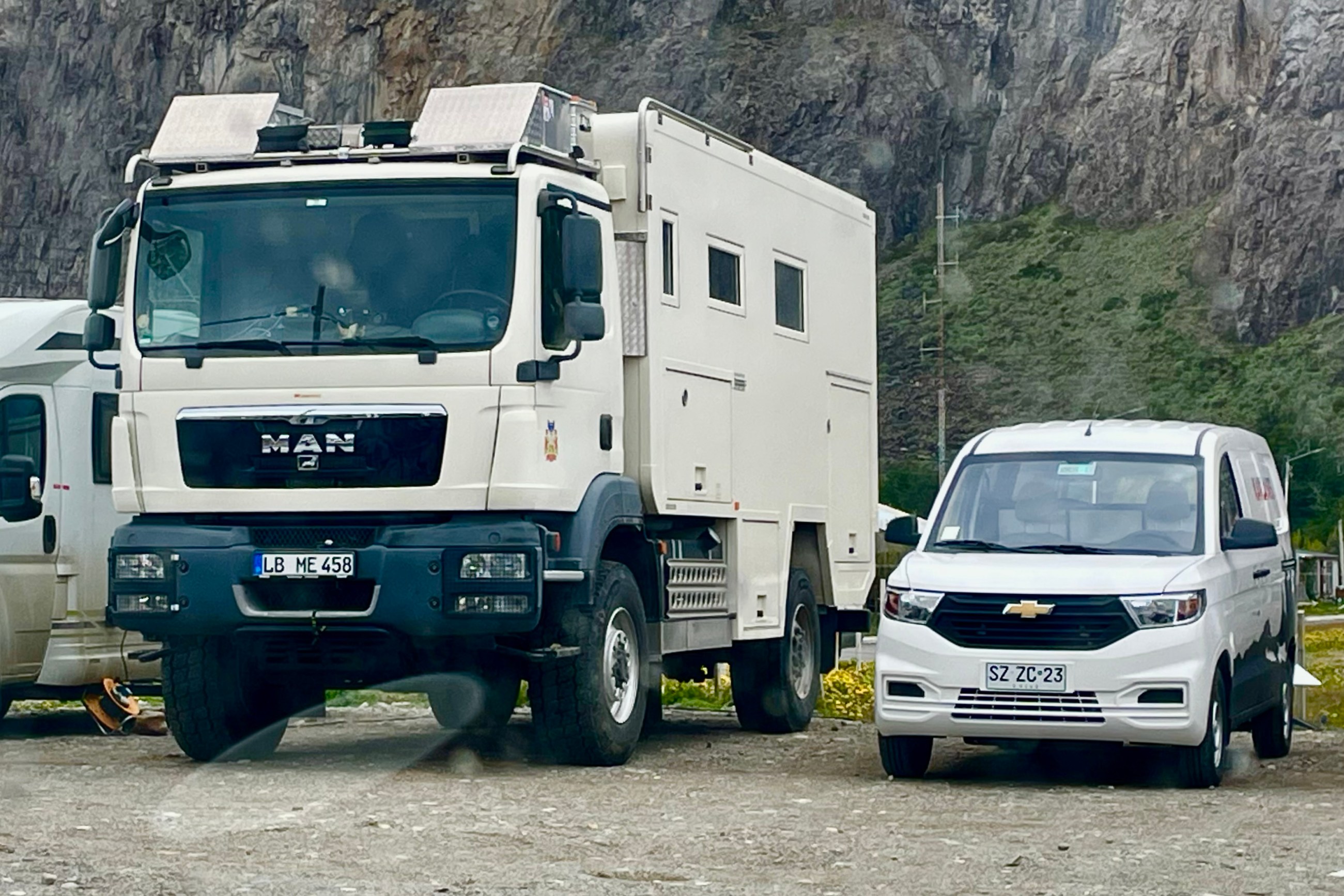
Grande y pequeno campers:
There was no petrol for hundreds of miles after entering Parque Nacional Patagonia from Cochrane, where I departed La Carretera Austral, so I was pretty darned happy I had two full auxilliary 5 gallon tanks strapped to my roof rack. Had I been without them, I’d have been stopped cold in my tracks, crying “Mamma”…. I had to use the first one after my RT return to the Explora Lodge to download, complete and receive that completed Police form before hitting the border then, after successfully entering Argentina, where the border crossing dude was super cool, I drove incredibly forboding dirt / washboard roads for almost 200 more miles, stopping to sleep, then refueling myself again next morning with the last of my back up petrol, before arriving in Gobernador Gregores, a rat hole of a town with one gas station that had no gas. Not to worry – a refueling tank had just arrived, and I was told all would be bueno in forty minutes (or so), so I showered (many gas stations here have clean bathroms and showers), had breakfast and refueled my camper’s tank and both 5 gallon back up containers.
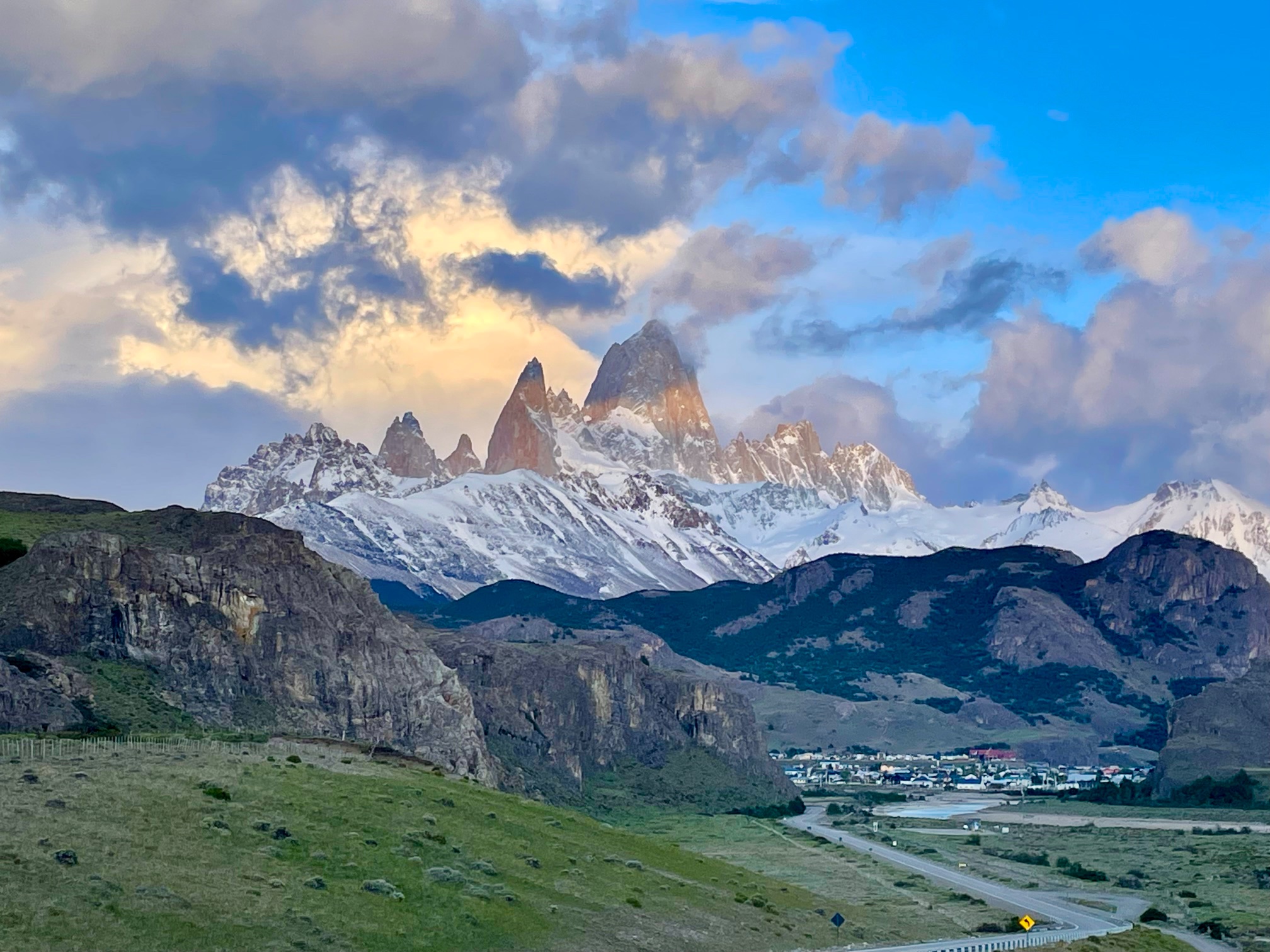
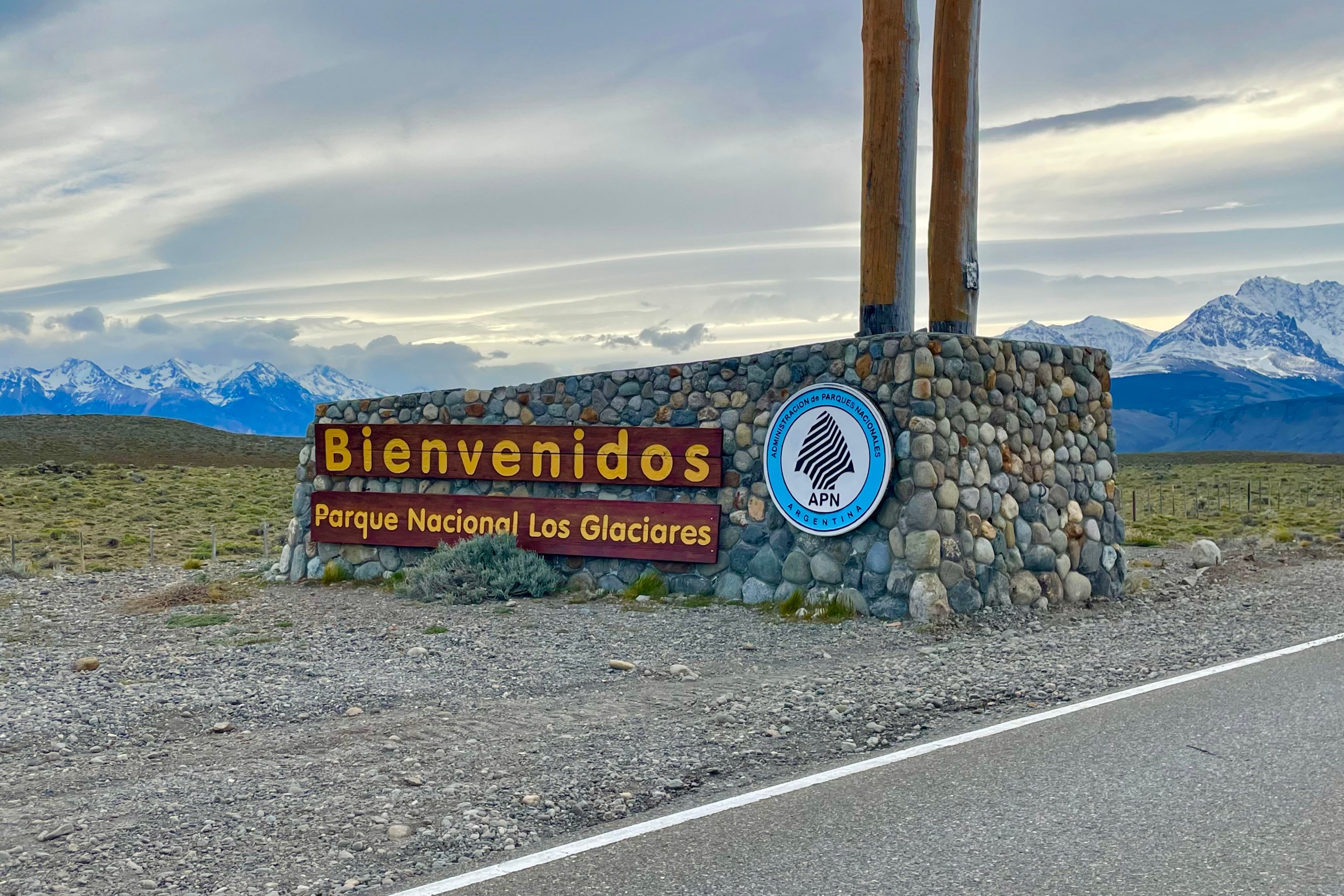
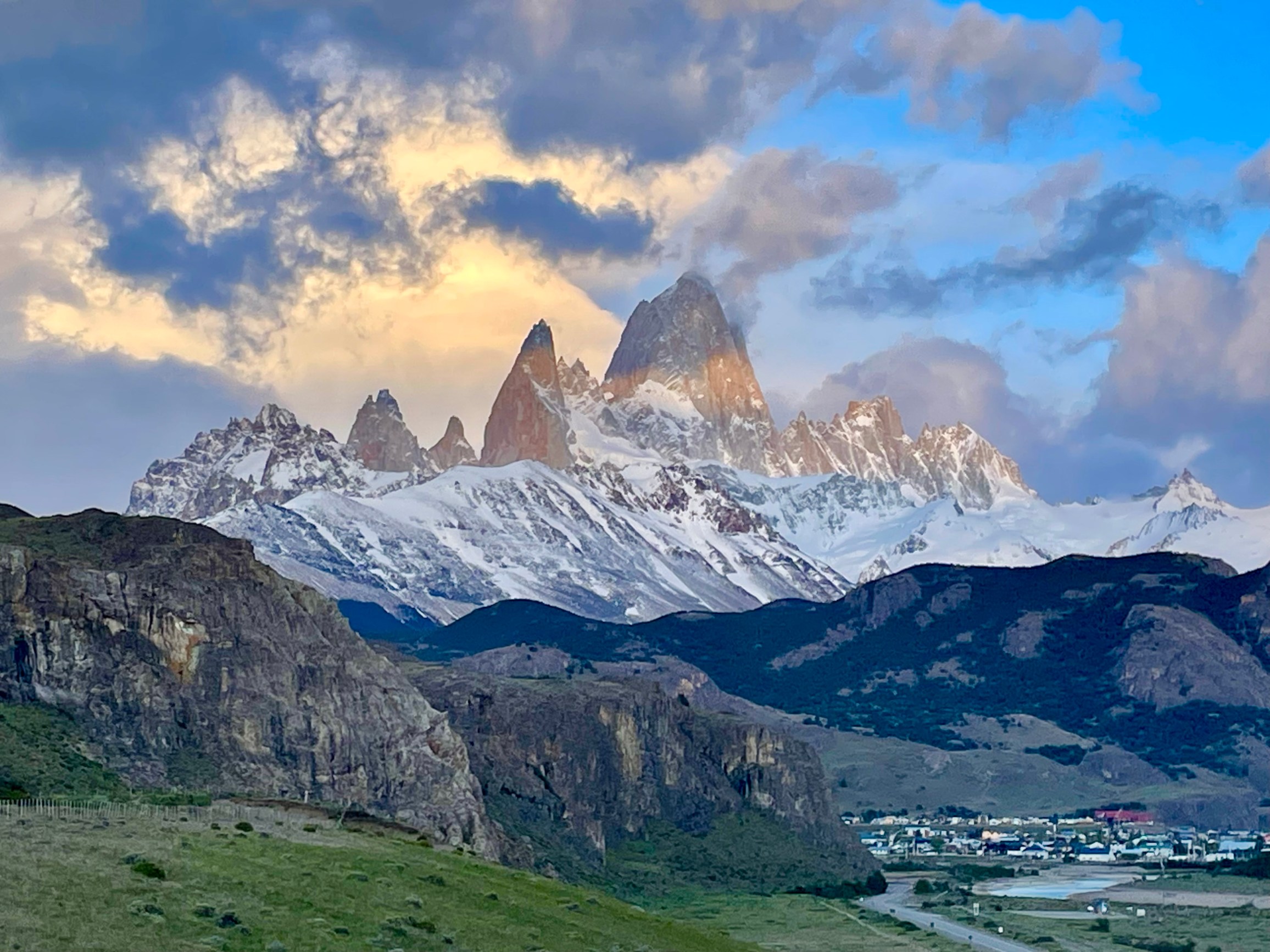
Feeling flush, I headed off to the magical mountain town of El Chalten, home of Monte FitzRoy. located within Parque Nacional los Glacieres, with their incredible climbing and hiking. The Park was created in 1988 to showcase Argentina’s magnificent landscape down here after El Chalten sprang up in 1985 based on countless dirtbag climbers frequenting its magical peaks and rivers..
A couple of notes on Argentina –
Argentina’s infrastructure- its road system and cell network – are national disgraces and true embarrassments. They’re far worse than many third world countries I’ve visited. Most people in the know say that the country has been so mismanaged for so long that the chance of its ship of state being righted – and its presidential election is this week – is slim to none.
Argentina had the world’s seventh largest economy between World War I and World War II, but it has completely frittered away huge natural wealth and an educated population over the decades since.
Wow – the scenery spoke for itself:
The weather didn’t cooperate, however, and snow and rain moved in that night. I made it out to the Tres Lagos trail, though, which was unreal despite limited viz. Weather, despite the calendar showing late spring, has really felt like winter the past week. Good thing I brought plenty of layers, proper gear and a very warm sleeping bag…
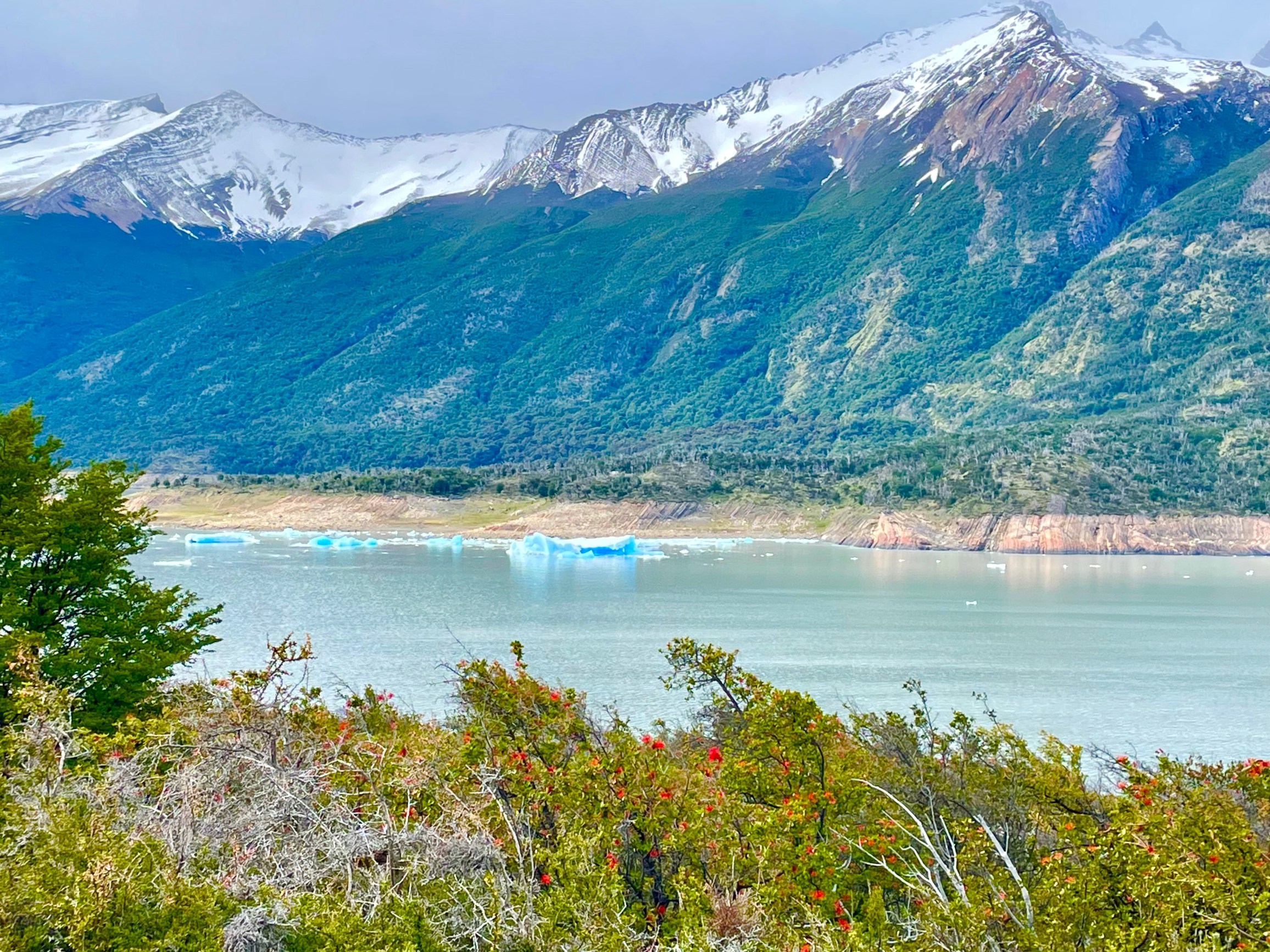
After El Chalten, I set my sights on El Calafate and the Perito Moreno Glacier, also in Parque de los Glacieres. Here’s the approach:
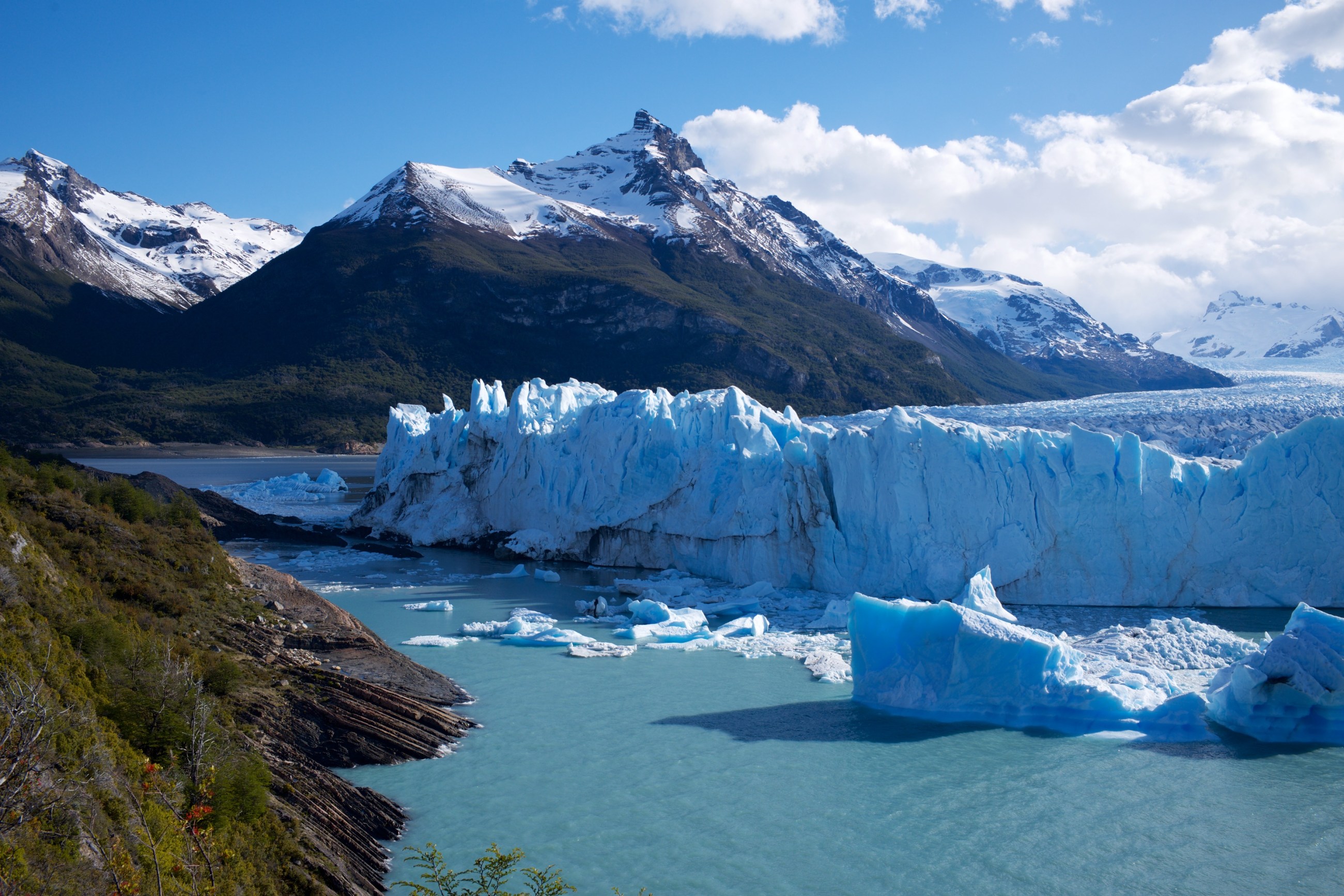
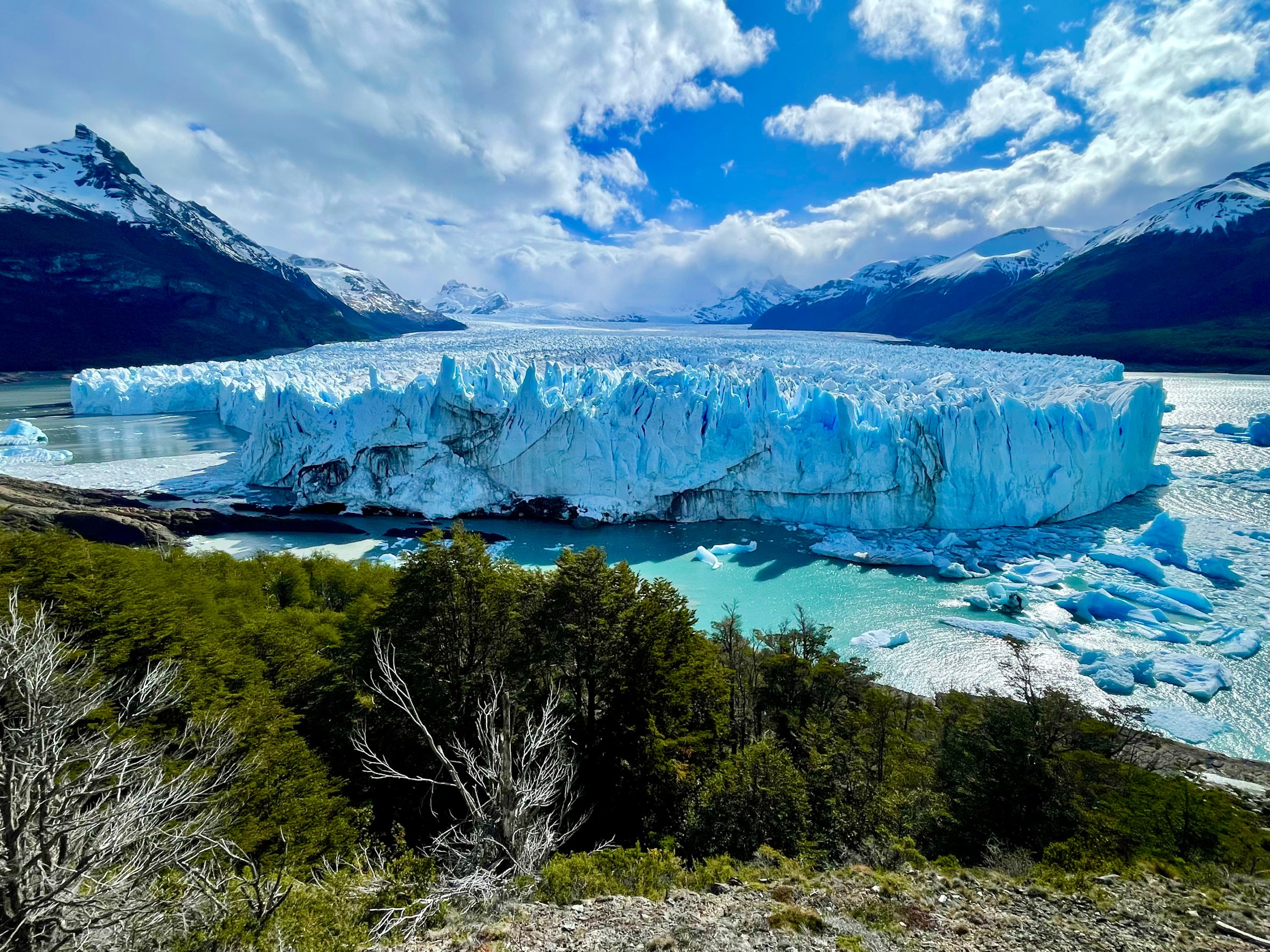
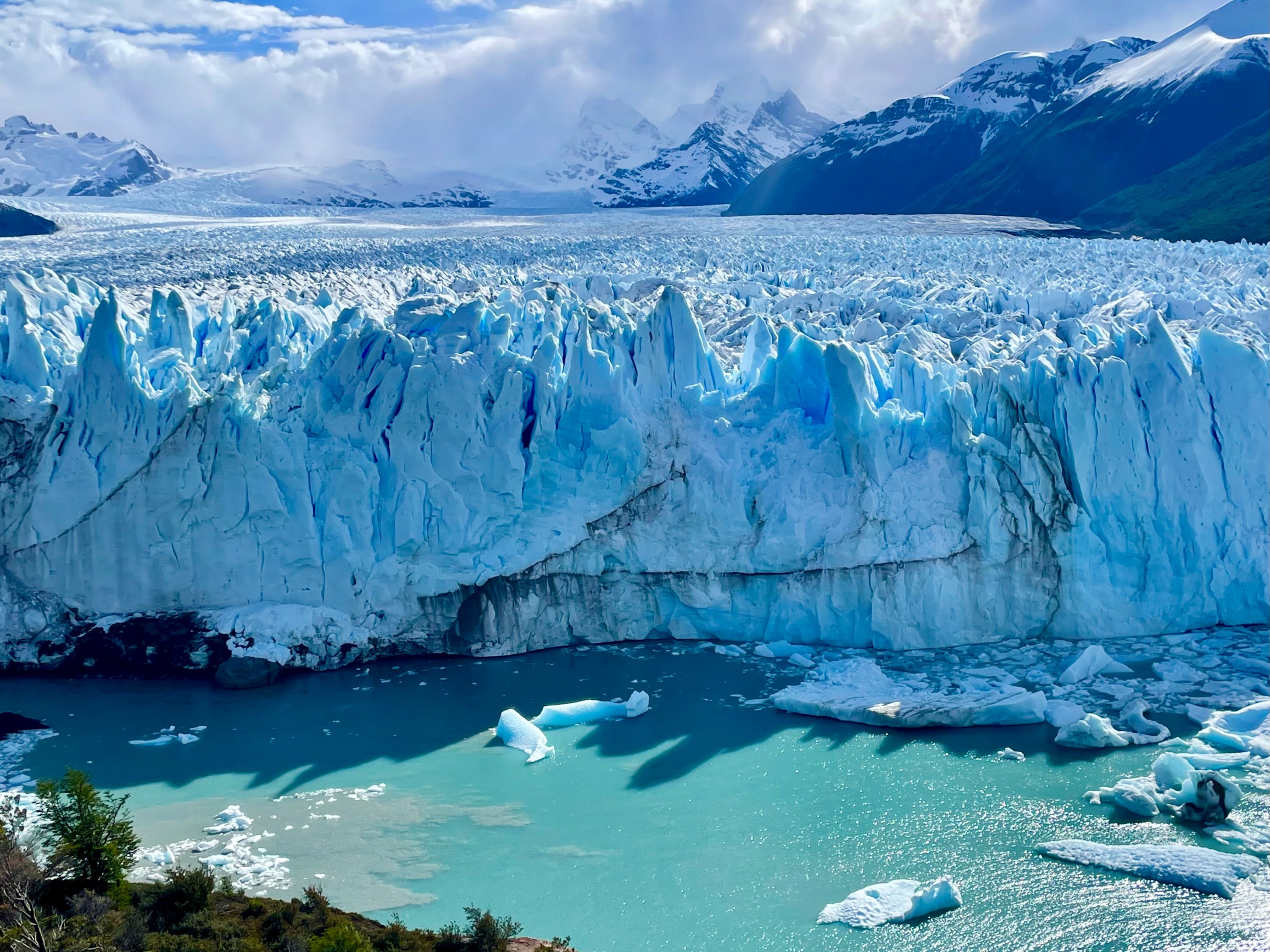
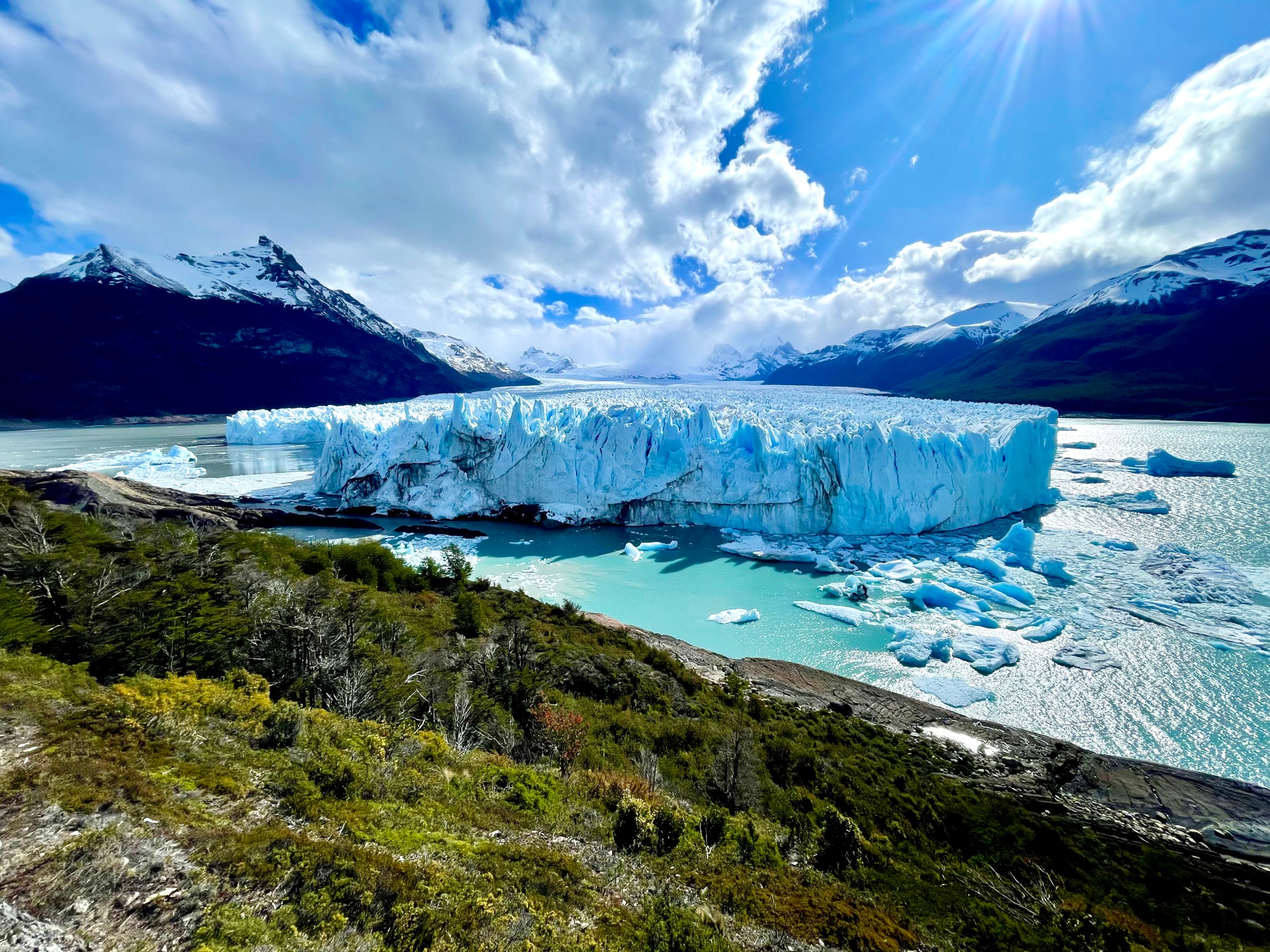
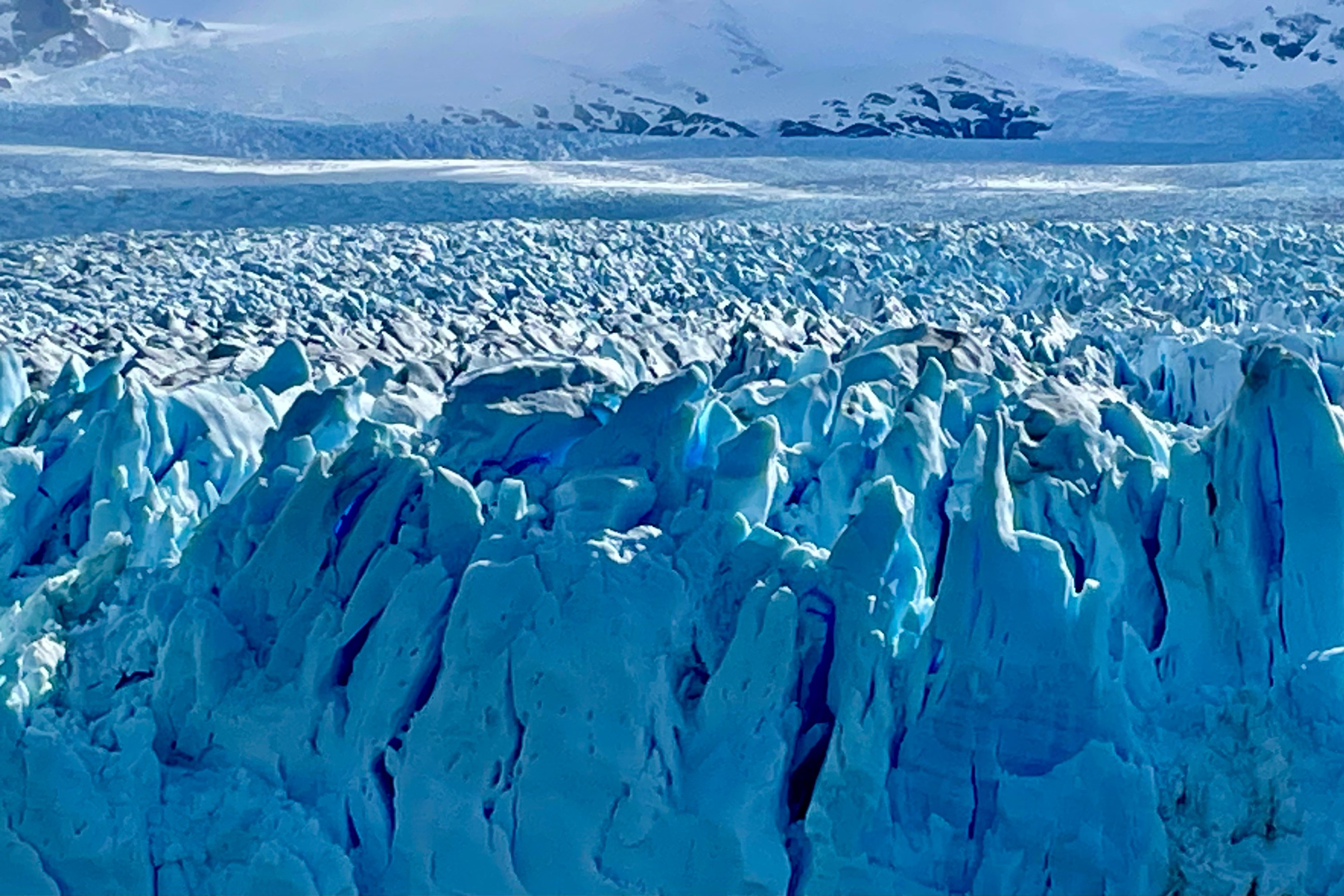
Up close with Perito Moreno Glacier, one of only three major glaciers in the world that are actually increasing in size (due to latitude, snowfall and other non climate-change reasons). It’s 4 km wide at its end and 22 km long. Amazingly, it’s also 220 feet high at its end, bisecting two high alpine lakes:
The blue colors in the ice are super cool:
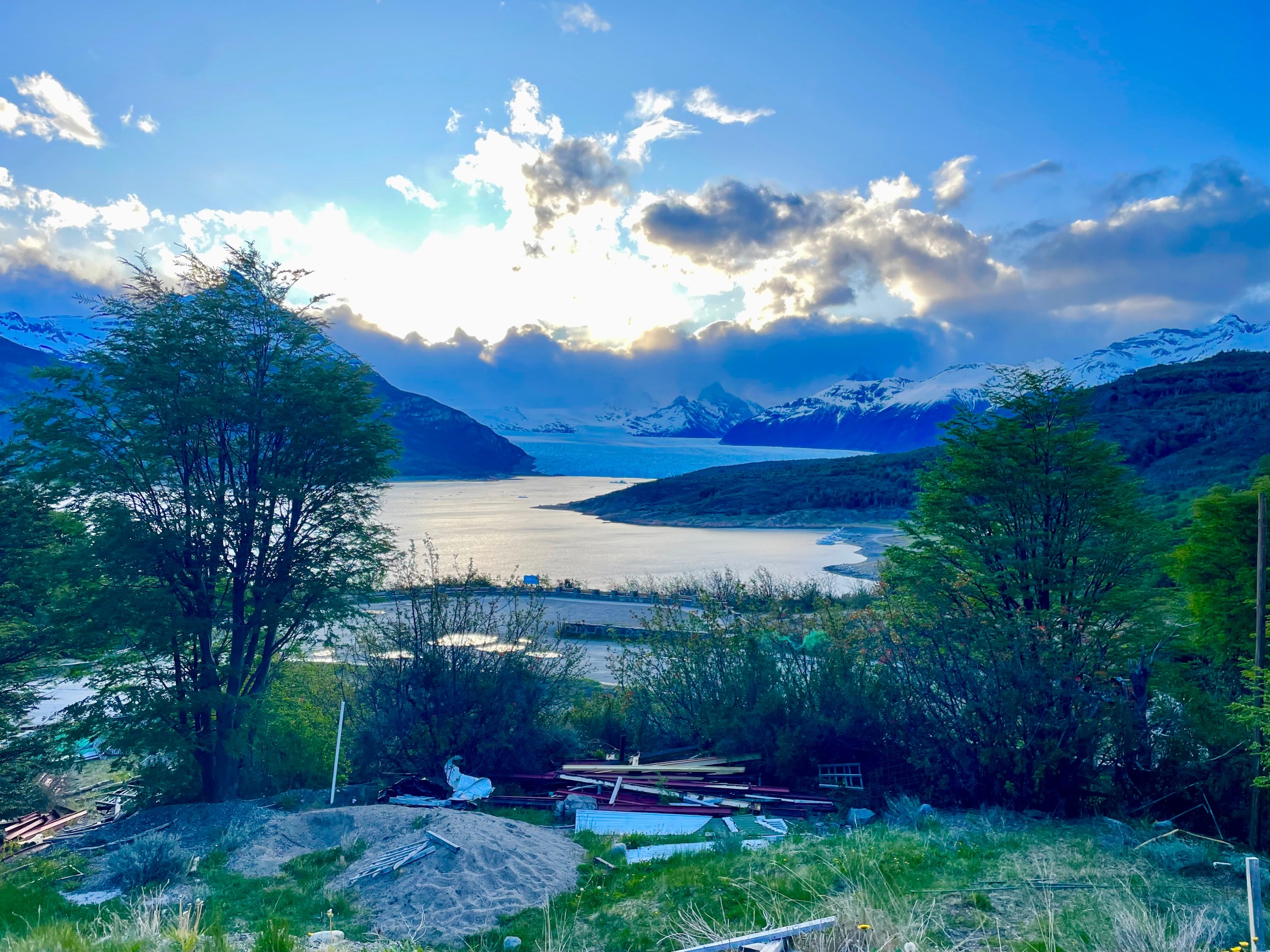
You’re supposed to leave the Park by 8 pm, but I didn’t want to…. I found an abandoned hotel off the road, pulled in and chilled. Major score. My view that evening, where I had dinner and cocktails:
Map room session:
Next morning I had to wait until the Park officially opened before driving on its road. Thought I had at 8:20 am, after seeing a couple of cars pass below, but after about a mile on the way to coffee at the Glacier cafeteria (which ended up being closed until 10:30 am), I was escorted by flashing lights and a ranger in hot pursuit. I explained, after pulling, over that my battery had died last night (yeah, right) and I couldn’t leave the Park. Surprisingly, he was totally cool after rapping en Espanol for a couple of minutes. He kind of winked and nodded – great guy.
I left Perito Moreno Glacier and headed back to El Calafate, its jumping off point, refueled and trucked on to the mystical Parque Nacional Torres del Paine, four hours south but only 45 miles as the crow files – a vey large U turn. The terrain in this part of Argentina could well be Nevada, Utah or southwest Colorado. Very similar and equally desolate.
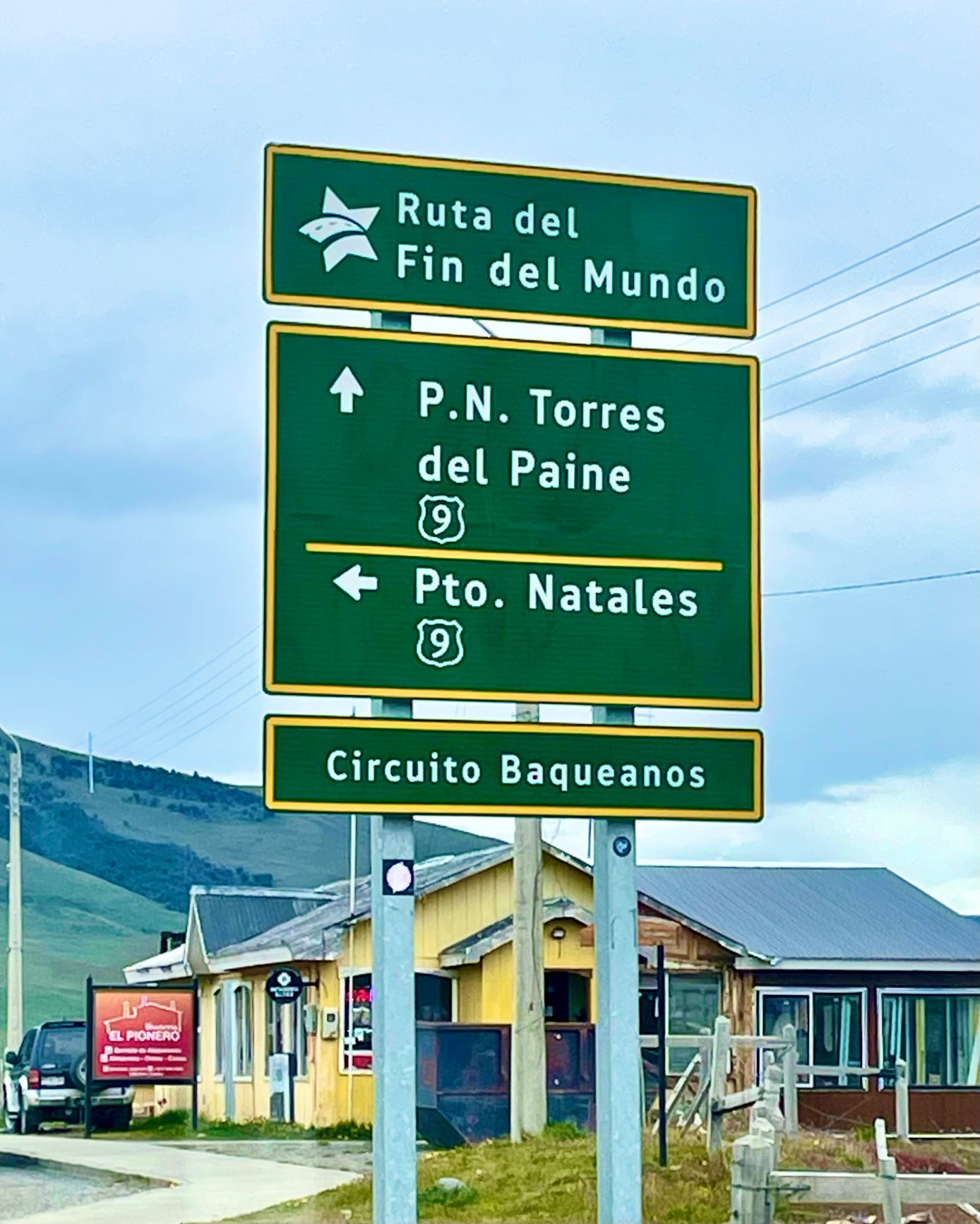
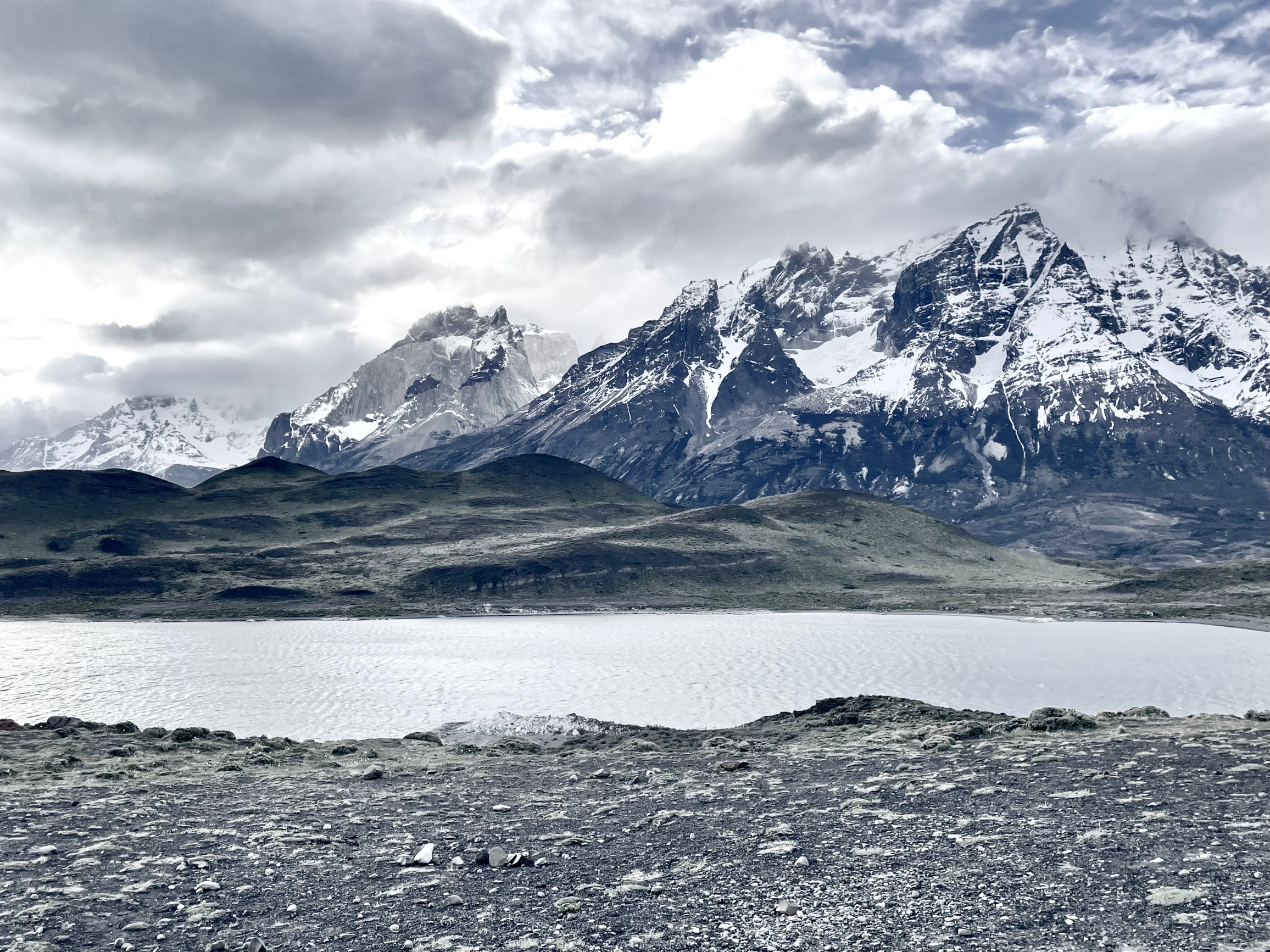
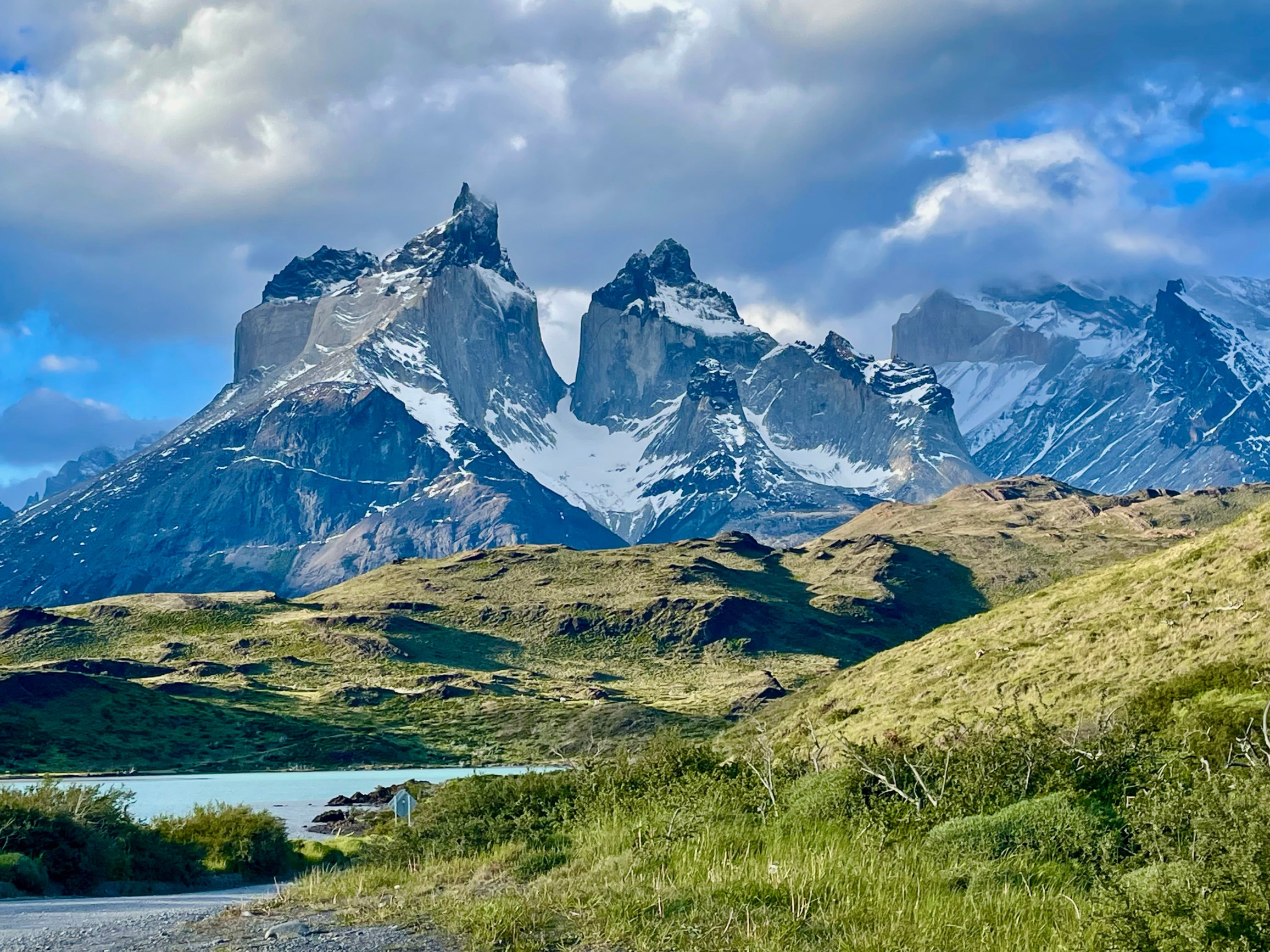
Torres del Paine has lured me for decades, and for good reason. El Fin del Mundo – the end of the world – how appropriate:
Approaching the Park:
Arrival:
Pretty mystical. Saturday morning now, and I’m off to get up close and personal on its hiking trails.
The trip has been amazing so far. Coming up on three weeks – the halfway point – in two days – with Puerto Natales, Ushuaia – the bottom of the world – and much more in store. Will check back in soon. Cheers for now…
So much has happened in the past three days, since leaving Futaleufu three days ago, that it honestly feels like three or four weeks of activity and experiences. Unreal. First, a couple of views from there.
On my hike, far above town. It was so serene and chill up there that I felt as though I’d discovered, yet again, the secret of life. The universe was vibrating in an amazing frequency and I didn’t want to leave, so I just hung out for almost two hours. I need to go back there…
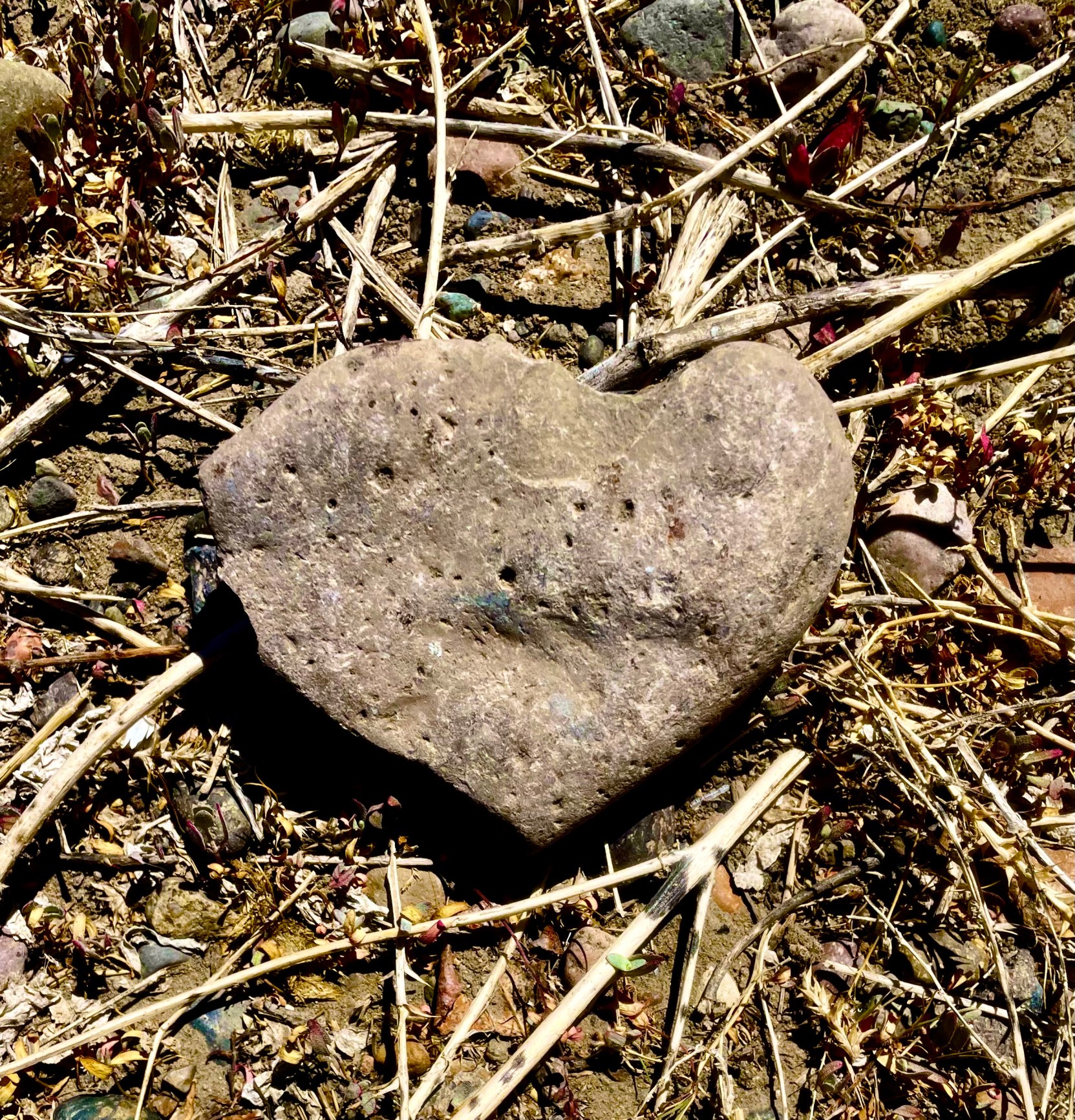
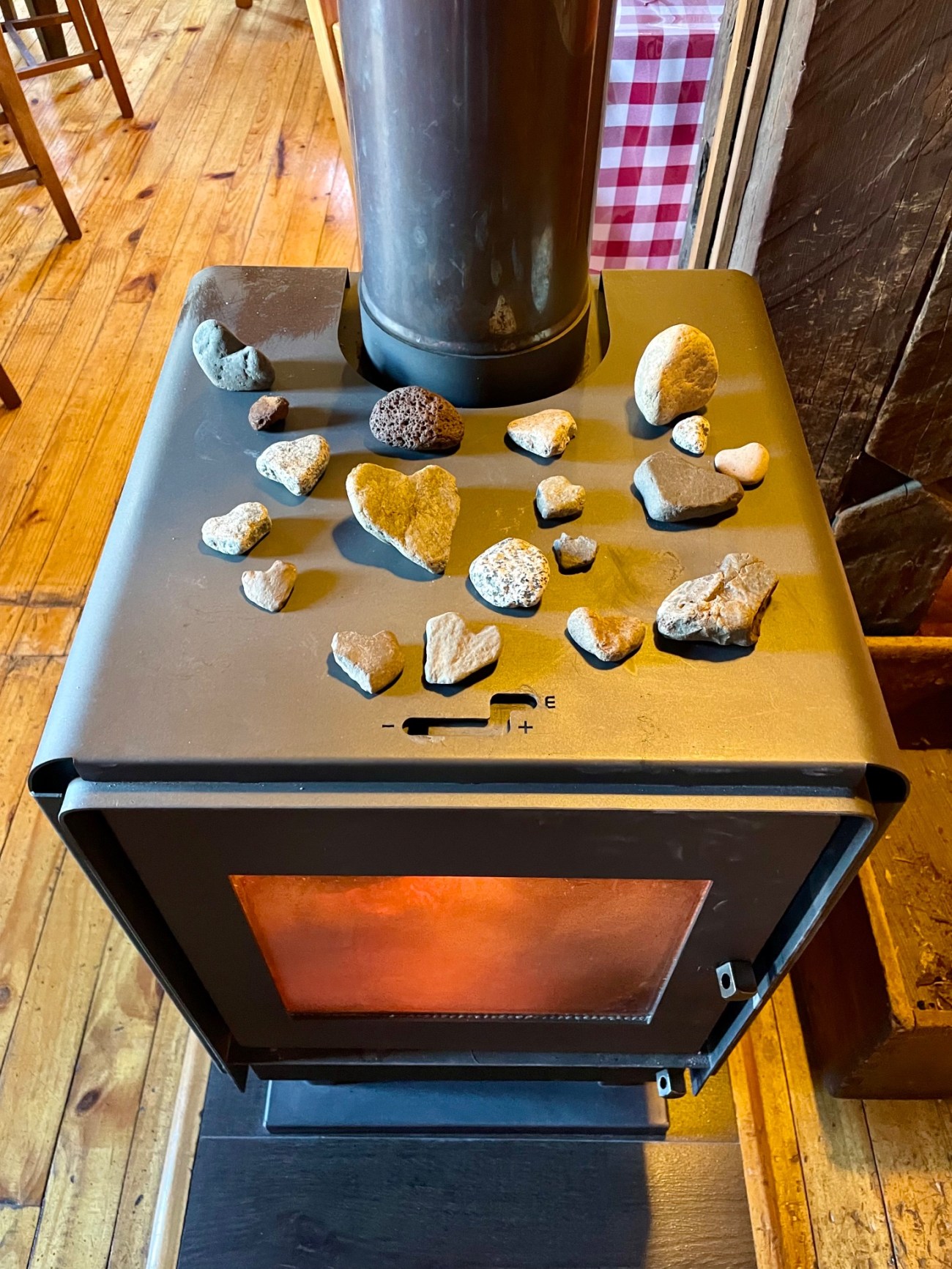
At my hotel, run by a charming Italian named Silvano, who has lived in Chile for the past thirty years. I collect heart shaped rocks, so this really moved me.
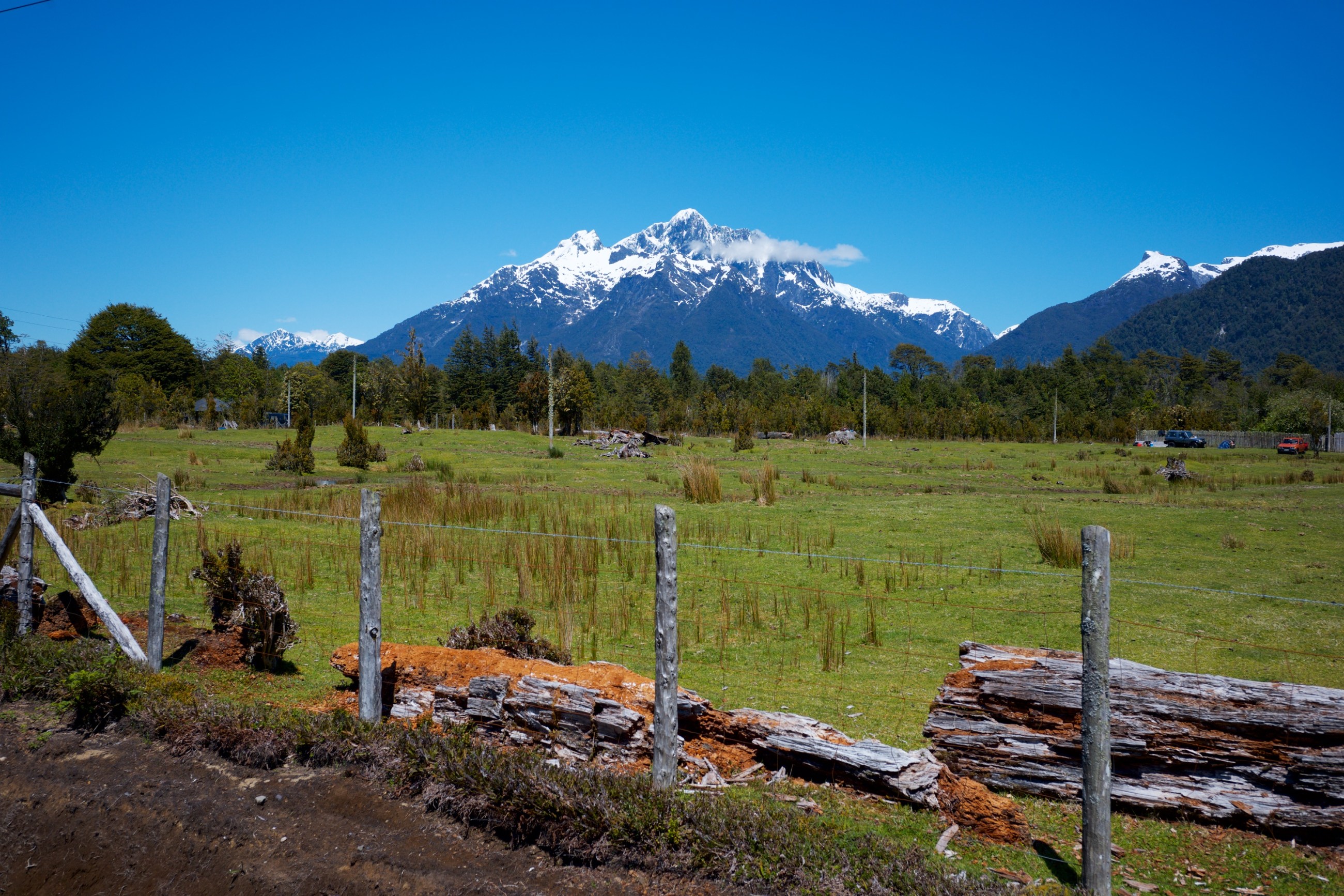
Futaleufú is totally magical. From the moment I drove into this very small village, with its stunning mountain scenery in every direction just a stone’s throw from the Argentine border, I knew that I’d found somewhere very special. Adventure beckoned N, S, E and W, so deciding what to jump into was the central puzzle.
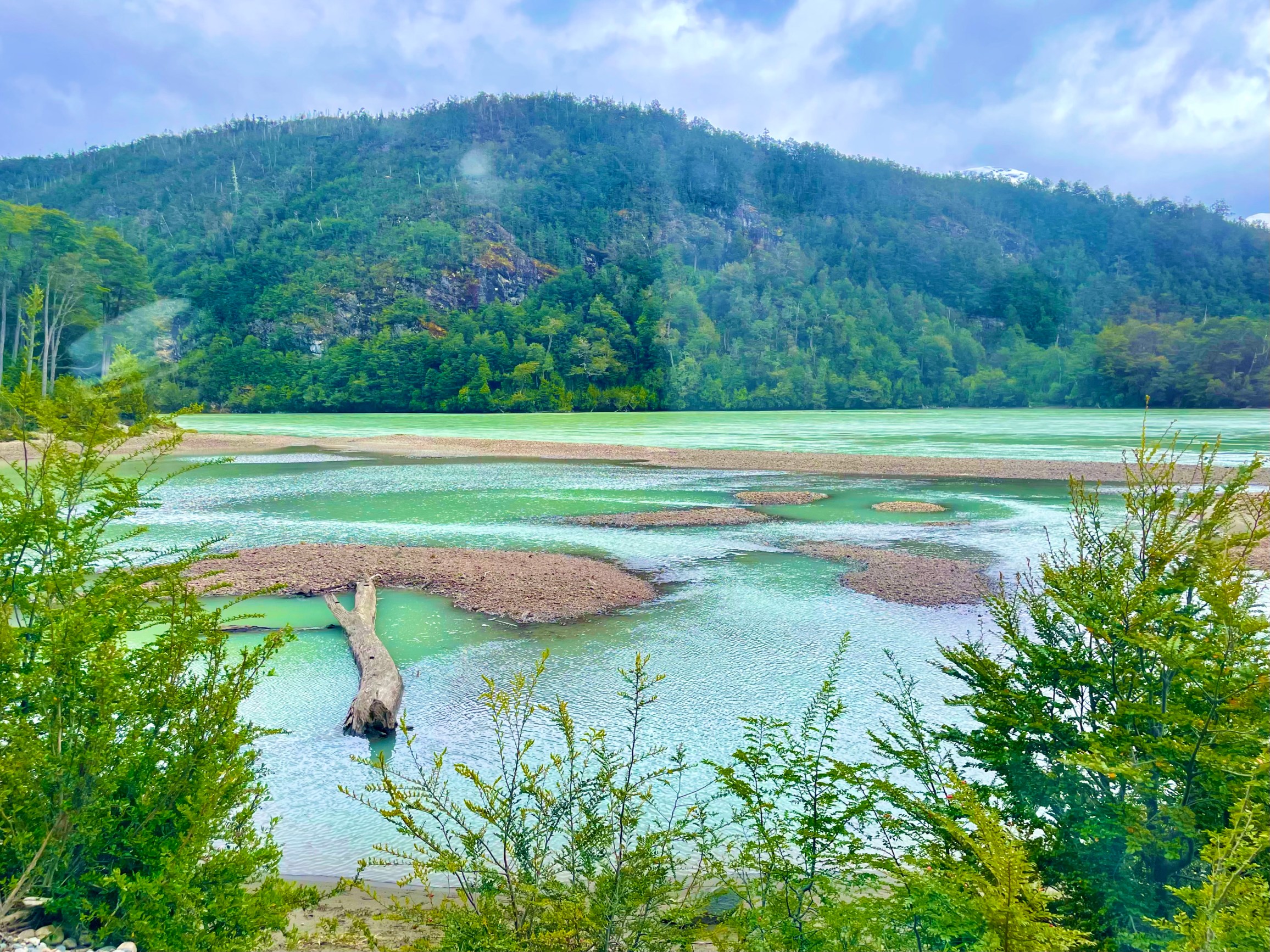
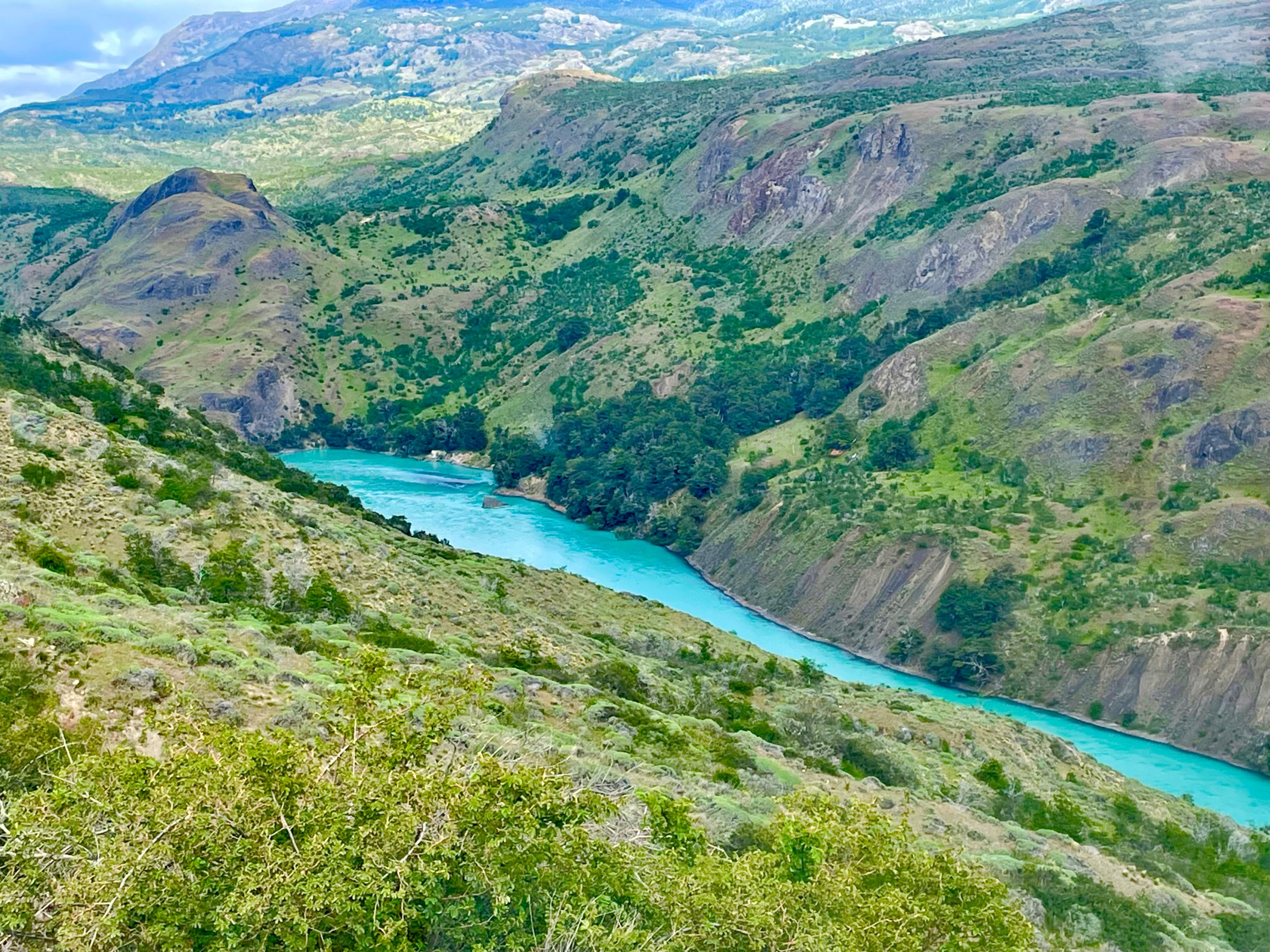
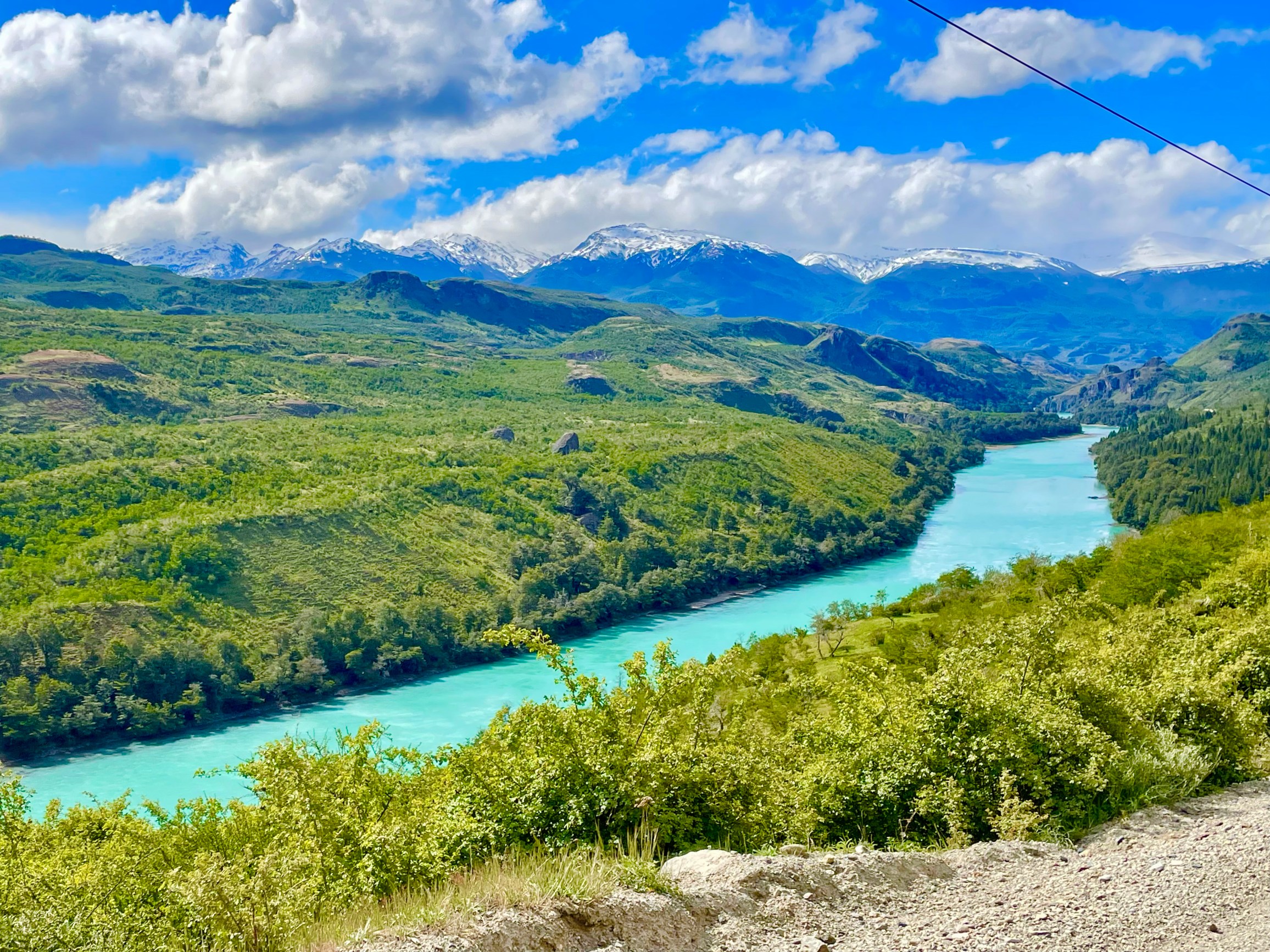
I’ve never seen rivers this startlingly green and crystal clear, and they’re everywhere in this region. The glacial till that washes into them reflects sunlight in a mystical way, creating dazzling jewels everywhere you look. You could spot a salmon here from a mile away.
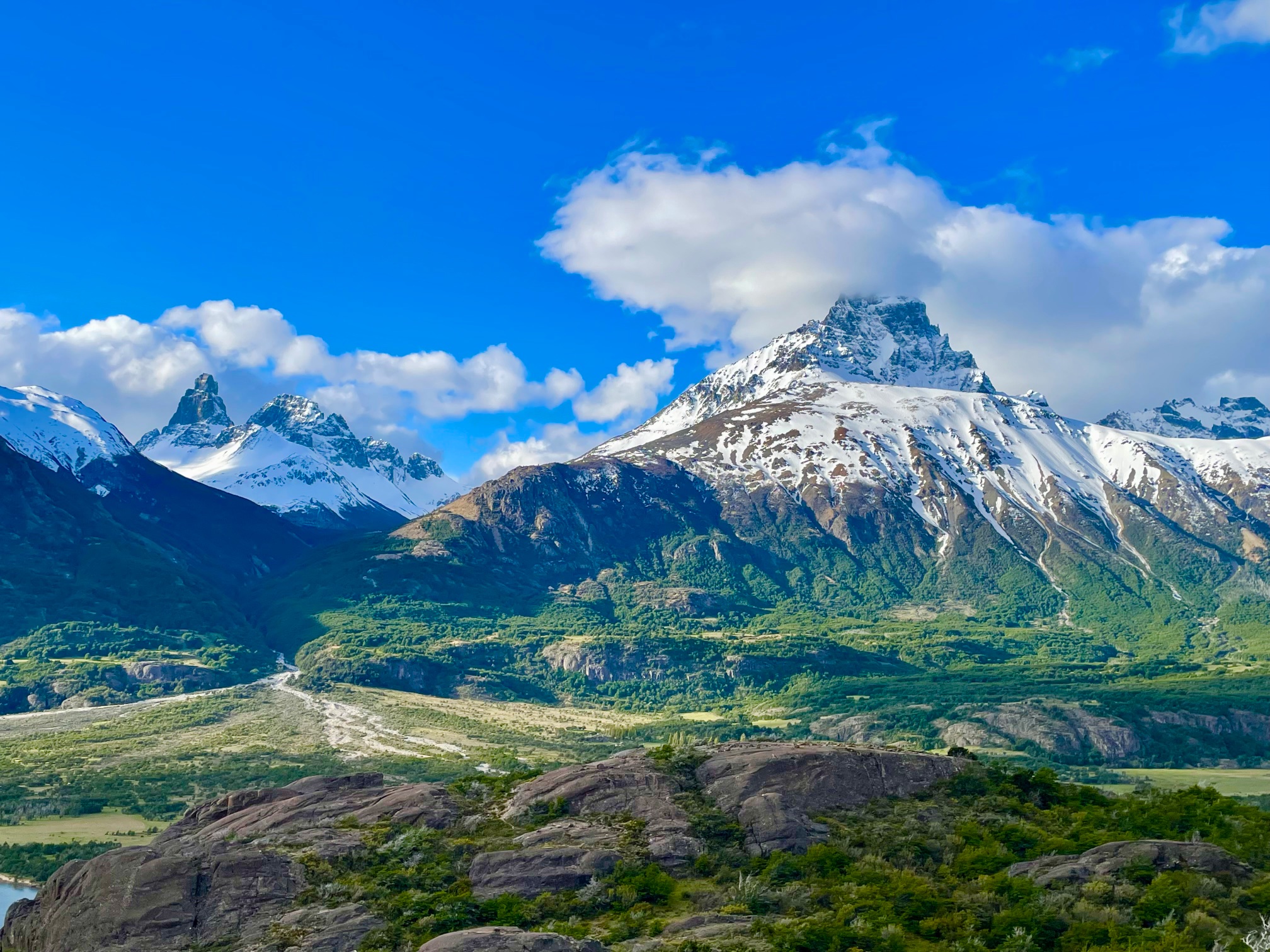
Looking NE while hiking – Chile’s end and Agentina’s beginning – the Cordillera that separates both:
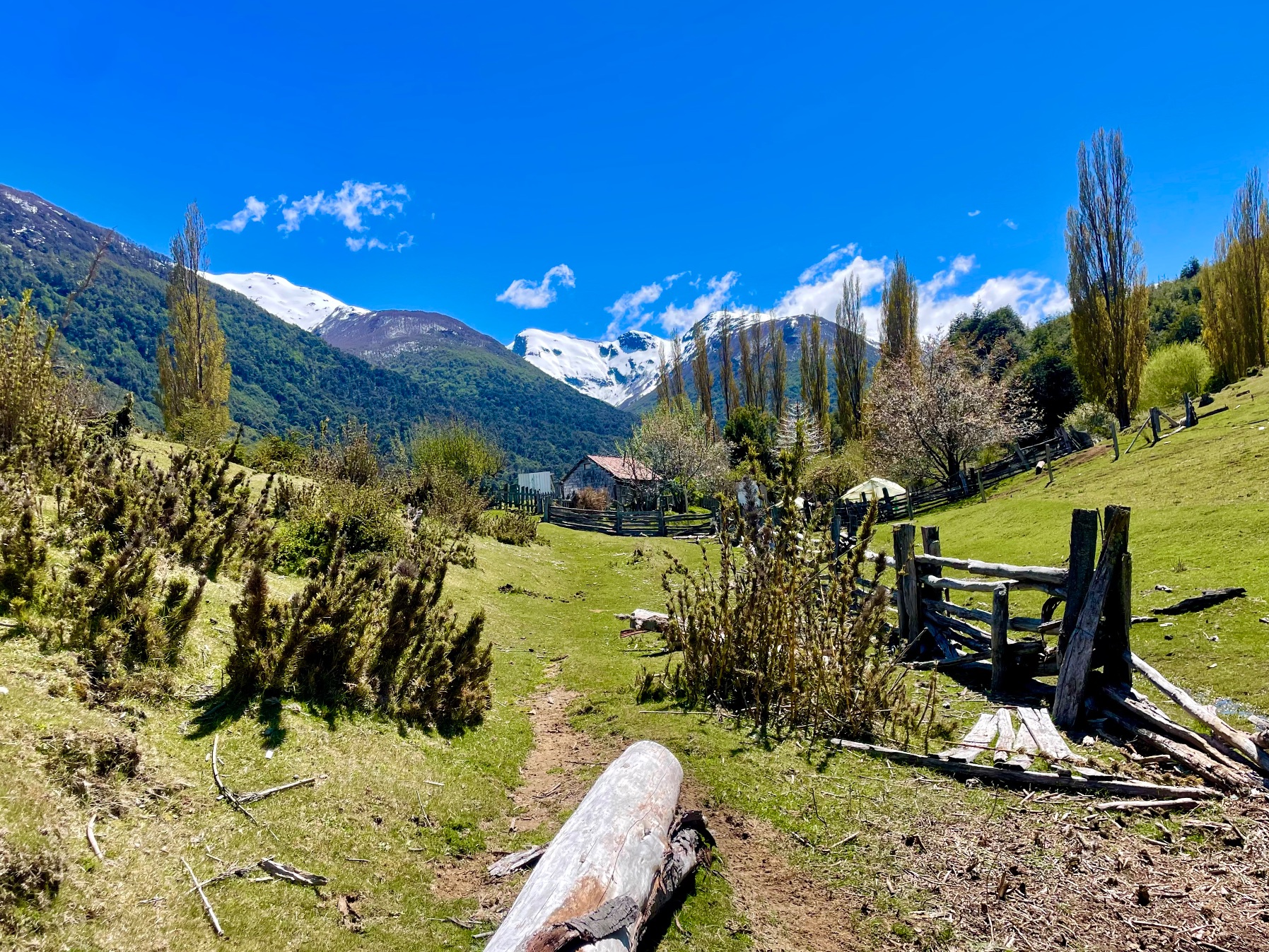
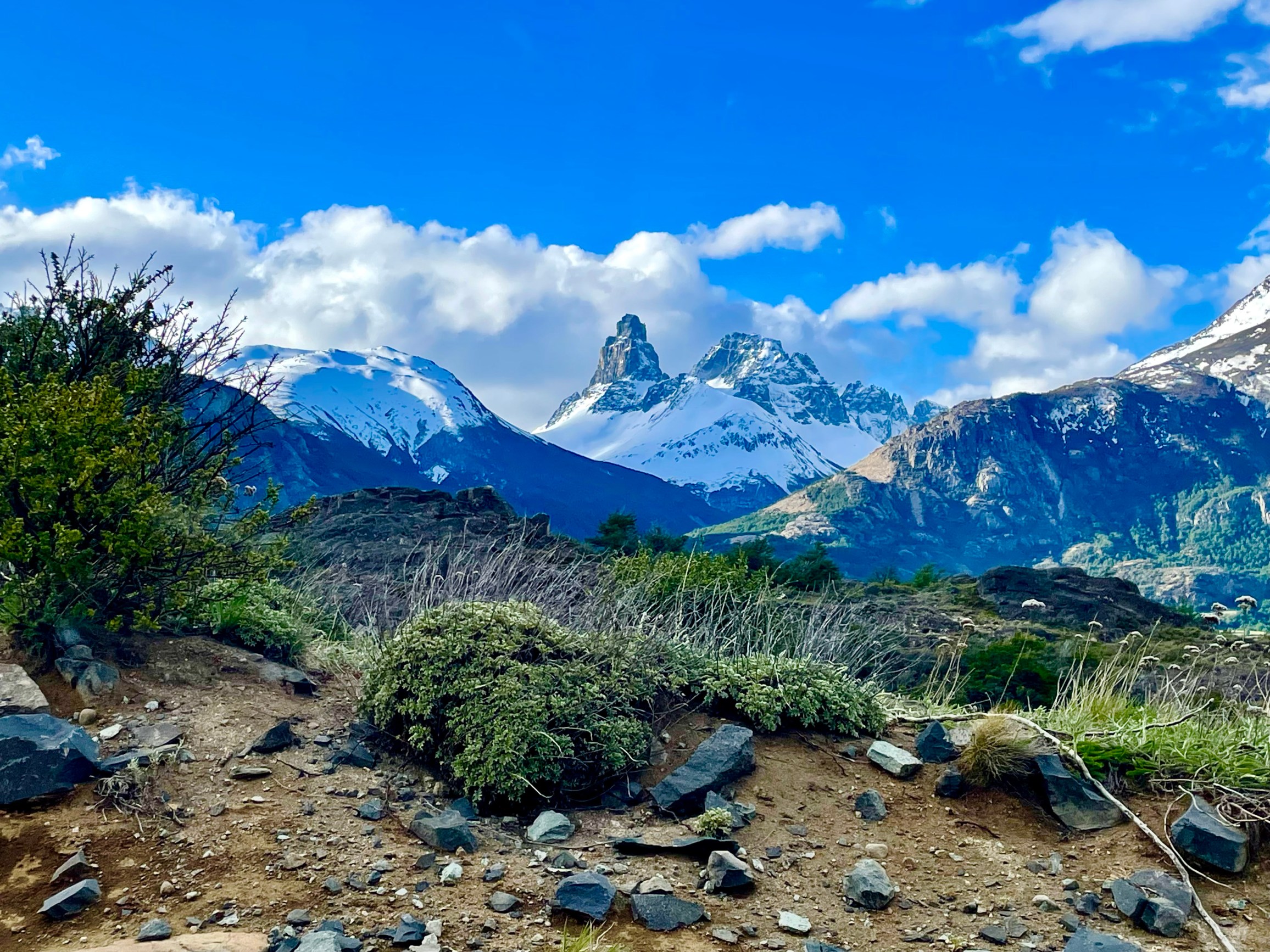
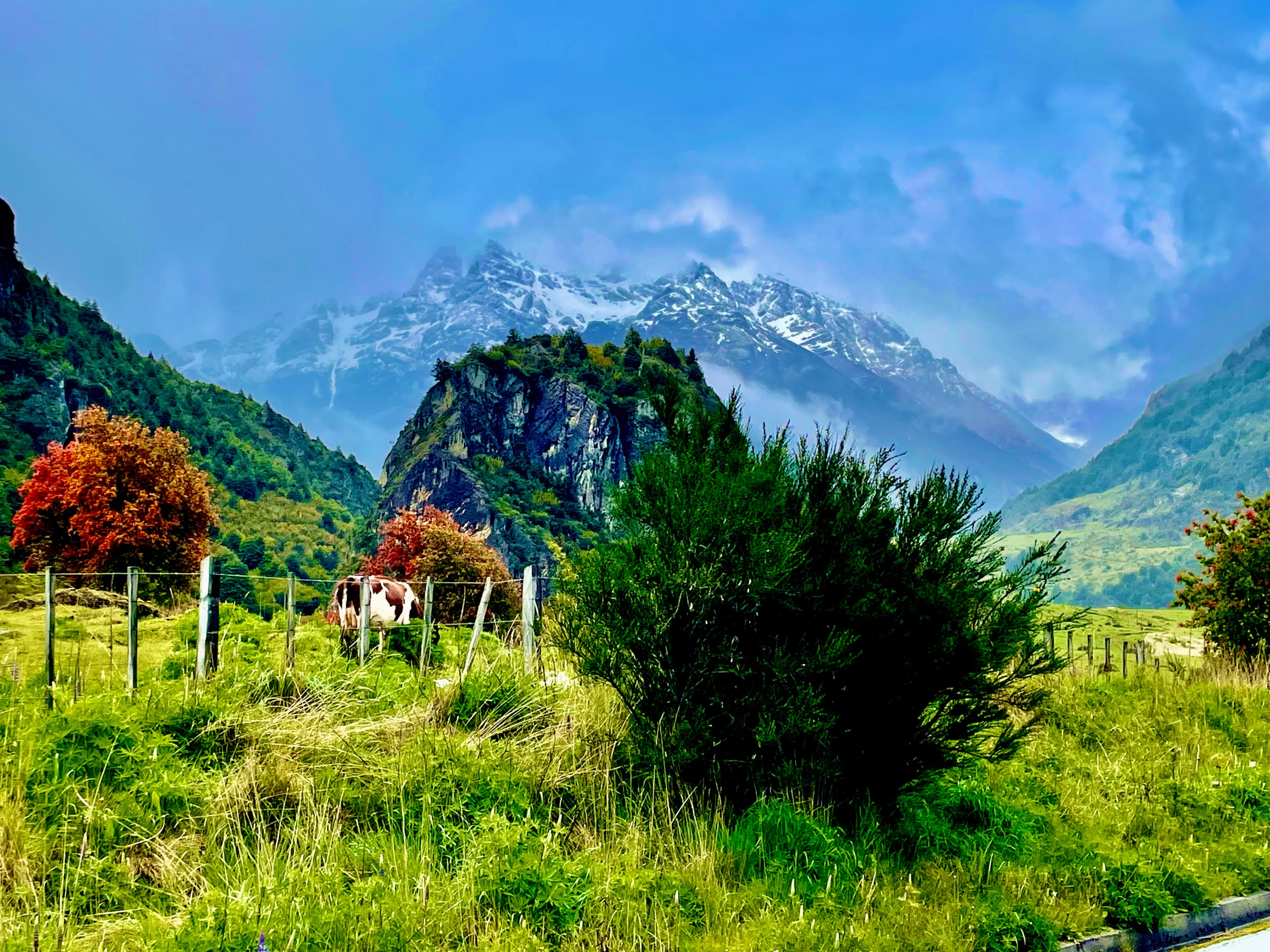
I’m gonna do a little photo dump here, because I feel that they’re so much better at conveying the vibe of where I’ve been than mere words:
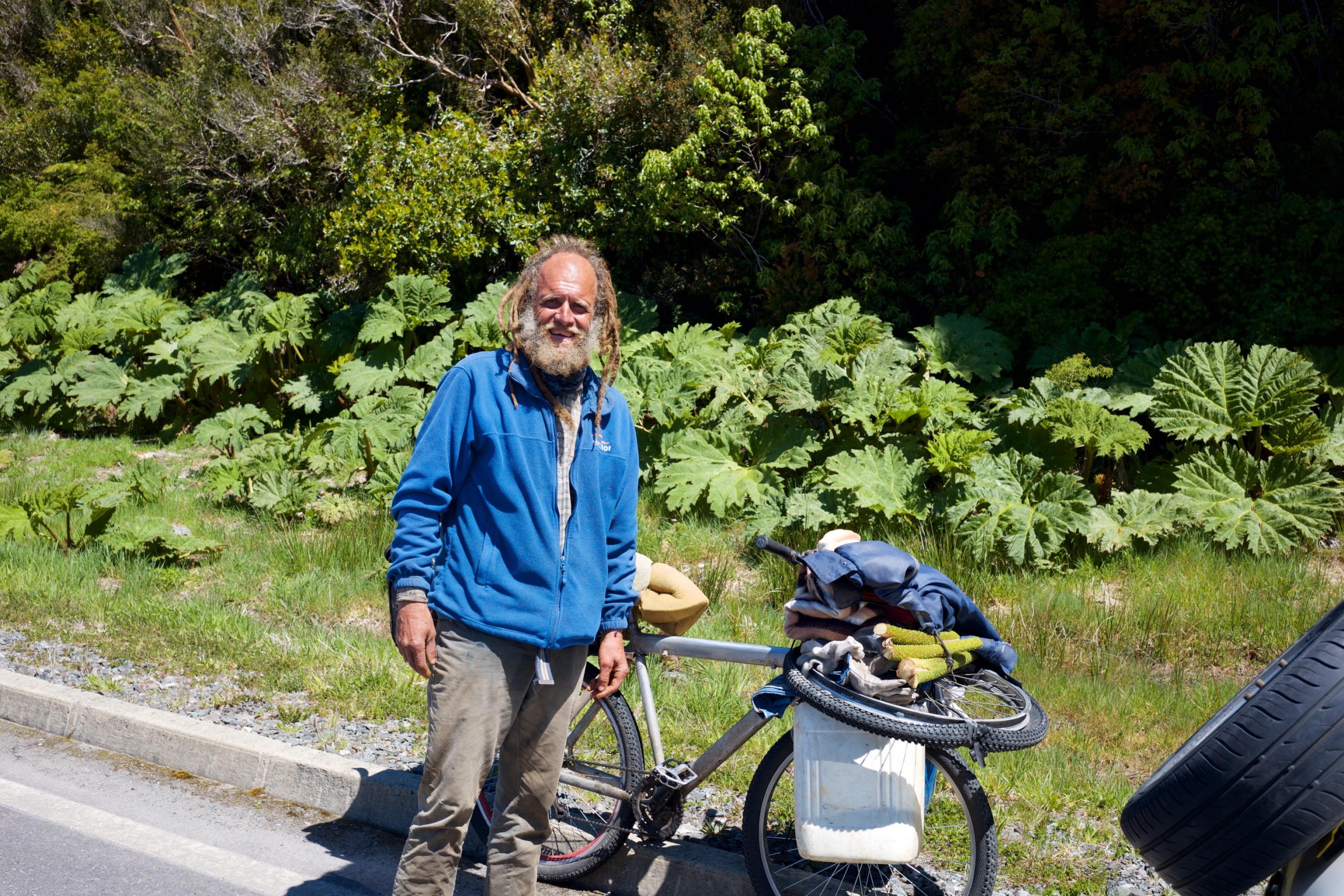
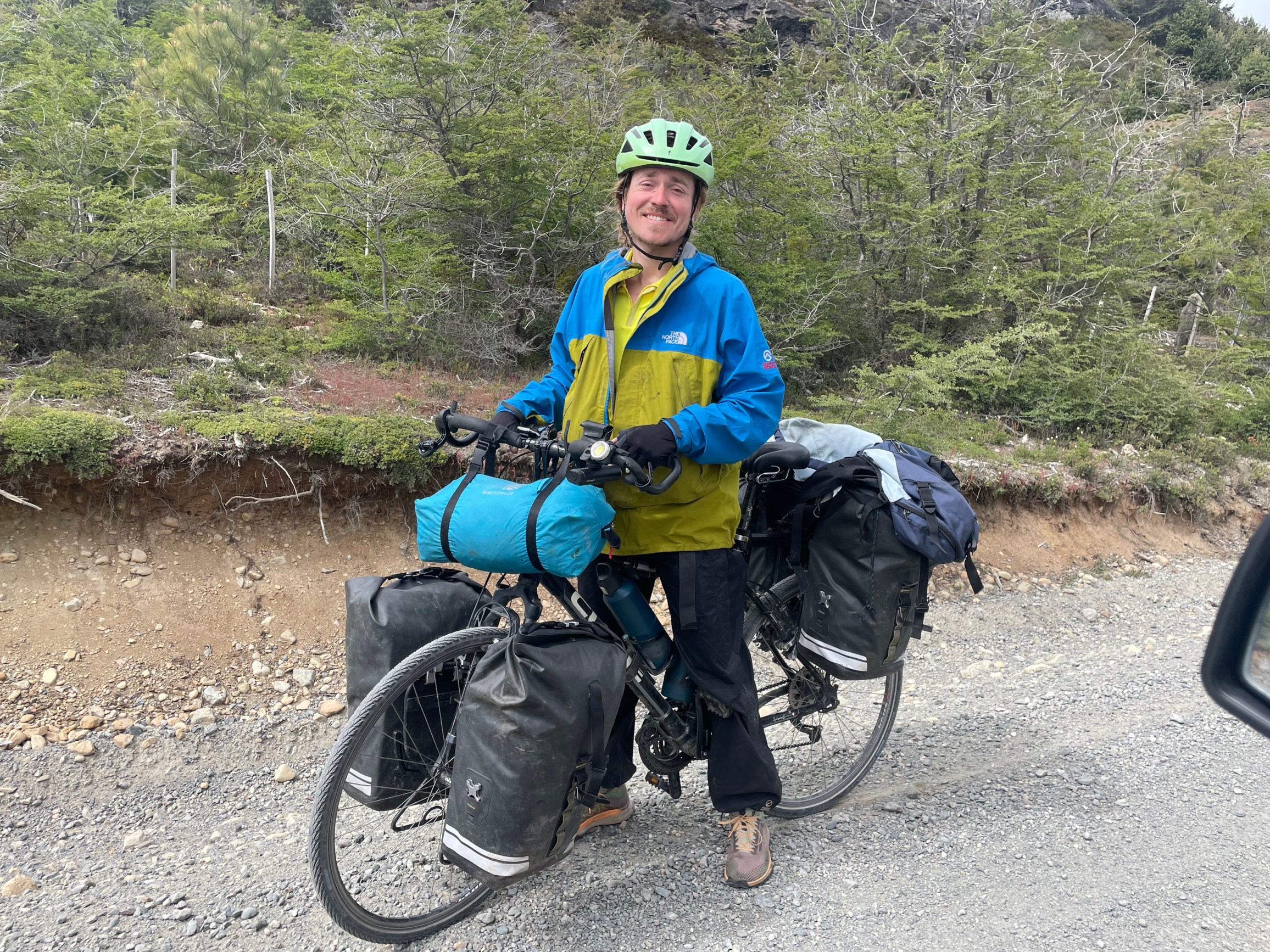
Jean Baptiste, originally from France, but living in Brazil and Chile for the past twenty eight years, bicycling to Futaleufu from Chaiten – 75 miles of very challeng terrain on unpaved roads. He’s 79 years young. Tough and very sweet dude:
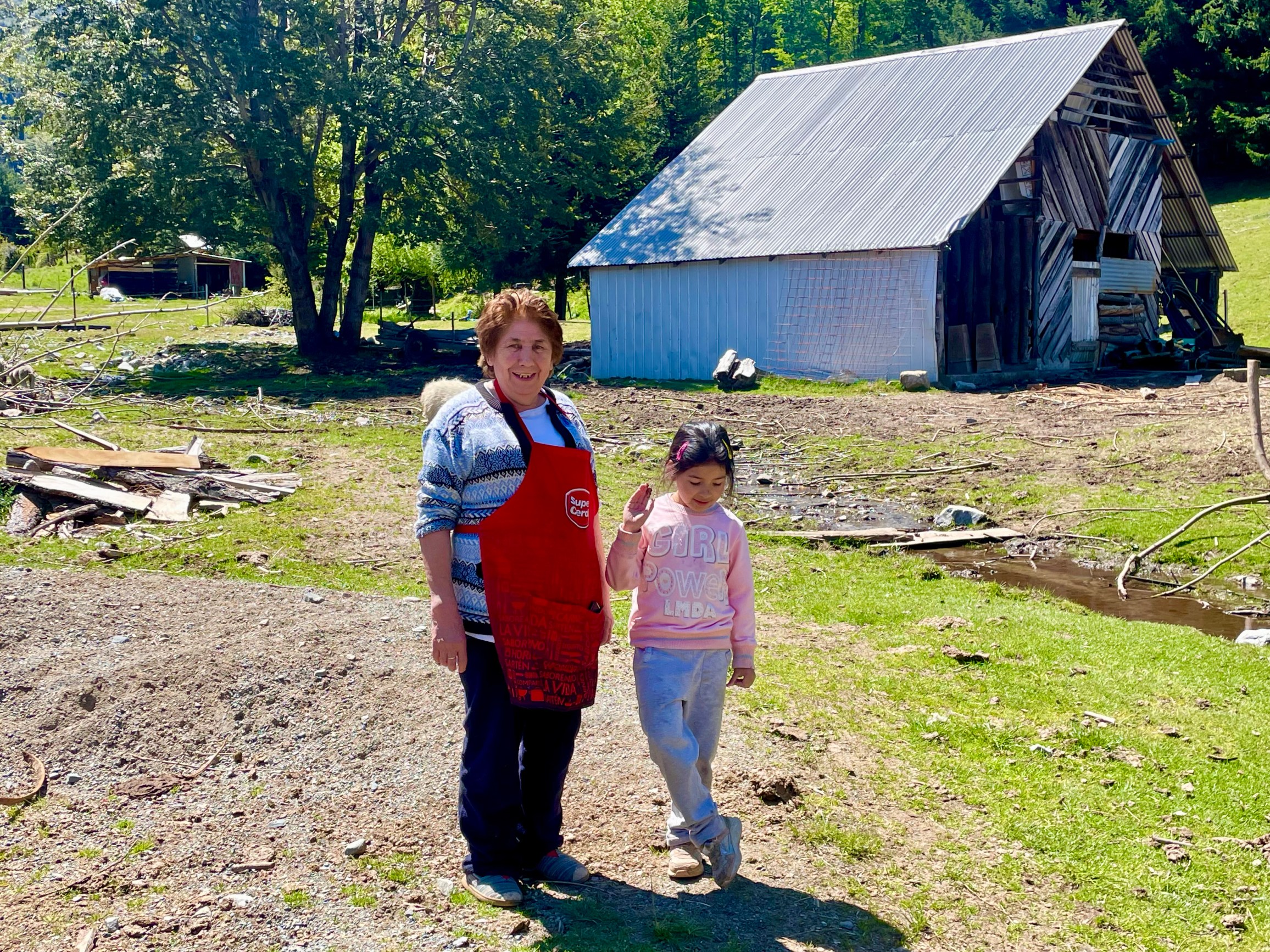
Rosalinda and her granddaughter. She owns the land from which my hike began, and her family requests a small entrance fee / donation. The best three dollars I’ve ever spent…
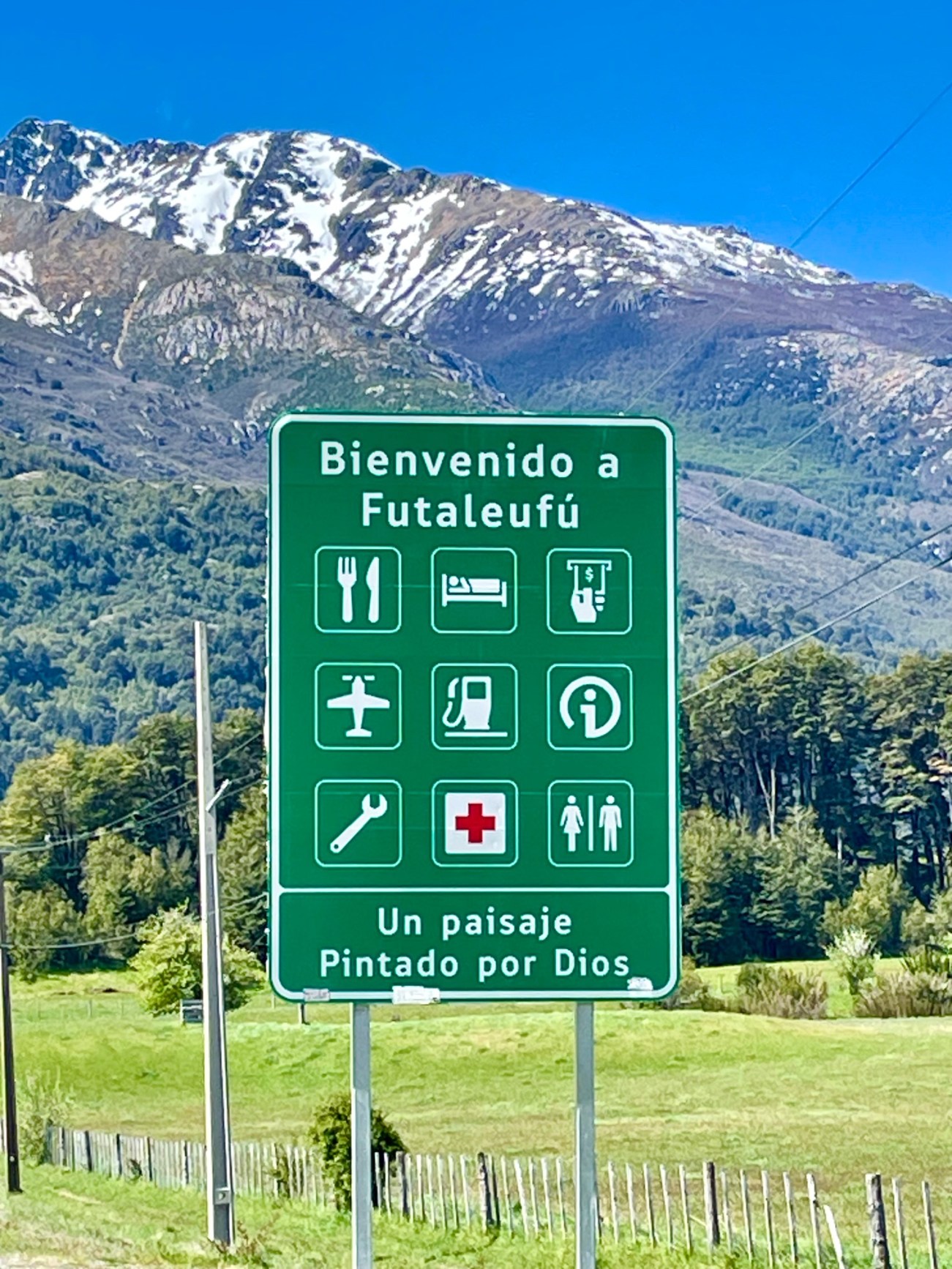
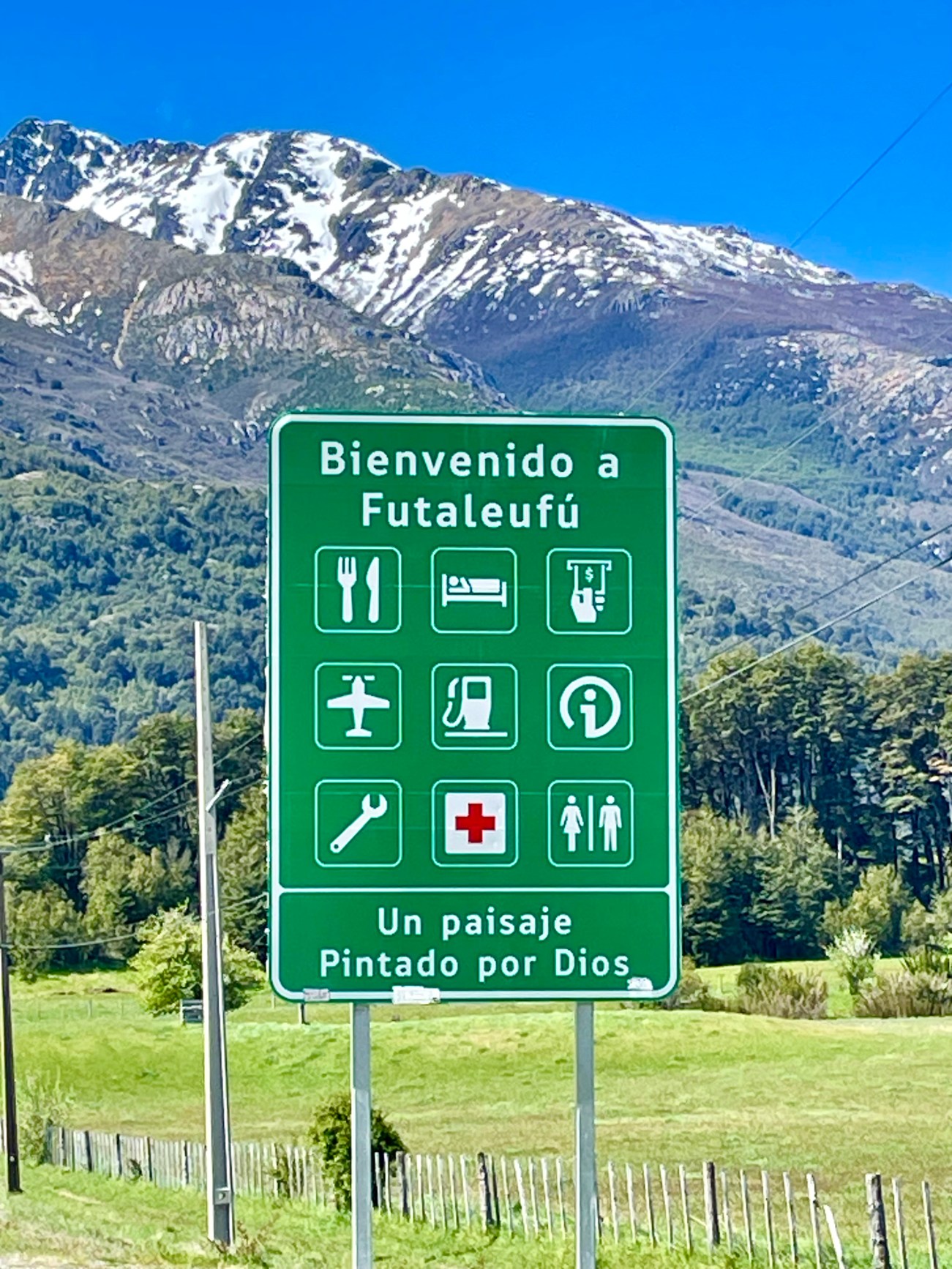
What a beautiful sign entering town. Translated, it says “Futaleufu – a Landscape Painted by God.” How incredibly appropriate.
Changing weather headng south towards Puerto Aysen:
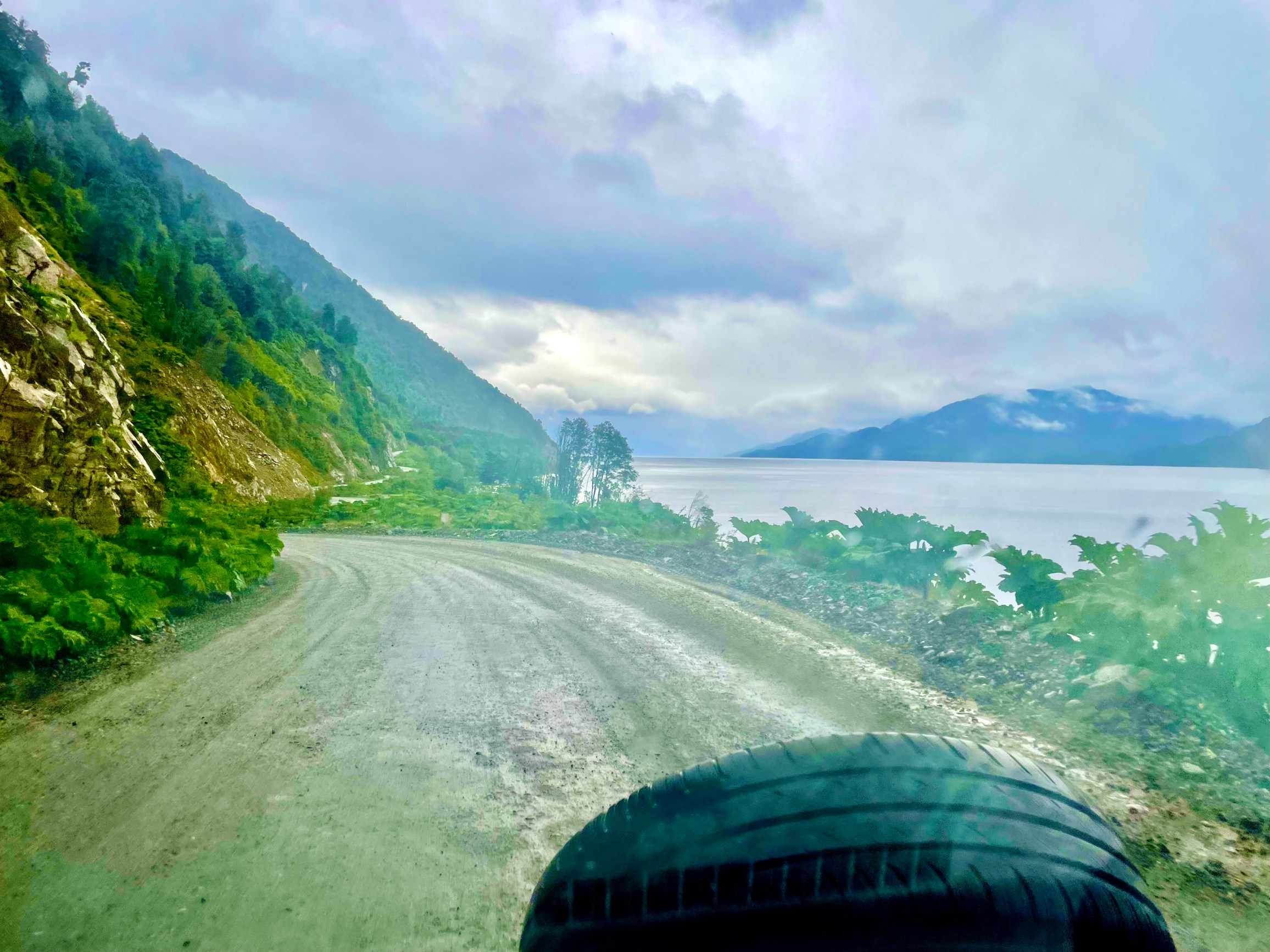
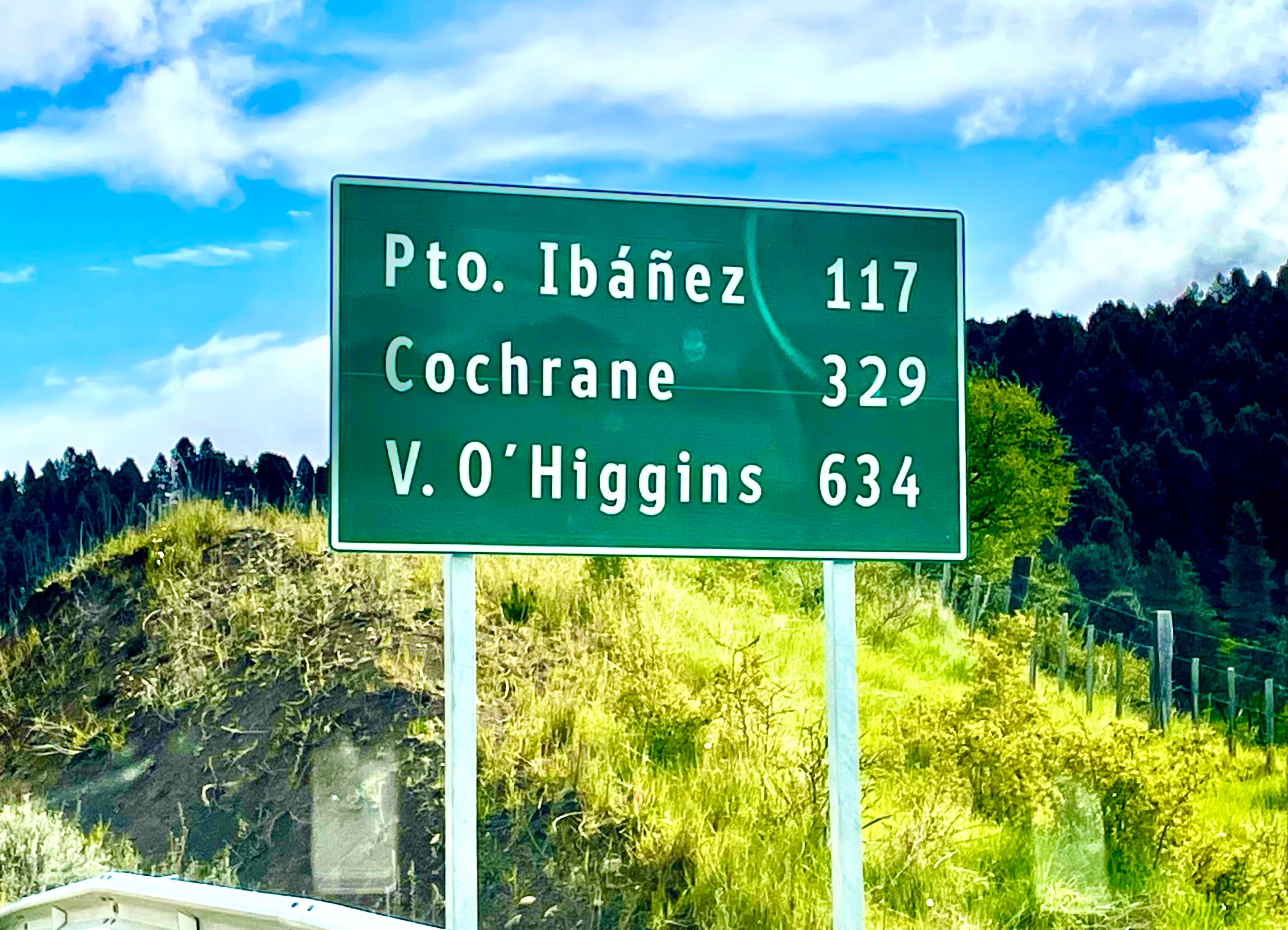
Villa O’Higgins – the Sirens’ call – and super difficult to reach, as the Carretera turns into a pretty savage dirt road for the last 790 miles. Gotta have my fillings checked when I get home…
Met Darius Braun in a snowstorm – on his bike – on a mountain pass at 3,800’ el – dropping down to Rio Ibáñez. Iron man – he’s biked from Calgary to here – 20,000 km after suffereing a stroke and paralysis on his left side from a brain tumor that was thankfully removed. Hard to grasp. I feel like a total wimp…
Meandering south:
Un gaucho:
The Rio Baker, world famous fly fishing and rafting river. Its color astonished me:
My view on La Carretera (one of them, anyway)…
Patrick form Poland, who is riding from Ushuaia north and hike a biked from Argentina into Chile. I noticed that he’s carrying a ton of weight and he said he’s got to shed a bunch:
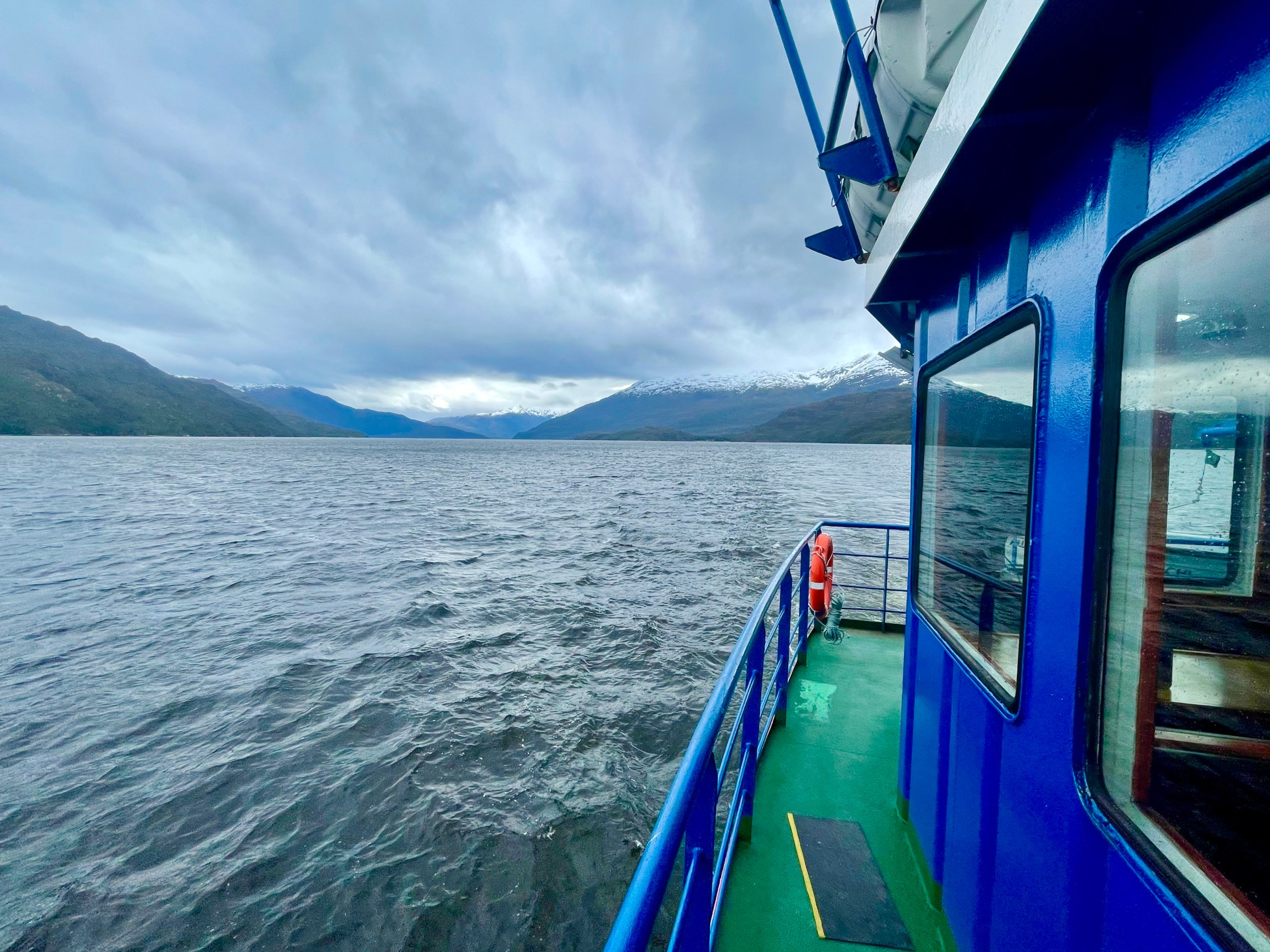
When you get to within 60 miles of Villa O’Higgins, the push requires an eight mile ferry across Estero Mitchell, which connects with the Pacific Ocean 65 miles west. Here’s Inez, who mans the tiny restaurant adjacent to the dock:
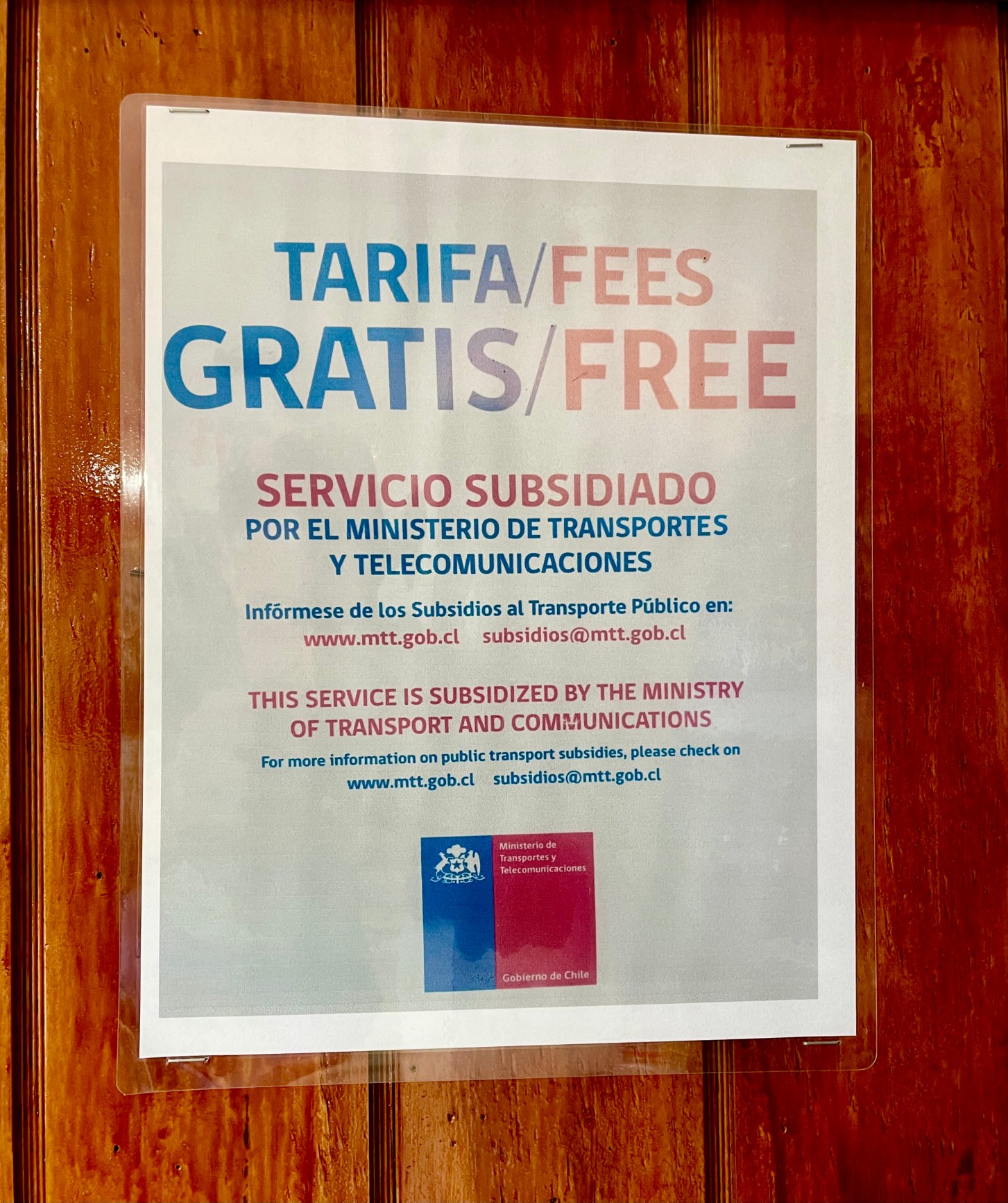
No charge for the ride. The government picks up the tab.
Villa O’Higgins is everything I’d read it was – lonely, windswept, forboding and achingly beautiful. It was created only in 1966, and it sits where the icefields of Chile and Argentina completely overtake the landscape.
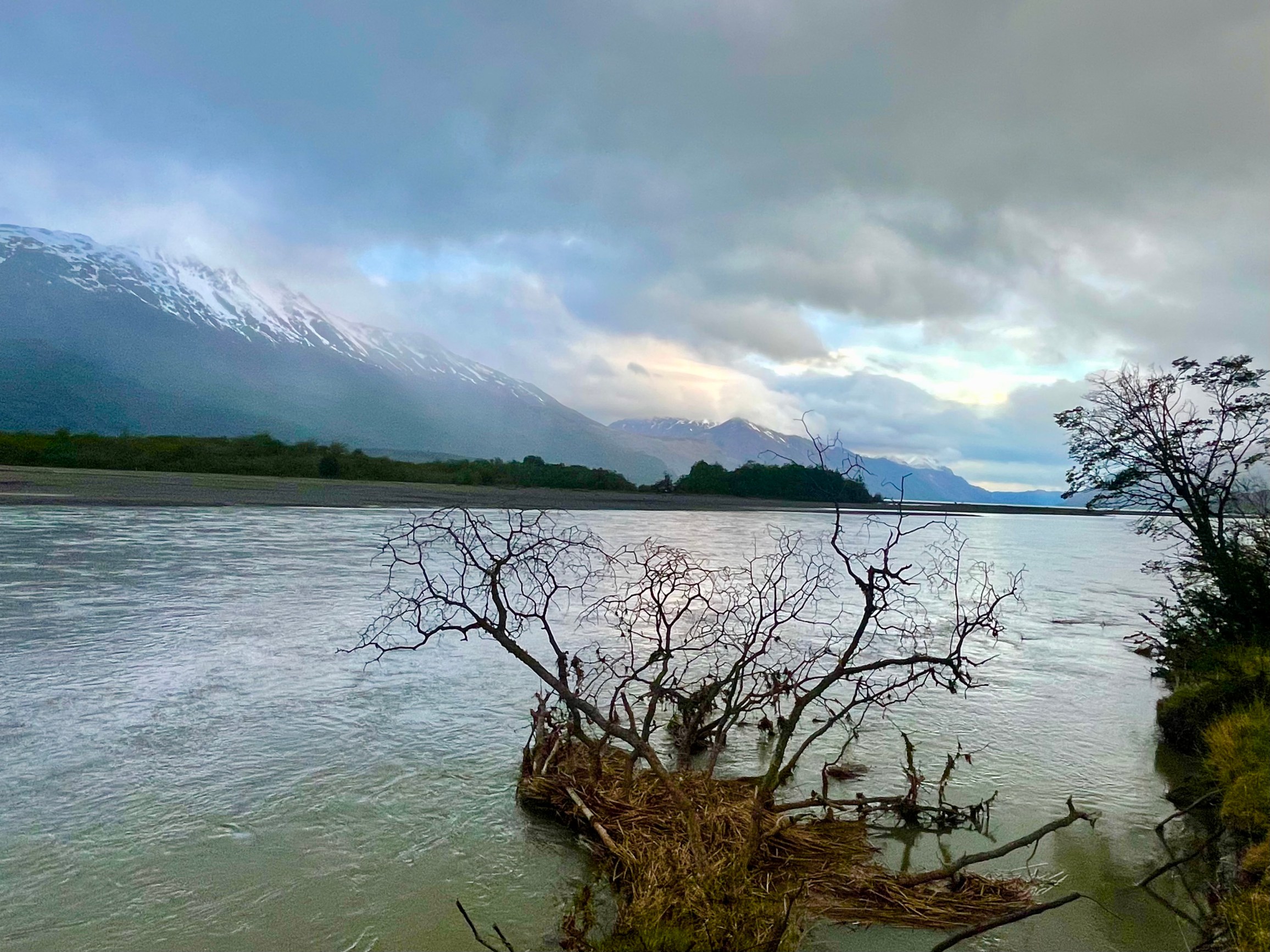
Fun (kind of) story – I found a gtreat place to camp along the O’Higgins River, which separates Chile and Argentina, about three miles outside of town. A flat, grassy meadow offered plenty of space to park and take photos of the changing sky. That’s Argentina across the lake:
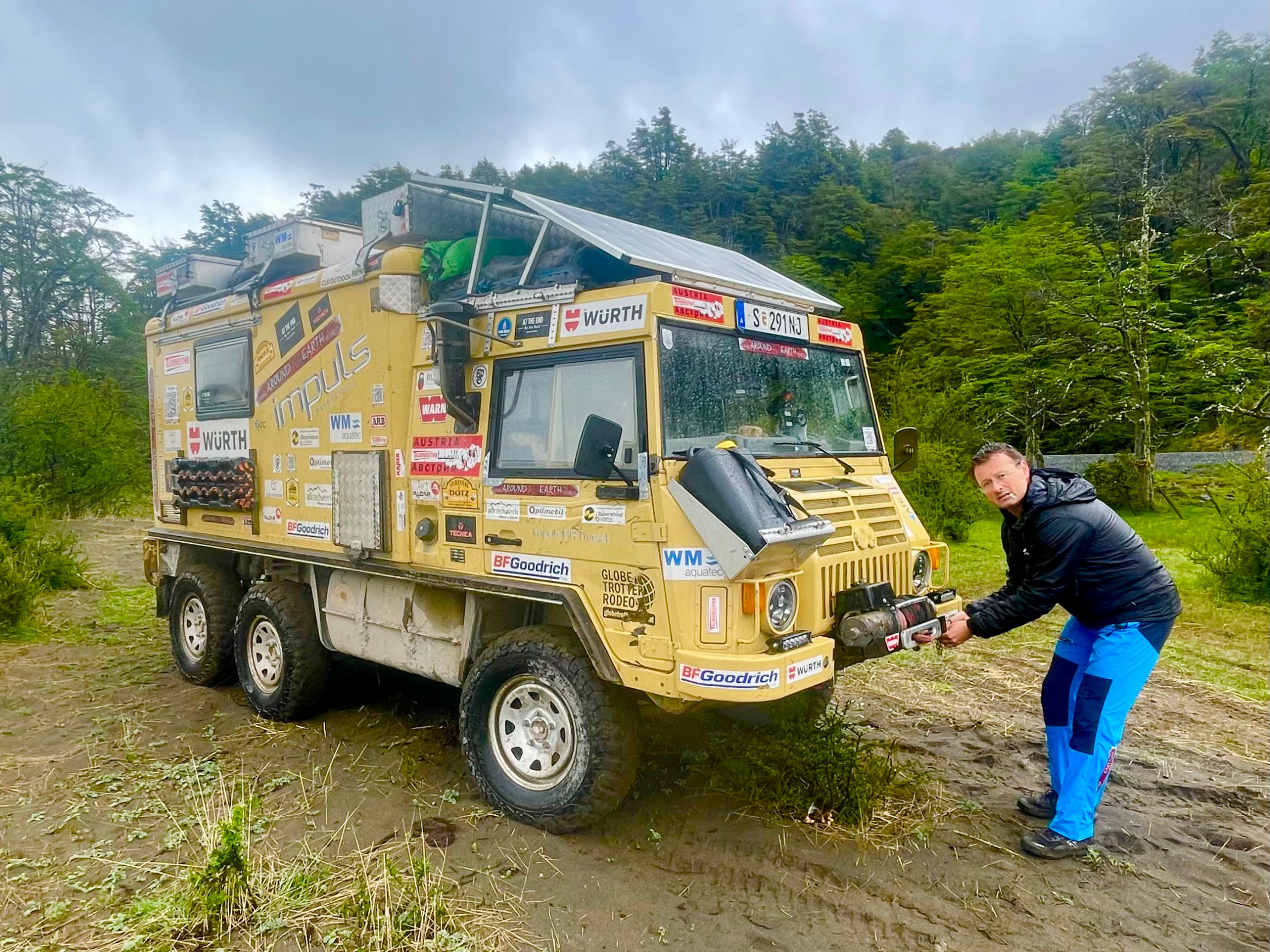
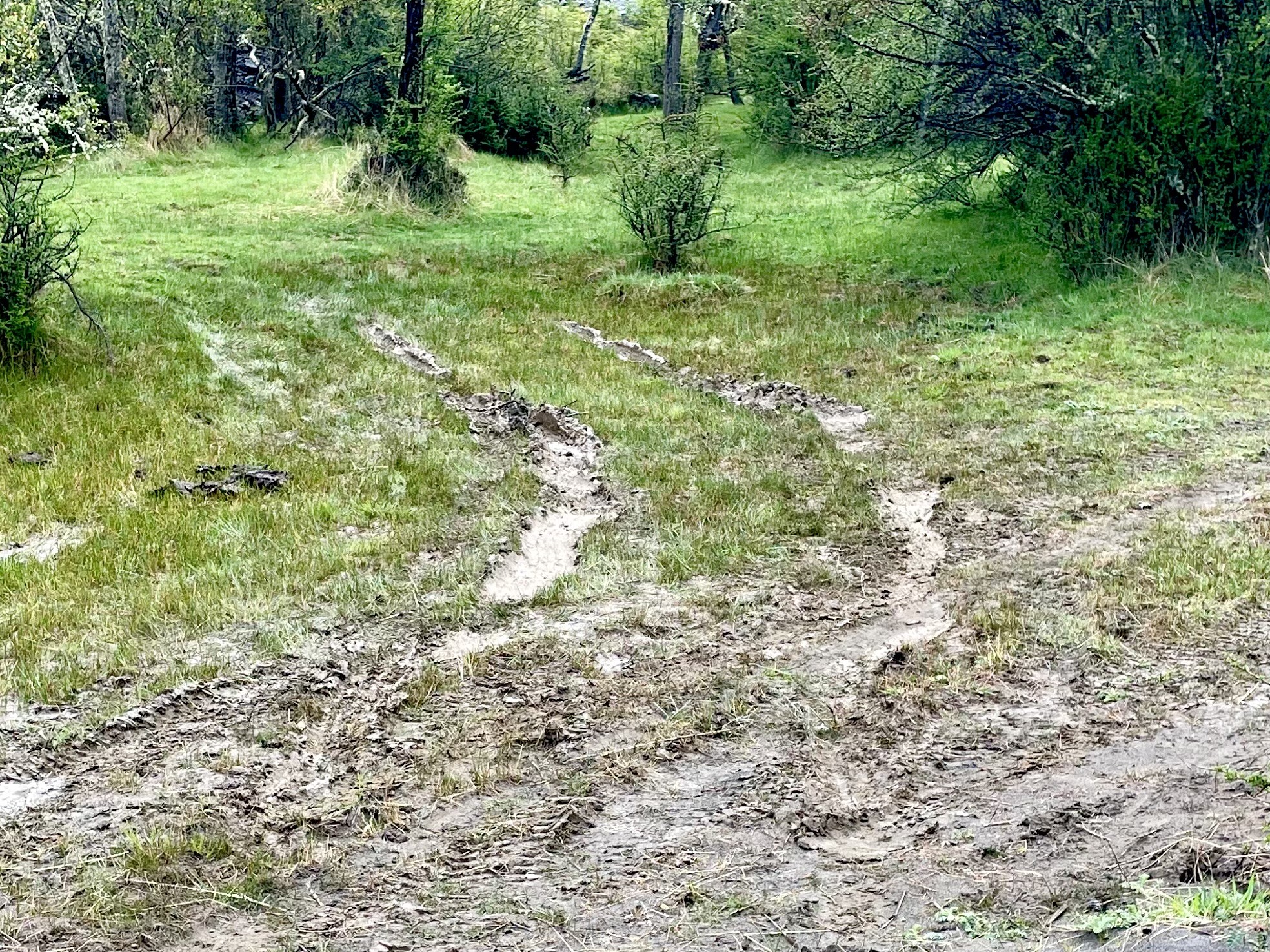
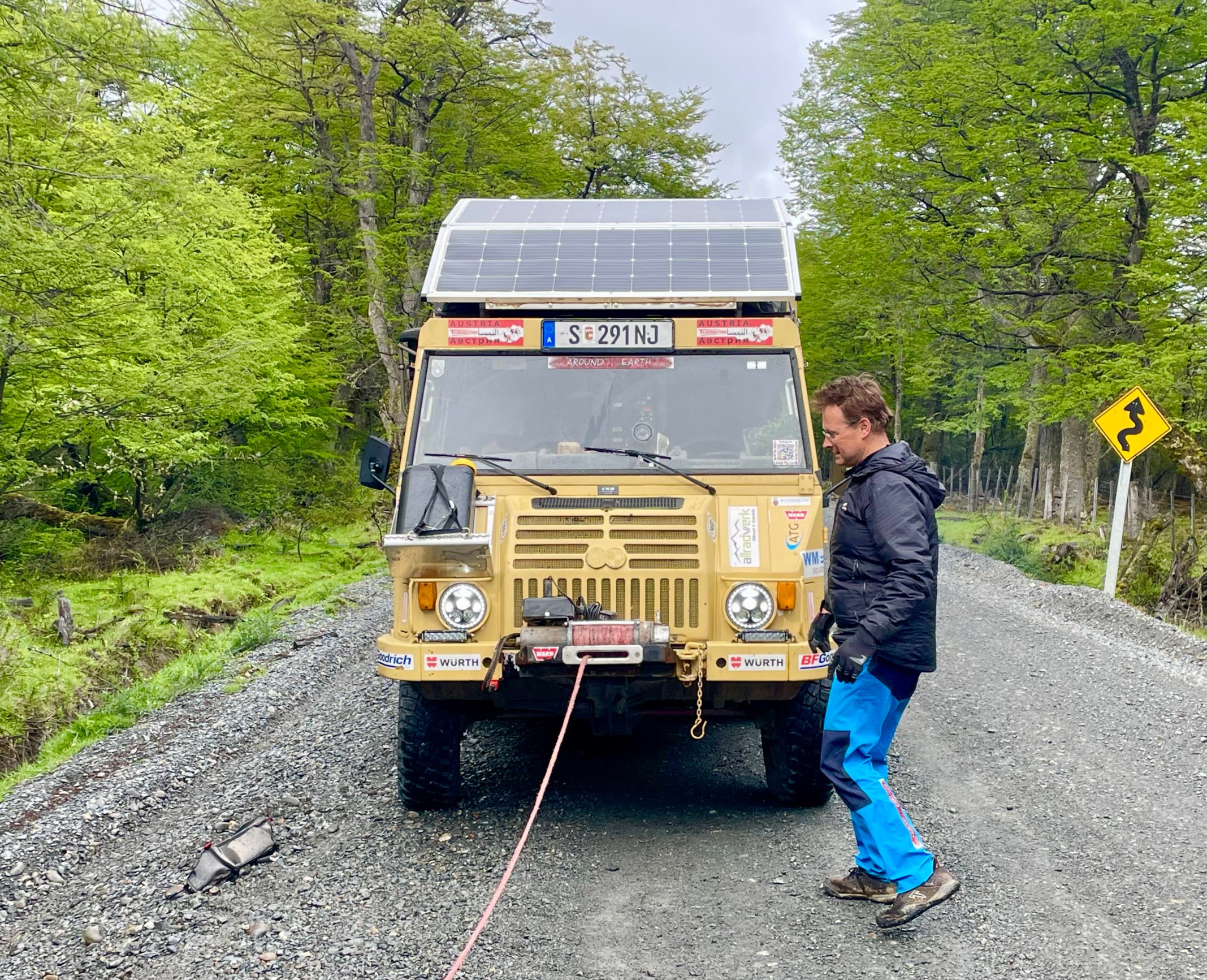
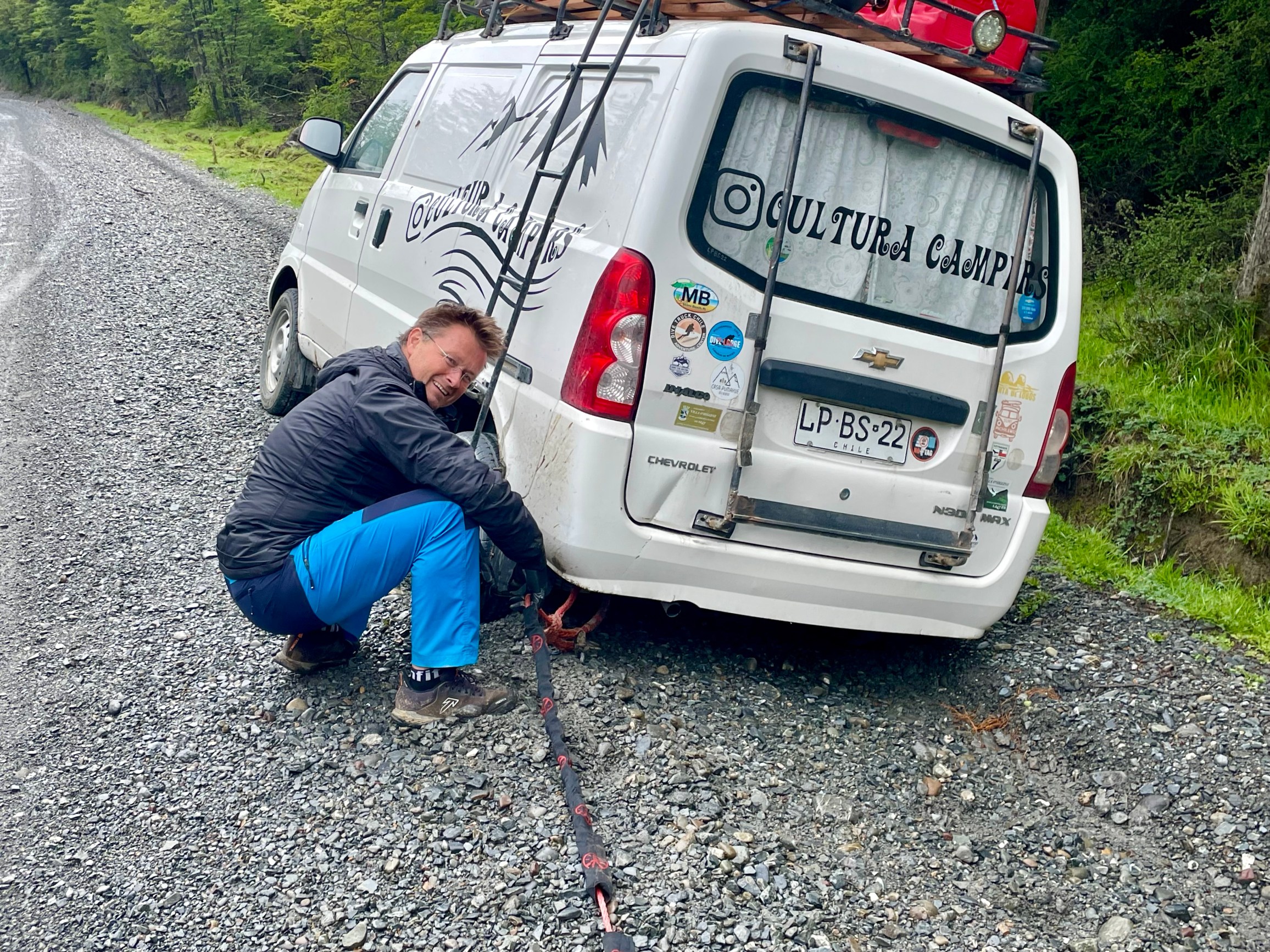
The next morning, after it rained all night, I decided to pull forward and make a large turn to exit rather than simply back out of where I’d parked. Bad idea…. my camper got stuck in the saturated ground, and I couldn’t move it forward or back despite valiantly trying. Fortunately, the cavalry not only arrived, but was camped about 100 meters from me on this desolate little spit.
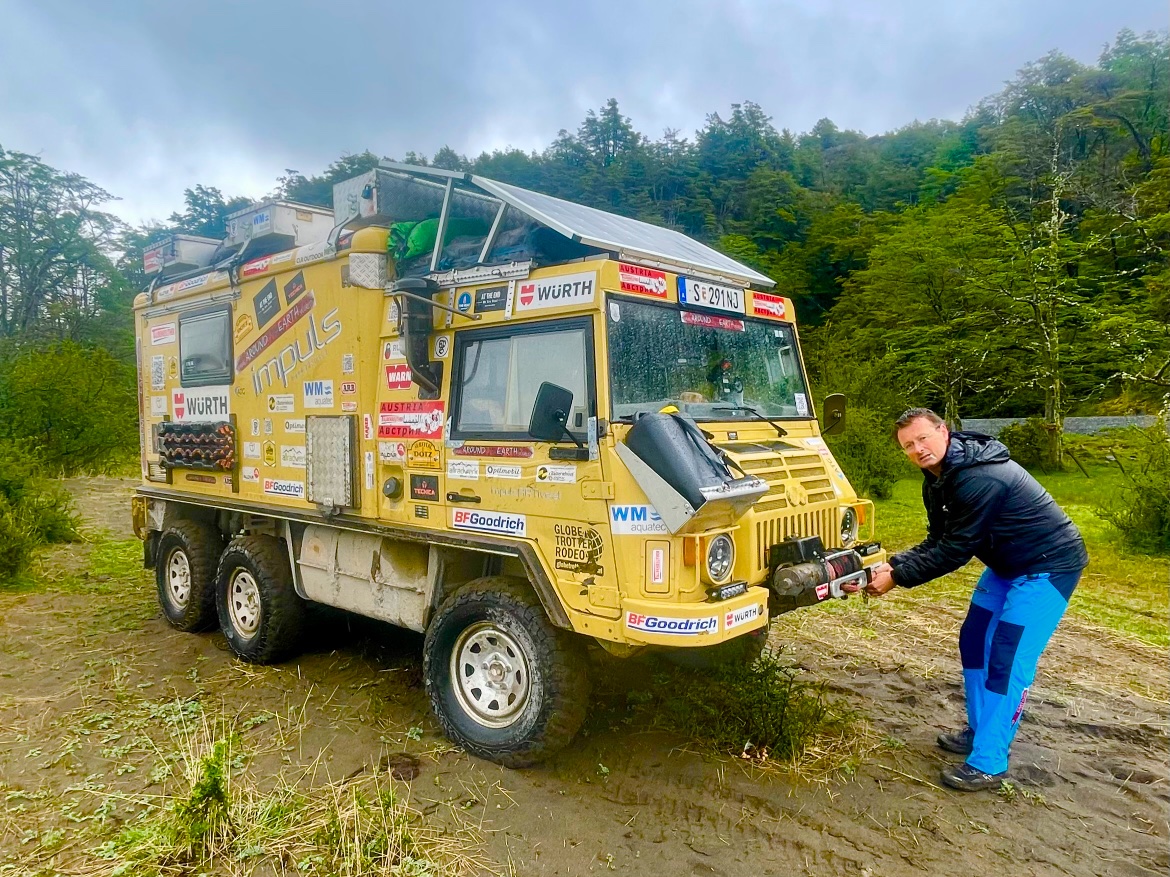
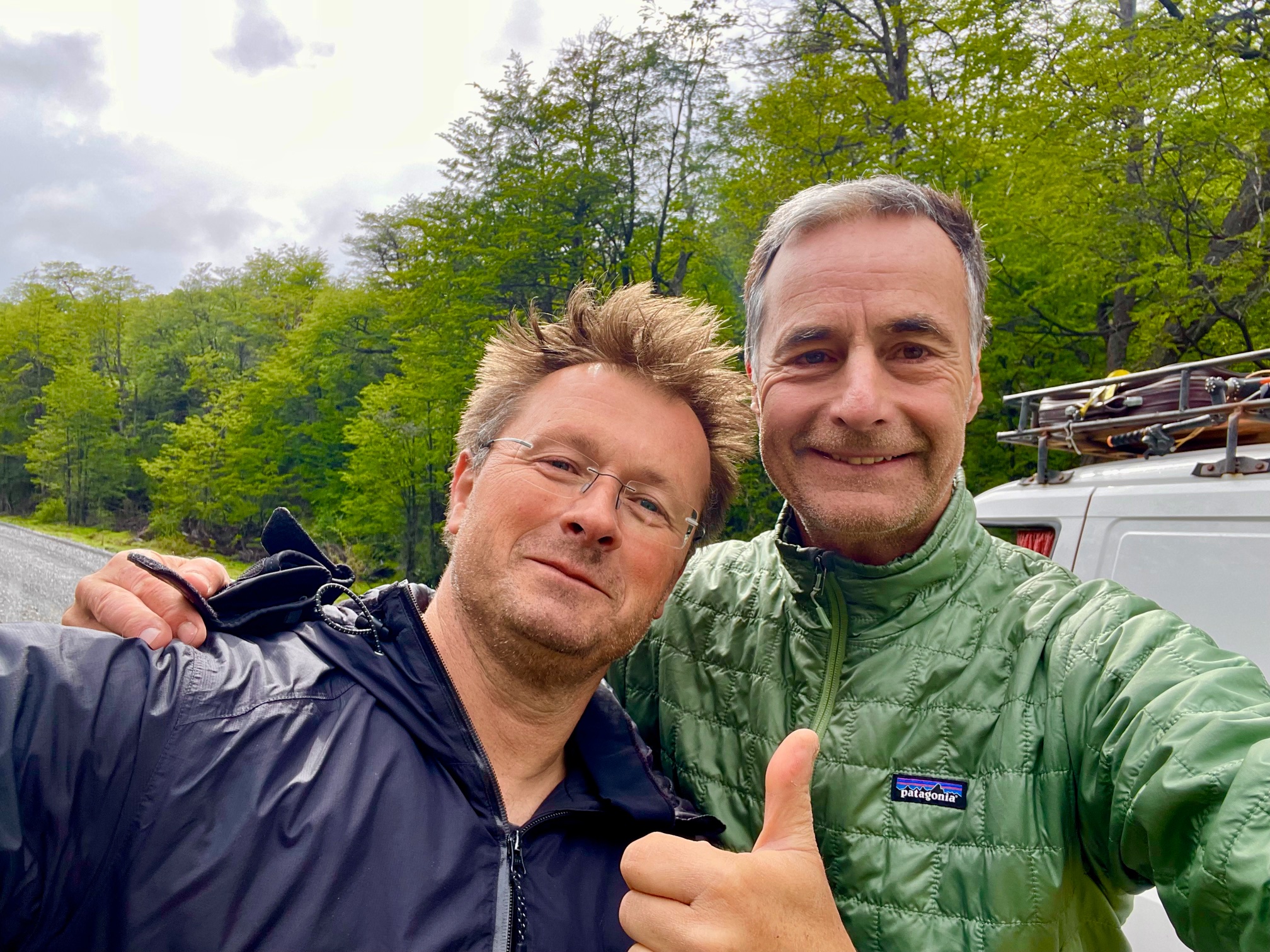
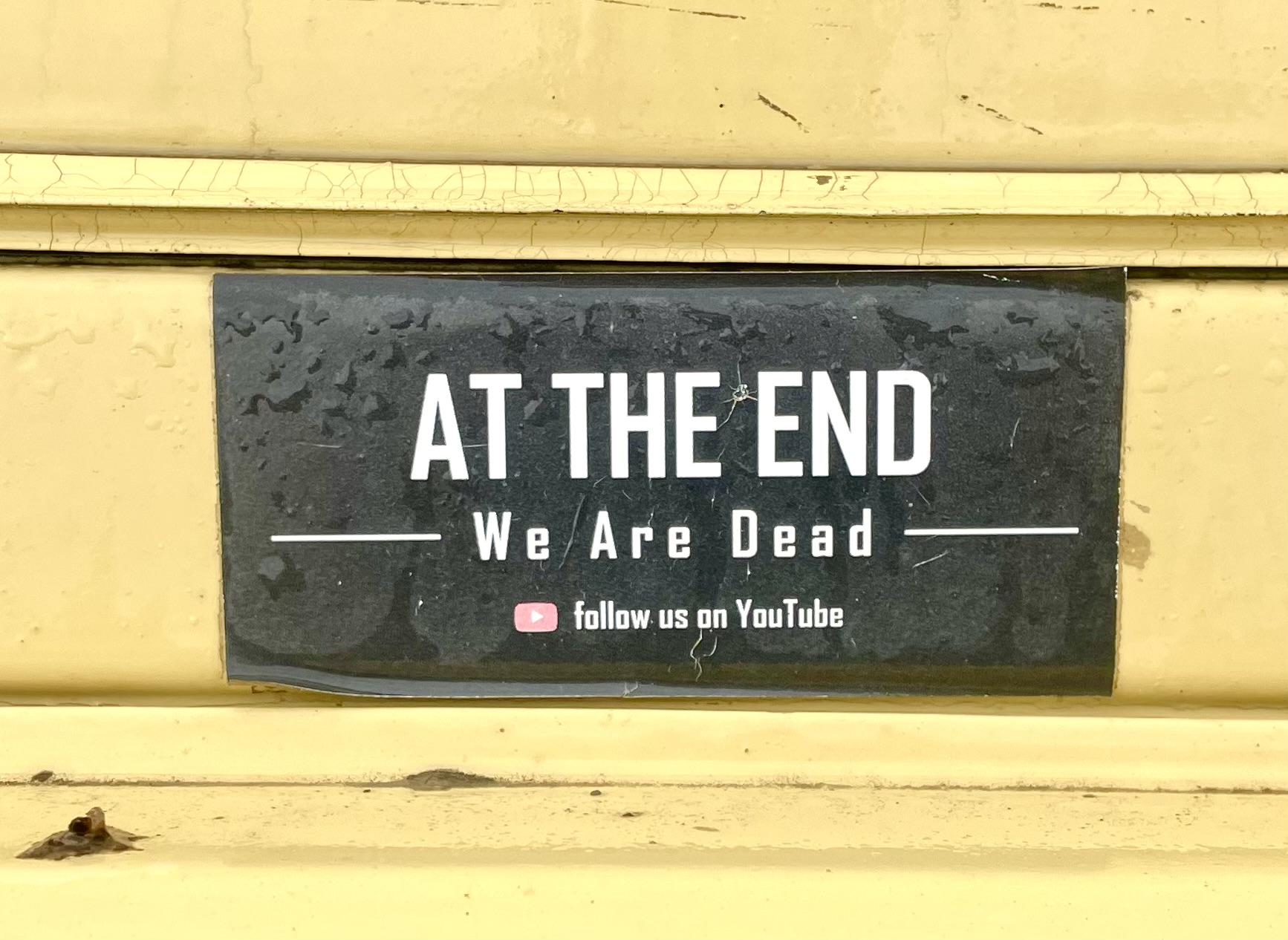
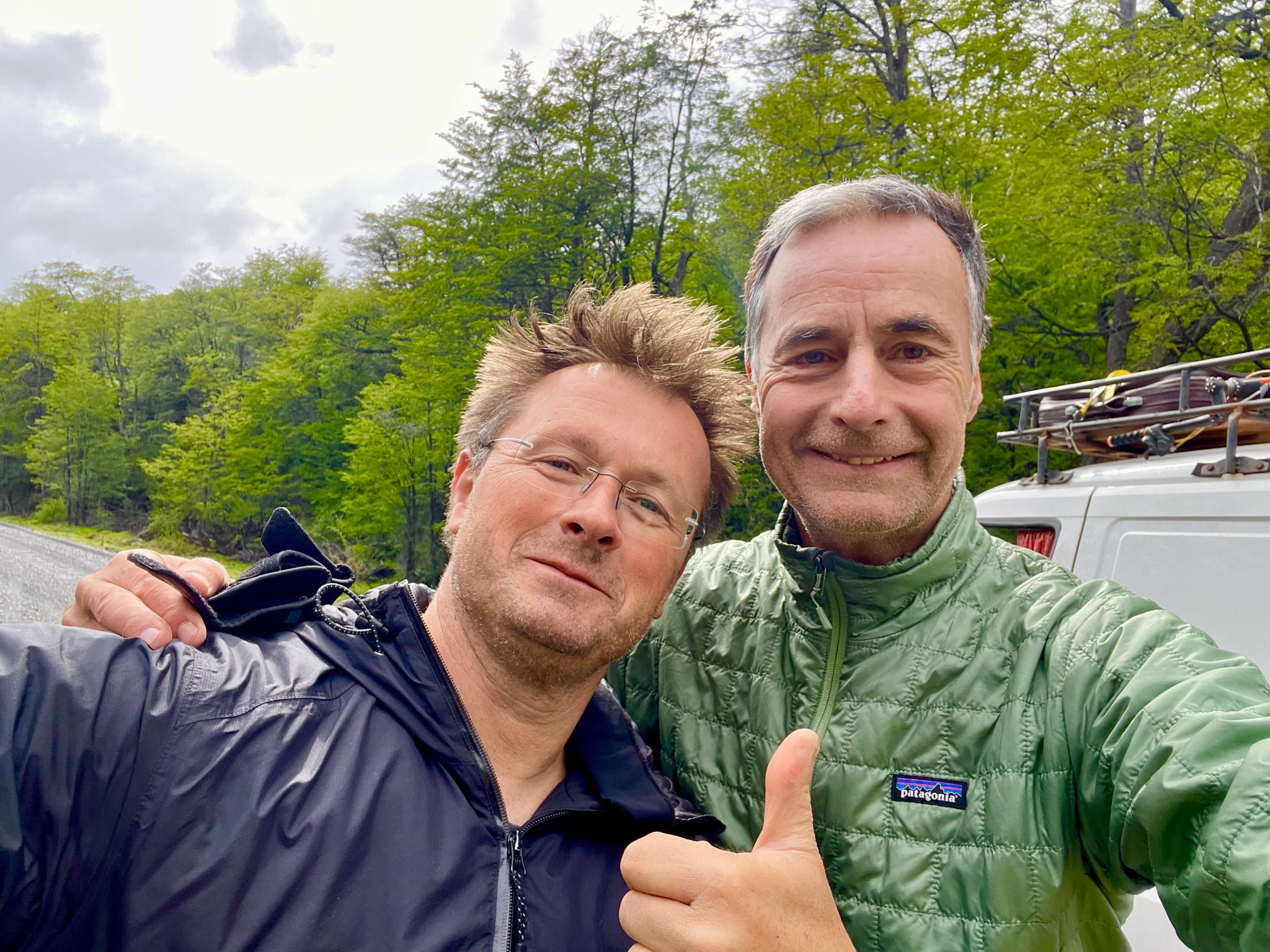
My buddy Friedl from Austria. What a rig. He pulled me out of the mud this morning after getting bogged down on Lake O’Higgins, where we both camped last night. Amazing dude. Been traveling around the world since 2018.
The shallow grave my camper would have succumbed to:
On Friedl’s truck. So true. We had coffee after the rescue and realized that we viewed life in exactly the same way – time is the most precious commodity that we have and are given, and the way in which we use it makes all the difference in living. Amen.
Yes – it happened again on the way out of Villa O’Higgins – The coffee I bought to go was leaking all over and I reached over to grab it, causing the camper to drift onto the steeply banked and very soft roadside berm. Dang – no way it was coming out, so I locked it and started walking back to town to try and locate Friedl. Within a minute, his Mad Max vehicle came into view, and the cavalry once again extricated me from a tight spot. Geez – not like these were life threatening situations, but if you get stuck here, you’re on your own unless and until someone comes upon you and can assist. I drove northward with extreme focus after that one…
Marketing photo:
En route to Parque Nacional de Patagonia, which was created after Doug and Kristine Tompkins bought and donated land that connected two national reserves to form Patagonia National Park. Stunning in its scale and beauty.
The Baker River yet again, hundreds of miles from where I first spied it in Futaleufu:
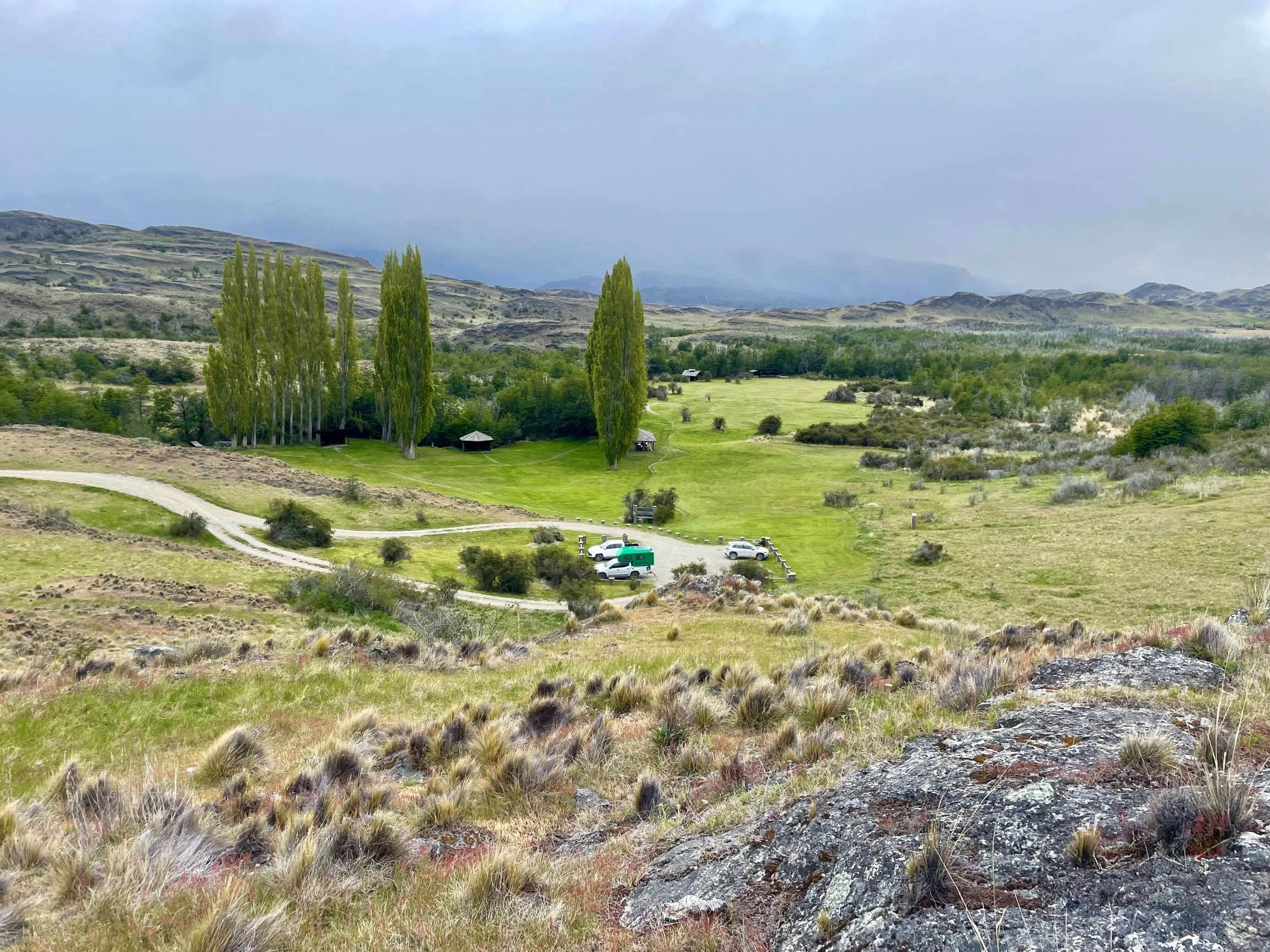
Parque Nacional de Patagonia headquarters. An amazing lodge, museum and camping oasis miles and miles from everywhere. Thank you, Doug and Kristine:
Today marks fourteen days into this six week journey. Reflections and observations? Chile is the wildest place I’ve been in terms of geography and landscape. It is staggeringly huge, beautiful and raw. It exudes charm everywhere. It is, however, quite difficult and challenging to access overland but, to me, more than well worth the effort, as the rewards are unreal.
The Chilean people are super warm and inviting, and most don’t have much in terms of material things and possessions. Their souls are kind and welcoming.
Weather – it has rained every day (on and off, mostly) for the past six days, but there’s not much one can do about the weather when on the road. As a number of Chileans have told me – that (rain and wind) is Patagonia, so you’re seeing it in its true form.
I’m headed into Argentina next, where I’ll enter and head south towards Ushuaia – the southernmost town on the planet – and the famed Torres del Paine National Park. Lots to see, so I’m gonna get rolling…
It’s getting really good now. I’m south of all the large cities and towns, and on the Carretera Austral. Here are some images from the past two days.
I met Alvaro and Mira, two teachers from Concepción now living and working in Honopirín, at dinner the other night. What incredibly kind and personable individuals. They both love living in the country, away from the big city, and hope to stay in Honopirín for a long time. The local children are incredibly fortunate to have them:
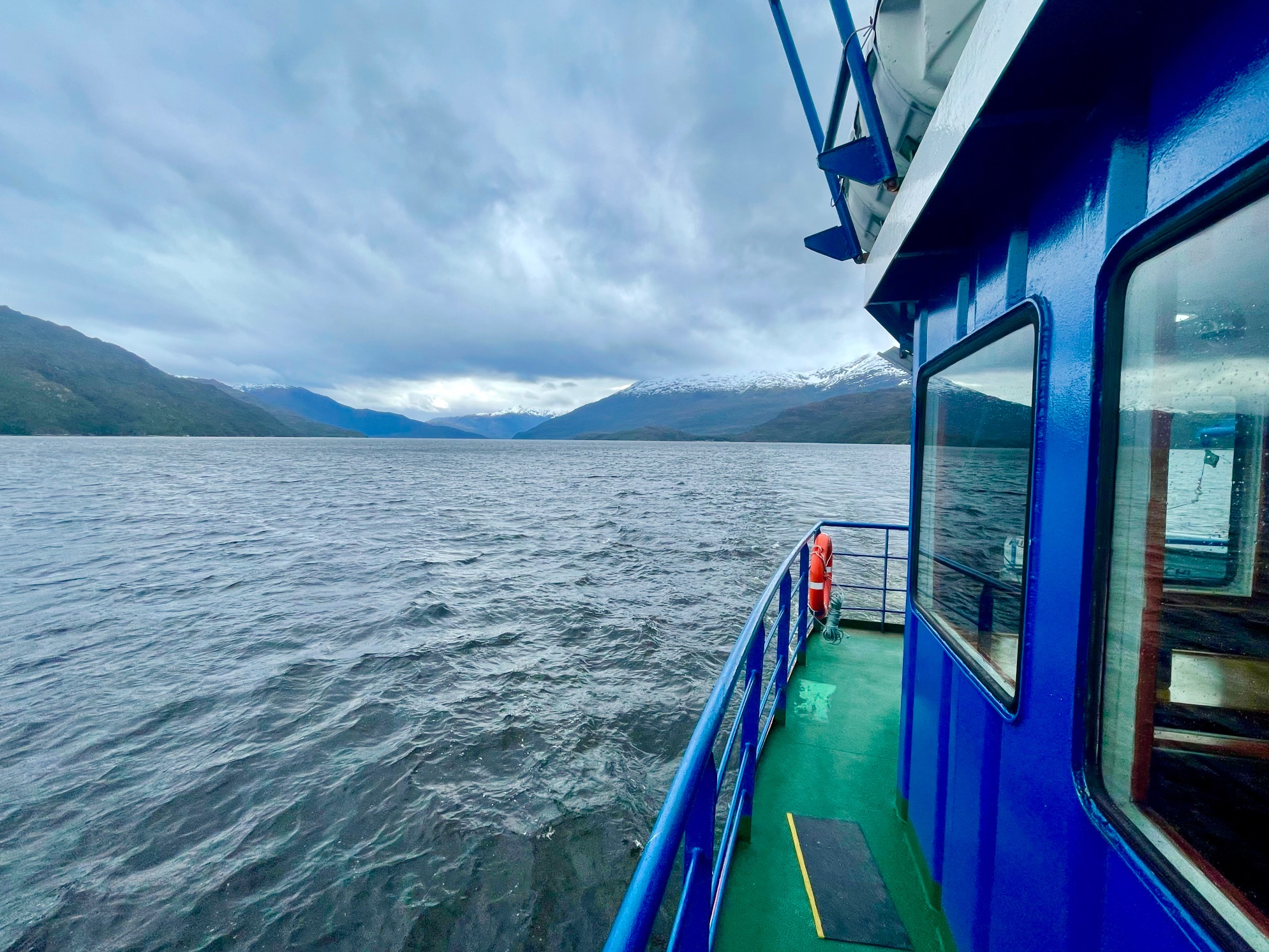
Waiting for the ferry from Pichicolo to Coleto Gonzalo. Again, the Carretera ends because of impossibly difficult road building terrain, requiring a six hour boat ride to its reconnection:
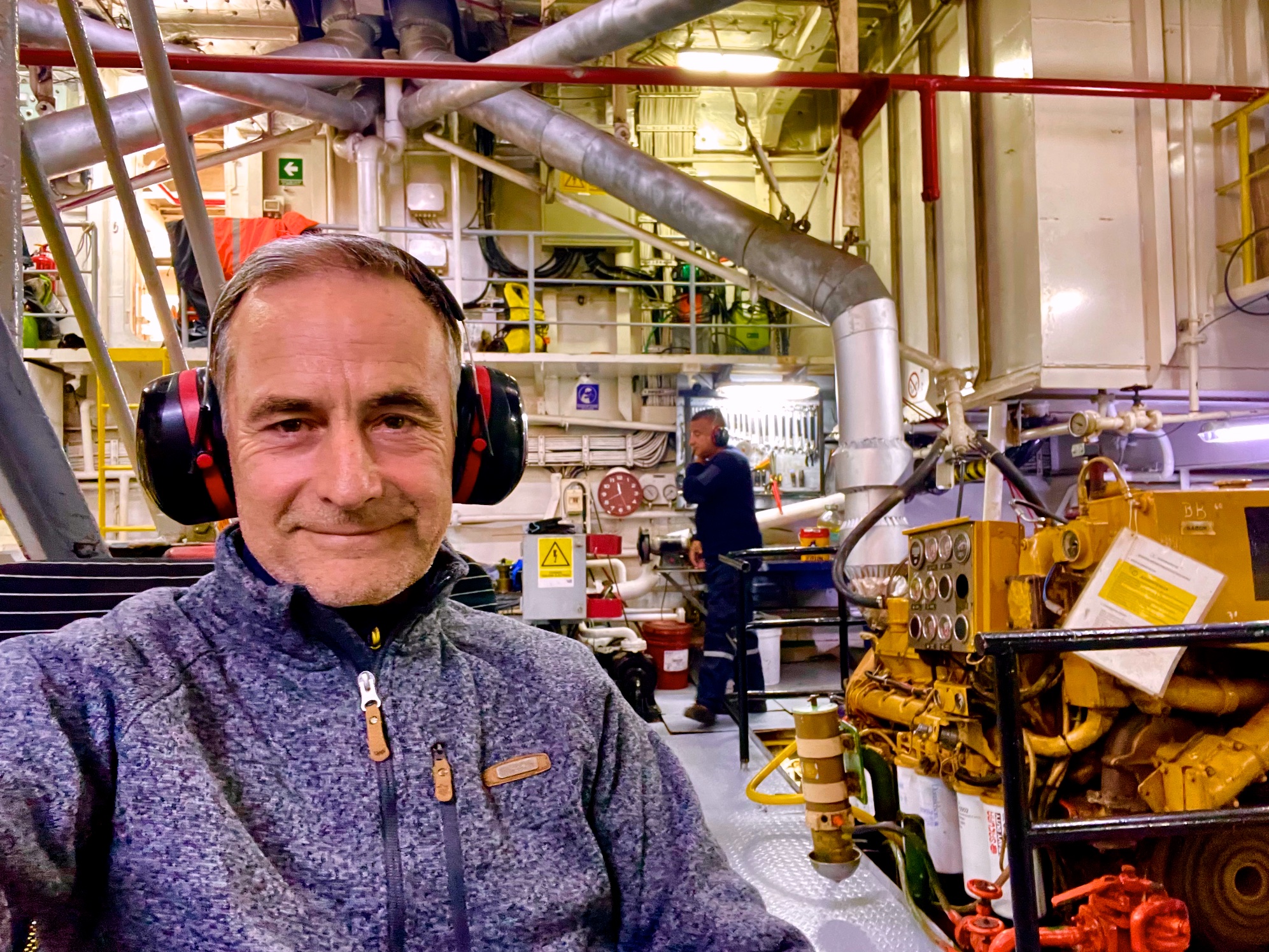
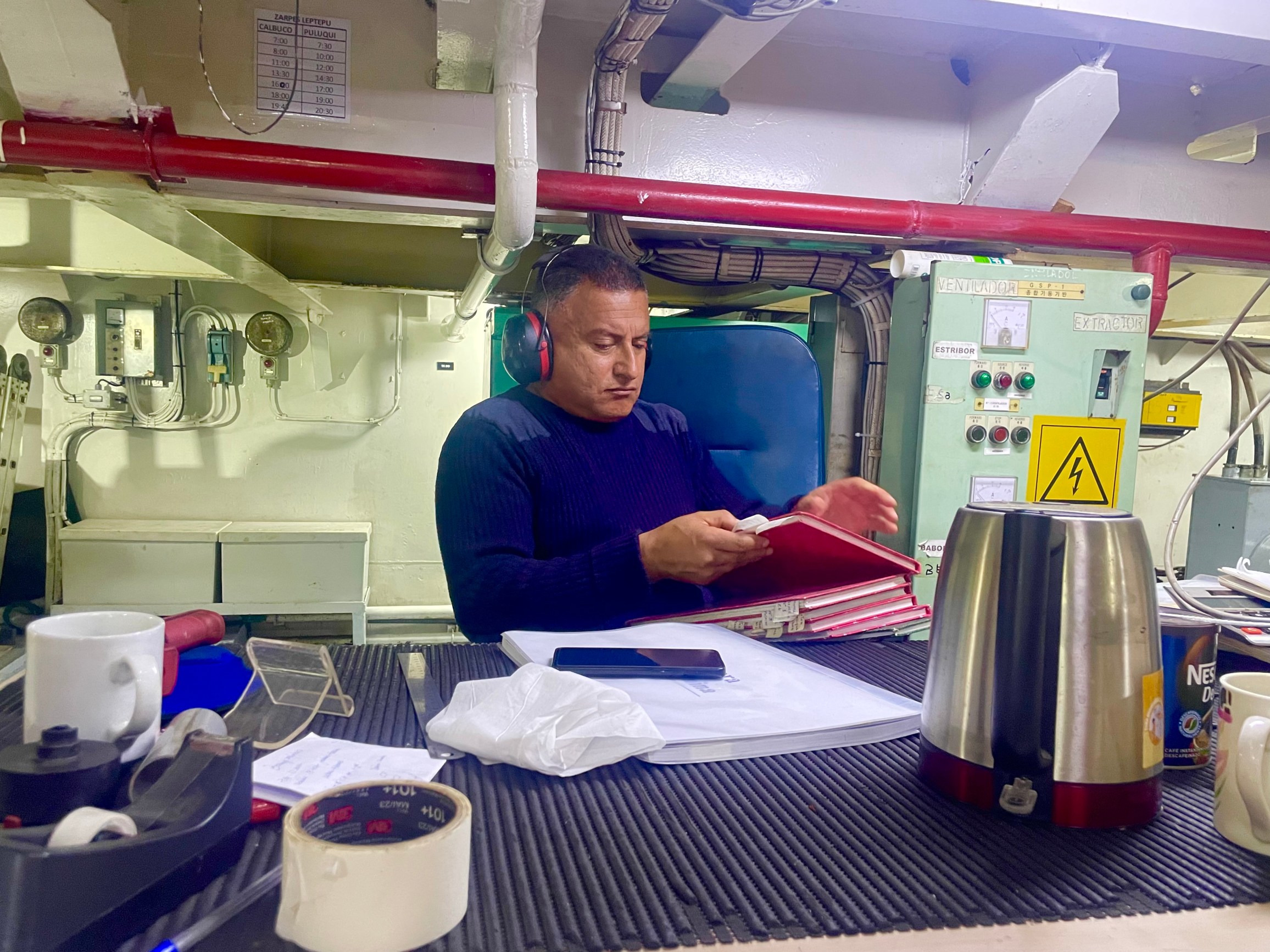
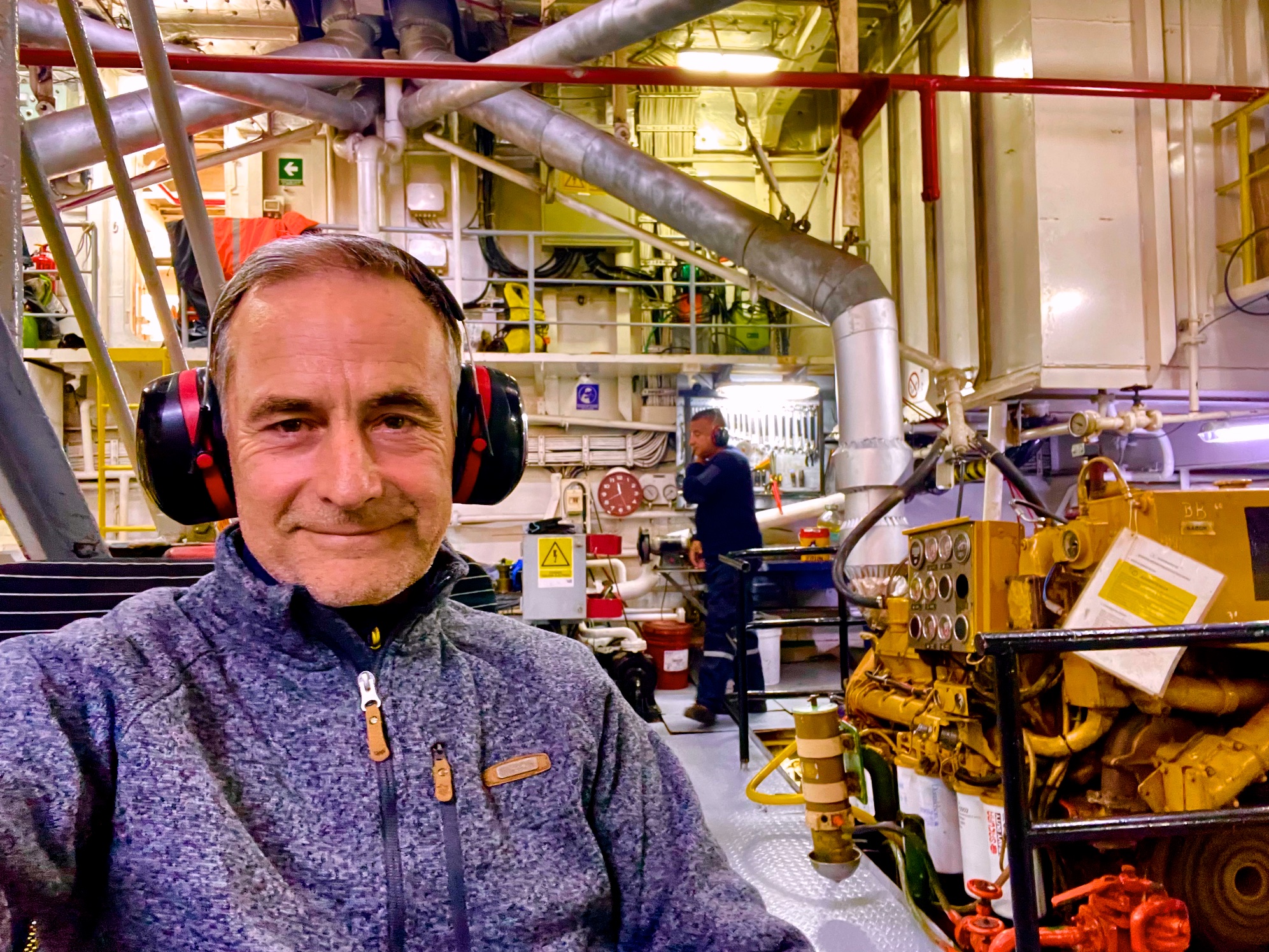
While on the ferry, I poked my head into the engine room, below deck. Gerardo, the chief engineer, waived me down with a broad smile and handed me industrial grade ear protectors because of the twin CAT diesels’ deafening roar. He then made me coffee and we talked about machines, motors and the like for a half hour. What an incredible guy – a real joy to connect with. Before I left, I told him his diesels were bigger than Lester’s…
Me playing assistant engineer…
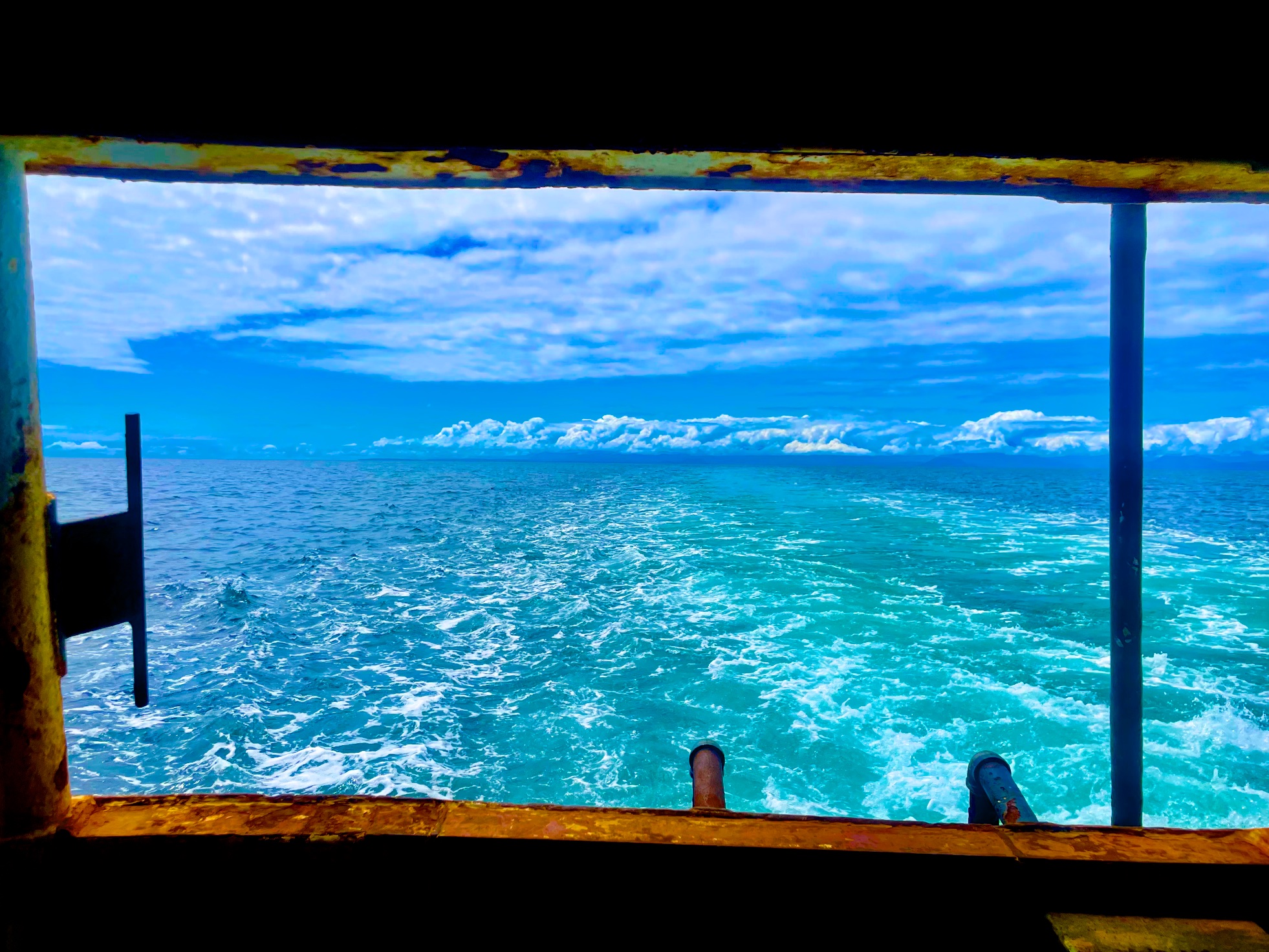
Strolling amid the cars and trucks, peering off the aft deck:
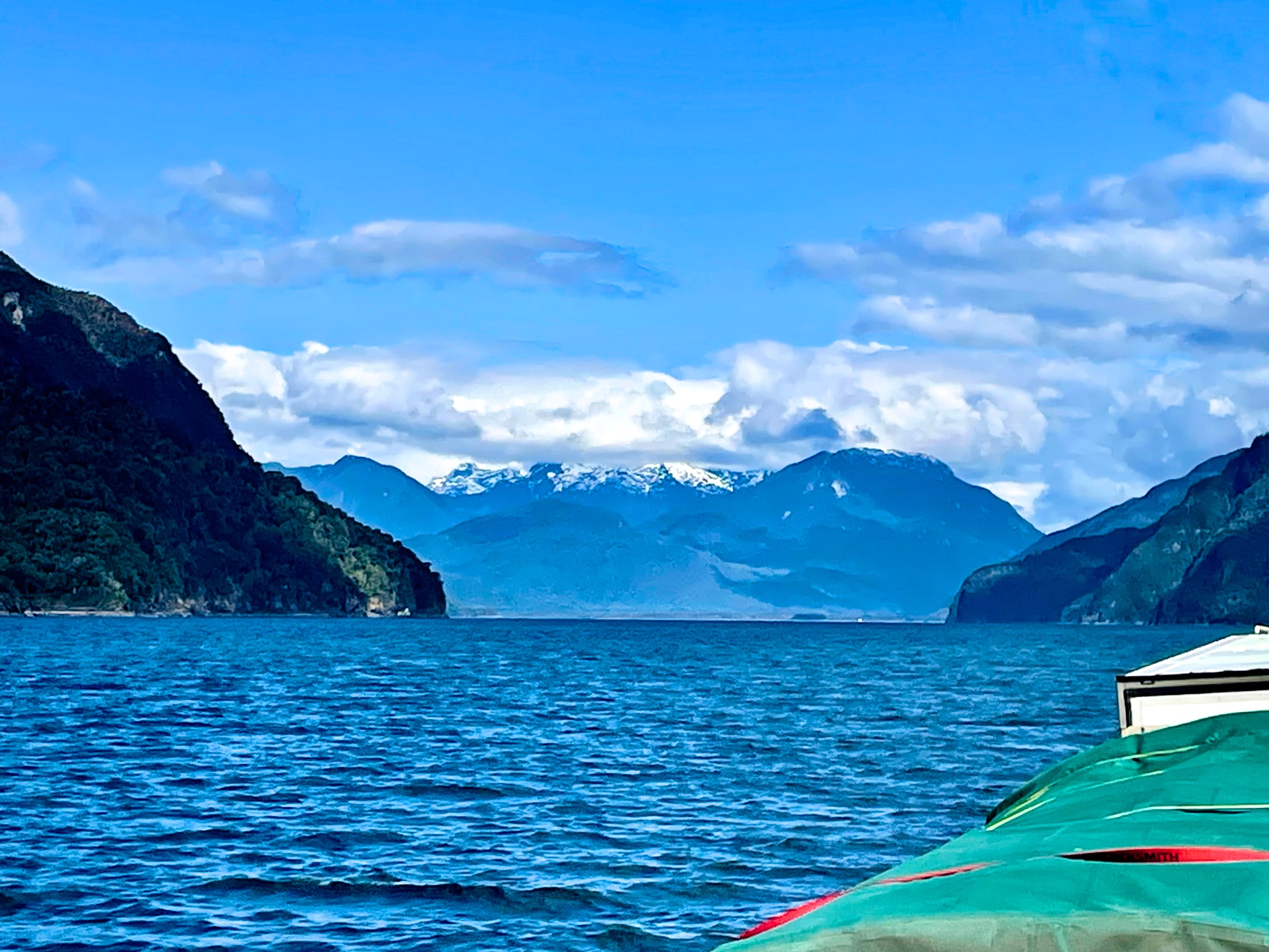
Land ho after six hours on the sea, in Coleto Gonzalo – the northen entry point of Parque Nacionál Pumalín, an almost impossibly beautiful place and story. Pumalín was created by Doug Tompkins and his wife Kristine over several decades. Doug founded Esprit and The North Face and Kristine was Patagonia’s CEO for decades. After visitng Patagonia in the 1970’s and falling in love with it, they dreamed of preserving its astonishing wilderness from development. Over several decades, they purchased over 900,000 acres (yes – over 900,000) to donate to the government of Chile as a park. The government, overly suspicious of their intentions, blocked them from acquiring more land at every possible point, believing that they might try to literally bisect the country and create havoc and chaos. After Doug and Kristine finally persuaded the Chilean government (which took over a decade) that they were buying the land to give to the people of Chile as a park, things got into the groove and Pumalín took shape. It is truly one of Earth’s last great spaces, almost totally untouched by the hand of man. In it lives the Fitzroya Cupresssoides, a relative of the giant redwoods of the Pacific Northwest. They have been spared, and Pumalín moves cautiously and quietly forward in a changing world and environment.
After hiking for several hours amidst these scenes, I headed to Chaitén, 40 Km south, on a portion of the Carretera that was amazingly punishing. One could easily tear a wheel or two off with minimal effort driving between Pumalín and Chaitén. Of course, I found that driving faster (while trying to avoid flying off the road) made it a bit smoother. Not sure my camper was equally sanguine…
After a great dinner of cevíche, I sniffed out a killer place to camp and awoke to these scenes:
All in, a great couple of days digging into the Carretera Austral. with countless wild scenes and 800 more miles southbound until it ends in Villa O’Higgins, where I’ll head north for a bit in order to cross into southern Argentina. Should be filled with national park after national park, wild and scenic spaces and lots of fun…
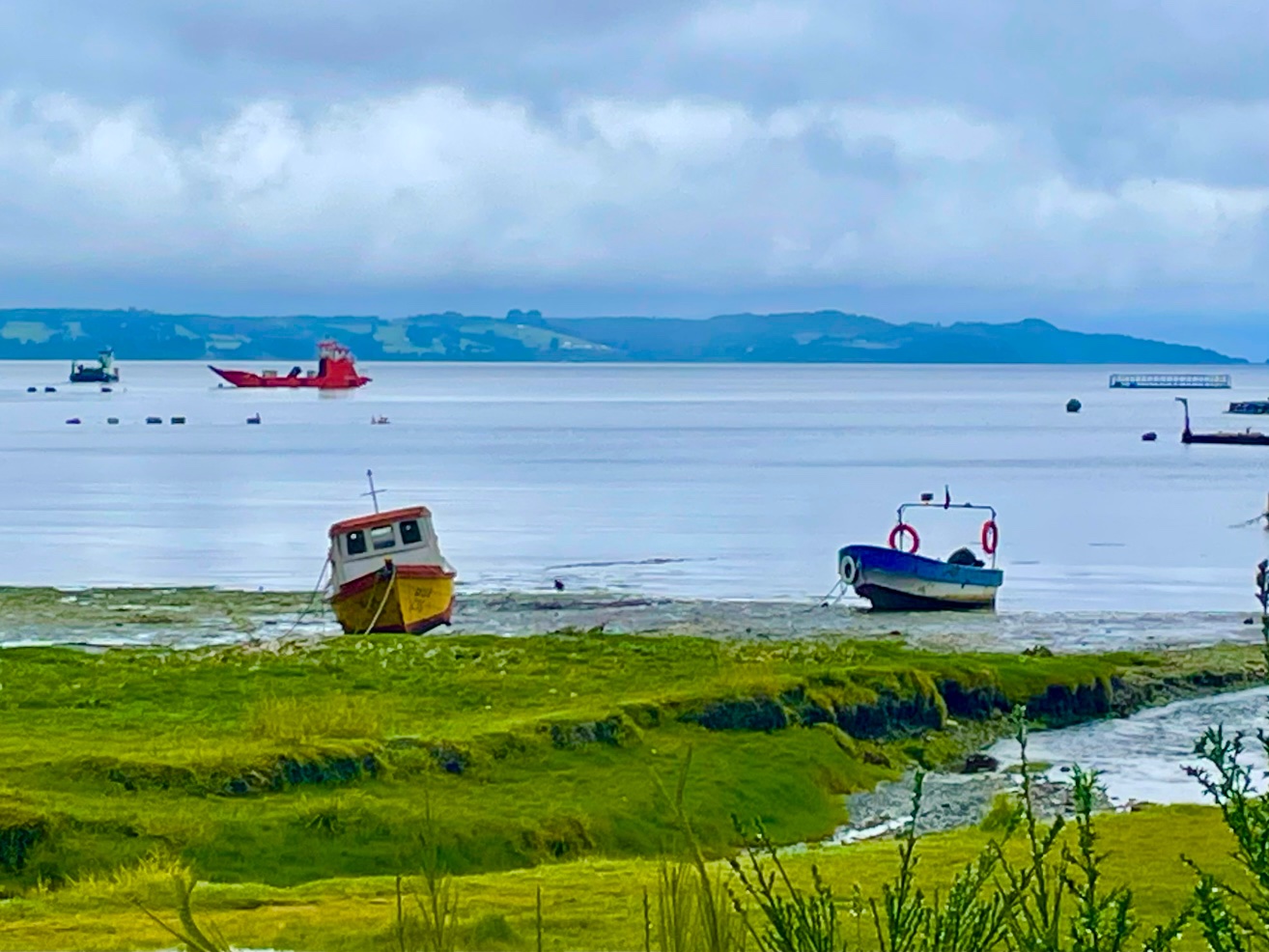
Yesterday marked one week on the ground, with five ahead. The trip has picked up a cool rhythm now, which is really nice. The past several days have been interesting. After a great traipse through the Lake District, I headed to the large Island of Chiloé, which, alas, disappointed. Its endless green, rolling hills were pretty to look at, but each town I visited was quite similar to the others – very poor and dirty. Quellón, its capital, was crowded, dirty and a bummer aesthetically, although I had an excellent lunch there. I tried to catch a ferry to Chaitén from there to avoid yo yo-ing back north then around through Puerto Montt, but struck out despite going to three docks and ferry offices. It’s not yet peak tourist season, so it’s a crap shoot as to whether a particular office will be open now.
Found a great spot to camp Sunday night overlooking Ancud, on the north shore of Chiloé Island, in a major rainstorm.
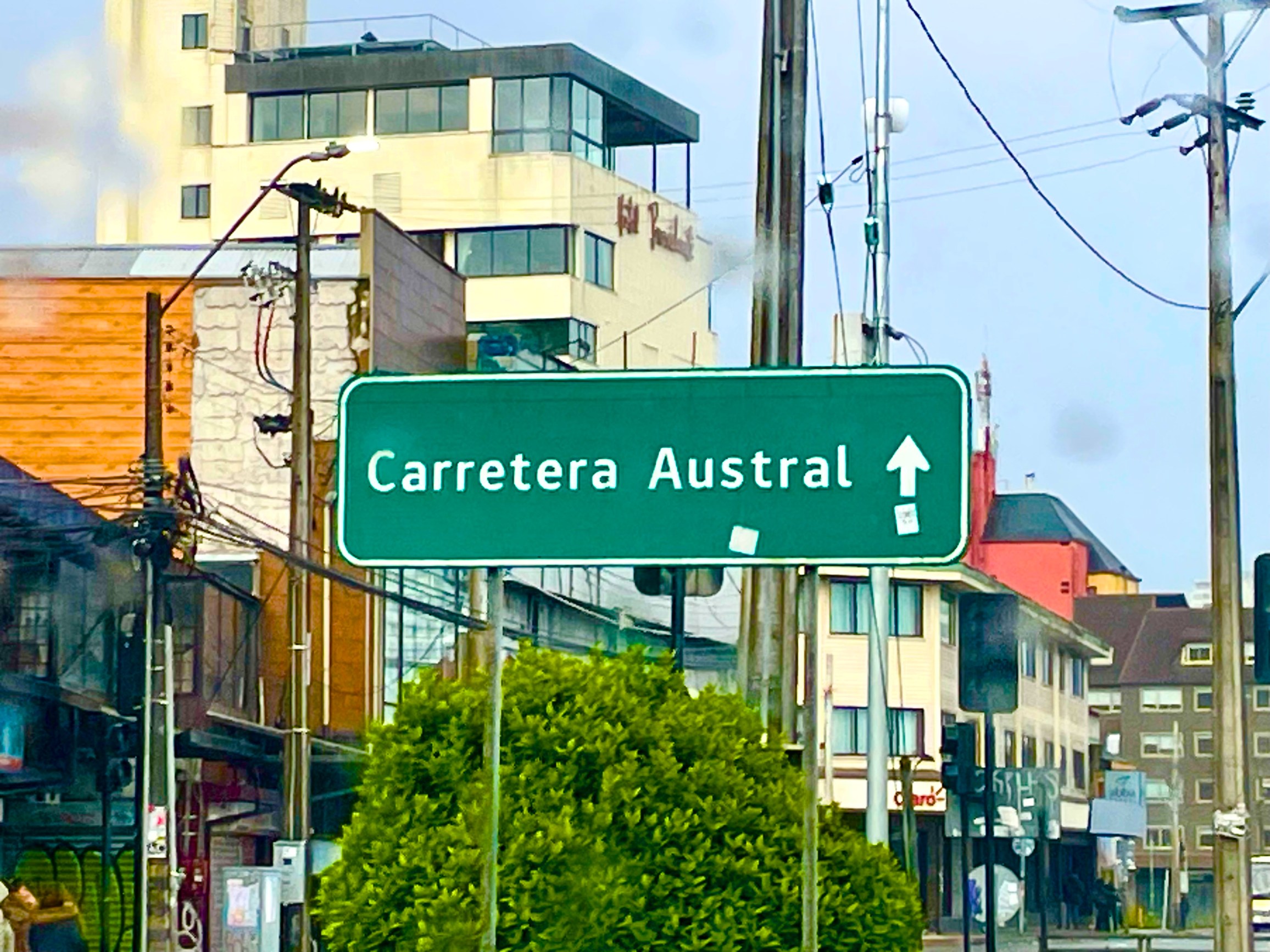
After Quellón, I headed north to Puerto Montt, the largest city in southern Chile. An interesting fact about highways in Chile – when they go through a city, they literally go through the city. No bypasses, as in so many other cities where I’ve driven, so you get spanked in local traffic. I skirted the southen edge of Puerto Montt, right along the water, then came upon this wondrous sign:
The fabled Carretera Austral, which was conceived and built in the 1970s and 1980s by the military dictator Augusto Pinochet, using soldiers for its construction, was designed to connect the disparate northern and southern regions of Chile to each other economically (probably the only positive thing Pinochet ever did during his rule), and it is a marvel of engineering as well as a doorway into some of the most spectacular scenery on Earth. Pinochet also believed that having troops and settlers in Chile’s remote southern region would dissuade Argentina from trying to poach part of the country’s rich but remote territories. Starting officially in Puerto Montt and continuing 800 miles south until its end in the tiny hamlet of Villa O’Higgins (where I’m heading), where glaciers and fjords prevent any further road construction, it is what I’ve been super excited to roll up my sleeves and dive into. It has not disappointed so far, although I’m only 50 miles into it. Some shots of yesterday’s meanderings and the Carretera Austral last night and today:
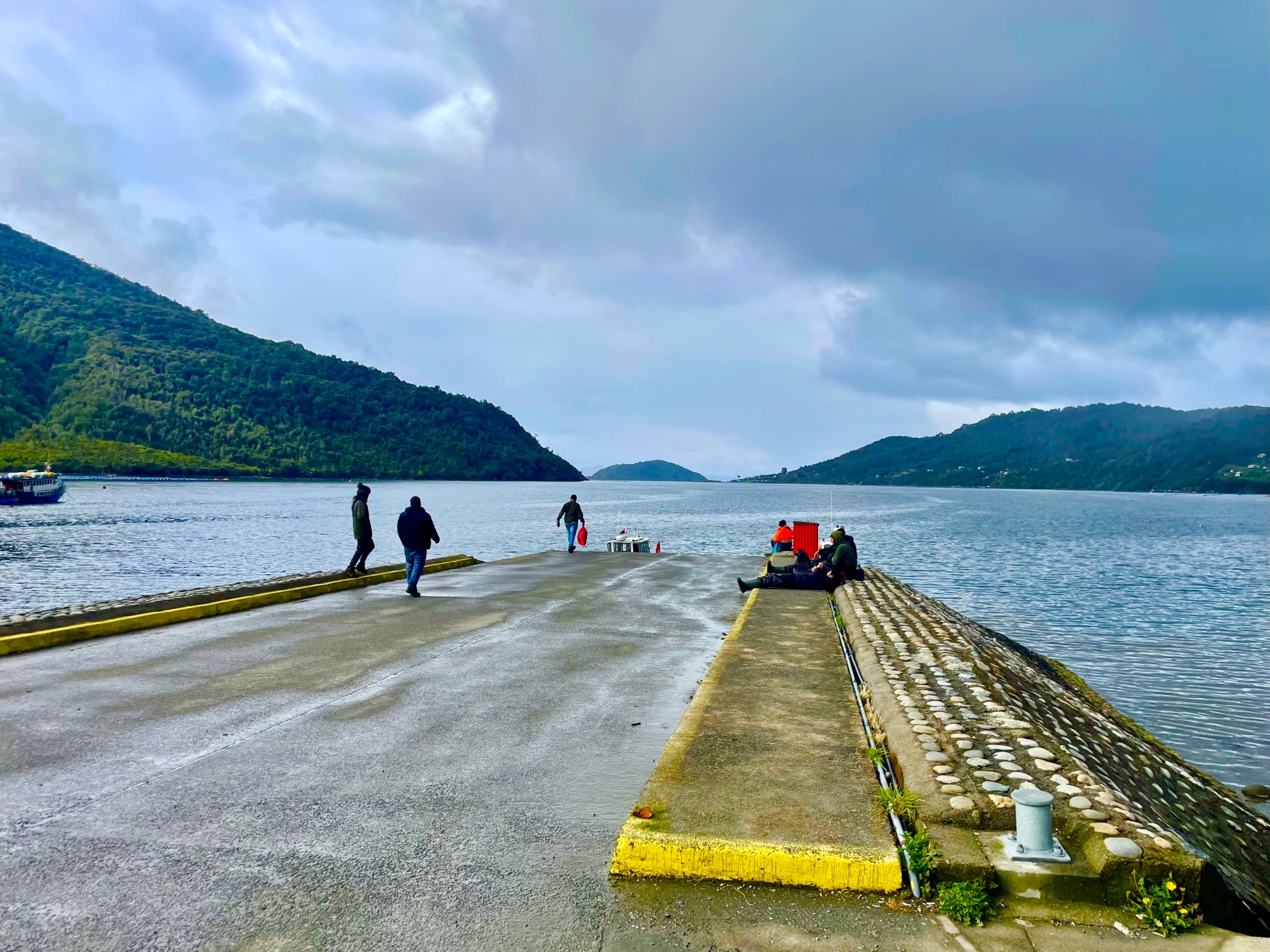
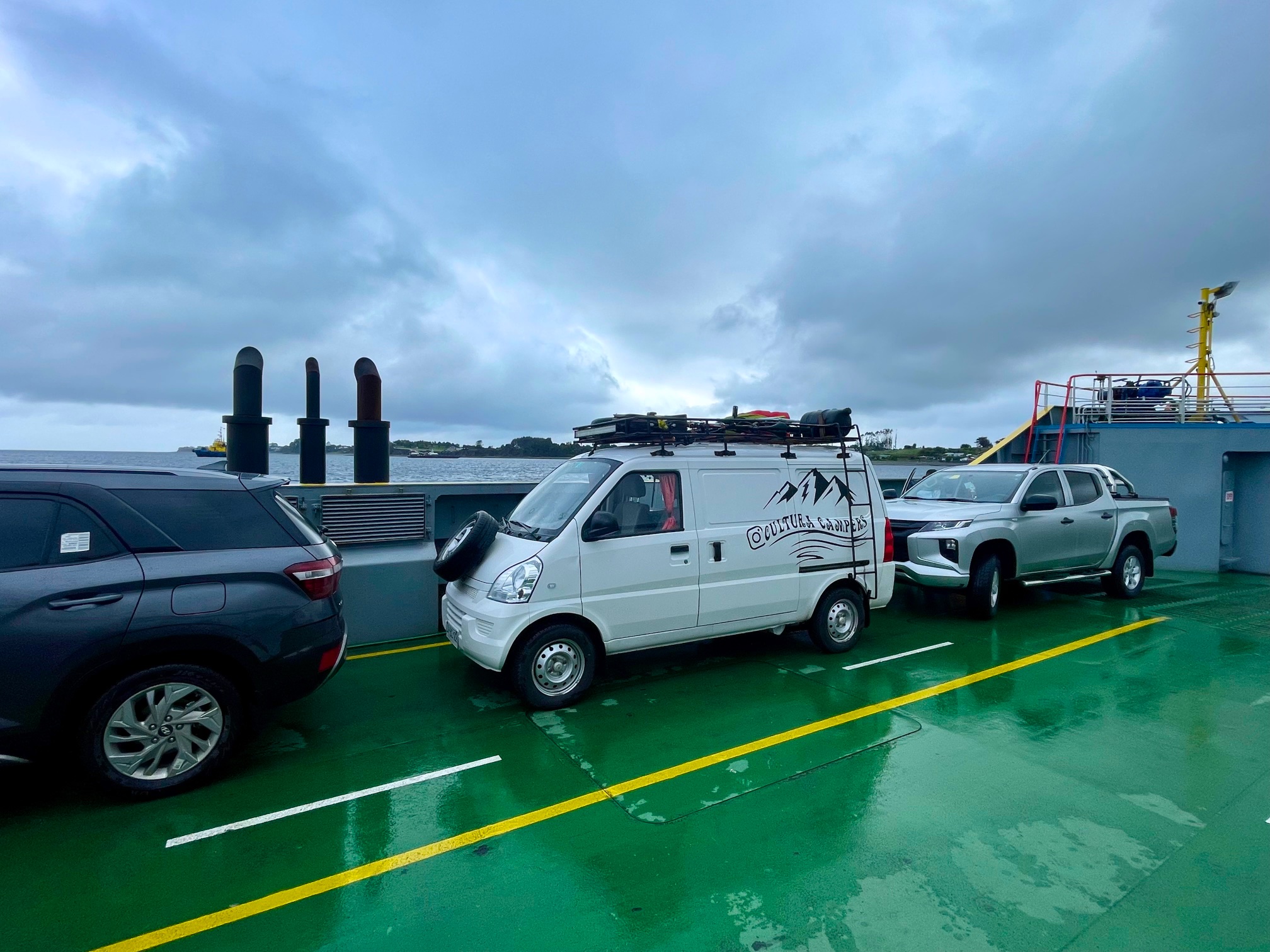
Waiting for the ferry last night in Caleta La Arena – the Carretera Austral crosses Reloncavi Fjord, two miles wide at its junction with the Pacific, so you’ve got to hop a half hour / four mile ferry to continue onward.
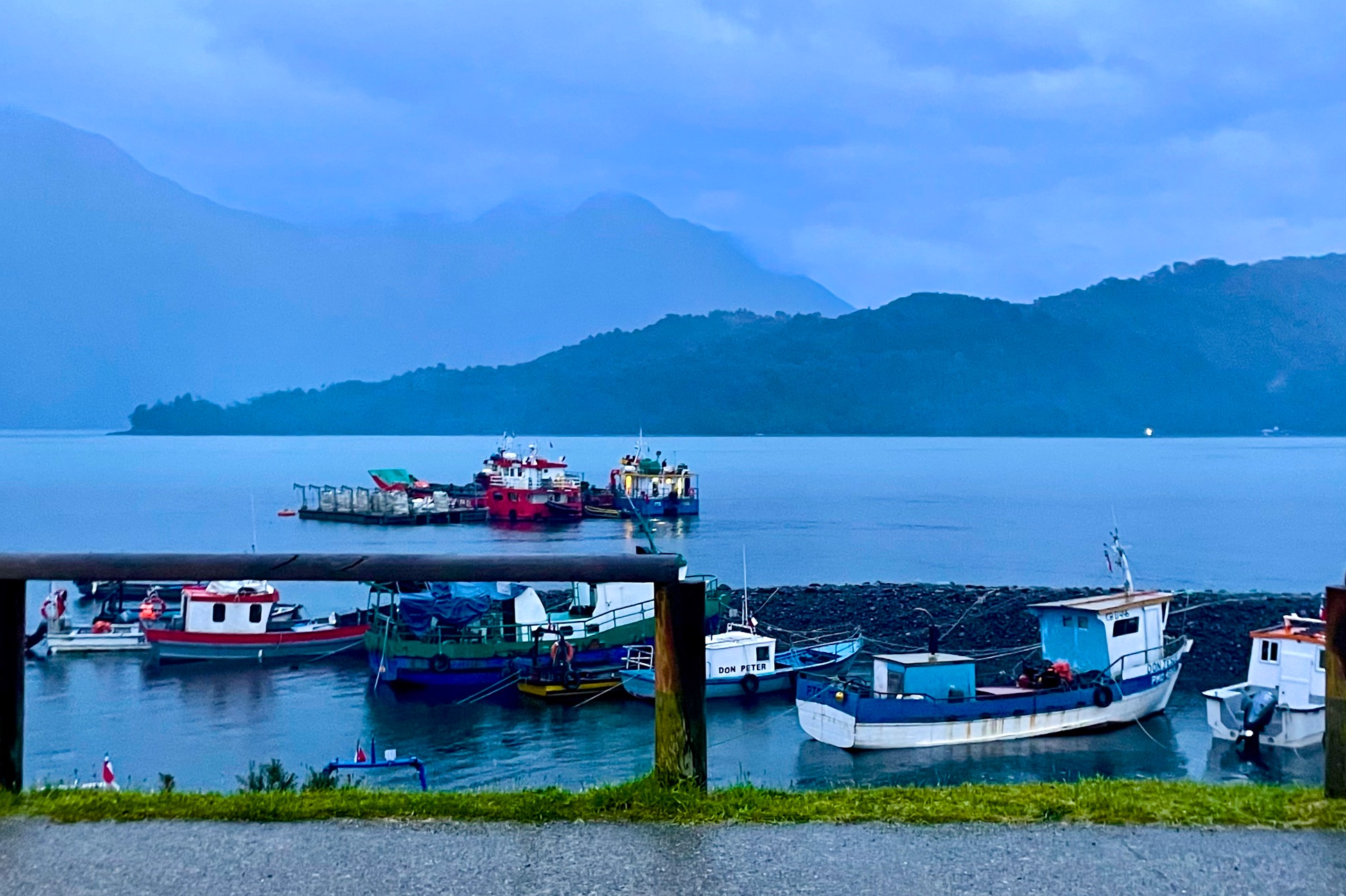
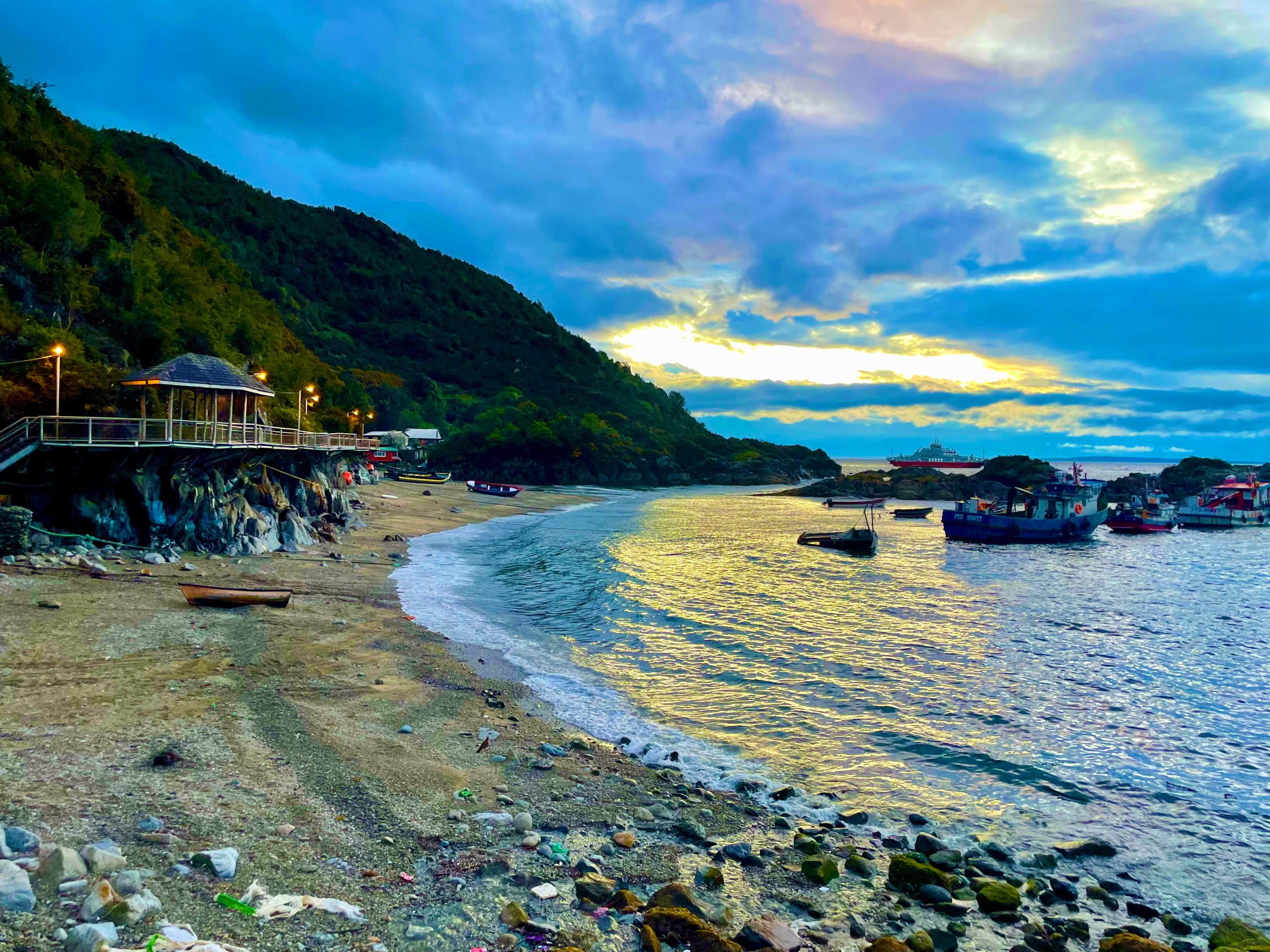
Early this morning after sleeping in a big rain storm. Haualauhie Puerto, off the main road:
Today has been most interesting. I drove fifteen miles to Hornopirén to hop (another) ferry to reconnect with the Carretera Austral southbound, only to learn that there’s only one boat per day for the five hour trip (which left twenty minutes before my arrival 😜), and the next available spot for me and my camper was Saturday, five days hence. Yikes…
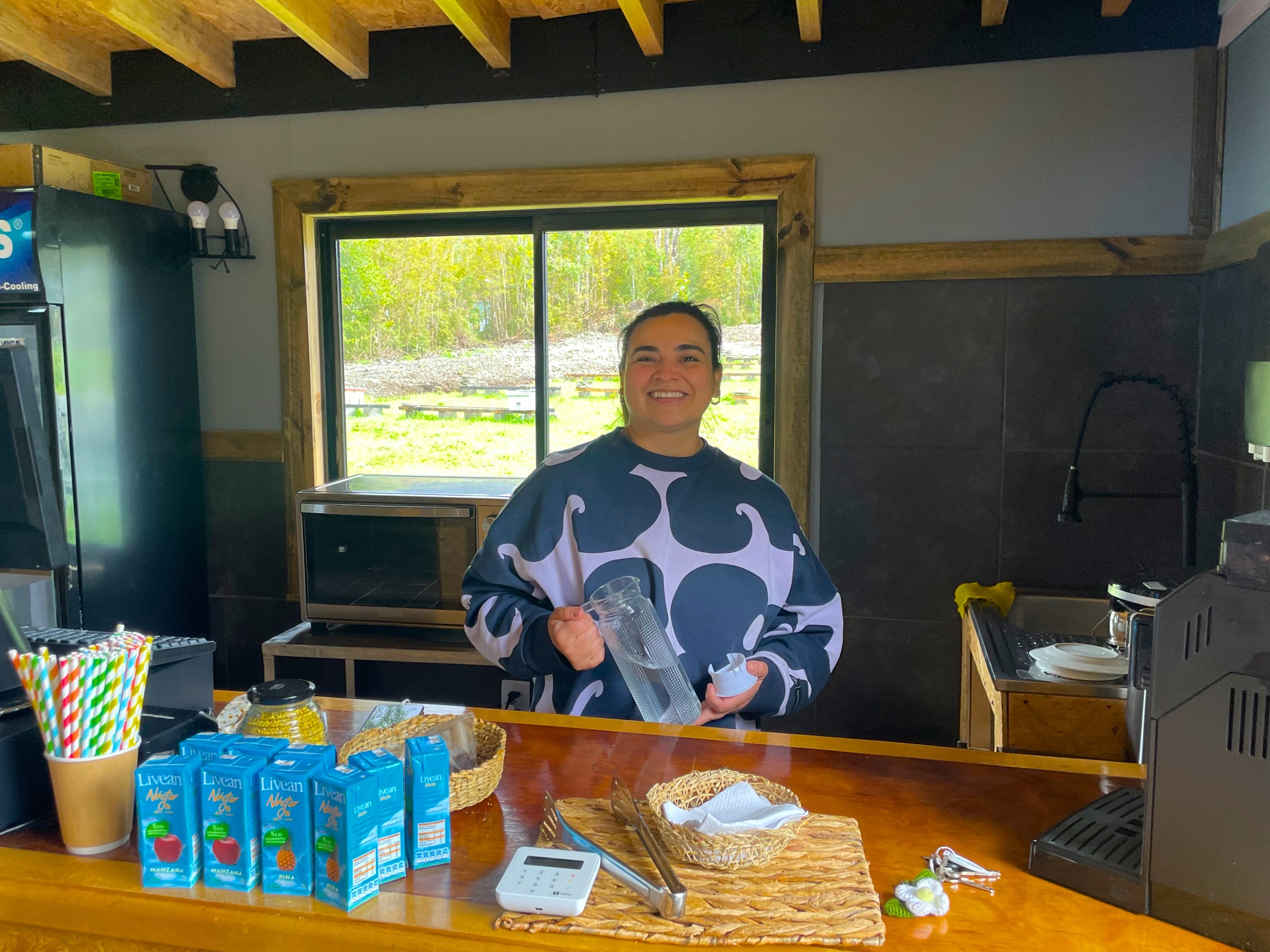
Plan B involved taking a different ferry tomorrow from Pichicolo, a bit north, to Caleta Gonzolo. Say that three times fast… These reservations can only be secured by bank transfer / advance payment (unlike last night’s boat), and their payment system ain’t like ours, nor do they have PayPal, Venmo or Zelle. Fortunately, Jorge and his wife Solange (pictured below), who run a terrific little rest stop and hotel named Del Bosque, got me through the local wormhole so I’m reserved for tomorrow (I’ll pay at the dock).
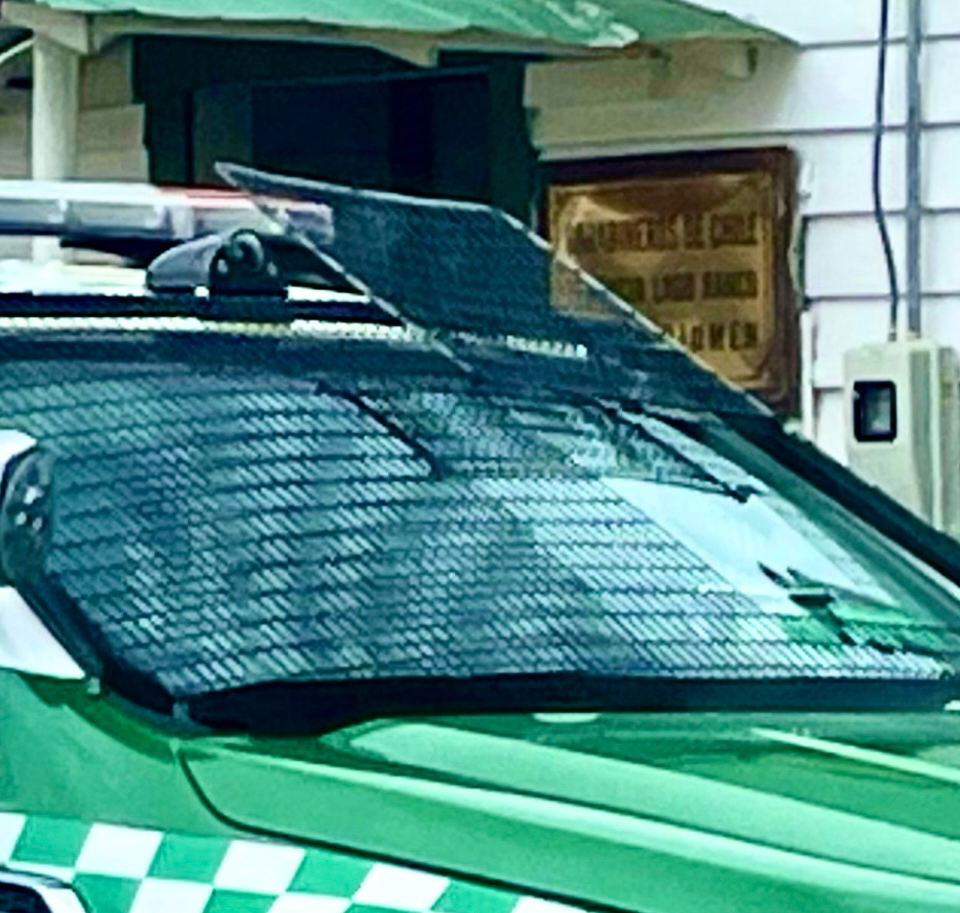
An aside – there are very few police and police cars here. I’ve felt completely safe so far, and the people have been fantastic. One weird thing, though – the police cars look like they’re set to enter the Gaza Strip with the IDF:
No idea why, but they do look intimidating to me. Some other observations – Chile isn’t really thought to be a third world country these days, yet it feels that way to me. I’m not being disparaging, but poverty is ubiquitous here. People have almost nothing, their homes are pretty much cardboard shacks and I haven’t seen fancy casas anywhere. I guess that’s kind of good – unlike the US, where huge wealth and income disparities are, IMHO, sowing the seeds of social revolution, people here seem to be on the same team (and living the same economic reality).
I’m off to hike the volcano in Honopirén National Park. Skies are clearing a bit, so hopefully I’ll stay somewhat dry. We’ll see.






 .
.



















 Adventures Here......and There